"I felt like I was losing my integrity" - Iga Swiatek gets candid on her reaction to failed doping test
WTA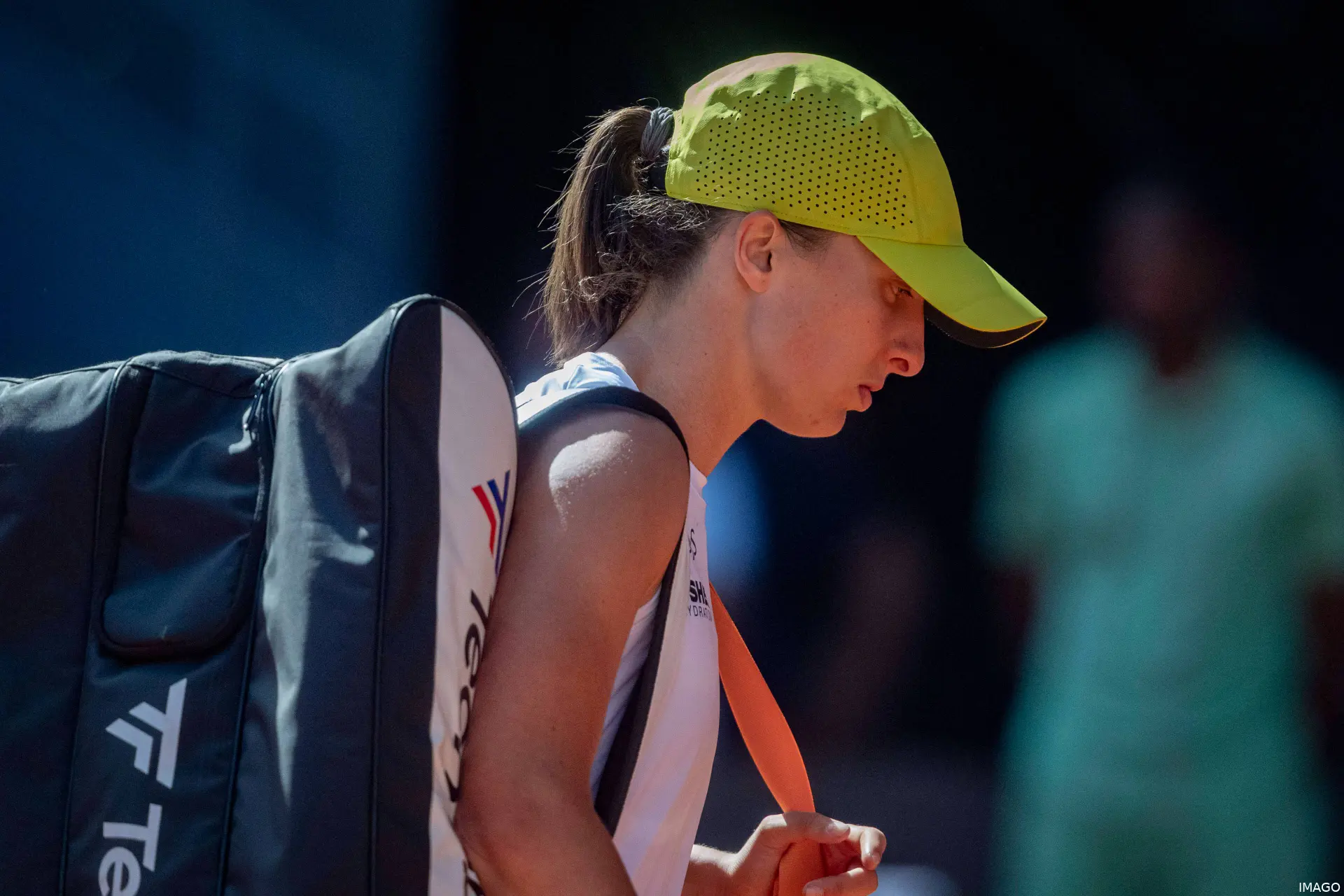
Former World No.1 Iga Swiatek broke a year-long title drought when she won her maiden Wimbledon title a few weeks ago. However, the Polish star was the subject of a high-profile doping scandal that rocked the WTA circuit last year.
Last year the 24-year old tested positive for trimetazidine, a prohibited substance. After an investigation by the International Tennis Integrity Agency, Swiatek was handed a one-month suspension in November 2024.
Although Swiatek would later explain that a batch of her non-prescription melatonin had been contaminated, the damage had been done. Several fans called for a stricter punishment, with many claiming she was receiving preferential treatment due to her top-rank and status.
In an episode of the Served with Andy Roddick podcast, Swiatek finally opened up on her feelings during this difficult period. The six-time Grand Slam champion revealed she was at a photo shoot when the news hit, and was devastated for weeks after the announcement.
Read also
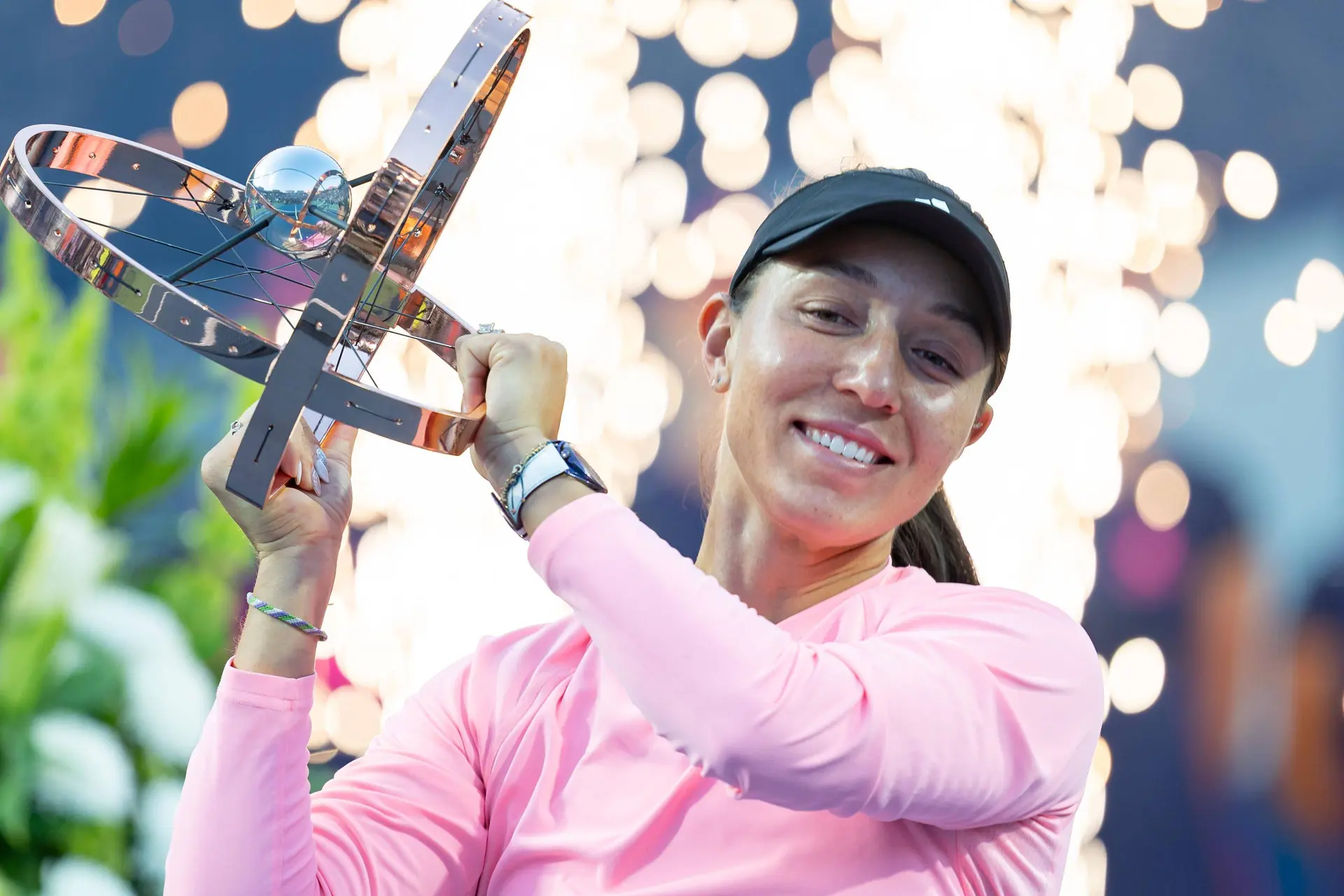
Everything seemed surreal, recalls Swiatek
"Well, I was in a photoshoot with my sponsor in Warsaw. We were just kind of changing locations. I went on my email, and I saw that I got an email from this portal, you know? And I thought it was just a reminder to do my whereabouts or something," said Swiatek on Served.
"But yeah, it said that, well, I didn’t even read it because I started crying. And my agents, who were there for the shoot, they literally thought someone had died. So I gave my manager the phone, and she read everything.
"They were also pretty confused, because obviously no one knows what to do in a situation like that. I called Matej, my physio and conditioning coach, he already knew from my other agent. I called Daria, and we met during the shoot.
"I had no idea if I should even continue doing the shoot because my face was all red, I was crying for probably like 40 minutes. But on the other hand, I knew that I probably couldn’t really tell them about it. So I just continued for the next three hours... and I gotta say, these were the best scenes that I shot. So I must be a good actress."
"But yeah, it said that, well, I didn’t even read it because I started crying. And my agents, who were there for the shoot, they literally thought someone had died. So I gave my manager the phone, and she read everything.
"They were also pretty confused, because obviously no one knows what to do in a situation like that. I called Matej, my physio and conditioning coach, he already knew from my other agent. I called Daria, and we met during the shoot.
"I had no idea if I should even continue doing the shoot because my face was all red, I was crying for probably like 40 minutes. But on the other hand, I knew that I probably couldn’t really tell them about it. So I just continued for the next three hours... and I gotta say, these were the best scenes that I shot. So I must be a good actress."
Swiatek would recount hiring a legal team, and how she tried her best to keep her world from falling apart. Furthermore, there were several parties who had begun labeling her a cheater, which greatly affected her state of mind.
"And yeah, we met in the evening with the whole team—my doctor—and we had our first call with a lawyer. I hired him basically over the phone. And yeah, it was all pretty confusing.
"Honestly, I was a total mess. During this meeting, I was basically joking because I was being sarcastic and everything, just to keep it together. You know how it is sometimes. Then when everybody left, I just cried for two weeks.
"I couldn’t practice. I couldn’t step out on the court because I felt like tennis did this to me. Like I was in this place because of tennis. I felt like I was losing my integrity. Like no one was going to believe that I didn’t do anything wrong. I felt like the whole world was going to turn their backs on me and that I was finished. That every accomplishment I had was suddenly going to disappear.
"Honestly, I was a total mess. During this meeting, I was basically joking because I was being sarcastic and everything, just to keep it together. You know how it is sometimes. Then when everybody left, I just cried for two weeks.
"I couldn’t practice. I couldn’t step out on the court because I felt like tennis did this to me. Like I was in this place because of tennis. I felt like I was losing my integrity. Like no one was going to believe that I didn’t do anything wrong. I felt like the whole world was going to turn their backs on me and that I was finished. That every accomplishment I had was suddenly going to disappear.
The decision to go public with doping ban
She added that she bunkered down from there almost and that she tried to block it out by spending time with friends but that questions started to circle about why she wasn't playing. She also had it in the back of her head that some were more rational about it than others inside the sport.
Some stood by Swiatek while others such as Nick Kyrgios who also went for Jannik Sinner have been damning of the Pole.
"My team helped me a lot, making the process logical. They told me, along with the lawyer, what I needed to do. We started testing all my supplements and medicines, and just doing the research.
"But most days, I just tried to block it out. I was meeting with my friends, who didn’t have a clue what was going on. They saw I wasn’t injured and wasn’t playing, so one of them kind of guessed that I might be in some trouble. At some point, I told them, which also wasn’t easy.
"Everybody was saying I shouldn’t tell anyone. Because, yeah—I know there was some PR fuss about players not being clear about what's going on with their fans and social media. But truth be told, if anyone came out and said something like this without any explanation, without any data or proof that they did nothing wrong, we would all be finished. Everybody would just hate us.
"Regardless of what other athletes say, I spoke to some who were rational, but others were angry that I didn’t disclose everything straight away. But honestly, if I had to tell everybody without being able to defend myself, I don’t know what would’ve happened to me. I would’ve been in a really, really, really bad place.
"So yeah, my team was really helpful. It was amazing how everybody got together to help me and keep me going. And for sure, Daria knowing me so well and being my psychologist, she helped me, both then and months later when I was already back on the court. I had so many thoughts about this whole process. She helped me find logic in it, even though it was super hard, and to be grateful about being able to play again, rather than focusing on the bad thing that happened."
"But most days, I just tried to block it out. I was meeting with my friends, who didn’t have a clue what was going on. They saw I wasn’t injured and wasn’t playing, so one of them kind of guessed that I might be in some trouble. At some point, I told them, which also wasn’t easy.
"Everybody was saying I shouldn’t tell anyone. Because, yeah—I know there was some PR fuss about players not being clear about what's going on with their fans and social media. But truth be told, if anyone came out and said something like this without any explanation, without any data or proof that they did nothing wrong, we would all be finished. Everybody would just hate us.
"Regardless of what other athletes say, I spoke to some who were rational, but others were angry that I didn’t disclose everything straight away. But honestly, if I had to tell everybody without being able to defend myself, I don’t know what would’ve happened to me. I would’ve been in a really, really, really bad place.
"So yeah, my team was really helpful. It was amazing how everybody got together to help me and keep me going. And for sure, Daria knowing me so well and being my psychologist, she helped me, both then and months later when I was already back on the court. I had so many thoughts about this whole process. She helped me find logic in it, even though it was super hard, and to be grateful about being able to play again, rather than focusing on the bad thing that happened."
A perfect storm that wasn't
After winning Wimbledon, Swiatek is slated to return at the Canadian Open, where she will take on China's Guo Hanyu in the second round. But while that is the case, she said that she had the vision of a perfect storm amid telling the world but it wasn't that.
"Well, I wanted to explain it because I came back on court, and people forgot that I had this kind of problem. They just thought it was going to be back to normal—back to winning everything.
"Honestly, I thought that as well at some point. I had this kind of perfect Instagram vision that, you know, "what doesn’t kill you makes you stronger"—that kind of blah blah blah. And yeah, it works sometimes.
"But I was also expecting that it would make me stronger. That I’d be back on tour with rage, and that I’d be strong and ready to prove everyone wrong.
"Well... I didn’t feel that way. I felt like the world was attacking me and destroying my life. So it was a bit different. I think I needed to explain that to the fans."
"Honestly, I thought that as well at some point. I had this kind of perfect Instagram vision that, you know, "what doesn’t kill you makes you stronger"—that kind of blah blah blah. And yeah, it works sometimes.
"But I was also expecting that it would make me stronger. That I’d be back on tour with rage, and that I’d be strong and ready to prove everyone wrong.
"Well... I didn’t feel that way. I felt like the world was attacking me and destroying my life. So it was a bit different. I think I needed to explain that to the fans."
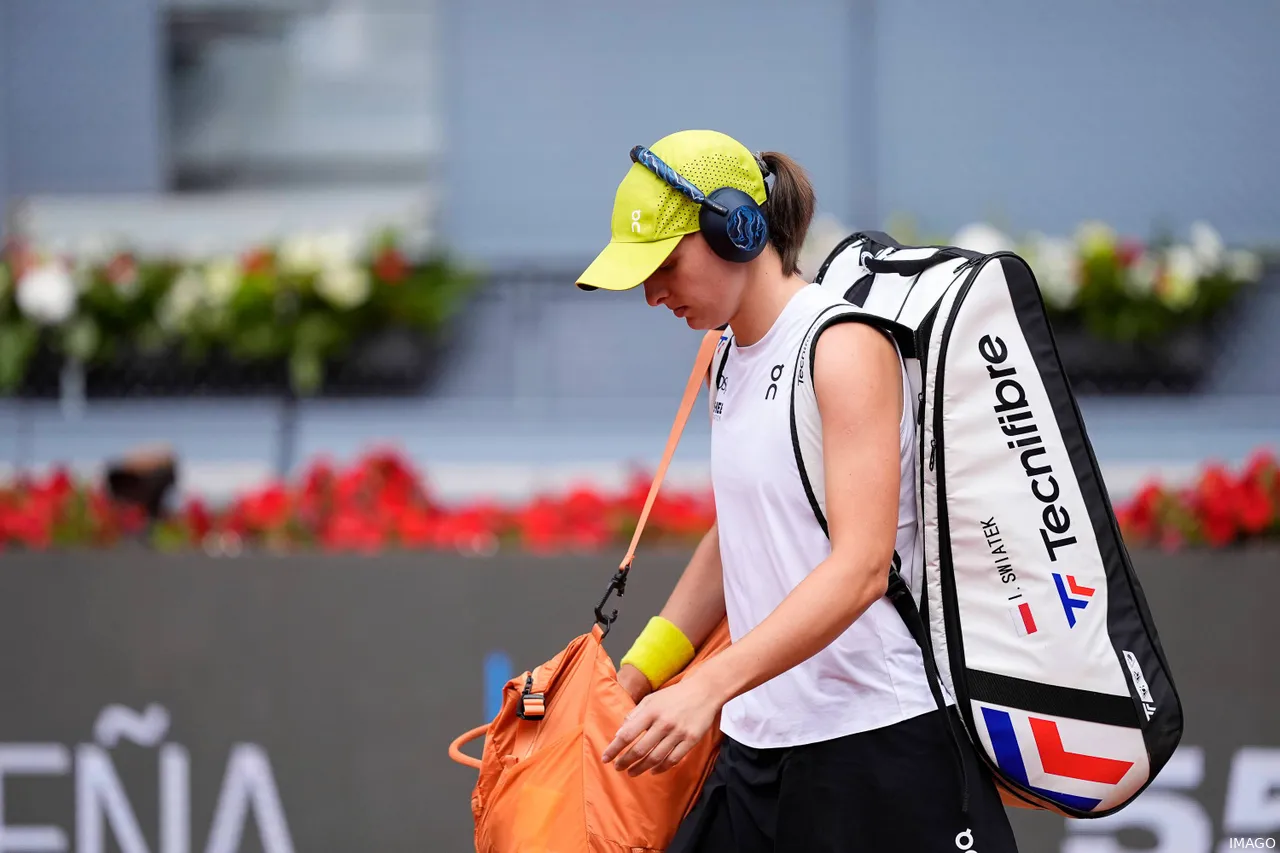
Swiatek hoisted the Wimbledon trophy after her doping hell.
She said that they'd forgot about it ultimately by the time the clay started and that she was able to focus on herself from there which she did heading into winning Wimbledon.
And honestly, everybody listened and understood. It’s hard for me to go into a press conference and explain this kind of stuff, because I feel like I should be able to deal with it myself. So writing a post like that was easier.
And yeah, I felt like it was a good idea. It made it easier to talk about it in the media before Miami, for example—and everybody understood. But they forgot about it again when the clay court season started.
But yeah, as I said, I really just tried to focus on myself. I knew what problems I needed to solve, what challenges I had to overcome—and at some point I did that. And I’m happy with my Wimbledon trophy now.
Read also
Growing up in a household where soccer was king, my earliest memories are filled with chants from packed stadiums and the rhythm of a ball being passed across neighborhood streets. But somewhere along the way, the quiet elegance and raw emotion of tennis pulled me in. What began as a curiosity became a lifelong passion; not just for the sport itself, but for the stories it tells: of grit, of heartbreak, of improbable comebacks and human resilience.
As a tennis writer, I bring the observational lens of someone who didn’t grow up in the sport, but fell in love with it as an outsider; a perspective that lets me see both its technical beauty and its emotional depth. Over the years working with TennisUpToDate, I’ve had the privilege of reaching more than 3.5 million readers worldwide, with one of my features ranking among the site’s top three articles.
With a background in storytelling and a creative mind always searching for meaning beyond the scoreboard, I aim to craft narratives that go deeper than results and rankings. Whether it’s a rising star breaking through or a veteran fighting off Father Time, I try to capture the heartbeat behind the headlines.
claps 0visitors 0
Just In

Popular News
Latest Comments
- Two Things: 1. Stop allowing these Spoiled Trust-Fund Elitists to behave badly. Your little hand-slaps do not deter them. 2. STOP the incessantly annoying "towel wiping" nonsense!!!!
 mandoist15-10-2026
 - A healthy Qinwen may be hard to stop next season. She was already scaring her opponents before her medical leave(s). Unfortunately, Zheng insisted on singing again. On the positive side -- Mirra did not sing!! ;~}mandoist11-10-2026
- Where is it written that athletes, entertainers... People in general... are mandated to keep looking at -- or even using [anti]Social Media? Public & private figures consistently complain and reveal their concerns about negativity and violence thrown at them -- yet they insist on participating. Avoid it, don't use it, don't read it. It's okay to occasionally look up at the World instead beating your eyes & thumbs to death on The Inventions out there.mandoist11-10-2026
- great articlestennisseserver07-10-2026
- Medvedev was leading Djokovic 7-5, 3-5 when an attempted return..' NO you ignorants, Djokovic was leading .weiss05-10-2026
- No more bullshit "Wildcards" to these two. Qualify like everyone else -- there will be cameras there, too. Time to scream... WTF ????!!!!mandoist29-09-2026
- Let's not BS the general public -- Sabalenka started showing cracks in her game last season. Her losses and near-losses started at about the same time she began being distracted by Fame (constant Selfies, making TV commercials, magazine shoots, endless Social Media nonsense, etc., etc.) One would think even Saba could recognize the parallels with others who failed before her -- Raducanu, Giorgi, Bouchard to name a few.mandoist25-09-2026
- Gross!! Hey Raducanu, Giorgi, and Bouchard -- reserve a seat at your Social Media Selfie table for Saba + Naomi. They're heading in your direction soon enough.mandoist24-09-2026
- And then these same players will complain about how lengthy their season’s were and need more time-off. I’m all for more tennis but the amount of tennis we get now is actually kind of crazy! We all need a break, especially the players.DaveyWavey23-09-2026
- You should do a comparison article for "different kinds of justice" the courts decide for tennis players. I can think of at least three players who received very small bans of a few months, however Tara Moore has been fighting for her literal survival the past few years. It seems odd considering she is not a "name" player, unlike the other cases.DaveyWavey22-09-2026

Loading