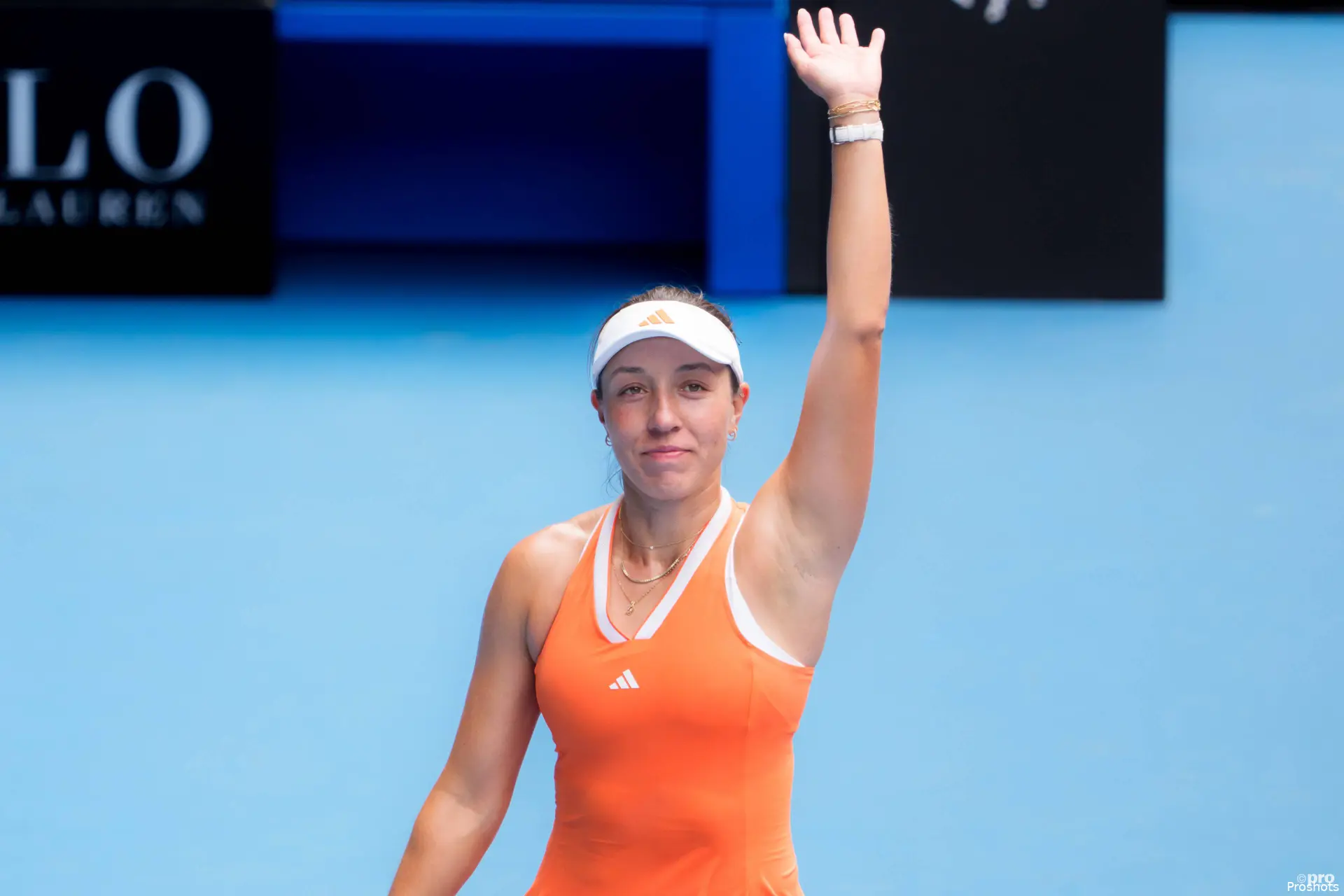
Jessica Pegula offered a detailed look into the mental and tactical challenges behind her latest win at the Charleston Open, shifting the focus away from the result and toward the process. The World No. 4 and top seed advanced after a 3-hour, 10-minute battle against Yulia Putintseva, but her post-match reflections revealed a performance shaped by uncertainty rather than control.
Pegula’s victory extended a strong trend in deciding sets, improving her to 7-1 in three-set matches this season and 16-4 since the US Open. However, this was her longest tour-level win, surpassing previous endurance tests and highlighting a recurring pattern: matches where she is forced to problem-solve in real time rather than dictate from the outset.
Facing Putintseva on clay for the first time added a layer of complexity. Pegula described it as a “terrible matchup,” particularly given the Kazakhstani’s ability to disrupt rhythm with high, looping balls and constant variation. Combined with windy conditions and uneven lighting, the match became less about execution and more about adaptation under pressure.
Rather than presenting a controlled performance, Pegula’s account centred on moments where her game broke down. She acknowledged feeling out of sync early, struggling to apply known patterns and questioning her decisions during extended rallies—an experience that framed the match as a test of resilience rather than dominance.
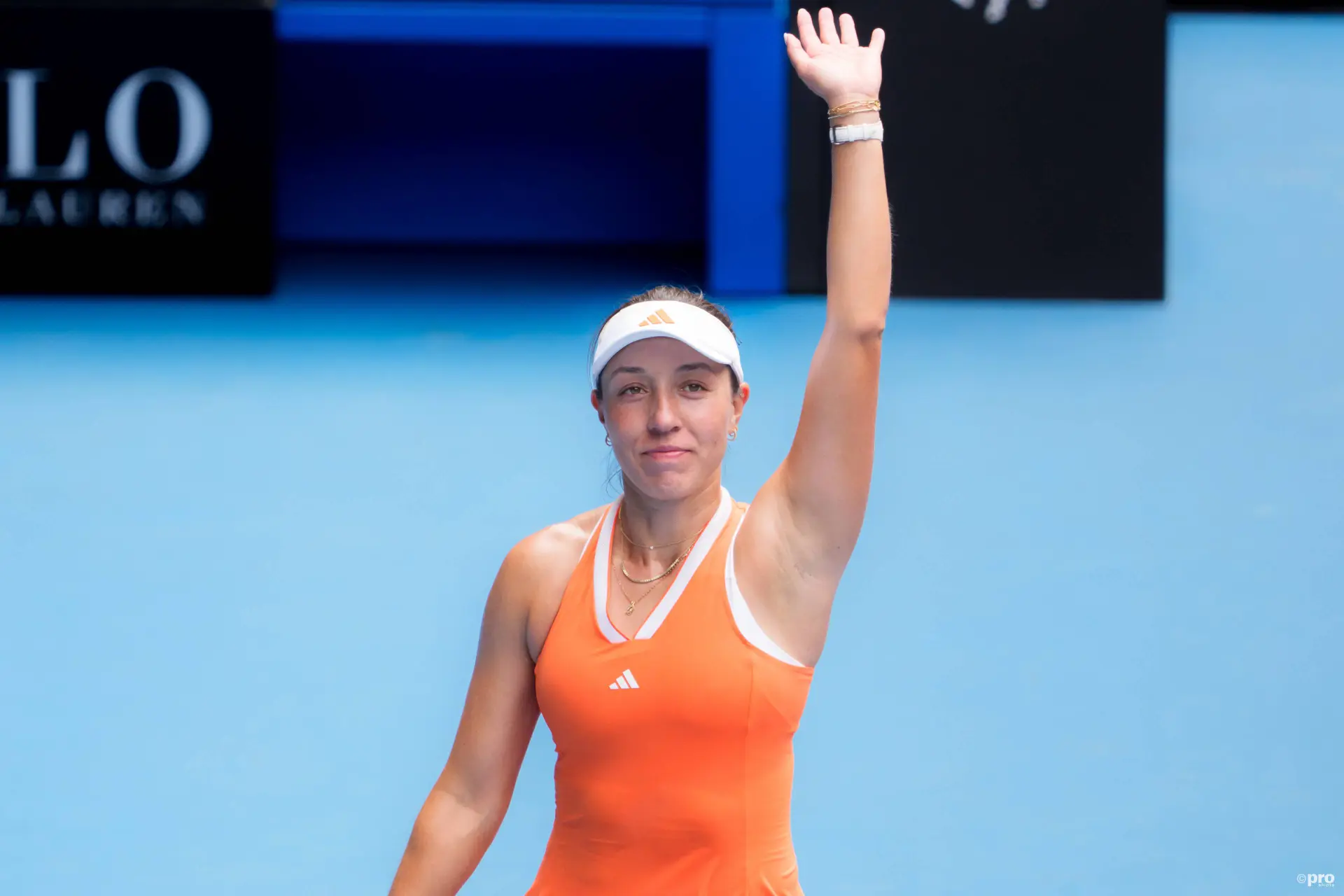
“I had a panic moment”: navigating loss of control
Pegula identified a clear turning point early in the second set, describing it as a “panic moment” when her usual patterns failed to produce results. Despite recognising what her opponent was doing, she found herself unable to execute the responses she had planned, leading to mounting frustration and uncertainty.
“I had a bit of a panic moment at the beginning of the second set. I was frustrated because it felt like nothing I was doing was working. I knew the patterns she was playing against me, but I couldn’t quite solve it. I was missing a lot of balls trying to execute my own patterns.”
This phase reflected a broader struggle with control, as Pegula noted how external conditions compounded the tactical challenge. The wind and shadows made it difficult to judge high balls, while Putintseva’s style forced constant decision-making about when to step in or stay back, increasing the margin for error.
“She was playing really well. She’s tough—hitting high, loopy balls. It was windy, and there were shadows on one side of the court. It made it difficult with those high balls. I wanted to take some out of the air, but it’s hard to judge them when they’re that high and the wind moves them around. You start second-guessing yourself and feel out of position.”

Adjustment through commitment and controlled aggression
The shift in momentum came not from a technical overhaul but from a change in intent. Pegula pointed to increased commitment in her shot selection, particularly on return, where she began to take more initiative and reduce the reactive nature of the exchanges.
She described how being “more aggressive on returns” allowed her to establish better positioning in rallies, even without a reliable serve. Although she admitted it was “the worst match I’ve served all year,” improved placement helped her avoid immediate pressure and build points more effectively.
“I started returning better and being more aggressive on my returns, which set me up in the point a lot better. I didn’t serve that well throughout the whole match, but I found better spots that helped me not get in trouble to start the point.”
Beyond the immediate adjustments, Pegula framed the match within the broader context of her clay-court transition. She emphasised that she is not aiming to become a traditional clay-court player, instead prioritising the integration of her hard-court strengths while making selective adaptations.
“I want to bring the things I’ve improved on hard courts into clay. At the end of the day, I’m not going to play like a traditional clay-court player. I’ll still take the ball early and change direction. I don’t want to move away from that.”


Cristhián AvilaTennis Journalist
Cristhián Ávila is a tennis journalist based in Santiago, Chile, and has been part of the TennisUpToDate team since early 2023. He covers the ATP and WTA Tours as well as all four Grand Slams, producing breaking news, match reports, analysis, and regular liveblogs from major tournaments.
His reporting combines statistical analysis with clear explanation, helping readers understand tactical developments, player form, and broader storylines across the tour. Working fluently in both Spanish and English, Cristhián collaborates with an international editorial team and contributes to comprehensive global coverage. As part of his work, he has conducted interviews and media interactions with leading figures in the sport, including Caroline Wozniacki and John McEnroe.
In his journalism, Cristhián places strong emphasis on careful sourcing, editorial accuracy, and updating articles promptly when new, verified information becomes available. His coverage is grounded in research, context, and direct engagement with professional tennis.
claps 0visitors 0
Just In


Popular News


Latest Comments
- Does Sinner need that 4.5 mil? I doubt it. He can make that with three modelling gigs!😅🤣Rapunzel21-10-2026
- Did "People Magazine" purchase this website? This nonstop storyline is bullshit.
 mandoist21-10-2026
 - Listen... this is of no concern to anyone but these two. Deal with your own issues -- most of us have our own. Thanks, media, for these insignificant follow-ups which are meaningless.mandoist21-10-2026
- This is so very very sad, for all three of them. I truly thought they had an unbreakable bond, but life throws up so many differing challenges. Having your homeland suffering in such a terrible way, makes happiness lose out to guilt as well. Our thoughts are with them. X💔bjsexton20-10-2026
- I have lost all respect for Svitolina! Could she not have waited until he had played at the Paris Masters!!! She is selfish and don't give a damn about Gael. That is NOT how love is demonstrated Elina!!Rapunzel19-10-2026
- Perhaps convenient tennis tour sex is not a strong enough experience in which to base a marriage?mandoist19-10-2026
- Fight the Good Fight... Tennis (sports in general) need more Humans such as yourself.mandoist18-10-2026
- When is WTA going to mandate Genetic Testing (DNA) ???mandoist18-10-2026
- Hey, Dan... you just wake up from a coma? Regardless -- Thanks for the comedy this morning!mandoist18-10-2026
- Two Things: 1. Stop allowing these Spoiled Trust-Fund Elitists to behave badly. Your little hand-slaps do not deter them. 2. STOP the incessantly annoying "towel wiping" nonsense!!!!mandoist15-10-2026

Loading