
Anna Kalinskaya advanced to the fourth round of Roland-Garros 2026 after a physically demanding victory that tested her endurance in extreme heat conditions on the Paris clay.
The No. 22 seed overcame Camila Osorio in the third round, extending her winning start in Paris after earlier victories over Lois Boisson and Alina Korneeva. The match carried ranking points and prize implications typical of the second Grand Slam of the season, with Kalinskaya entering as the cleaner statistical and betting profile after two controlled performances.
Osorio, however, arrived in form after eliminating Ekaterina Alexandrova and surviving a three-set battle against Yulia Putintseva, ensuring the matchup was more balanced than pre-match projections suggested. Kalinskaya’s progression keeps her on course for a last-16 meeting with Anastasia Potapova.
The Russian described a match defined less by tactical nuance alone and more by environmental strain, repeatedly pointing to the impact of heat on her physical state and recovery during the contest.
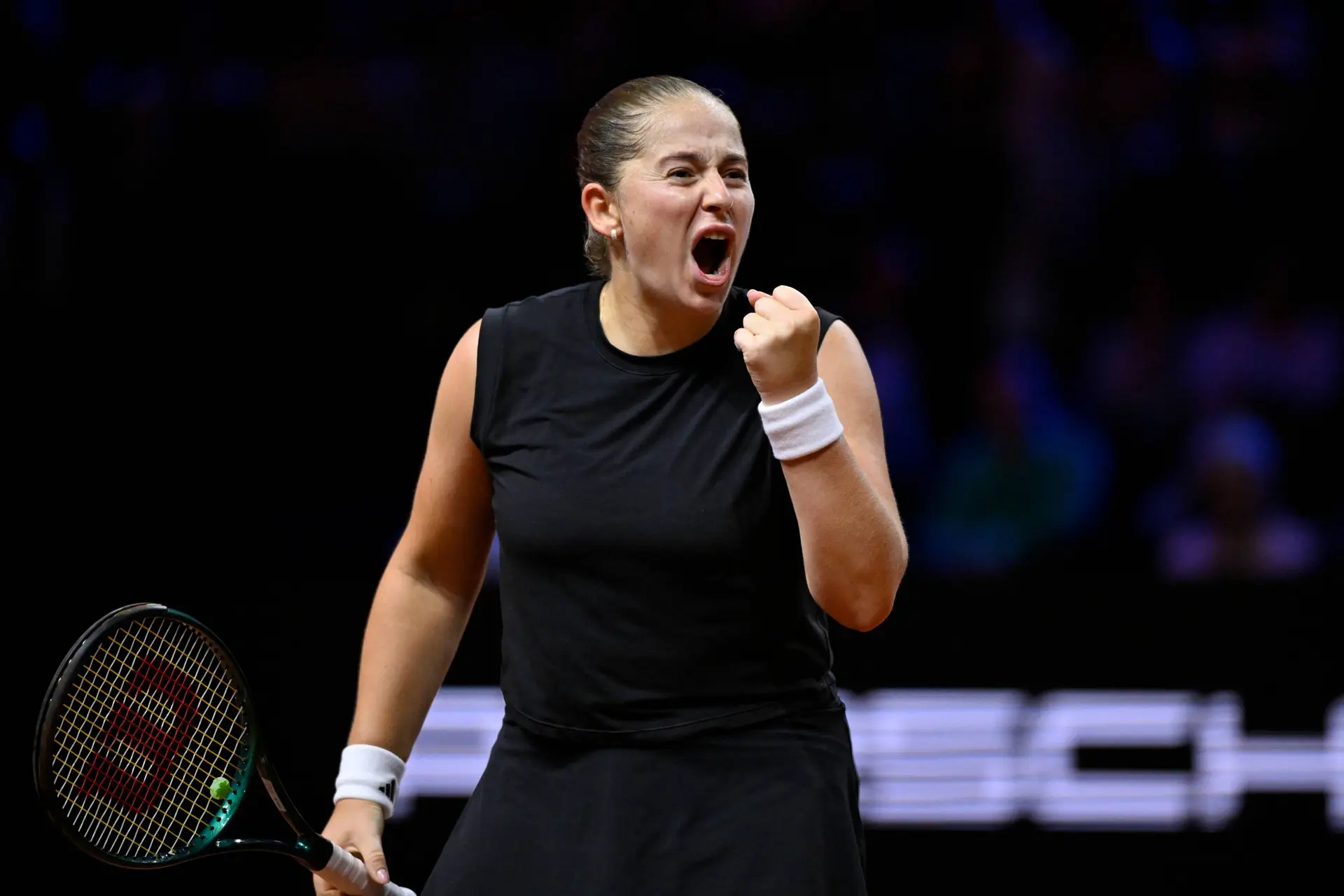
Physical strain and mid-match medical intervention
Kalinskaya’s most significant challenge during the match was not her opponent but the conditions, which she described as progressively draining her energy from the end of the opening set.
She revealed that she began to struggle physically early and required intervention after a steep decline in her condition, including a medical timeout during the second set. Her description highlighted how quickly momentum can shift under extreme heat at Roland-Garros.
“Yeah, I started to feel very hot and started to feel my energy was going down in the end of the first set," Kalinskaya said to Tennis Channel. "I didn't finish the first set on my serve. I had a couple of set points. Luckily, I could break her to finish it.”

She added that recovery measures during the match were only partially effective, forcing her to rely on gradual physiological reset rather than immediate relief.
“I took a break going to the bathroom, but it didn't help too much. I started to feel worse and worse. At 4-0, unfortunately, I had to see the doctor and call the physio. It took me some time to recover, but in the third set I started to feel better and more cool. I had a lot of ice drinks and, little by little, I started to recover and start to play my tennis again.”
The interruption proved decisive in shifting the physical trajectory of the match, but Kalinskaya still had to manage residual fatigue through the closing stages.
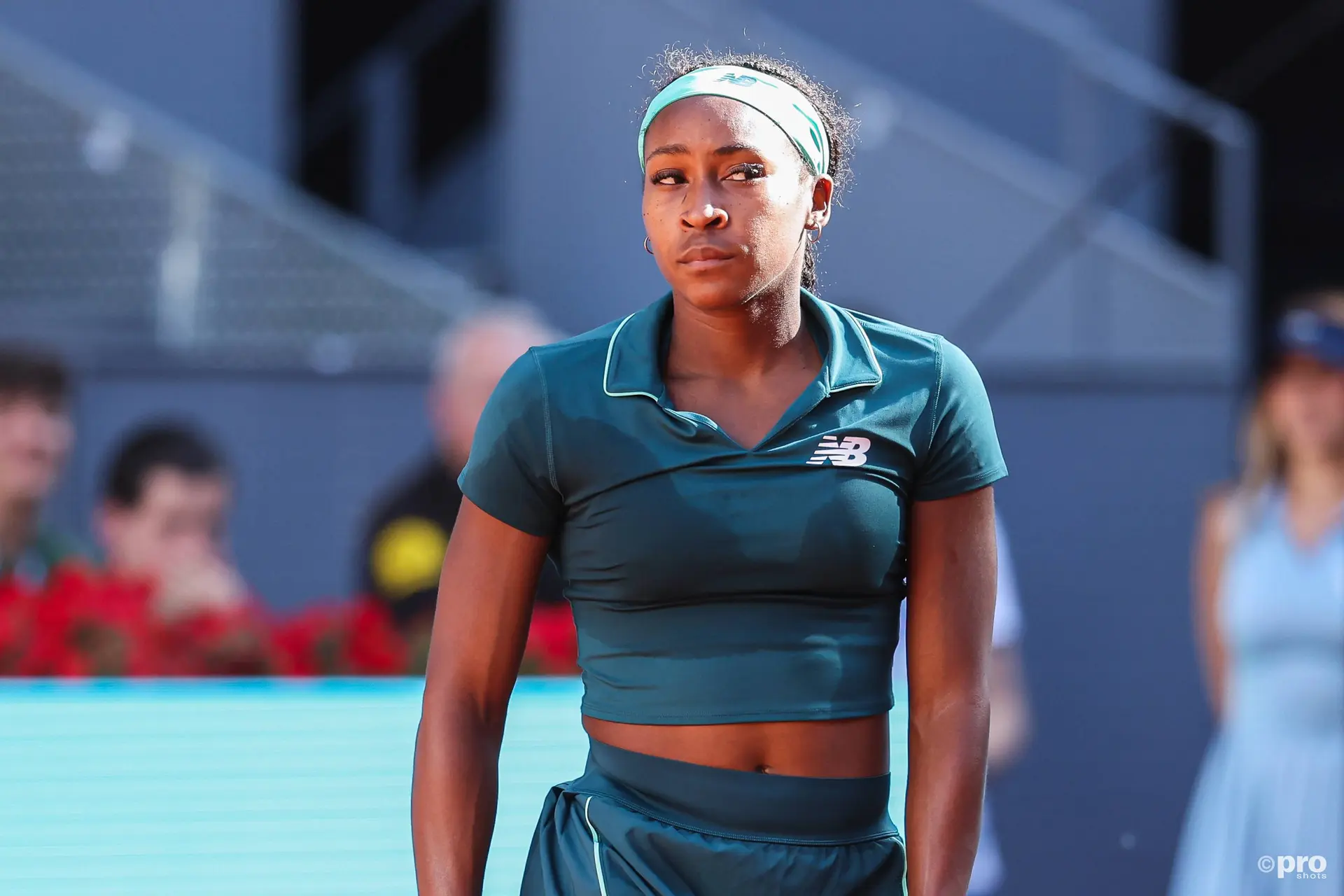
Tactical adaptation, net play and experience advantage
Once physically stabilised, Kalinskaya adjusted her tactical approach, shortening points and increasing early aggression, particularly against an opponent who traditionally prefers extended exchanges.
She noted that under the conditions, point construction had to be modified, with emphasis placed on early ball striking and limiting defensive movement. “I had to be very smart to know which moment I had to be more patient, but in general I tried to make it as short as possible. Even with her on clay, it's very difficult, but I'm glad I could take the ball early to move her more than me running around.”
Read also
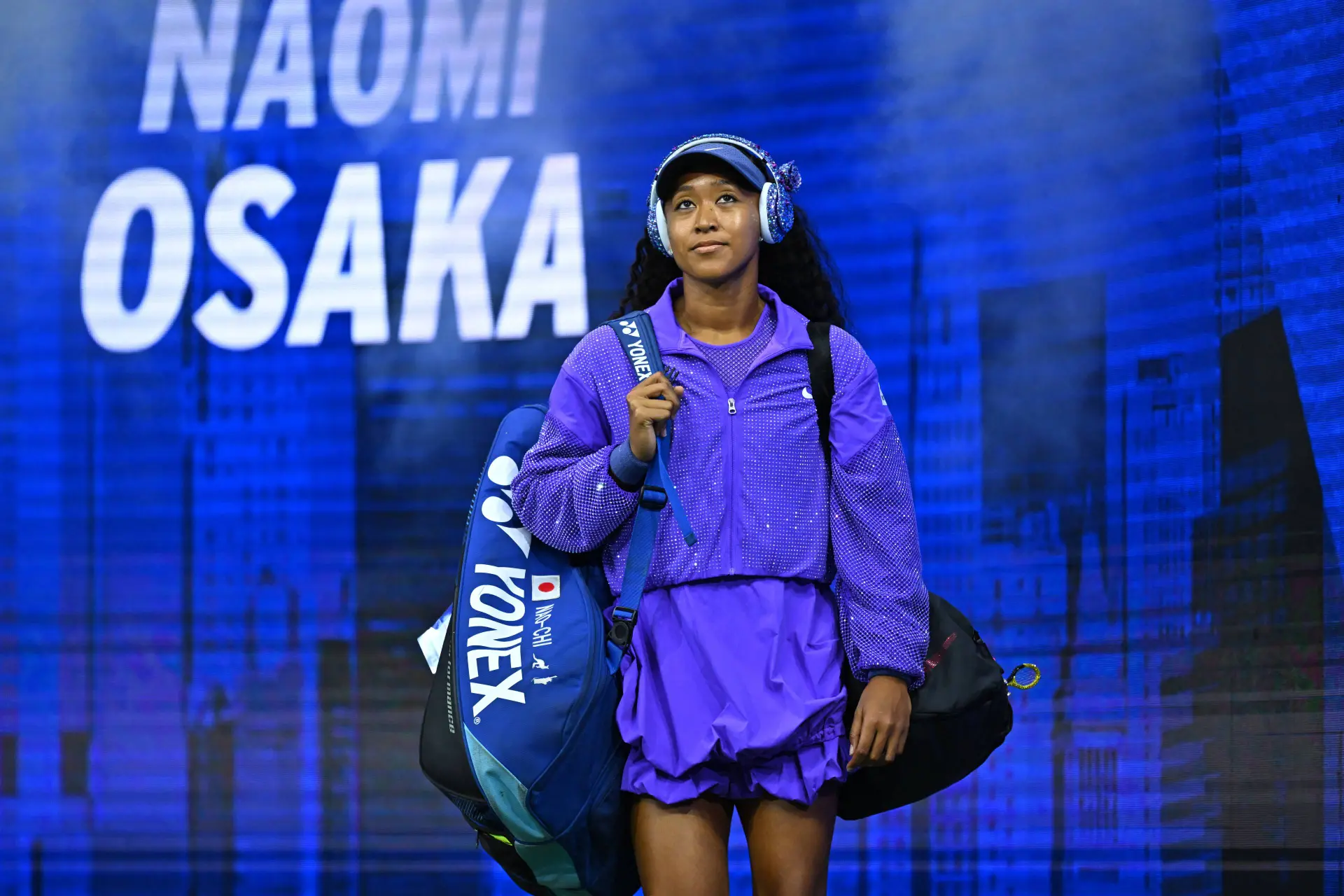
A key feature of her performance was net usage, coming forward 18 times, a relatively high figure for a clay-court match. Kalinskaya framed this as part of a broader identity shift. "I think not only in this tournament, but in general for my game. I like to play aggressive and with confidence. If I have a short ball to come to the net, it's definitely the key.”
She also referenced her experience on tour as a stabilising factor in managing difficult conditions and momentum swings, highlighting routine, recovery, and self-management as central to her progression in major tournaments.
“I mean, just being on tour already with experience, I feel like it's an advantage," she added. "You know how to handle situations better. Every player is difficult, but you just know yourself better, I guess, with years being on tour and how to recover better and just have a better routine.”
Off court, Kalinskaya also highlighted the presence of her little dog Bella in Paris, describing both the emotional support and logistical challenge of managing family conditions during extreme weather. She noted limited training exposure for her daughter due to heat.
“Yes, it's super hot for her. Today I was really worried because so far she was in every match. And every day it's been hot. I try to, I mean, I don't take her to practice with me because then it's too much sun. But yeah, she's the best. She still wants to run on the court with me, even with this heat. But yeah, she's a lot of support and a lot of love.”

Cristhián AvilaTennis Journalist
Cristhián Ávila is a tennis journalist based in Santiago, Chile, and has been part of the TennisUpToDate team since early 2023. He covers the ATP and WTA Tours as well as all four Grand Slams, producing breaking news, match reports, analysis, and regular liveblogs from major tournaments.
His reporting combines statistical analysis with clear explanation, helping readers understand tactical developments, player form, and broader storylines across the tour. Working fluently in both Spanish and English, Cristhián collaborates with an international editorial team and contributes to comprehensive global coverage. As part of his work, he has conducted interviews and media interactions with leading figures in the sport, including Caroline Wozniacki and John McEnroe.
In his journalism, Cristhián places strong emphasis on careful sourcing, editorial accuracy, and updating articles promptly when new, verified information becomes available. His coverage is grounded in research, context, and direct engagement with professional tennis.
claps 0visitors 0
Just In

Popular News
Latest Comments
- Does Sinner need that 4.5 mil? I doubt it. He can make that with three modelling gigs!😅🤣Rapunzel21-10-2026
- Did "People Magazine" purchase this website? This nonstop storyline is bullshit.
 mandoist21-10-2026
 - Listen... this is of no concern to anyone but these two. Deal with your own issues -- most of us have our own. Thanks, media, for these insignificant follow-ups which are meaningless.mandoist21-10-2026
- This is so very very sad, for all three of them. I truly thought they had an unbreakable bond, but life throws up so many differing challenges. Having your homeland suffering in such a terrible way, makes happiness lose out to guilt as well. Our thoughts are with them. X💔bjsexton20-10-2026
- I have lost all respect for Svitolina! Could she not have waited until he had played at the Paris Masters!!! She is selfish and don't give a damn about Gael. That is NOT how love is demonstrated Elina!!Rapunzel19-10-2026
- Perhaps convenient tennis tour sex is not a strong enough experience in which to base a marriage?mandoist19-10-2026
- Fight the Good Fight... Tennis (sports in general) need more Humans such as yourself.mandoist18-10-2026
- When is WTA going to mandate Genetic Testing (DNA) ???mandoist18-10-2026
- Hey, Dan... you just wake up from a coma? Regardless -- Thanks for the comedy this morning!mandoist18-10-2026
- Two Things: 1. Stop allowing these Spoiled Trust-Fund Elitists to behave badly. Your little hand-slaps do not deter them. 2. STOP the incessantly annoying "towel wiping" nonsense!!!!mandoist15-10-2026

Loading