“I have the plan in my head”: Mirra Andreeva details mental structure behind Roland-Garros success
WTA
Mirra Andreeva reached the Roland-Garros quarterfinals in Paris after a Round of 16 victory that reinforced her status as a consistent presence in the second week of the tournament. The Russian player described a performance built around control and error reduction.
The win marked her third consecutive quarterfinal appearance at Roland-Garros, continuing a pattern that has defined her progression at the clay-court Grand Slam. The result places her again among the most stable performers in the women’s draw across recent editions.
Andreeva’s best result at the event remains her 2024 semifinal run, where she reached the last four and established herself at the top level of the competition. In 2026 she has again moved into the quarterfinal stage while dropping only one set on her way through the early rounds.
Her run to this stage has included victories over Fiona Ferro, Marina Bassols Ribera, Marie Bouzková and Jil Teichmann. The 19-year-old framed her latest win around focus and discipline, particularly in relation to earlier matches in the tournament where error counts were higher.
Controlled execution and match discipline
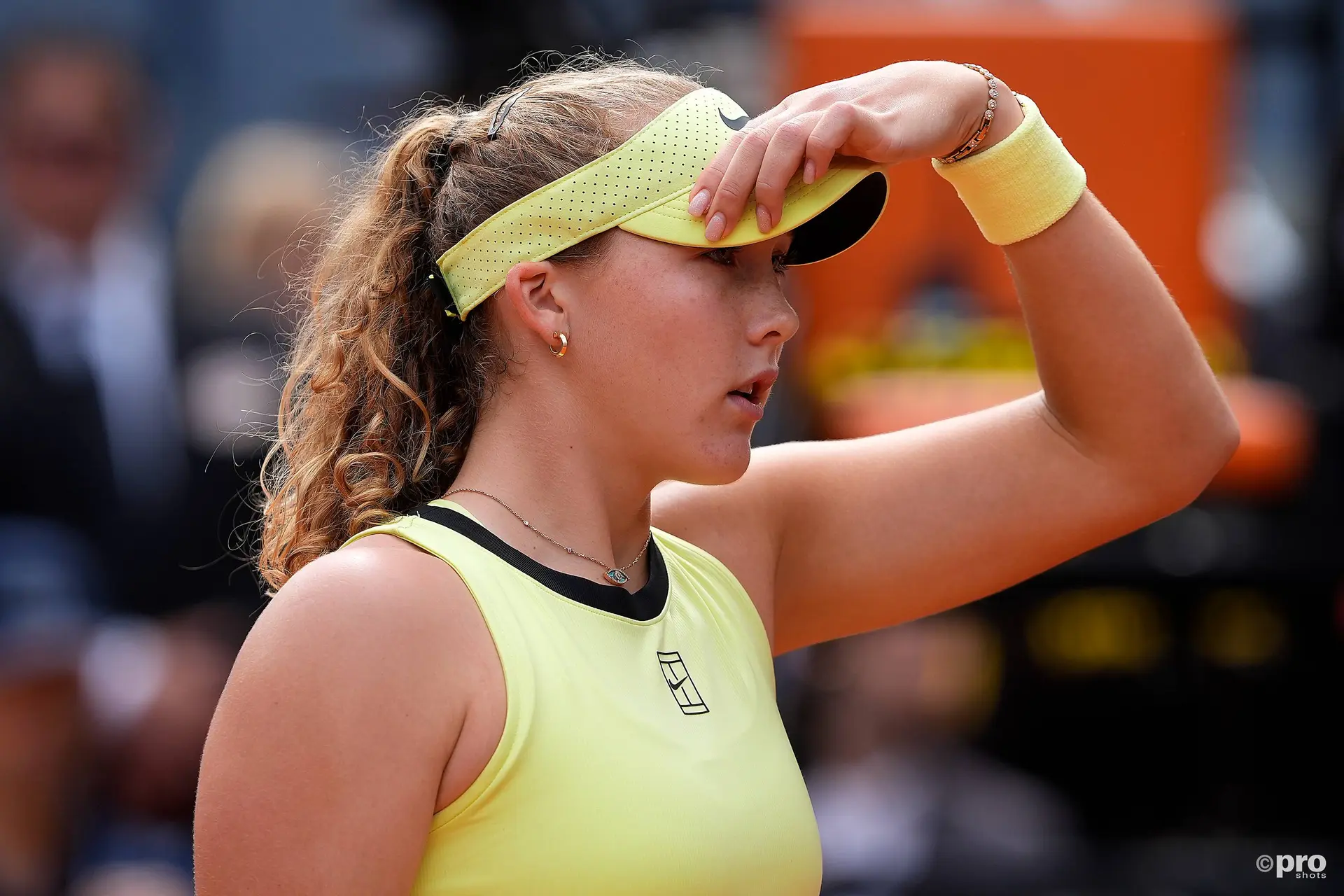
Mirra Andreeva said her performance at French Open was defined by sustained focus and a deliberate reduction in mistakes. She described the match as a response to previous inconsistencies in the opening rounds.
“I was very focused throughout the whole match,” Andreeva said in press conference. “I told myself that I cannot allow myself to make so many mistakes as I made in the previous matches, so I was extra focused today, tried to be aggressive, and I'm super happy with the level that I put on the court today.”

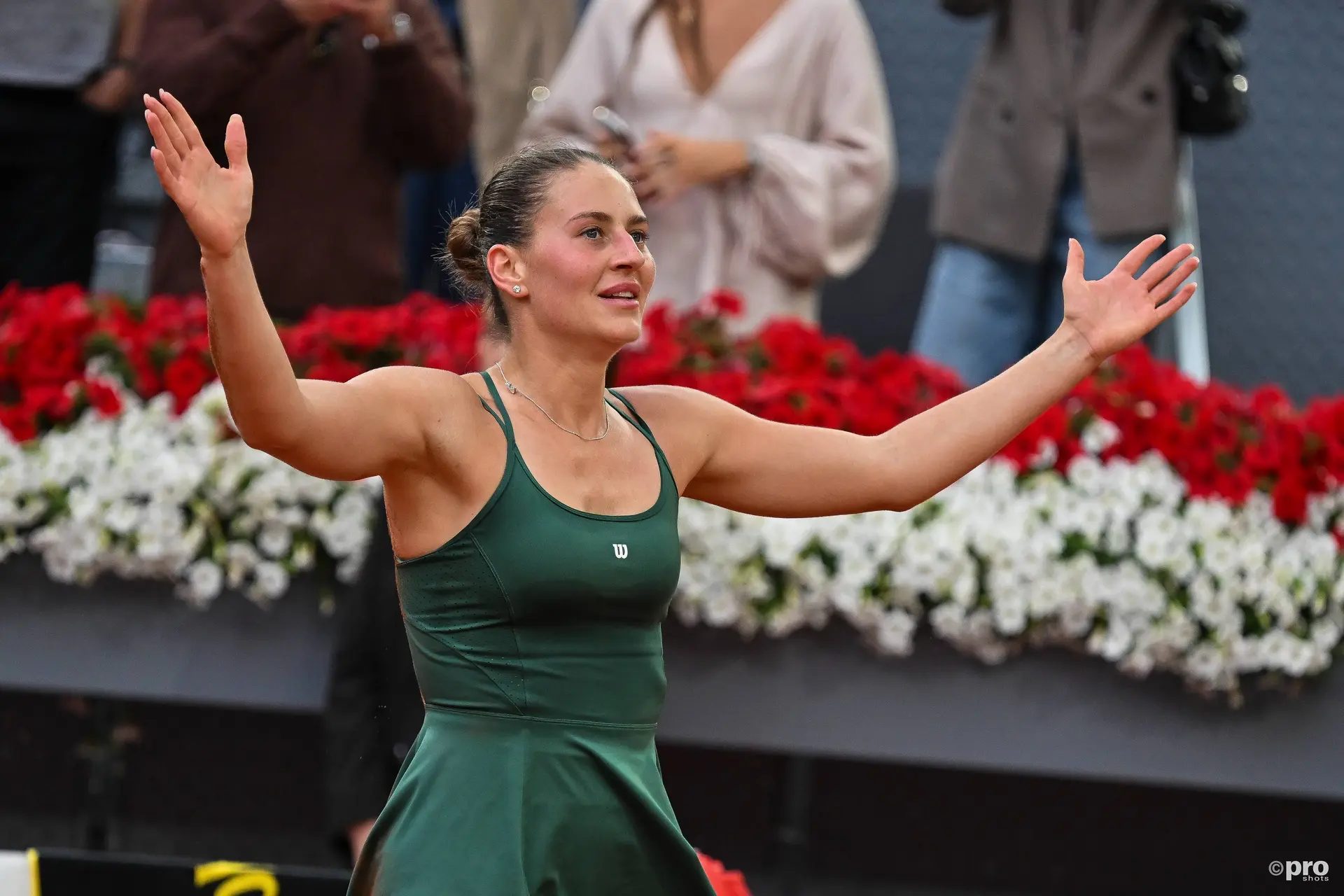
Mirra Andreeva of Russia reacts during the match against Antonia Ruzic of Croatia at the Internazionali BNL d'Italia 2026 tennis tournament
Andreeva also highlighted how she is managing in-match disruption, particularly when opponents shift momentum or when conditions change the rhythm of play. “I feel like I know what to do in those moments. Maybe sometimes it doesn't work the best way, but I have the plan in my head.”
She added that this structure is not static but increasingly reliable under pressure, even if execution is still developing. The focus, she said, is on reducing hesitation during key phases of matches. “I have the plan in my head and that what I'm trying, you know, to have if something doesn't go according to the plan.”
Read also
Pressure, progression and mental structure
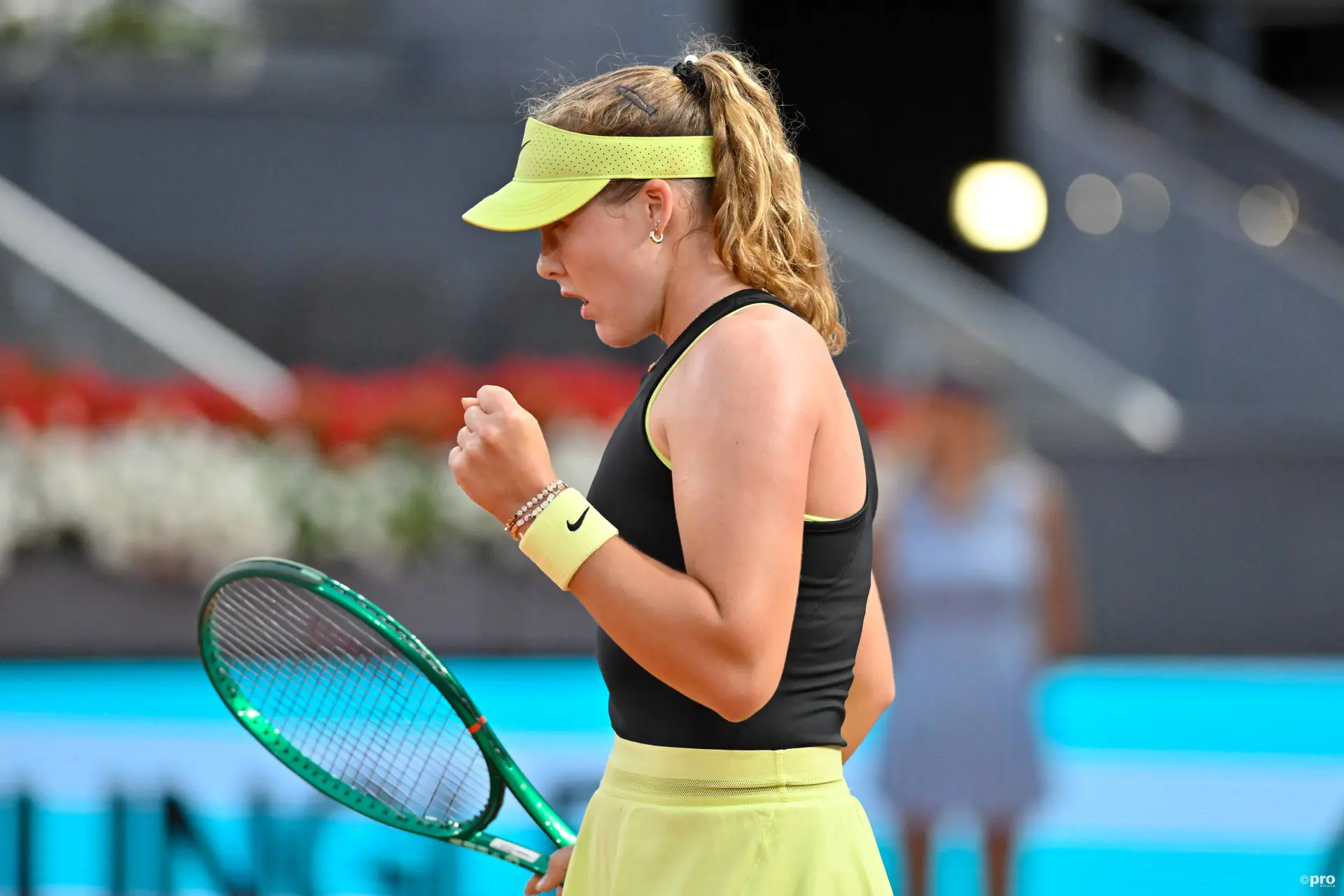
Andreeva rejected the idea that repeated deep runs at Roland-Garros 2026 are generating added pressure, instead describing a stable emotional state focused on competition itself. She said her priority remains performance quality rather than external expectations.
She also linked her current level to incremental progress over the past year, both physically and mentally, particularly in how she handles disruption during matches. “I wouldn’t say that I feel stressed or pressured in particular. I feel like I'm just super excited to be playing here and you know to be back in the quarterfinals is super special for me.”

She added that while she is aware of results and progress, her focus remains on match-by-match execution rather than long-term pressure narratives. The aim, she said, is to maintain consistency in performance output across rounds. “I really want to win more matches here and I really want to show some great tennis.”
Her route to the quarterfinals included wins over Fiona Ferro, Marina Bassols Ribera, Marie Bouzková and Jil Teichmann, a sequence that required adaptation to different playing styles but did not extend into prolonged physical contests.
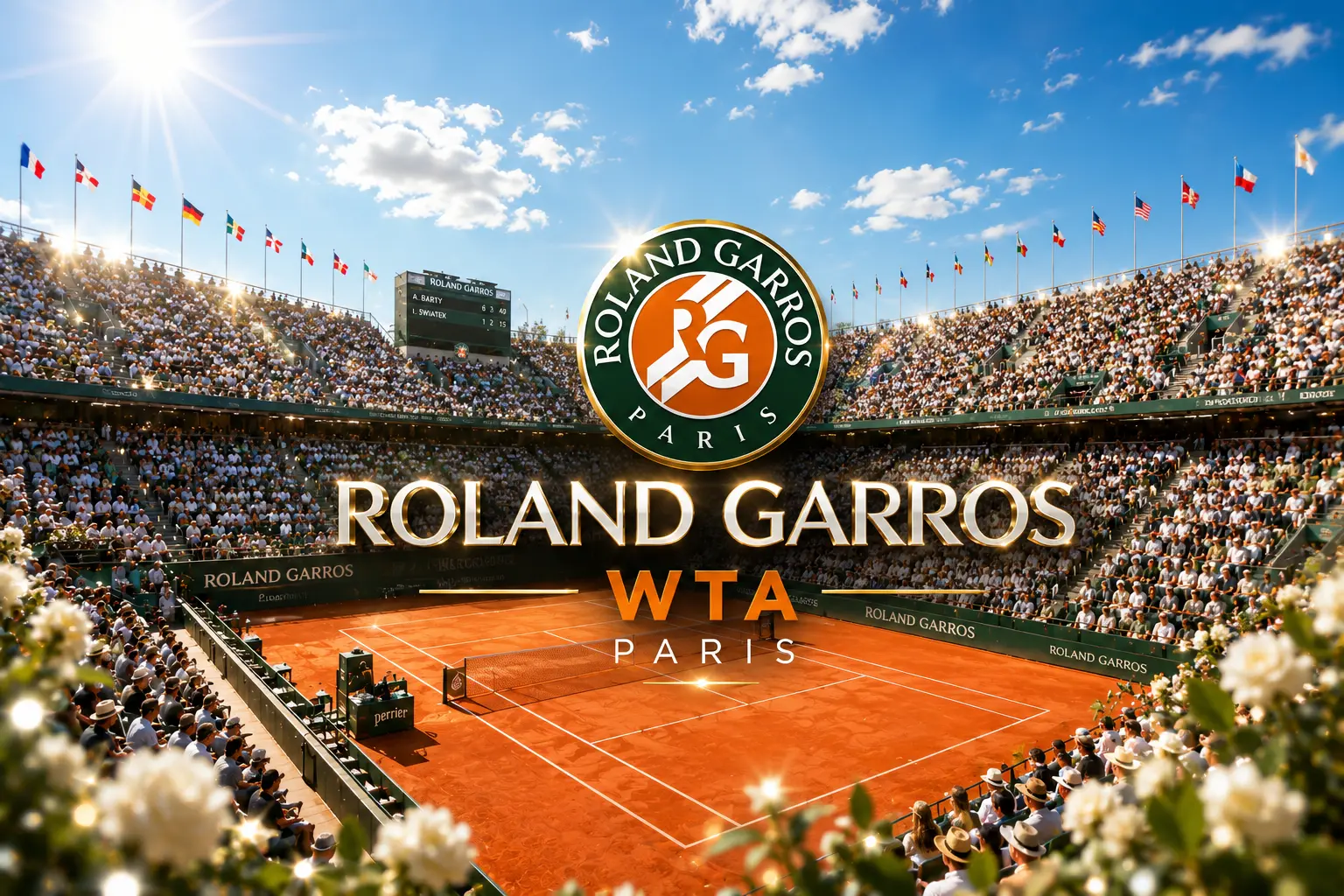
Andreeva also described mental routines used during matches to manage intrusive thoughts and maintain focus. These include visualisation techniques developed with her psychologist.
“Sometimes there are thoughts that come into your head that you cannot really control—like, “you’ve been playing so great, what if this stops,” or “what if you start missing,” or “what if she starts to play better?”
I’ve been talking to my psychologist, and she told me to imagine a big stop sign on the road, that red sign with “STOP.” So I’ve been trying to imagine that. Obviously, some breathing techniques help a lot as well, and also switching my focus a little bit.
That’s when I start to sing a song in my head, which also helps to switch things up. Different techniques like that help me on court most of the time.”

Cristhián AvilaTennis Journalist
Cristhián Ávila is a tennis journalist based in Santiago, Chile, and has been part of the TennisUpToDate team since early 2023. He covers the ATP and WTA Tours as well as all four Grand Slams, producing breaking news, match reports, analysis, and regular liveblogs from major tournaments.
His reporting combines statistical analysis with clear explanation, helping readers understand tactical developments, player form, and broader storylines across the tour. Working fluently in both Spanish and English, Cristhián collaborates with an international editorial team and contributes to comprehensive global coverage. As part of his work, he has conducted interviews and media interactions with leading figures in the sport, including Caroline Wozniacki and John McEnroe.
In his journalism, Cristhián places strong emphasis on careful sourcing, editorial accuracy, and updating articles promptly when new, verified information becomes available. His coverage is grounded in research, context, and direct engagement with professional tennis.
claps 0visitors 0
Just In

Popular News


Latest Comments
- Does Sinner need that 4.5 mil? I doubt it. He can make that with three modelling gigs!😅🤣Rapunzel21-10-2026
- Did "People Magazine" purchase this website? This nonstop storyline is bullshit.
 mandoist21-10-2026
 - Listen... this is of no concern to anyone but these two. Deal with your own issues -- most of us have our own. Thanks, media, for these insignificant follow-ups which are meaningless.mandoist21-10-2026
- This is so very very sad, for all three of them. I truly thought they had an unbreakable bond, but life throws up so many differing challenges. Having your homeland suffering in such a terrible way, makes happiness lose out to guilt as well. Our thoughts are with them. X💔bjsexton20-10-2026
- I have lost all respect for Svitolina! Could she not have waited until he had played at the Paris Masters!!! She is selfish and don't give a damn about Gael. That is NOT how love is demonstrated Elina!!Rapunzel19-10-2026
- Perhaps convenient tennis tour sex is not a strong enough experience in which to base a marriage?mandoist19-10-2026
- Fight the Good Fight... Tennis (sports in general) need more Humans such as yourself.mandoist18-10-2026
- When is WTA going to mandate Genetic Testing (DNA) ???mandoist18-10-2026
- Hey, Dan... you just wake up from a coma? Regardless -- Thanks for the comedy this morning!mandoist18-10-2026
- Two Things: 1. Stop allowing these Spoiled Trust-Fund Elitists to behave badly. Your little hand-slaps do not deter them. 2. STOP the incessantly annoying "towel wiping" nonsense!!!!mandoist15-10-2026

Loading