“If I don’t hit it an inch from the line, it’s a winner”: Madison Keys explains brutal margins on Tour
WTA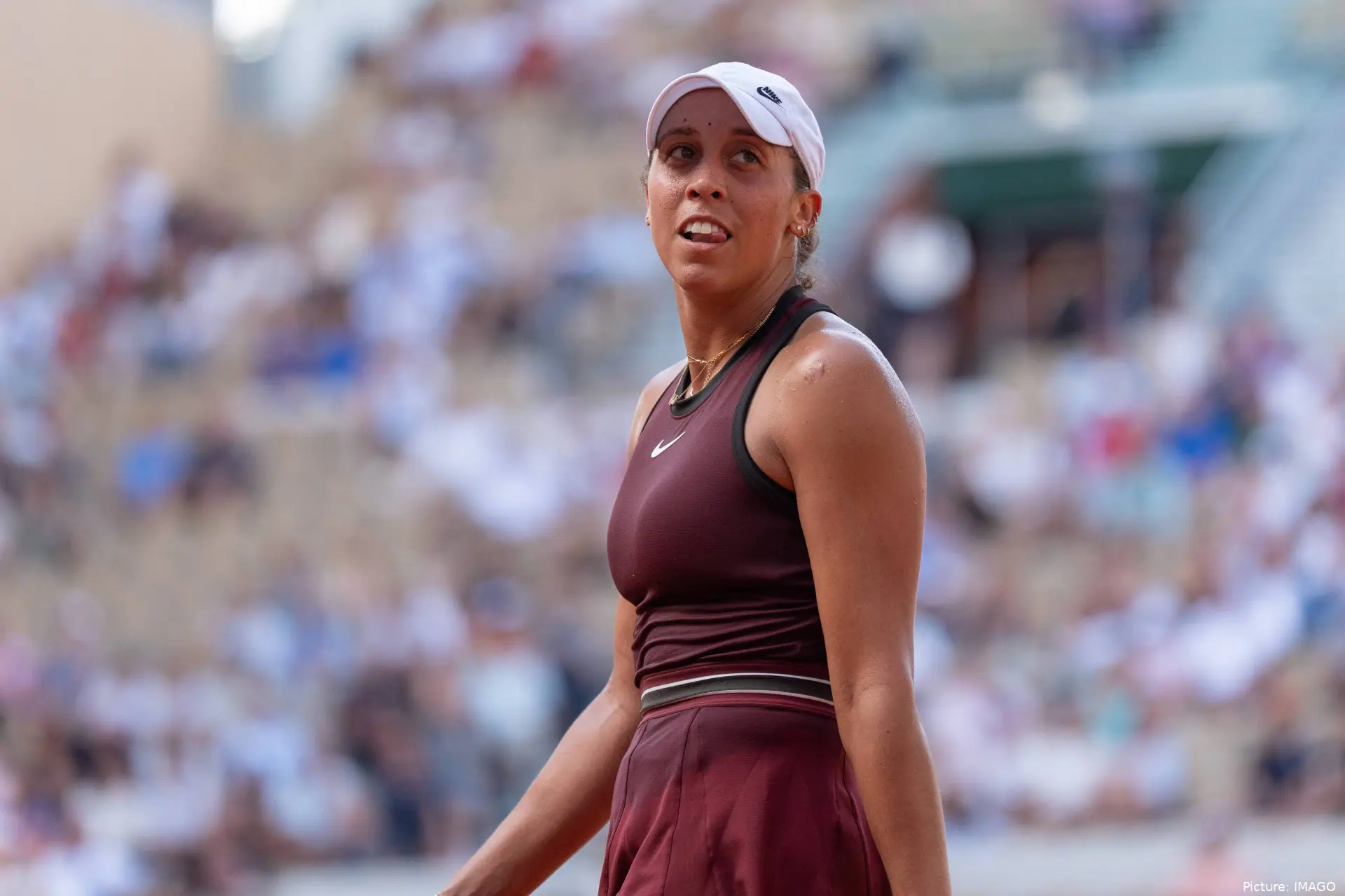
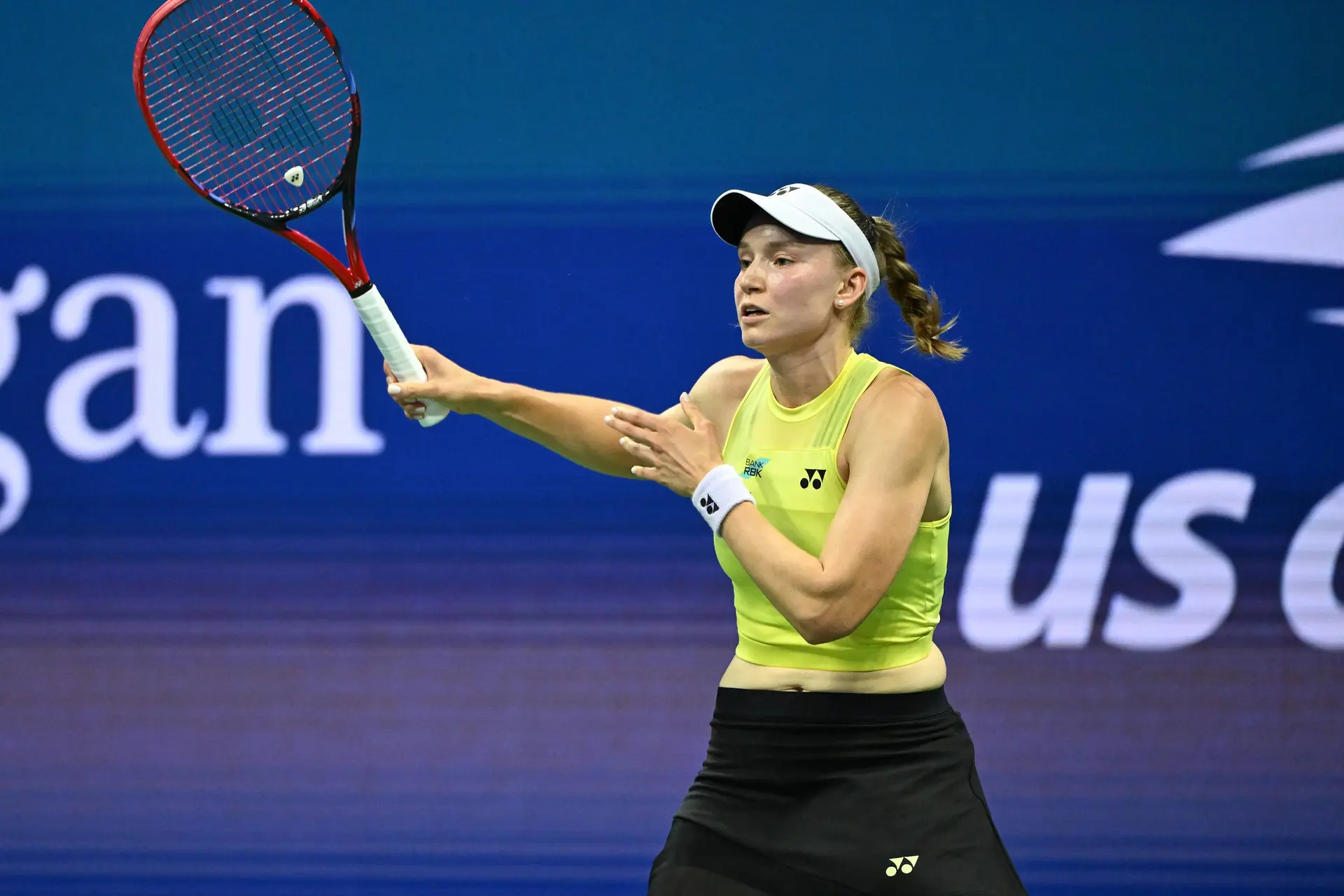
Madison Keys opened her Charleston campaign with a straight-sets win over Donna Vekic, moving into the Round of 16 where she will face Anna Bondar. It was a controlled start from the American, who remains a consistent presence inside the WTA Top 20 and continues to build on a career that has spanned more than a decade at the top level.
Charleston has long been one of her most reliable stops. A former champion at the event, Keys has repeatedly produced strong runs on the green clay, a surface she grew up playing on in the United States. That familiarity showed early against Vekic, she broke four times to take the victory 6-2, 6-3.
The match itself was relatively straightforward, but her post-match comments pointed in a different direction. Rather than focusing on the win, Keys spoke about how difficult it has become to separate players on tour, highlighting a shift that has changed how matches are played and decided.
That perspective framed everything that followed. For Keys, the biggest change is not tactical variety or surface differences, but how little margin there is in almost every exchange.

“Everyone is so good now”: no easy patterns anymore
Keys made it clear that one of the biggest differences she feels now is how hard it is to find a safe pattern in tight moments. Matches are no longer about exposing a clear weakness or waiting for a drop in level. Most players are comfortable in rallies and capable of turning defence into attack without much warning.
That has changed how she approaches points, especially under pressure. Instead of looking for a predictable opening, she now sees situations where execution has to be precise from the start, because anything slightly off can immediately cost her the point.
“I think it’s really becoming a lot of the little things," she said to Tennis Channel. "Everyone is so good now. No one really has any sort of glaring weakness that you feel like, ‘Oh, in a tight point I’ll just go there.’ If I don’t hit it an inch away from the line, they’re going to hit a winner on me.”
It is a shift that leaves less room for patience. Even on clay, where rallies traditionally develop more slowly, Keys sees fewer opportunities to reset or wait for errors. The baseline level across the tour has made that approach increasingly risky.
“You have to go out and take it”: a more aggressive reality
That change in margins has also influenced the mindset Keys brings into matches. The idea of staying neutral and waiting for chances has largely disappeared, replaced by a need to take initiative whenever possible.
She pointed to a tour where players are no longer sitting back, but actively looking to dictate. That applies across surfaces, including clay, where the expectation is still to step in and control points rather than build them passively.
“No one is really on their back foot hoping that you give it to them anymore," the 2025 Australian Open champion said. "You really just have to go out and take it, and I think no matter what the surface is, that’s still the case.”


Cristhián AvilaTennis Journalist
Cristhián Ávila is a tennis journalist based in Santiago, Chile, and has been part of the TennisUpToDate team since early 2023. He covers the ATP and WTA Tours as well as all four Grand Slams, producing breaking news, match reports, analysis, and regular liveblogs from major tournaments.
His reporting combines statistical analysis with clear explanation, helping readers understand tactical developments, player form, and broader storylines across the tour. Working fluently in both Spanish and English, Cristhián collaborates with an international editorial team and contributes to comprehensive global coverage. As part of his work, he has conducted interviews and media interactions with leading figures in the sport, including Caroline Wozniacki and John McEnroe.
In his journalism, Cristhián places strong emphasis on careful sourcing, editorial accuracy, and updating articles promptly when new, verified information becomes available. His coverage is grounded in research, context, and direct engagement with professional tennis.
claps 0visitors 0
Just In


Popular News


Latest Comments
- Does Sinner need that 4.5 mil? I doubt it. He can make that with three modelling gigs!😅🤣Rapunzel21-10-2026
- Did "People Magazine" purchase this website? This nonstop storyline is bullshit.
 mandoist21-10-2026
 - Listen... this is of no concern to anyone but these two. Deal with your own issues -- most of us have our own. Thanks, media, for these insignificant follow-ups which are meaningless.mandoist21-10-2026
- This is so very very sad, for all three of them. I truly thought they had an unbreakable bond, but life throws up so many differing challenges. Having your homeland suffering in such a terrible way, makes happiness lose out to guilt as well. Our thoughts are with them. X💔bjsexton20-10-2026
- I have lost all respect for Svitolina! Could she not have waited until he had played at the Paris Masters!!! She is selfish and don't give a damn about Gael. That is NOT how love is demonstrated Elina!!Rapunzel19-10-2026
- Perhaps convenient tennis tour sex is not a strong enough experience in which to base a marriage?mandoist19-10-2026
- Fight the Good Fight... Tennis (sports in general) need more Humans such as yourself.mandoist18-10-2026
- When is WTA going to mandate Genetic Testing (DNA) ???mandoist18-10-2026
- Hey, Dan... you just wake up from a coma? Regardless -- Thanks for the comedy this morning!mandoist18-10-2026
- Two Things: 1. Stop allowing these Spoiled Trust-Fund Elitists to behave badly. Your little hand-slaps do not deter them. 2. STOP the incessantly annoying "towel wiping" nonsense!!!!mandoist15-10-2026

Loading