“She never looks comfortable or confident”: Kim Clijsters addresses the biggest problem behind Iga Swiatek’s struggles
WTAThursday, 16 July 2026 at 00:30
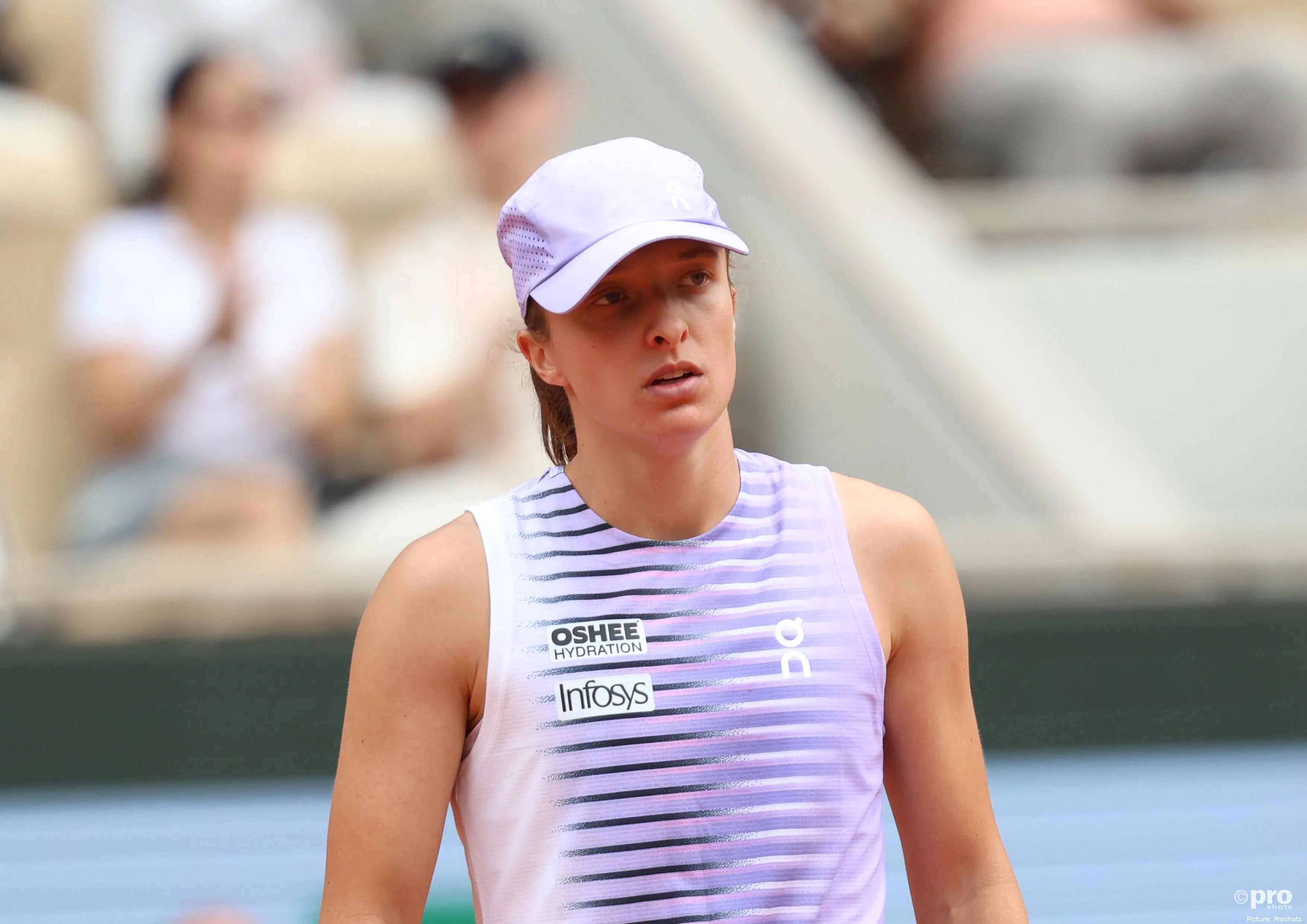
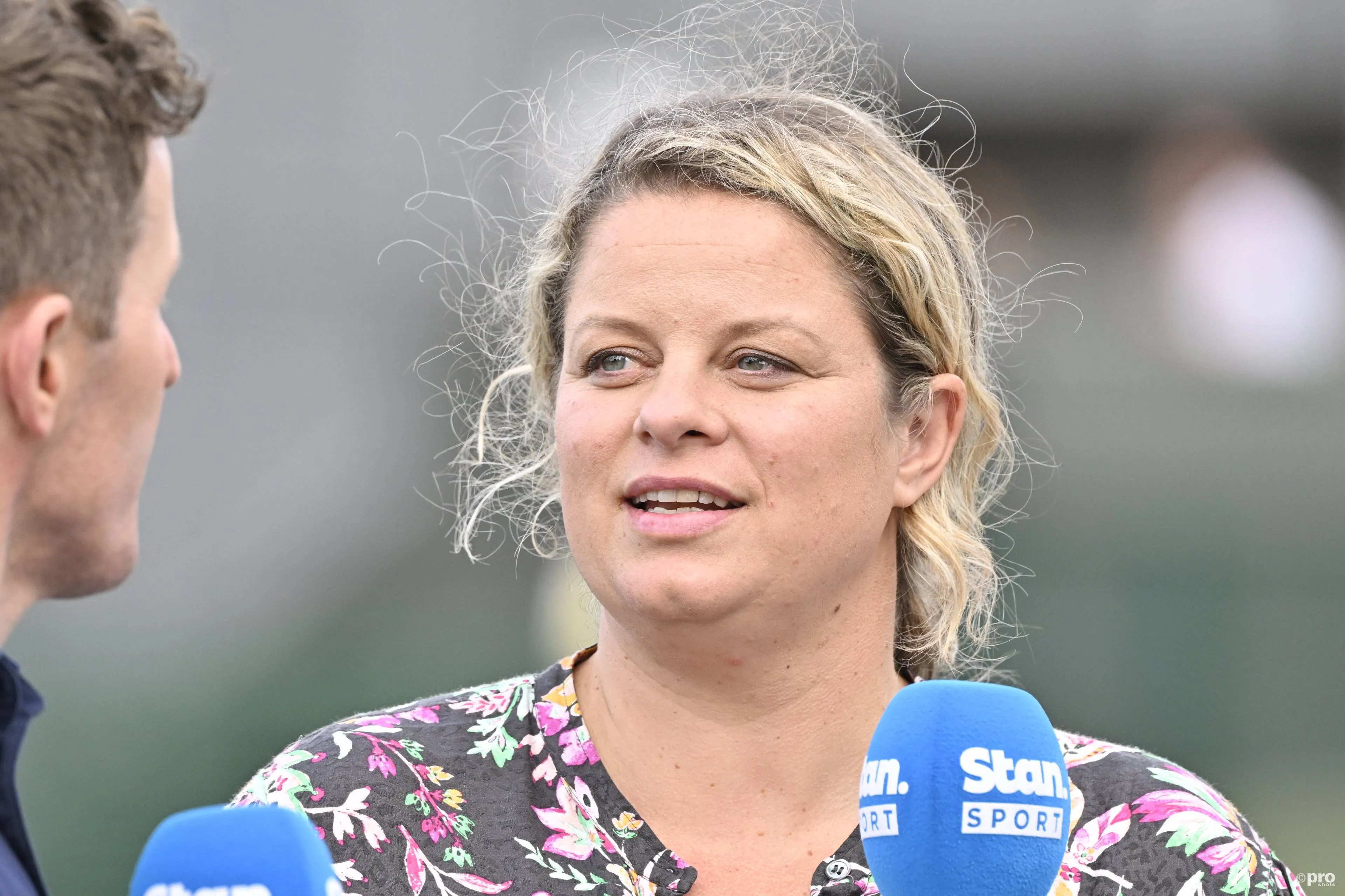
Kim Clijsters has offered her assessment of the contrasting struggles currently facing Iga Swiatek and Aryna Sabalenka, explaining why two of the biggest stars in women’s tennis have experienced difficulties away from their best level.
Speaking on the Love All Podcast, the former world No. 1 suggested that Swiatek’s problem is not a lack of ability, but the enormous pressure she appears to place on herself after years of dominance.
Swiatek’s difficult 2026 season reached another low point at Wimbledon, where the five-time Grand Slam champion suffered a major upset against Alex Eala in the third round. The Polish star arrived at the All England Club as the defending champion, but she was unable to repeat her previous success and continued a worrying stretch without a title.
The defeat against Eala extended a frustrating period for Swiatek, who has not lifted a trophy since the Korea Open back in October 2025, as she has struggled to reproduce the consistency that made her the dominant force on tour.
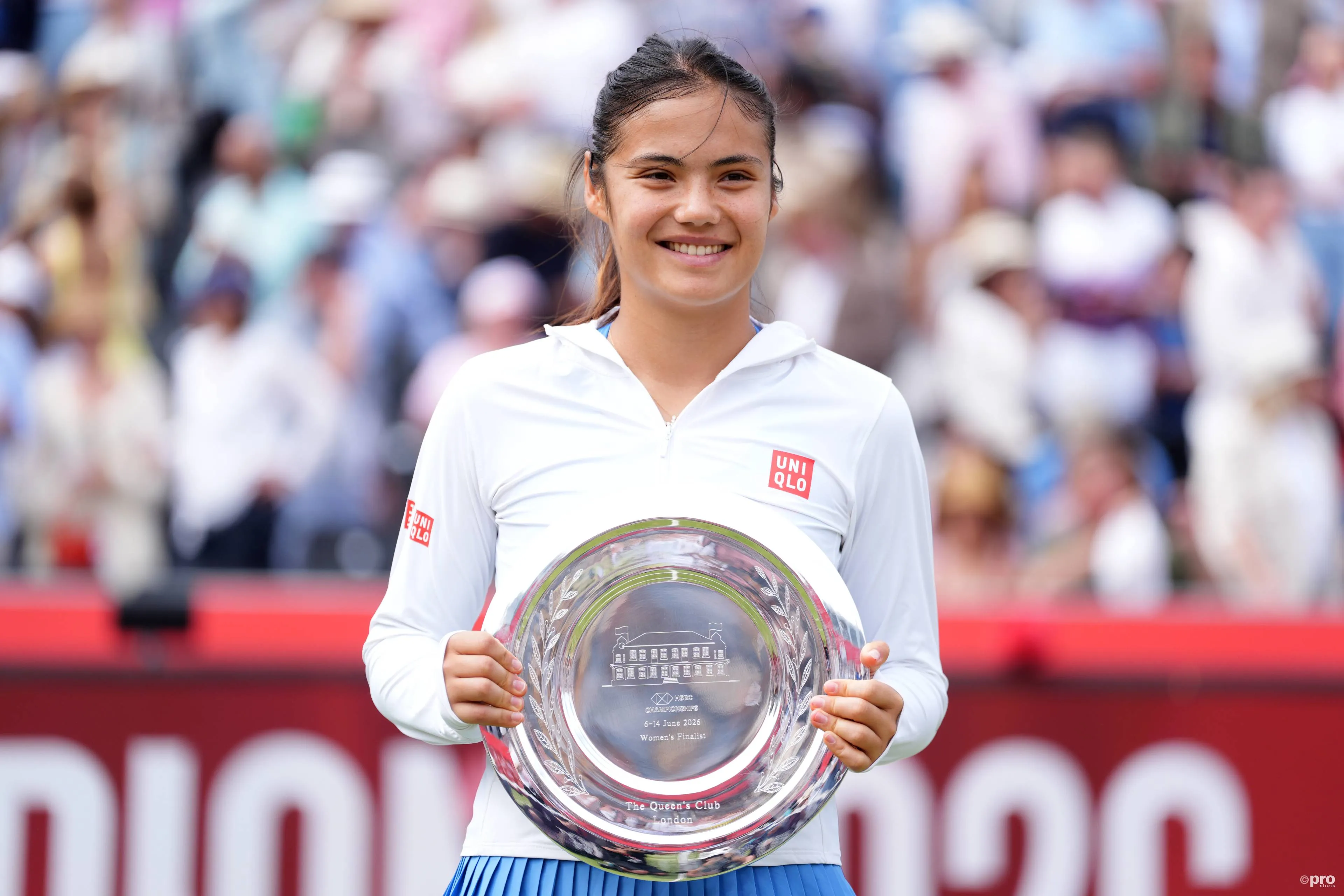
The rankings reflect the magnitude of the change. After spending more than five consecutive years inside the WTA Top 10, including the majority of that period inside the Top 3, Swiatek has dropped to No. 8 in the world and currently sits No. 12 in the WTA Race.
With the hard-court swing and US Open approaching, her place among the top-10 could be under pressure if she cannot quickly rediscover her best level.
“It becomes such an obsession”: Kim Clijsters explains why Swiatek looks lost
Clijsters believes Swiatek’s biggest challenge is not technical or physical, but the mental burden created by the expectations surrounding her. “To me, it almost feels like she wants it too much,” Clijsters said during the last episode of Love All Podcast. “It becomes such an obsession and I feel it, maybe I’m completely off, but I feel it with the way that she walks in between the points, the way that she walks to the court, to the chair when the game is over.”
The Belgian highlighted Swiatek’s body language during Wimbledon, suggesting that even victories appeared to bring relief rather than confidence.
“After her first-round win at Wimbledon, like you can be the defending champion, but it just was almost such a relief that she got through that first round,” Clijsters explained. “And it just shows how much tension there is on winning and on trying to win another Slam.”

Iga Swiatek reached third round at Wimbledon and lost against Alexandra Eala (6-7, 2-6).
According to the former world No. 1, part of the problem comes from Swiatek’s own standards after becoming one of the most successful players of her generation. “I think there’s obviously an expectation from the outside world, but I think a lot of it she just puts on herself because she has been so great and she has been dominant."
“There’s been an intensity that has kind of crawled into her system and into her body when she plays,” the 4-time Grand Slam champion explained. “It’s like, ‘I got to try harder. I got to move my feet faster.’ And it’s not always the most efficient way or the most flowy, easy-going way.”
For Clijsters, the solution is not simply adding more work, but finding a better balance. “People think work hard, play hard, but sometimes it just becomes a little bit too much and you just have to work smarter,” she said. “You can talk to yourself and put less pressure on yourself and take the breaks and have fun, but it’s mostly what goes on between the two ears.”
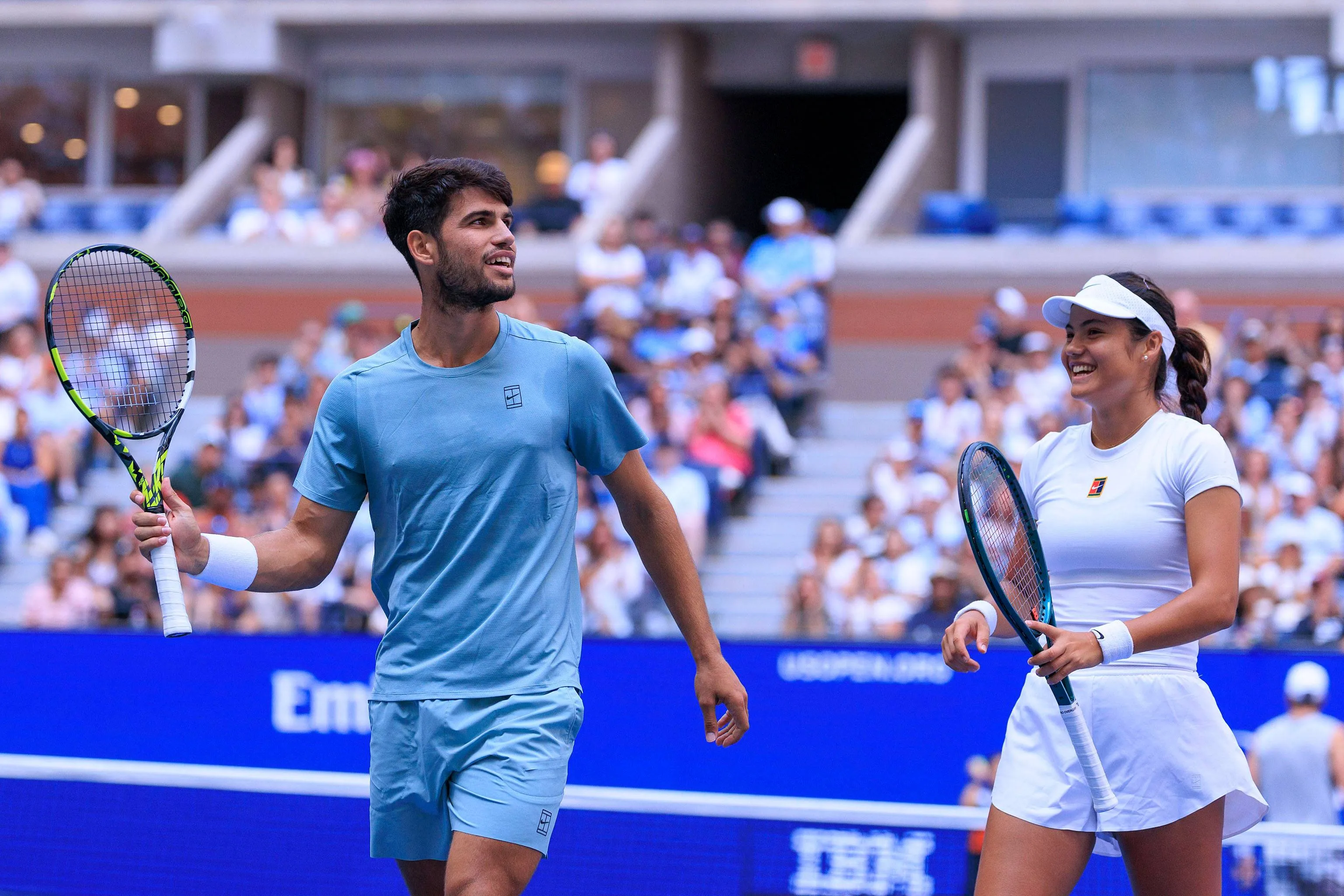
“She is not able to create that dominance”: Clijsters analyzes Sabalenka’s struggles
While Clijsters linked Swiatek’s problems to pressure and confidence, she offered a different explanation for Aryna Sabalenka’s inconsistent results outside hard courts.
The Belarusian has struggled to maintain her dominance since Miami, reaching the quarterfinals in Madrid, losing early in Rome while dealing with a back issue, reaching the Roland Garros quarterfinals, making the semifinals in Berlin and then falling in the Wimbledon round of 16 against Naomi Osaka.

Aryna Sabalenka had reached at least the quarterfinals in her last 14 Grand Slam main draw appearances before Wimbledon. This time, she lost to Naomi Osaka in the round of 16.
Clijsters believes Sabalenka’s powerful game is perfectly suited for hard courts, where her movement and ability to generate power from defensive positions become major weapons.
“I just feel like on these two surfaces — and maybe for me it was a little bit similar back in the day — I just felt like my movement where she is, she’s so good on the hard courts,” Clijsters said.
“She gets pulled out wide, she pushes off, she comes back. She is able, in a defensive situation, to create so much power still and counter, get from a defensive situation and come out maybe in a little bit more of an advantage situation.”
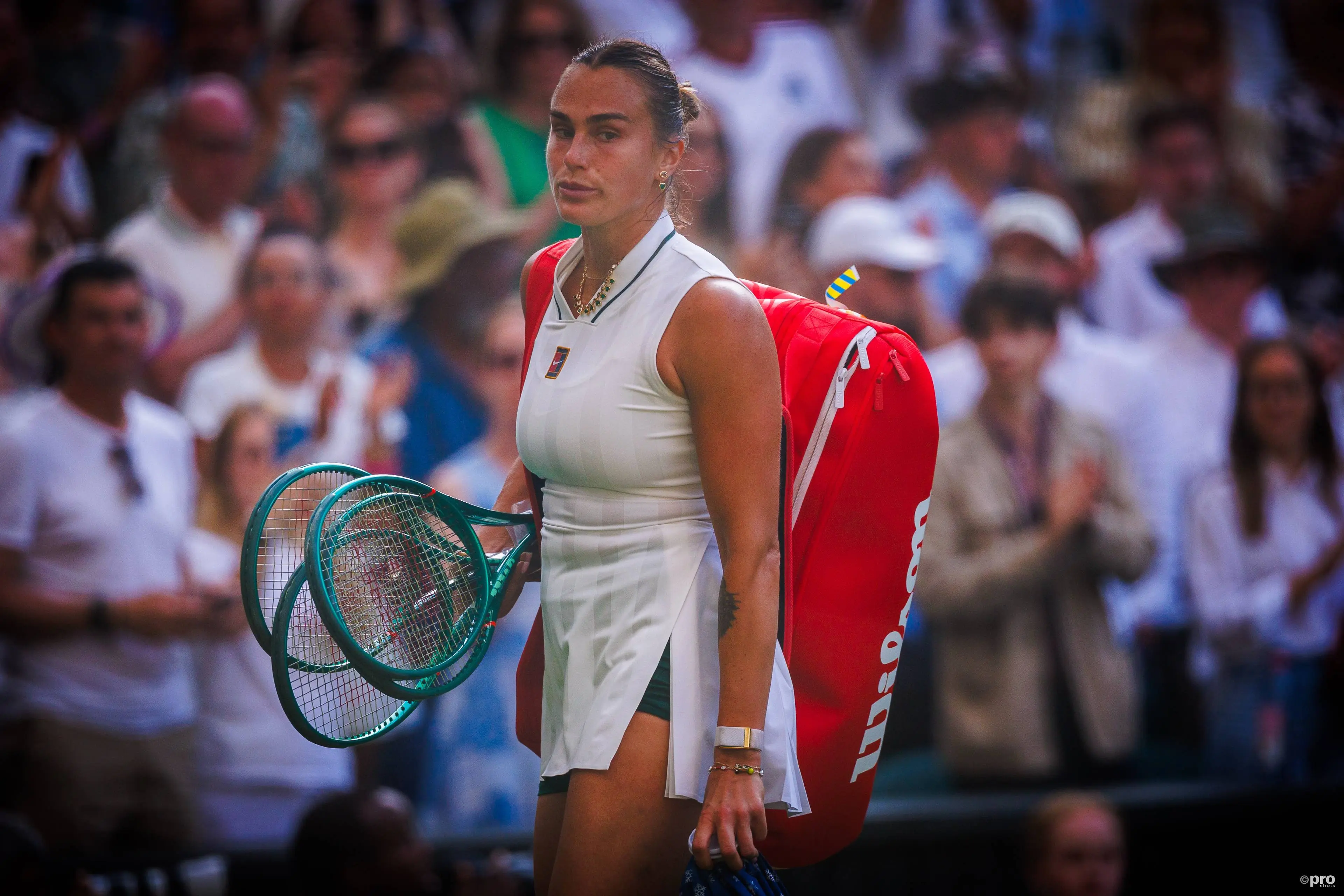
However, Clijsters believes clay and grass reduce Sabalenka’s ability to impose that style consistently. “She is not able to do that consistently on a clay court, but also on grass court,” she explained. “I think she just in her head has to be a little bit cautious, and I just don’t think that’s her personality and her game style.”
“Her intensity and the power that her ground shots create on the other side of the net is nonstop, like shot after shot,” Clijsters said. “And she just is not able to create that on clay and on grass.”
With the hard-court season arriving, both players will have an opportunity to reset. Sabalenka returns to the surface where her aggressive baseline game has produced her greatest success, while Swiatek faces a different challenge: rediscovering the confidence and freedom that previously made her one of the most dominant players in tennis.

Cristhián AvilaTennis Journalist
Cristhián Ávila is a tennis journalist based in Santiago, Chile, and has been part of the TennisUpToDate team since early 2023. He covers the ATP and WTA Tours as well as all four Grand Slams, producing breaking news, match reports, analysis, and regular liveblogs from major tournaments.
His reporting combines statistical analysis with clear explanation, helping readers understand tactical developments, player form, and broader storylines across the tour. Working fluently in both Spanish and English, Cristhián collaborates with an international editorial team and contributes to comprehensive global coverage. As part of his work, he has conducted interviews and media interactions with leading figures in the sport, including Caroline Wozniacki and John McEnroe.
In his journalism, Cristhián places strong emphasis on careful sourcing, editorial accuracy, and updating articles promptly when new, verified information becomes available. His coverage is grounded in research, context, and direct engagement with professional tennis.
claps 0visitors 0
Just In


Popular News
Latest Comments
- Well done to the author of this article!! A meltdown is what Coco experienced at the US Open the year she was chirping at her box, very near to tears, double faults were in great supply and she simply could not get a handle on that match. THAT AP is a meltdown!!Rapunzel12-07-2026
- This sensible approach helped Muchova... and look where she will find herself tomorrow (Wimbledon Final). Iga's wise to escape... especially to Nature and so. The wilderness (forests, lakes, mountains) has been my "Church" and escape from The Noise since I was a kid. She'll do well in the end.
 mandoist10-07-2026
 - "Like if it was hotter, I probably would have won, I'm not gonna lie." Geezus...mandoist08-07-2026
- This one has totally lost the plot. She is about to cross the racism line in her hatred for Russian people. NEWSFLASH DARLING -- Russian majority of citizens (and your ex-Colleagues whom you shamed) are not who you should be aiming at. Grow up.mandoist08-07-2026
- Why do all these "experts" feel the need to publicly "tell players" what they need to do, or what they're doing wrong?? How about this -- if you're so concerned with a player's situation actually take the time to contact the team in question and talk directly to them. Yapping in public media is rarely, if ever, helpful.mandoist07-07-2026
- Gee... preferential treatment all the way to the end? STOP IT WTA & WIMPLEDON !!! This entire WILLIAMS CHARADE is 100% unfair to young upcoming players who legitimately earned a shot at a Wildcard. The whole scenario with these freebies to The Williams' is pathetic and barely within the rules (which have been bent like a pretzel to accomodate them). The lamest excuse this time is "...she is a top draw". How does that apply to Wimbledon which is sold-out in advance? Stop enabling this abhorrent "Look at me" behavior. If they want to make believe they can compete -- LET THEM PLAY QUAILIFIERS LIKE EVERYONE ELSE.mandoist06-07-2026
- Is it not clear there is a mental issue here? I mean, her judgement is very suspect given her personal life 'experiences'.mandoist06-07-2026
- Are you kidding me with this soft "article"??? WTF?? Djerkovic should be DISQUALIFIED just as anyone else at WimPledon would have been for his behavior!! So what you should be writing about is how the stuffed shirts on Wimpledon's executive board and ATP can no longer hide, nor lie about, their FAVORITISM. We now have seen (and heard) that, as in politics and world of CEO's, "who" you are can afford Elitists the luxury of escaping the usual penalties according to their own bona fide rules/reg's. Not totally surprising coming from organizations which perform special rule-breaking stunts as giving the undeserving, unranked Williams' some young upcoming player's Wildcards. Neither Williams earned these WC's... let them enter via Qualifiers like anyone else!!!mandoist06-07-2026
- Real fans of the sport, that's who.mandoist06-07-2026
- I agree with Reilly, who cares about doubles reallySakkariFan2305-07-2026

Loading