“It really seems much more mental than coaching”: Andy Roddick breaks down Iga Swiatek’s 2026 reset
WTA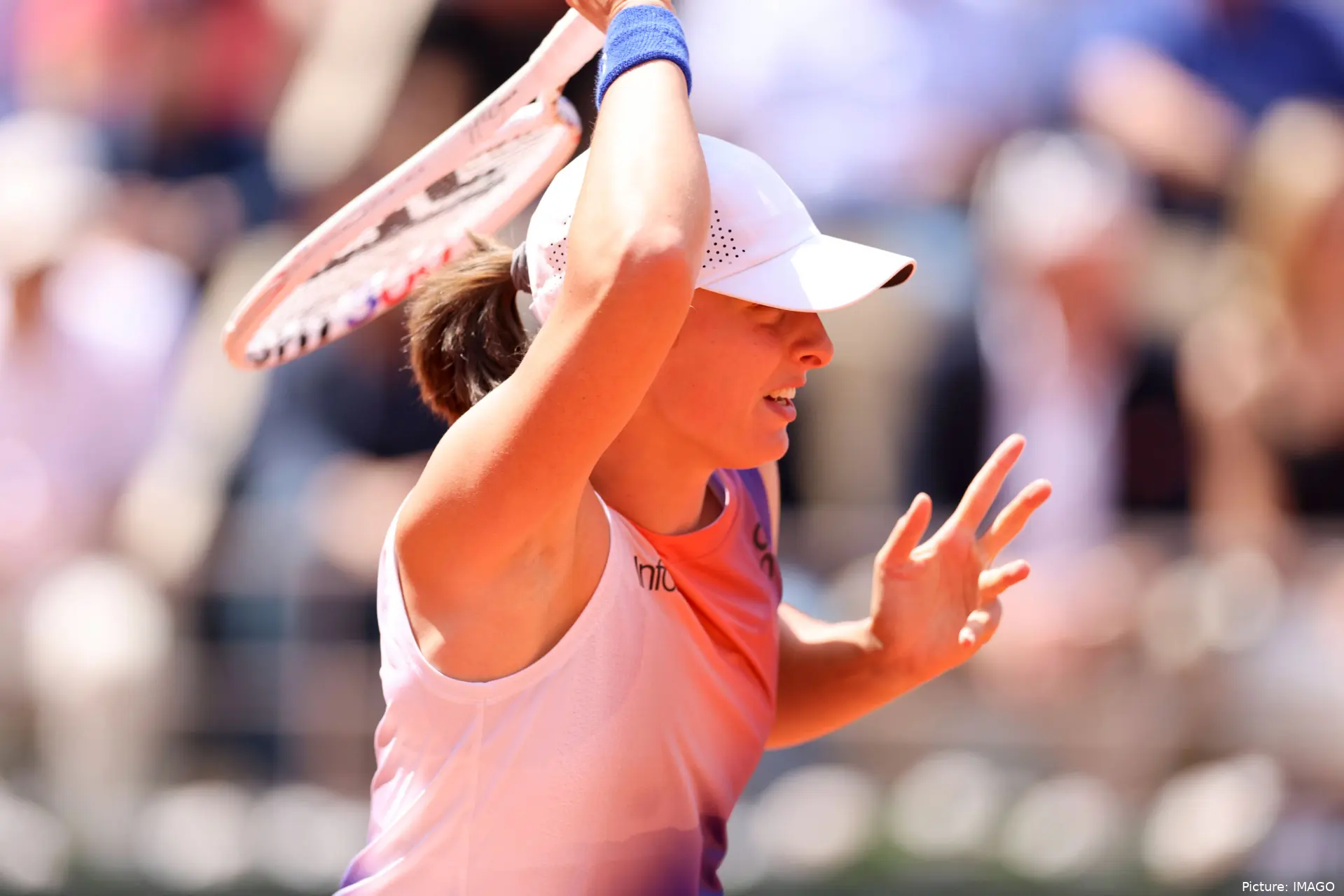
Andy Roddick framed Iga Swiatek’s recent coaching change in direct terms, suggesting the decision reflects deeper internal struggles rather than purely technical adjustments. Speaking on his Served podcast, the former US Open champion pointed to the world No. 4’s own words and behaviour patterns as the key indicators behind her split with Wim Fissette.
The 6-time Grand Slam champion. heads into the clay swing with a new coach, bringing in Francisco Roig after ending her partnership with Fissette. The move comes after a steady but unspectacular start to 2026, with no titles and a series of quarter-final runs that have fallen short of her usual standard at the top of the WTA.
The timing is not accidental. Clay has been the foundation of Swiatek’s dominance, and the arrival of Roig—long associated with Rafael Nadal’s team—points to a clear attempt to stabilise her level before Roland Garros. The decision follows a stretch that included a quarter-final at the Australian Open and Indian Wells, but also an early loss in Miami that sharpened the sense of drift.
Andy Roddick framed the change less as a technical reset and more as a response to what Swiatek has been expressing publicly about her own game and mindset. The American described the situation as “much more mental than coaching,” pointing to how Swiatek has spoken about confidence and internal pressure even during successful periods.
Read also
“She doesn’t just let losses roll off”: Roddick on Swiatek’s mindset
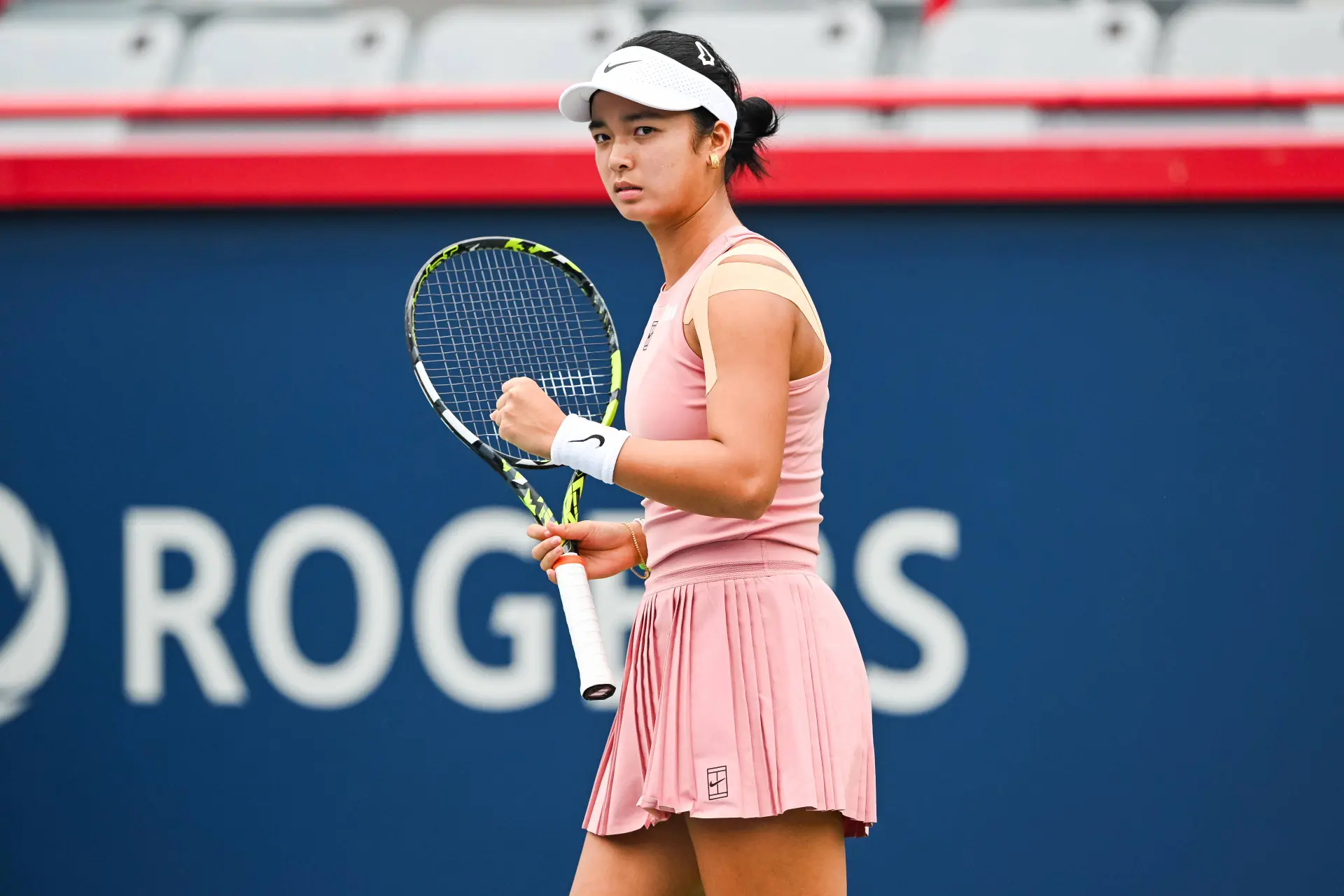
Roddick’s central argument is built around how Swiatek processes competition. For him, the defining trait is not inconsistency in results, but the way she carries both wins and losses forward, often without release.
“Different players process things differently. Greatness presents itself in different ways. I don’t think she just lets losses roll off the back and they’re like, ‘okay, I’ll get the next one.’ She squeezes and grips. I was probably the same way.
You’re like, ‘oh my gosh, you’re on top of the world. You just won Wimbledon.’ She’s like, ‘yeah, but it’s been tough.’ She’ll go back to the place where it’s kind of like, ‘we’ll see if I can keep serving that way.’ It’s all these brains are very different.”
That tension, in his view, was visible even during her biggest success with Fissette. The Wimbledon title did not fully reflect comfort within the process, and the months leading into it already suggested a relationship that required work rather than flowing naturally.
“Even in that interview we had last summer, I was like, ‘oh, wait a minute, great result,’ and she’s like, ‘yeah, it wasn’t easy at first. It wasn’t the easiest six months going into Wimbledon.’
I actually said it a few weeks ago, if this goes a little sideways, it wouldn’t surprise me. It didn’t seem like it was just completely natural, like everything was clicking.”
That perspective aligns with her 2026 results. The level remains high enough to stay in contention, but the sense of control that defined her at No.1 has been less consistent. For a player who set that benchmark, the difference is significant.
Coaching in tennis: “It’s about personalities and meshing”
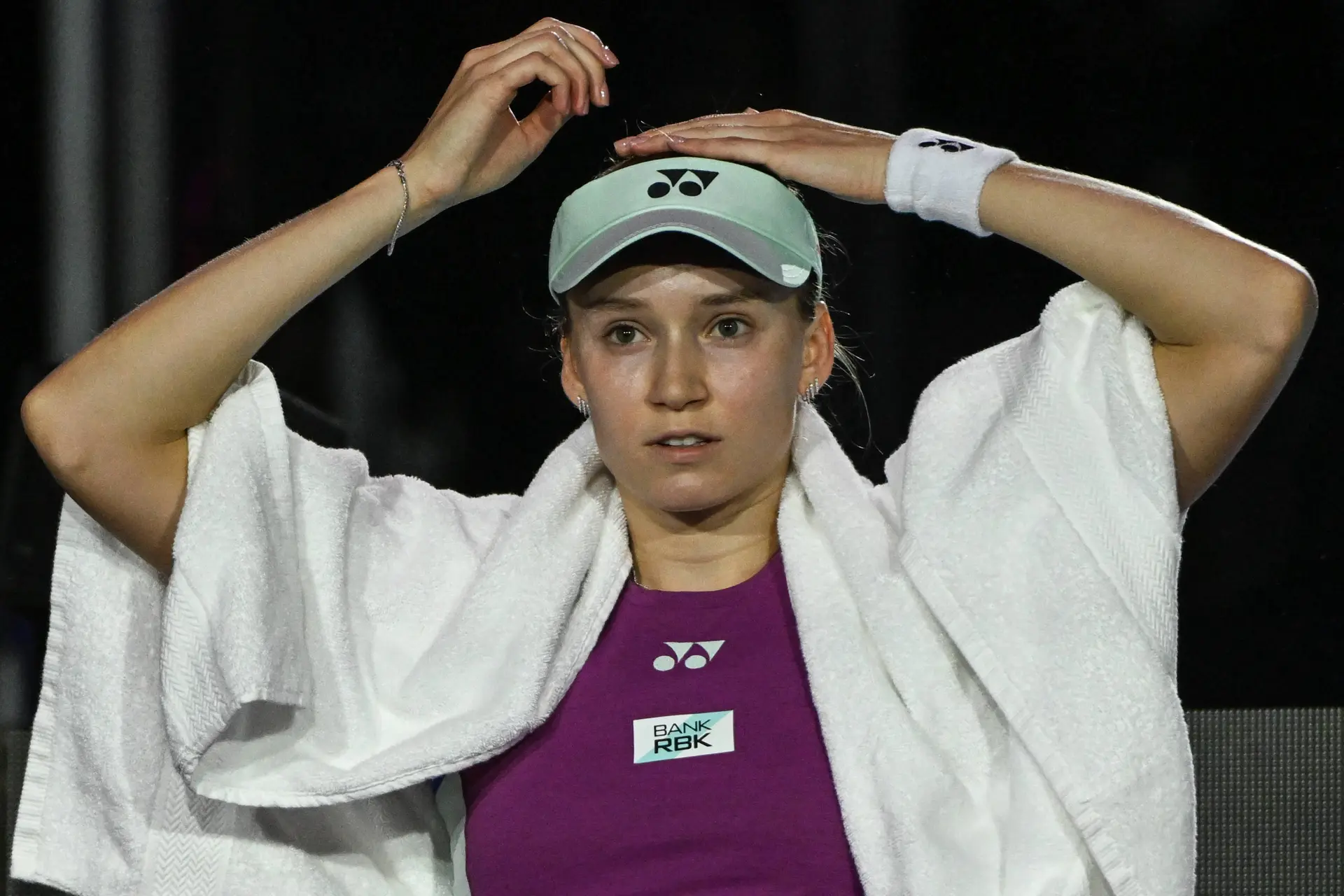
Roddick also placed the decision within the broader reality of coaching in tennis, where the relationship extends far beyond tactics. He described it as one of the most intense working dynamics in professional sport, shaped by constant proximity and repetition.
“It’s the most interpersonal coaching-player relationship in sports, I would think. You’re together all the time. By the time you’re at your 220th dinner, you can’t take it anymore," the former world No. 1 said. "I’ve had coaches where you’re breaking up and it’s like, ‘you’re my favourite person,’ but I don’t know that we totally align on what’s going on during the matches. There are so many different reasons these things start and end.”
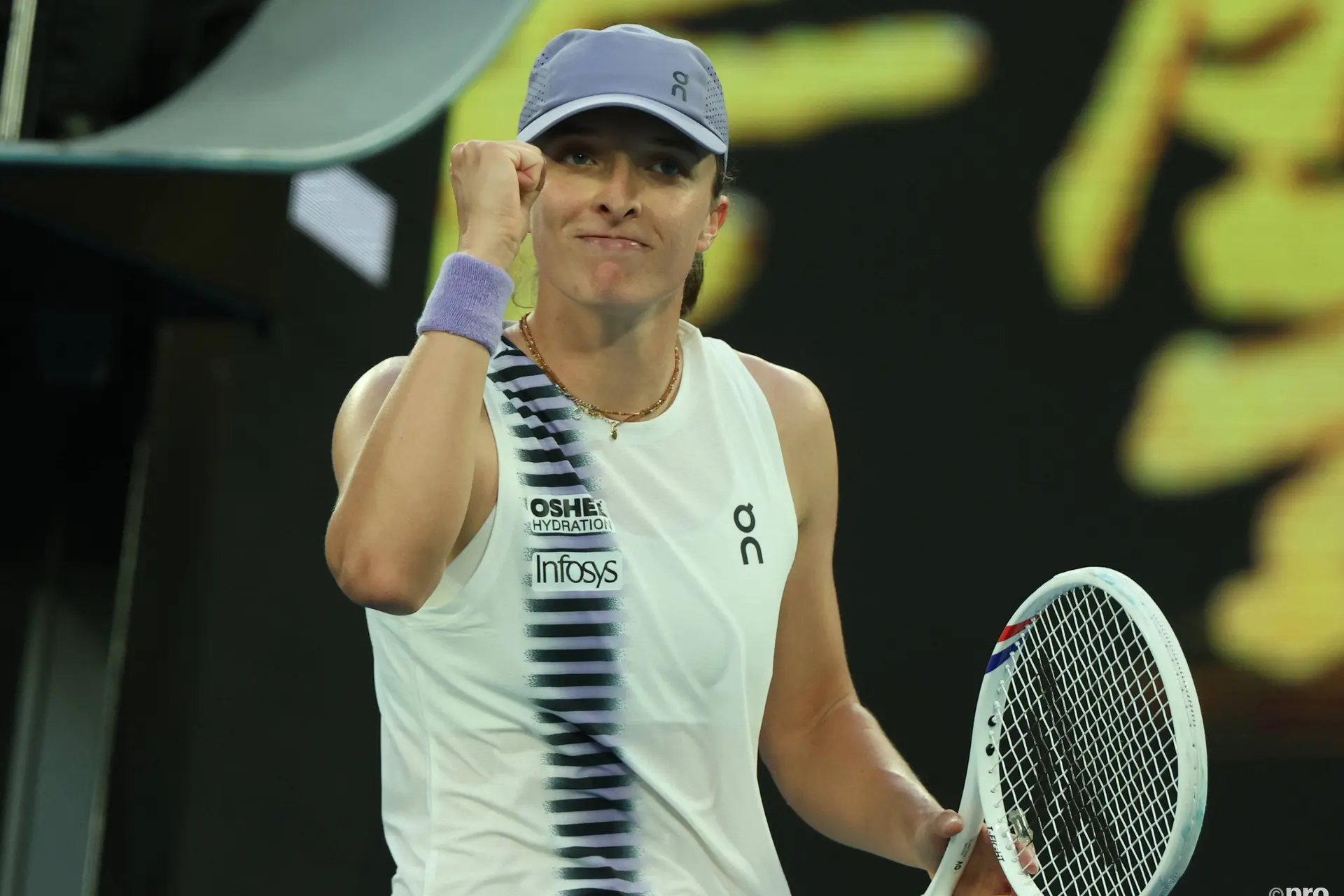
Within that framework, the split with Fissette is less about results alone and more about alignment. Roddick was clear that a successful coach on paper does not guarantee a sustainable partnership. “Fissette is a great coach. He’s had a ton of success with a ton of players. But as much as it is about tennis and X’s and O’s, it’s about personalities and meshing. It doesn’t mean someone’s a bad person or you’re a bad person.
Sometimes it’s just like you like different music. You don’t want to listen to the same thing. All that stuff has to flow and work.”
The shift also comes at a natural transition in the calendar. Moving from hard courts to clay often provides a reset window, and Swiatek has historically used this stretch to reassert control over the tour. Expectations, however, adjust quickly at that level.
“It’s amazing how quickly expectations reset. You can have a pretty good start to the year, and then a couple of Slams later, you’re trying to make that jump again and suddenly it’s about consistency compared to six months ago," the American fomer world No. 1 added. “It really seems much more mental than coaching.”

Cristhián AvilaTennis Journalist
Cristhián Ávila is a tennis journalist based in Santiago, Chile, and has been part of the TennisUpToDate team since early 2023. He covers the ATP and WTA Tours as well as all four Grand Slams, producing breaking news, match reports, analysis, and regular liveblogs from major tournaments.
His reporting combines statistical analysis with clear explanation, helping readers understand tactical developments, player form, and broader storylines across the tour. Working fluently in both Spanish and English, Cristhián collaborates with an international editorial team and contributes to comprehensive global coverage. As part of his work, he has conducted interviews and media interactions with leading figures in the sport, including Caroline Wozniacki and John McEnroe.
In his journalism, Cristhián places strong emphasis on careful sourcing, editorial accuracy, and updating articles promptly when new, verified information becomes available. His coverage is grounded in research, context, and direct engagement with professional tennis.
claps 0visitors 0
Just In

Popular News

Latest Comments
- Does Sinner need that 4.5 mil? I doubt it. He can make that with three modelling gigs!😅🤣Rapunzel21-10-2026
- Did "People Magazine" purchase this website? This nonstop storyline is bullshit.
 mandoist21-10-2026
 - Listen... this is of no concern to anyone but these two. Deal with your own issues -- most of us have our own. Thanks, media, for these insignificant follow-ups which are meaningless.mandoist21-10-2026
- This is so very very sad, for all three of them. I truly thought they had an unbreakable bond, but life throws up so many differing challenges. Having your homeland suffering in such a terrible way, makes happiness lose out to guilt as well. Our thoughts are with them. X💔bjsexton20-10-2026
- I have lost all respect for Svitolina! Could she not have waited until he had played at the Paris Masters!!! She is selfish and don't give a damn about Gael. That is NOT how love is demonstrated Elina!!Rapunzel19-10-2026
- Perhaps convenient tennis tour sex is not a strong enough experience in which to base a marriage?mandoist19-10-2026
- Fight the Good Fight... Tennis (sports in general) need more Humans such as yourself.mandoist18-10-2026
- When is WTA going to mandate Genetic Testing (DNA) ???mandoist18-10-2026
- Hey, Dan... you just wake up from a coma? Regardless -- Thanks for the comedy this morning!mandoist18-10-2026
- Two Things: 1. Stop allowing these Spoiled Trust-Fund Elitists to behave badly. Your little hand-slaps do not deter them. 2. STOP the incessantly annoying "towel wiping" nonsense!!!!mandoist15-10-2026

Loading