“It strengthens my sense of purpose”: Marta Kostyuk says online attacks reinforce Ukraine message
WTA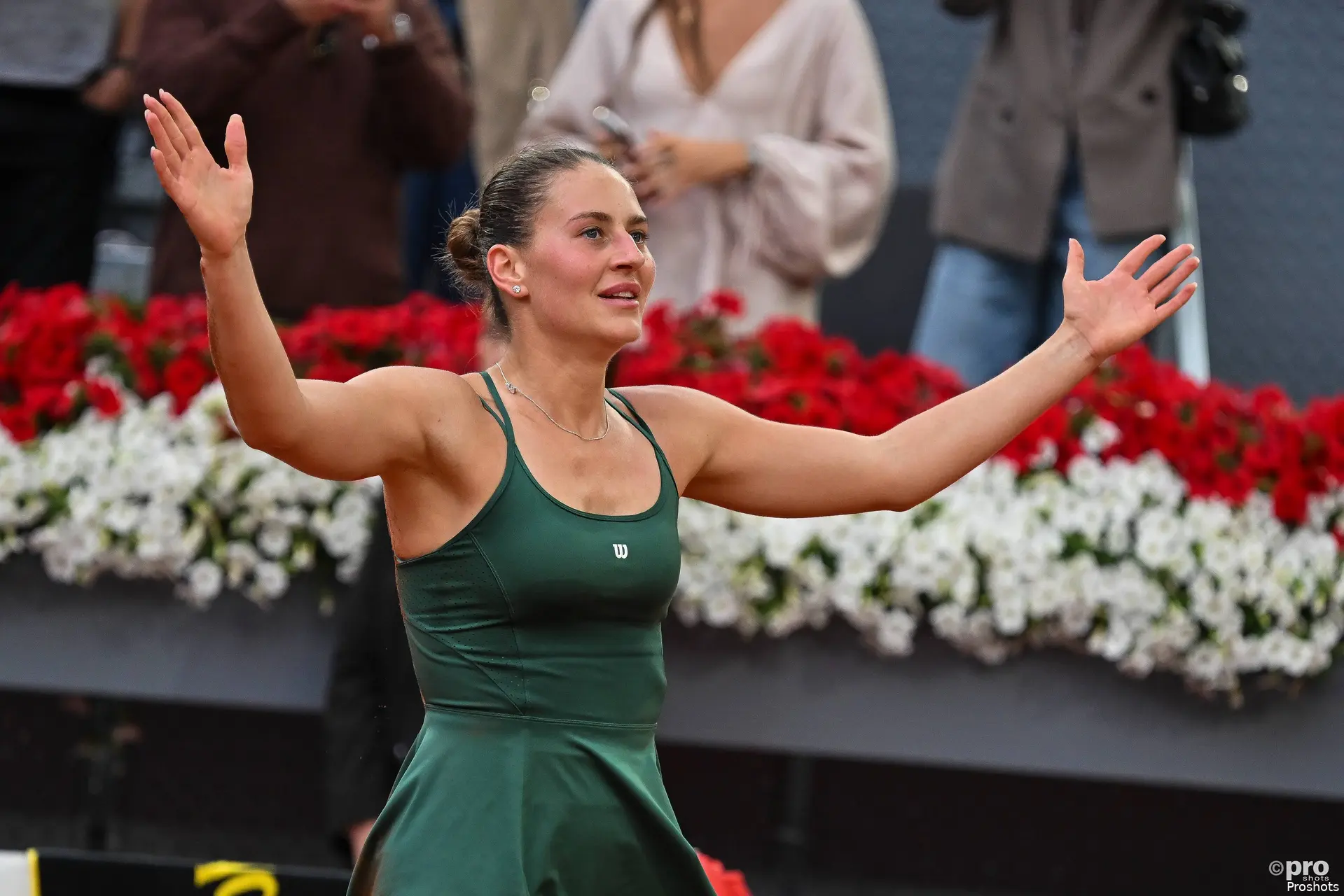
Marta Kostyuk arrives at Wimbledon 2026 with her public profile increasingly defined by both her tennis results and her outspoken stance on Russia’s war in Ukraine, a position that continues to generate sustained online abuse and criticism.
The Ukrainian world No. 13 has been one of the most visible voices on the WTA Tour on the conflict since 2022, repeatedly addressing the issue in press environments despite the personal pressure it generates.
Speaking to Reuters ahead of the tournament, Kostyuk said the scale of online attacks — much of it driven by bots — has not reduced her commitment to speaking about the war. Instead, she described the reaction as reinforcing her belief that her message is reaching sensitive and contested areas, particularly within the sport’s global audience.
On court, her 2026 season has been highlighted by a strong clay-court swing, including a 17-match winning streak and a WTA 1000 title in Madrid. That run established her as one of the most consistent performers of the spring, although her momentum was halted at Roland Garros in the semi-finals against eventual champion Mirra Andreeva. However, her preparation for grass has been disrupted by an ankle injury, which prevented her from playing any pre-Wimbledon warm-up events.
Online abuse and “sense of purpose” in her advocacy
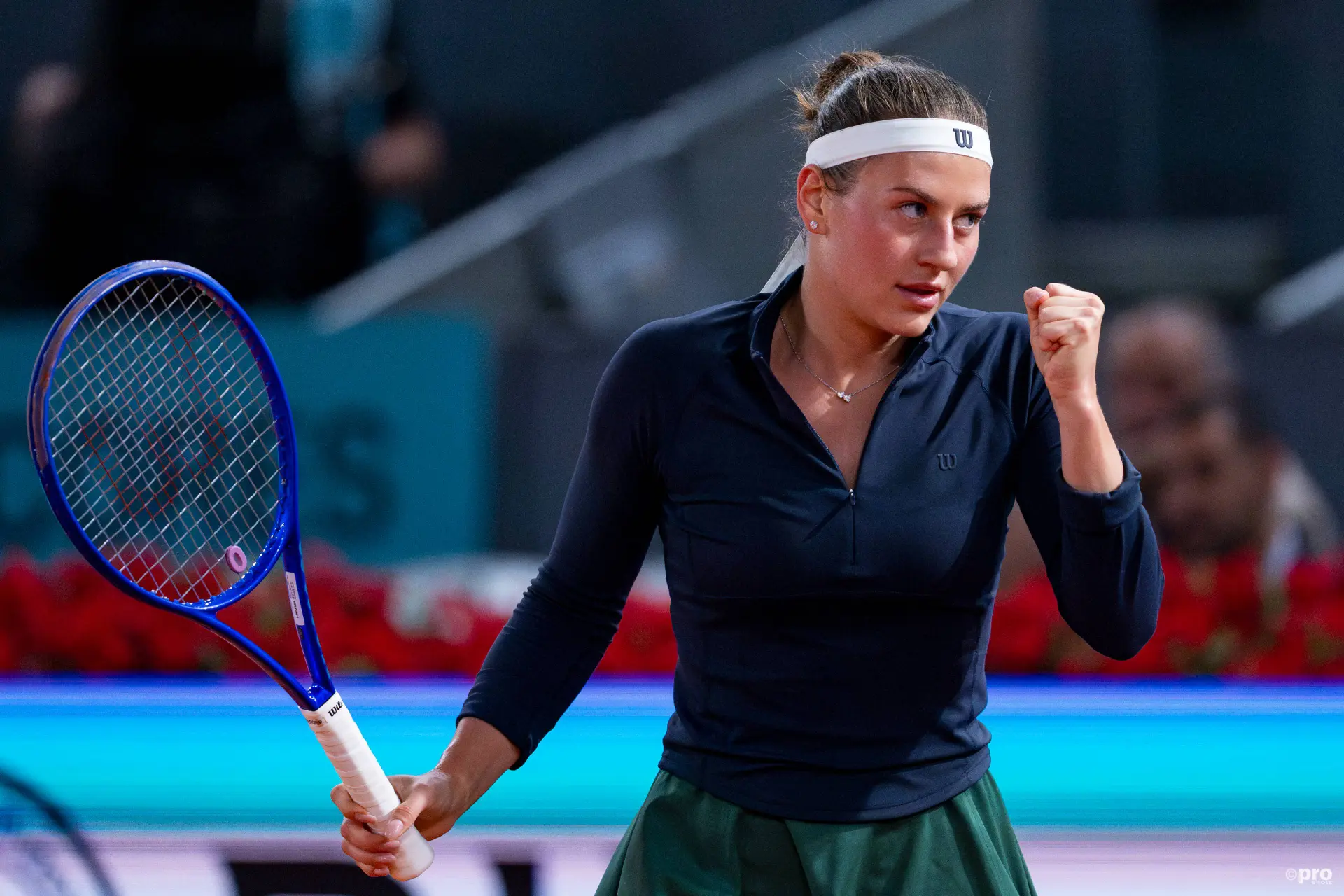
Kostyuk’s central argument is that visibility and criticism are inseparable. She has repeatedly stated that the intensity of online reaction reflects the sensitivity of the topics she addresses, particularly the war in Ukraine and the role of sport in global discourse. The presence of bots and hostile accounts, in her view, confirms that her position is being widely seen and debated.
"Well, I think at this point it has strengthened my sense of purpose, because what I find fascinating is how many bots always attack my social media," Kostyuk told Reuters ahead of Wimbledon. "There's nothing better than this because it means I touch important topics people don't want to hear.

“Before, it used to be frustrating and difficult for me to endure even though I knew that the majority of it was bots, not real people. But now I'm really fuelling up with it, because I know these are the things I have to talk about."
Her position remains that the war is not an abstract issue but a daily reality that shapes her priorities as an athlete. She has explicitly rejected the idea that she can separate professional competition from broader political context.
"I hope the war isn't going to last my whole career and... I'm going to raise other issues," she stated. "At this moment in my life, war is one of the most important things that happens to me every day so I have to talk about it."
Read also
Kostyuk also addressed the ongoing debate around Russian and Belarusian players competing under neutral status on tour. While they do not compete under national flags, she argues that national identity remains implicit and widely understood within the sport.
"We're talking about players who play without a flag, but they still represent their countries, everyone knows they're Russians and Belarusians," she explained. "I'm never saying these players, with what they're going to say are going to stop the war, or they started the war with what they were saying. But the point is, what do you stand for in your life and what are your human values?"
"You go into every tournament playing match by match"
From a sporting perspective, Kostyuk’s 2026 season has combined high-level performance with interruption. Her clay-court stretch was among the strongest on tour, including a 17-match winning run and a semi-final appearance at Roland Garros, where she lost to eventual champion Mirra Andreeva.
She also captured a WTA 1000 title in Madrid and won in Rouen, reinforcing her position inside the top 15. However, her transition to grass has been compromised by an ankle injury that prevented participation in warm-up events, limiting her adaptation to the surface.

Historically, Wimbledon has been one of her less productive Grand Slams, with a best result of the third round in 2024 and a 6-4 overall record at the tournament. She enters 2026 defending second-round points, adding further pressure to a limited preparation window.
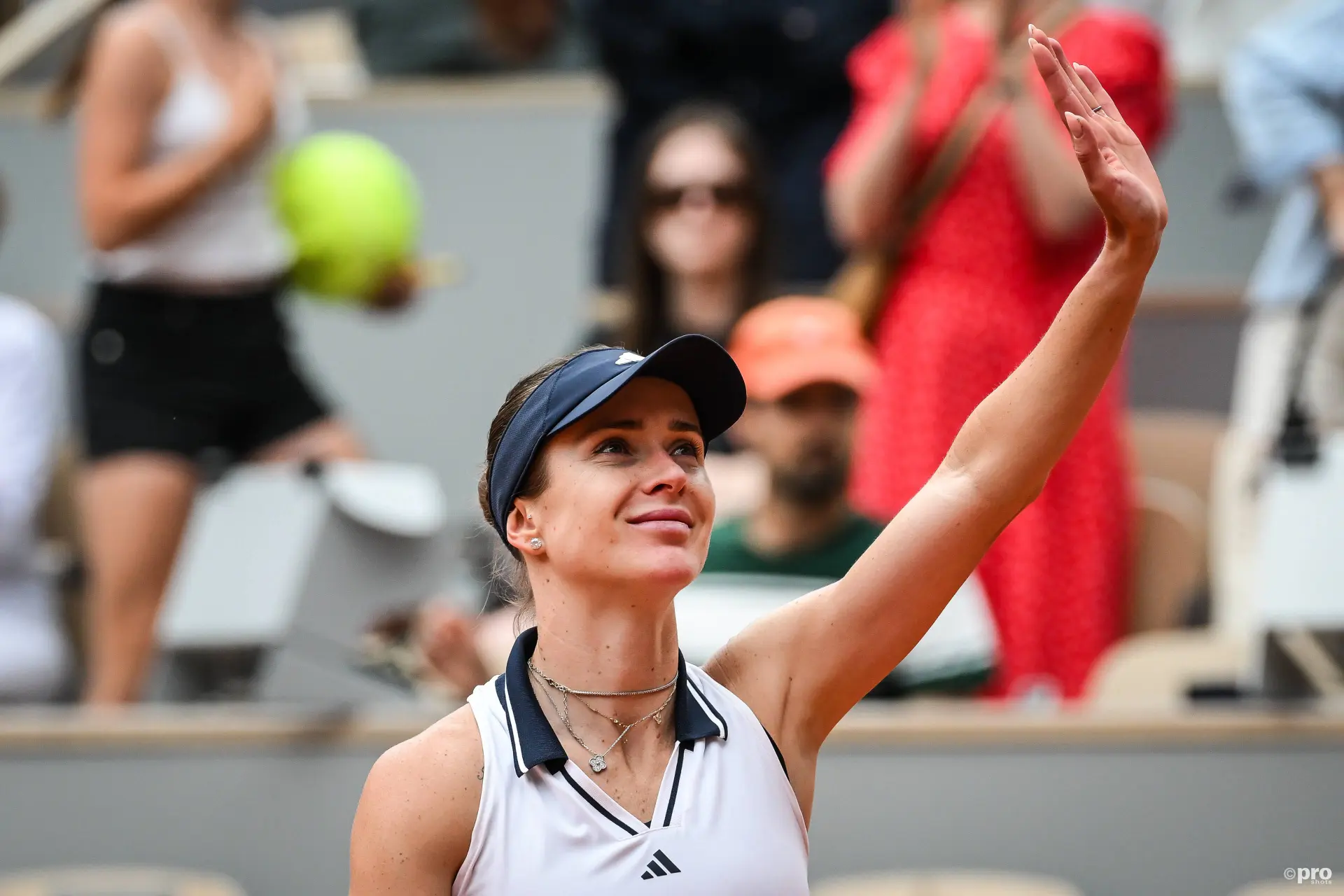
Despite these constraints, Kostyuk remains cautious about projecting expectations, instead emphasising match-by-match progression. "The biggest thing I've improved is my mental part, but not in the sense that I've become a different person. I feel like I just got more control over my thoughts, my state," she reflected.
"I don't spend too much extra energy on things I cannot control. This helps me to stay longer in these tournaments. I don't get burnt out and don't get tired a lot. This helps me obviously to keep the level higher."
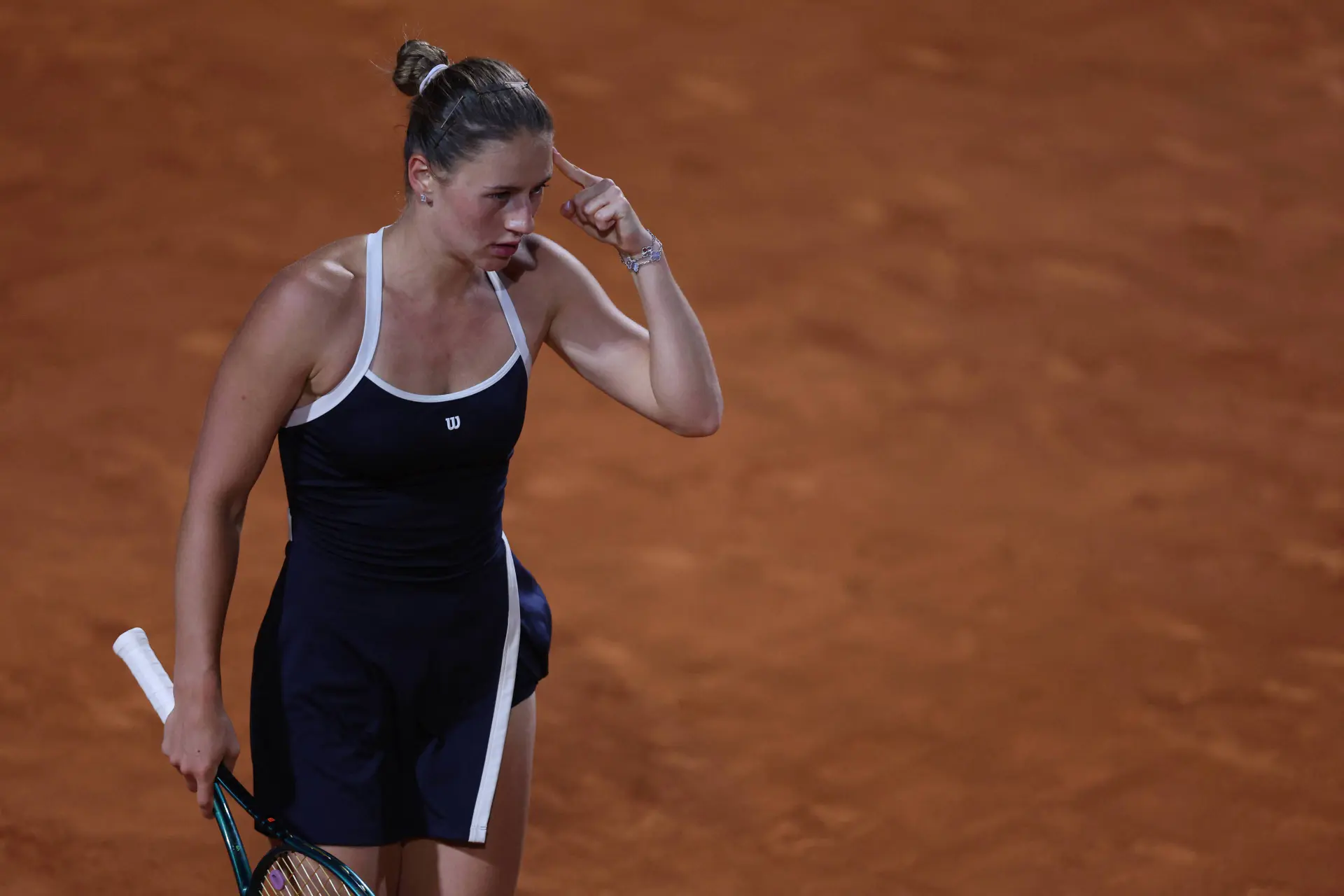
She added that long-term certainty is not part of her competitive mindset, particularly in the context of Grand Slams, where even consistent performers often struggle to sustain deep runs across multiple seasons.
"There are players who have made the semi-finals of Grand Slams but never made it further, or never reached another semi-final of a Grand Slam. So it's really difficult to talk about how I think I'm going to play.
“I wish I would feel like, 'oh yes, Wimbledon or the U.S. Open is mine' or whatever, but I don't think you feel this way ever. You go into every tournament playing match by match and see how it goes."

Cristhián AvilaTennis Journalist
Cristhián Ávila is a tennis journalist based in Santiago, Chile, and has been part of the TennisUpToDate team since early 2023. He covers the ATP and WTA Tours as well as all four Grand Slams, producing breaking news, match reports, analysis, and regular liveblogs from major tournaments.
His reporting combines statistical analysis with clear explanation, helping readers understand tactical developments, player form, and broader storylines across the tour. Working fluently in both Spanish and English, Cristhián collaborates with an international editorial team and contributes to comprehensive global coverage. As part of his work, he has conducted interviews and media interactions with leading figures in the sport, including Caroline Wozniacki and John McEnroe.
In his journalism, Cristhián places strong emphasis on careful sourcing, editorial accuracy, and updating articles promptly when new, verified information becomes available. His coverage is grounded in research, context, and direct engagement with professional tennis.
claps 0visitors 0
Just In



Popular News
Latest Comments
- Medvedev was leading Djokovic 7-5, 3-5 when an attempted return..' NO you ignorants, Djokovic was leading .weiss05-10-2026
- No more bullshit "Wildcards" to these two. Qualify like everyone else -- there will be cameras there, too. Time to scream... WTF ????!!!!
 mandoist29-09-2026
 - Let's not BS the general public -- Sabalenka started showing cracks in her game last season. Her losses and near-losses started at about the same time she began being distracted by Fame (constant Selfies, making TV commercials, magazine shoots, endless Social Media nonsense, etc., etc.) One would think even Saba could recognize the parallels with others who failed before her -- Raducanu, Giorgi, Bouchard to name a few.mandoist25-09-2026
- Gross!! Hey Raducanu, Giorgi, and Bouchard -- reserve a seat at your Social Media Selfie table for Saba + Naomi. They're heading in your direction soon enough.mandoist24-09-2026
- And then these same players will complain about how lengthy their season’s were and need more time-off. I’m all for more tennis but the amount of tennis we get now is actually kind of crazy! We all need a break, especially the players.DaveyWavey23-09-2026
- You should do a comparison article for "different kinds of justice" the courts decide for tennis players. I can think of at least three players who received very small bans of a few months, however Tara Moore has been fighting for her literal survival the past few years. It seems odd considering she is not a "name" player, unlike the other cases.DaveyWavey22-09-2026
- PRIZE MONEY & POINTS Winner - $185,500 Finalist - $114,500 Semi-Finalist - $66,003 Quarter-Finalist - $35,000 Round of 16 - $18,045 Round of 32 - $13,005 Winner - 500 Finalist - 325 Semi-Finalist - 195 Quarter-Finalist - 108 Round of 16 - 60 Round of 32 - 1DaveyWavey20-09-2026
- Pegula withdrew from this Singapore event
 tennishappens19-09-2026
 - Serena Williams chose her tournaments. It's not such a bad idea.MuswellHillbilly17-09-2026
- This child is just too fragile. Step away from tennis for a year. Get healthy, get fit; train hard;ranking be damned, and come back as strong contender. Anisimova did it. So can Emma.Rapunzel17-09-2026

Loading