"I know I belong at this level, know I can beat these players": Jessica Pegula takes solace despite admitting frustration at another Grand Slam near miss
WTA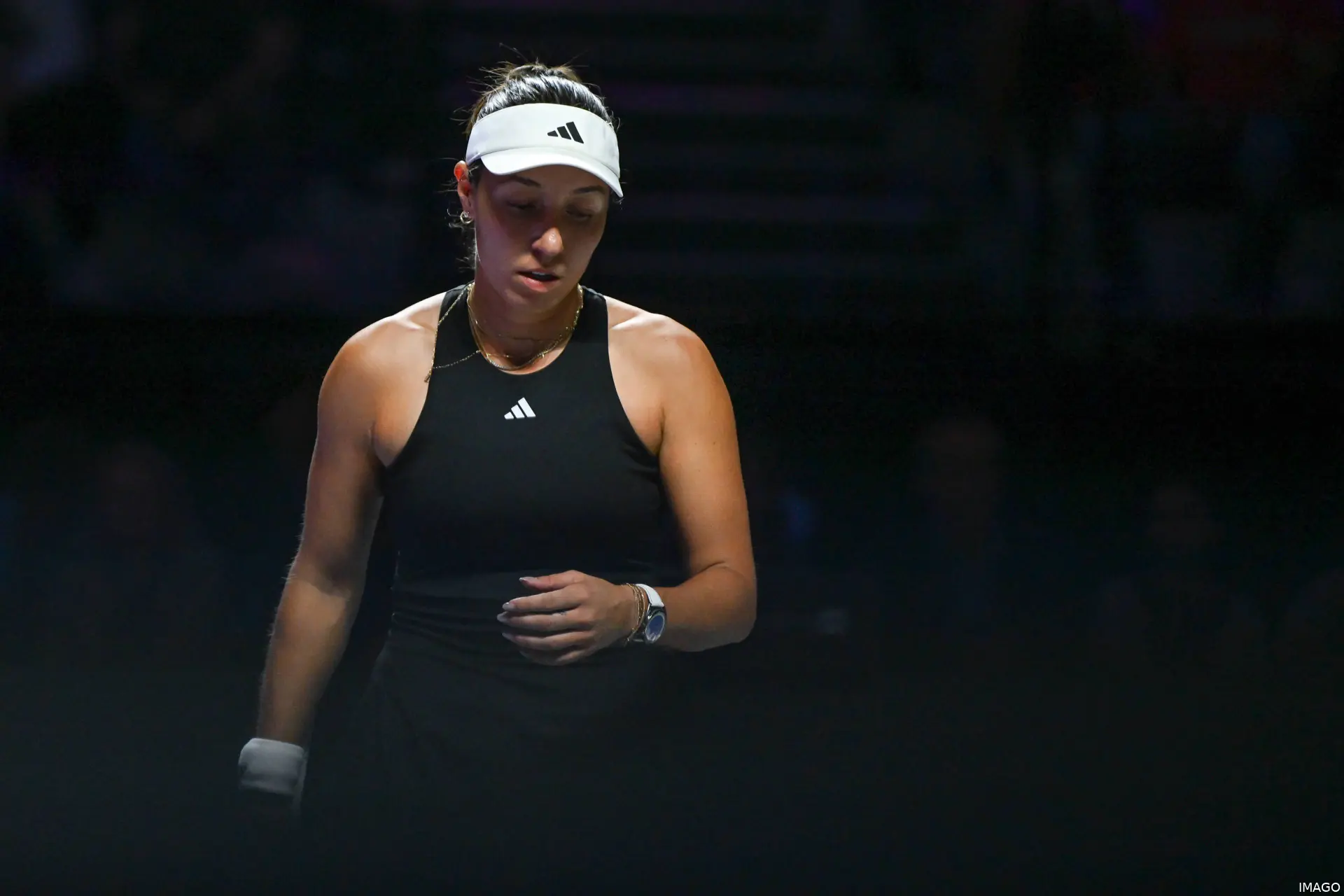
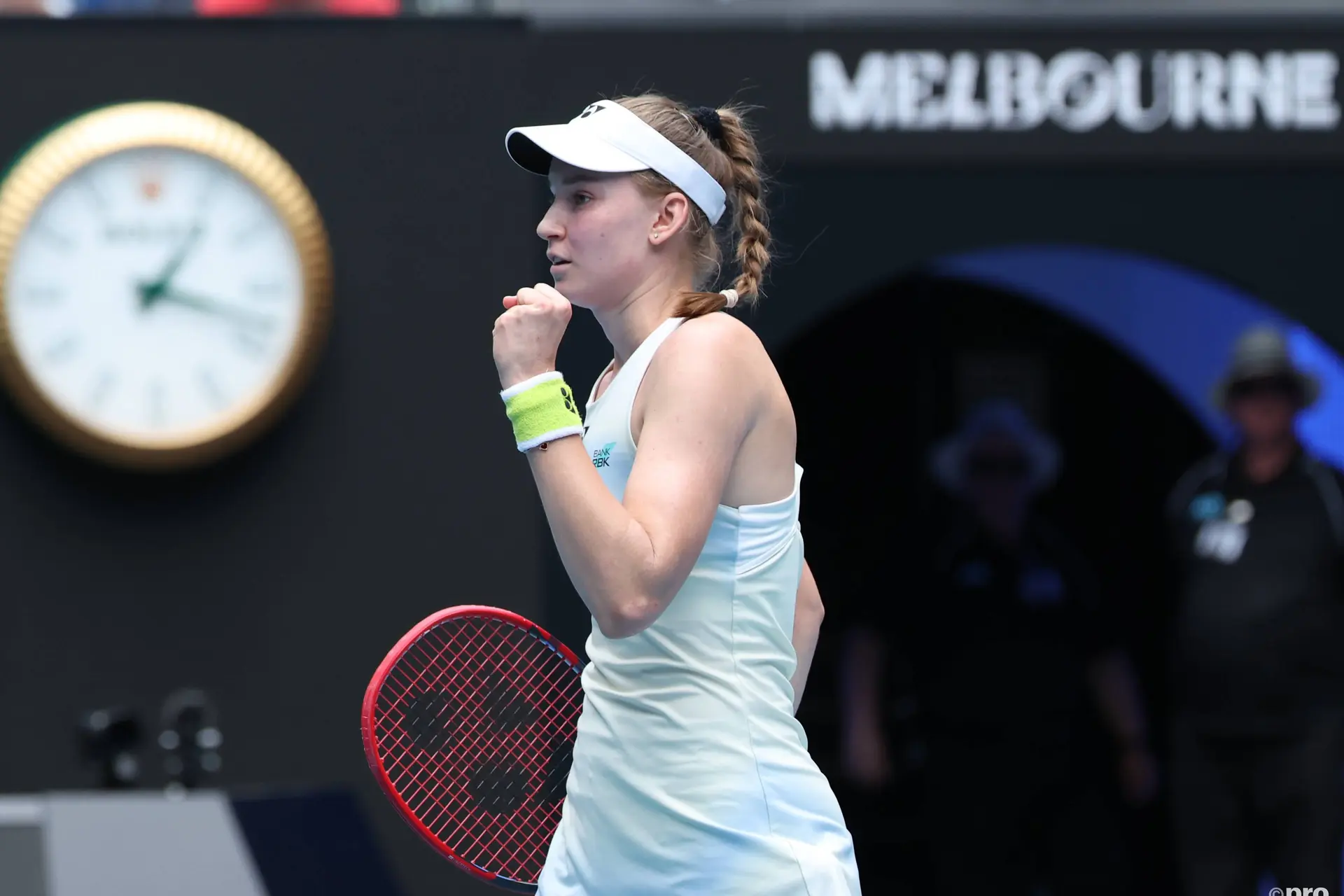
Jessica Pegula was not at all pleased with the level of performance she put in against Elena Rybakina in the Australian Open semi-final, admitting that she never adapted to the different conditions which would go on to cost her.
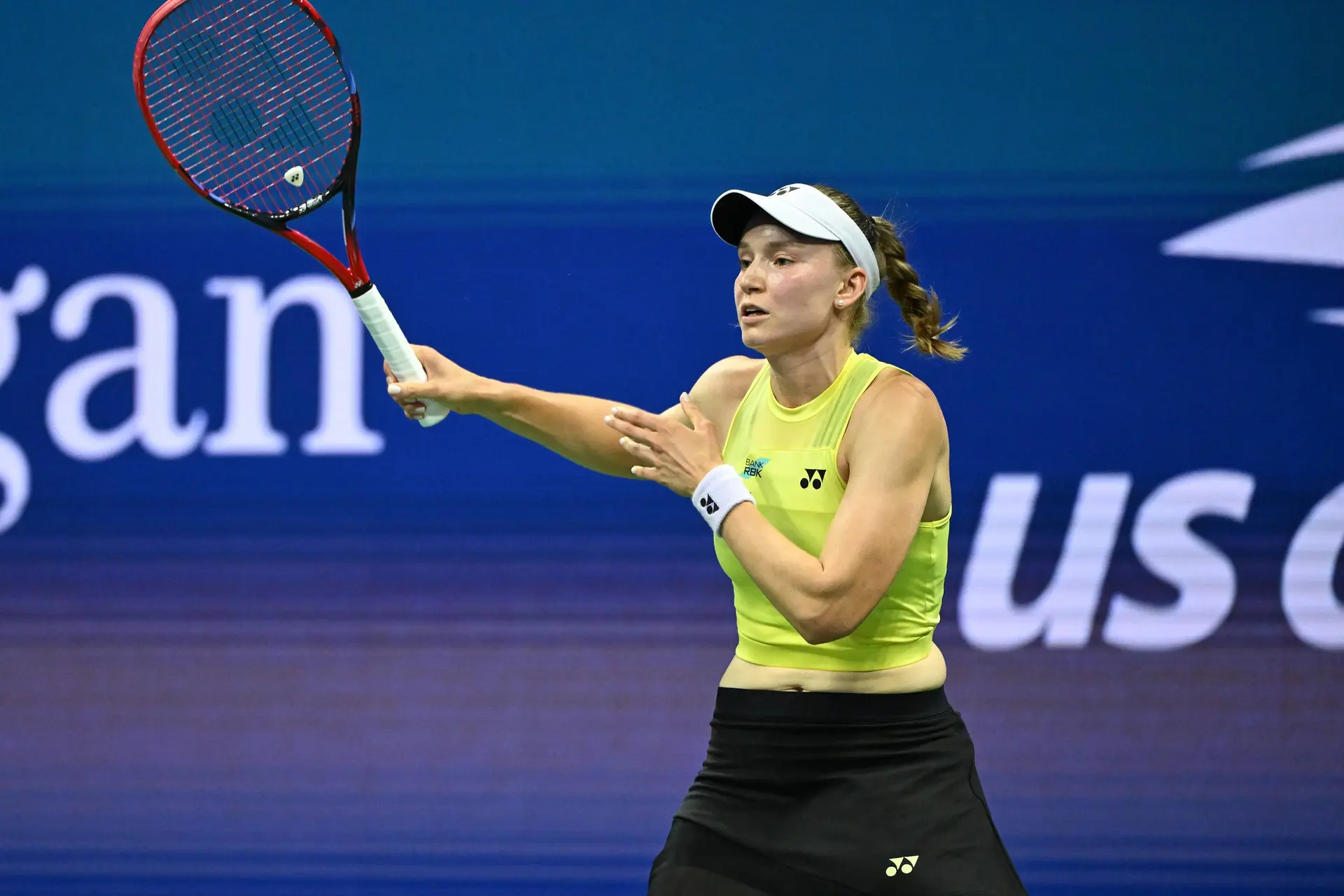
Rybakina looked imperious in the first set, and while the 31-year-old mounted a comeback in the second set, two missed points for the set proved to be hugely costly. "That was tough. Obviously having set points, knowing I was able to stay in there and kind of start turning the match at times, and start playing a lot better towards the end — just in time to give myself a chance. But yeah, that was tough tonight," she voiced in her press conference.
Not near her best level
On court, spectators could see how frustrated Pegula was getting throughout the match, visibly angry about the level of performance she was putting in. She backed this up afterwards.
"I’m honestly disappointed in my level," she commented. "I feel like I didn’t play very well until maybe the very end, and even then it was still kind of shoddy. I missed a couple balls I had a lot of chances on. I felt like both of us were a little back and forth at times, and she was just playing a little bit cleaner than I was. I’m disappointed that I wasn’t able to bring a better level tonight."
A big reason for this in the first set was the different conditions from what she was used to playing in. "I mean, listen, I’d been playing every match during the day — much hotter, much faster. Getting out there at night, it was a nice night, cool, but slow. Very slow. It took me a while to get my feet under me. My timing was really off for a while."
She put the blame on that solely at her. "The conditions definitely made it tougher, but I also didn’t adapt as quickly as I needed to. I think I was a little erratic at the beginning, maybe overthinking it, and not just trusting the things I’ve been doing well."
Adding to that, she was facing off against one of the best players in the world. "It’s hard against someone who hits as big as she does," she admitted. "I felt like she adapted quicker and was hitting that big, heavy ball at me. I was just off — making a lot of errors, not really staying through my shots as well as I could have. Toward the end, I finally started to find my timing and play better."
She was not able to adapt in time despite her practicing in these conditions the night before. "Yeah, I did go back out last night. We made that decision just to feel the conditions," she explained. "I even went a couple pounds looser on the strings just to feel the tension and how the ball was coming off."
The slower conditions hampered her progress. "I knew it was going to be different. To win these tournaments, you have to adapt to different conditions, different times of day, different courts. I think I’ve gotten much better at that. There was improvement tonight — I definitely played better against someone who hits as big as she does on a slower court than I would have a couple years ago."
She still needs to figure out how to optimise her game on slower courts. "That’s promising, but still frustrating. These slow courts are kind of the bane of my existence. It’s not that I don’t like them — it’s just much easier for me to switch to a faster court than a slower one. It’s something I still have to figure out."
Improving her level throughout the match
There was a positive upturn in form from the American towards the latter stages of the match, but too little too late to do anything about the result. "I think sometimes when you’re on the brink of losing, you get a little clarity because you’re like, 'Well, screw it — I’m just going to try and stay in this.'" she said.
"I played a couple of really good points to save match points. She missed a couple short balls, and that gave me a bit of rhythm and some free points to take the pressure off. I finally started figuring out what I needed to do right at the end. I think I had more clarity and stopped overthinking. I was able to play much better tennis."
Tactical serves late on in the match
In the second set tiebreak, the score was 6-5 in favour of Pegula, who was looking to wrap up the second set. They had been playing this set for around an hour now, with the possibility of tiredness and fatigue playing a part. That would have been the thought of many when they saw Pegula hit an 81 miles per hour serve. However, this was tactical.
"Honestly, it was strategy. I wanted to kick it to her backhand. I thought she’d rip it cross-court and I could take my backhand and go up the middle to her forehand," she stated. "She barely made that forehand — I actually thought it was going out and kind of stopped, and it dropped. Against big hitters, sometimes you have to change pace on the serve. If you give them rhythm, the return just comes back harder and faster."
It was something that she slightly regrets doing at such a crucial point in the match. "As a good returner myself, I know sometimes it’s tougher when the serve isn’t coming hard. I was hoping to catch her with a really slow serve. In hindsight, I wish I had just gone after it and maybe gotten a free point, but who knows."
Getting used to featuring in these stages of tournaments - but wants to win them
This was a first Australian Open semi-final for Pegula, and a second major last four appearance on the spin. She is finding a lot of fortune in these big events now, regularly going deep and collecting a lot of ranking points. However, the next step is winning these competitions.
"It’s tough. I had an amazing tournament here, played really good tennis, beat a lot of great players, and put up a good fight tonight. But obviously, I want to win the tournament, and it always sucks when you don’t" she said.
"That said, over the last couple of years I’ve felt much more comfortable at this stage. I’ve now made two Slam semifinals back-to-back, and I think that’s really good. I’m putting myself in these positions, and I still feel like I’m getting better as a player."
She was very high in praise over herself on hard court, something that she is very proud of. "I think on hard court I’m maybe top three in the world, honestly, and that’s a great achievement. The players who’ve stopped me have gone on to win the tournament or reach the final. It’s frustrating, but it’s not like I’m losing to someone I shouldn’t."
She has been at this high level for a few years now, which is where she feels like she should be. "I know I belong at this level. I know I can beat these players, and I’m challenging them every time. Maybe I need to be a little braver in some moments or figure out how to play better in these conditions. I’ll talk to my coaches, but overall I think I’m doing a pretty good job, even if I fall a little short sometimes."
Very tough to play against an inform Rybakina
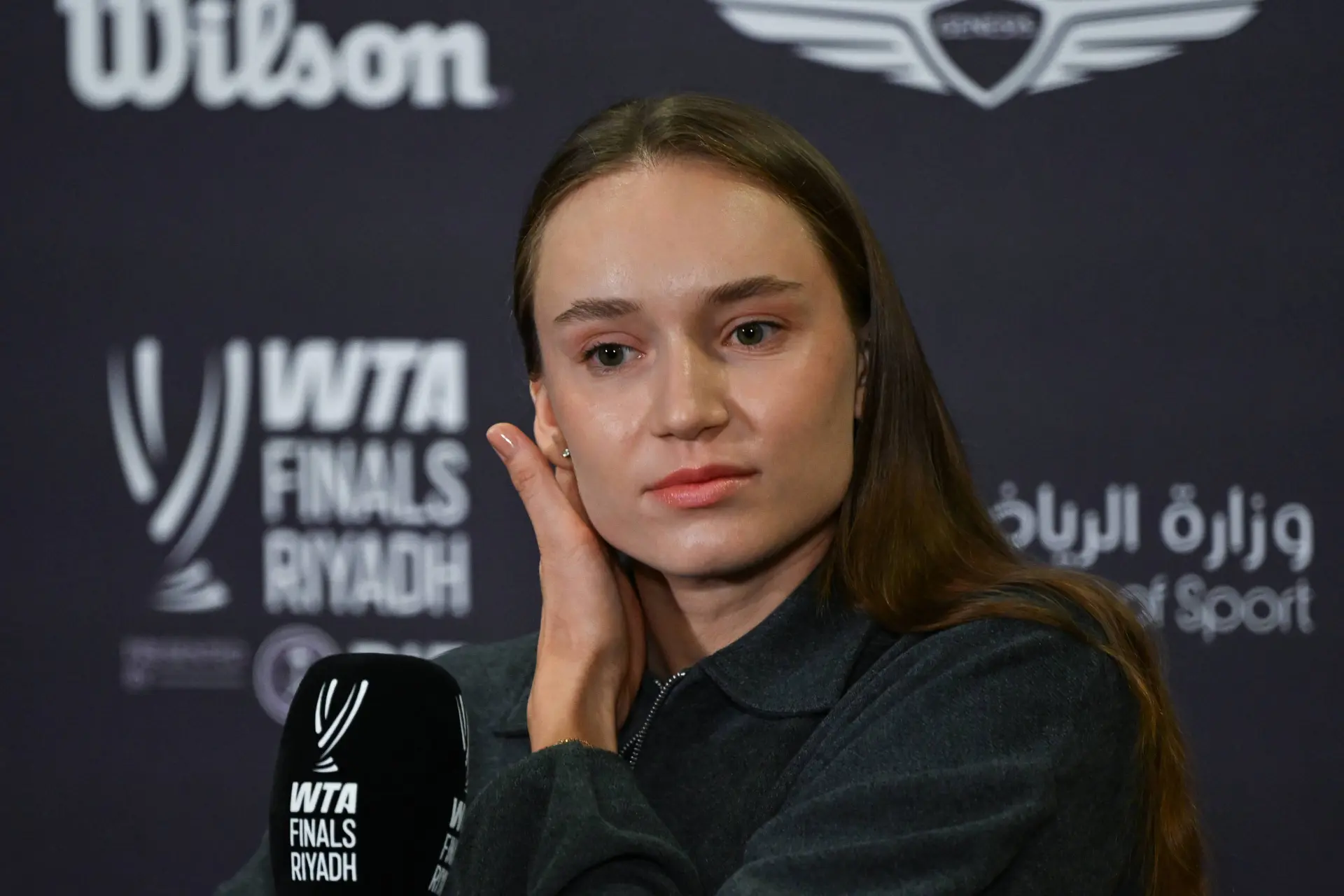
Pegula was quick to highlight how good her opponent was on the night. "She’s always tough. She’s so calm — she doesn’t really give you anything emotionally. You don’t know if she’s upset or excited, and in today’s game that goes a long way," she said.
"Her serve is obviously a big weapon. I don’t think she served her best tonight — her first-serve percentage was a little down — but she can throw in aces at any time. She hit some big serves at the end of the tie-break. She’s also a really good returner. She was returning well tonight and breaking me even when I felt like I hit good serves. That combination puts so much pressure on you. Even when you break her, you know she’s capable of breaking right back."
On Saturday, Rybakina will take on world number one Aryna Sabalenka in the final of the Australian Open in a hugely fascinating match. "We’ve seen her beat Aryna before, and when she’s healthy and confident, she’s one of the best players in the world. Right now, it looks like she is. It’ll be an interesting final," she concluded.

Lucas MichaelTennis Journalist
Lucas Michael is a tennis journalist based in Cambridge, UK, specializing in comprehensive coverage of the ATP and WTA tours. For the past 1.5 years, he has been a core contributor to TennisUpToDate, where he has authored more than 3,000 data-driven match reports, deep-dive analysis pieces, and engaging liveblogs.
Lucas pairs real-time statistical analysis with on-the-ground reporting, frequently traveling to tournaments to cover the action firsthand from the press box and player press conferences. This blend of advanced metrics and direct access allows him to provide sharp context regarding player form, tactical trends, and breaking tour developments.
He holds a BA (Hons) in Sports Journalism. Grounded in core journalistic ethics, Lucas places a strict emphasis on meticulous sourcing, editorial accuracy, and a commitment to updating live content swiftly as verified information emerges.
claps 1visitors 1
Just In



Popular News


Latest Comments
- Can you please stop publishing this nonsense? Stick to Tennis.
 mandoist25-10-2026
 - Bye, Bye Saba!!mandoist25-10-2026
- Does Sinner need that 4.5 mil? I doubt it. He can make that with three modelling gigs!😅🤣Rapunzel21-10-2026
- Did "People Magazine" purchase this website? This nonstop storyline is bullshit.mandoist21-10-2026
- Listen... this is of no concern to anyone but these two. Deal with your own issues -- most of us have our own. Thanks, media, for these insignificant follow-ups which are meaningless.mandoist21-10-2026
- This is so very very sad, for all three of them. I truly thought they had an unbreakable bond, but life throws up so many differing challenges. Having your homeland suffering in such a terrible way, makes happiness lose out to guilt as well. Our thoughts are with them. X💔bjsexton20-10-2026
- I have lost all respect for Svitolina! Could she not have waited until he had played at the Paris Masters!!! She is selfish and don't give a damn about Gael. That is NOT how love is demonstrated Elina!!Rapunzel19-10-2026
- Perhaps convenient tennis tour sex is not a strong enough experience in which to base a marriage?mandoist19-10-2026
- Fight the Good Fight... Tennis (sports in general) need more Humans such as yourself.mandoist18-10-2026
- When is WTA going to mandate Genetic Testing (DNA) ???mandoist18-10-2026

Loading