“She’s not chasing trophies — she’s chasing growth”: Aryna Sabalenka’s coach on her fearless evolution
WTA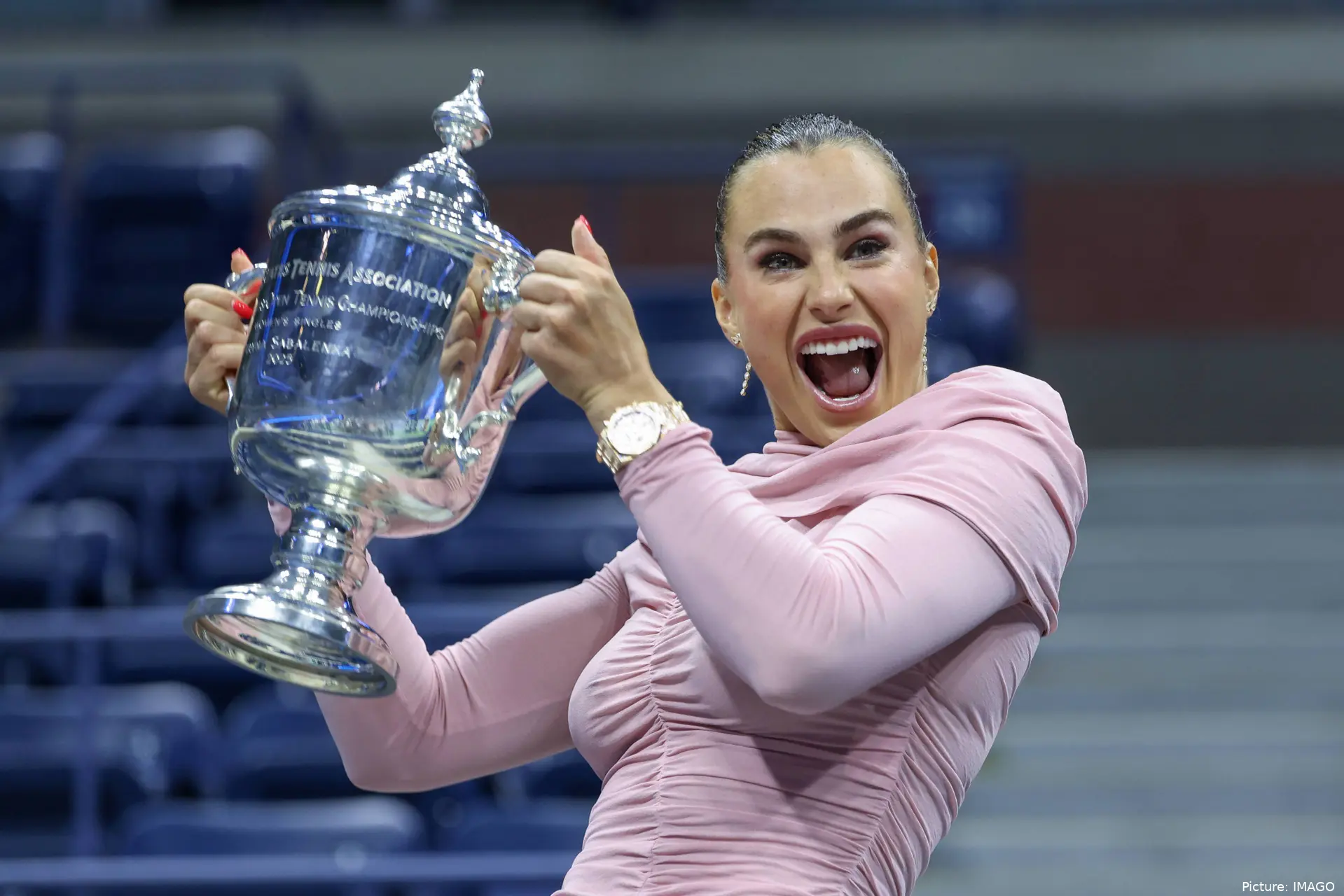
Aryna Sabalenka’s coach, Jason Stacy, spoke about the secrets behind her training — how she transformed from a player who struggled with unforced errors, double faults, and emotional control into a world No. 1 known for her dominance and composure in the biggest matches.
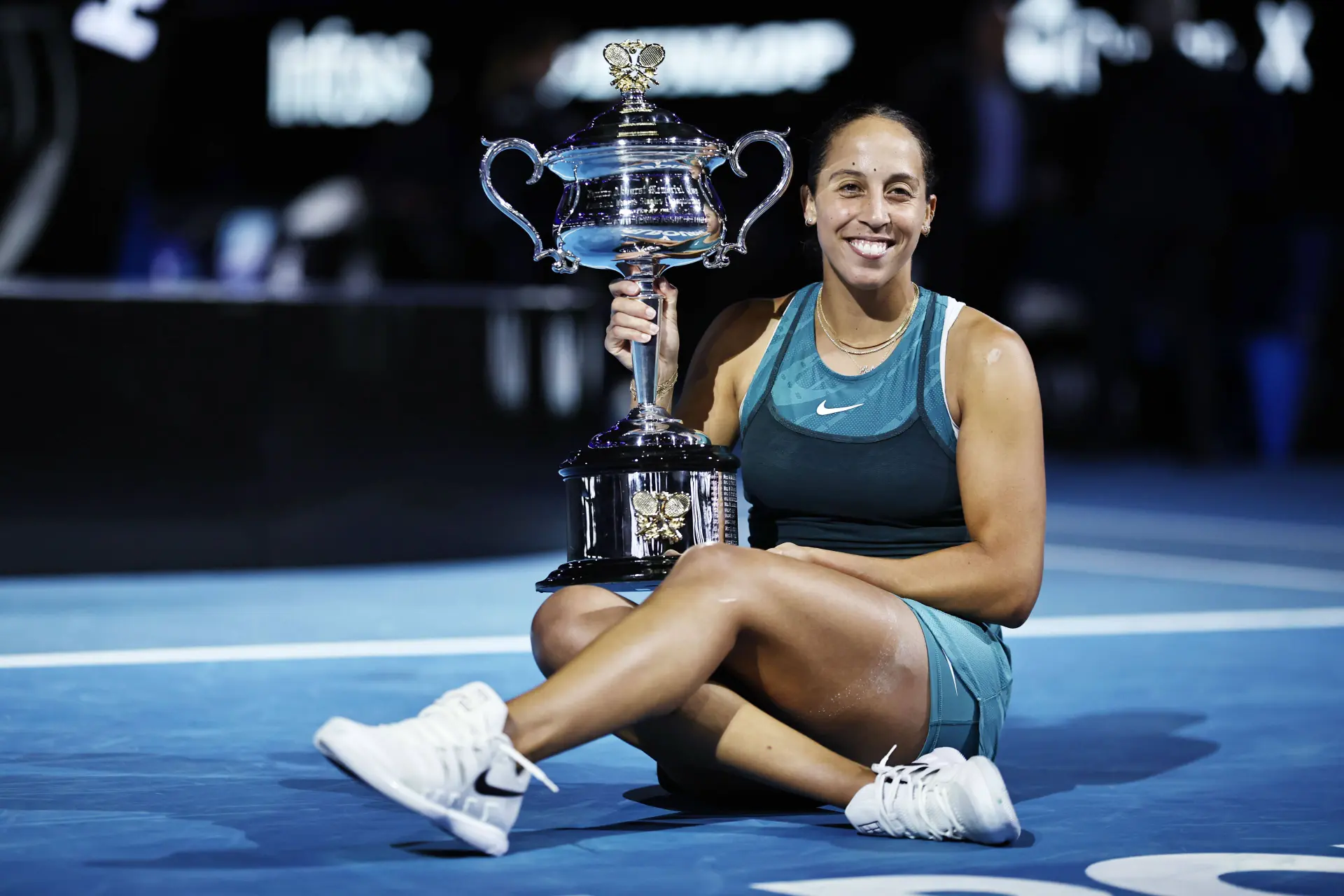
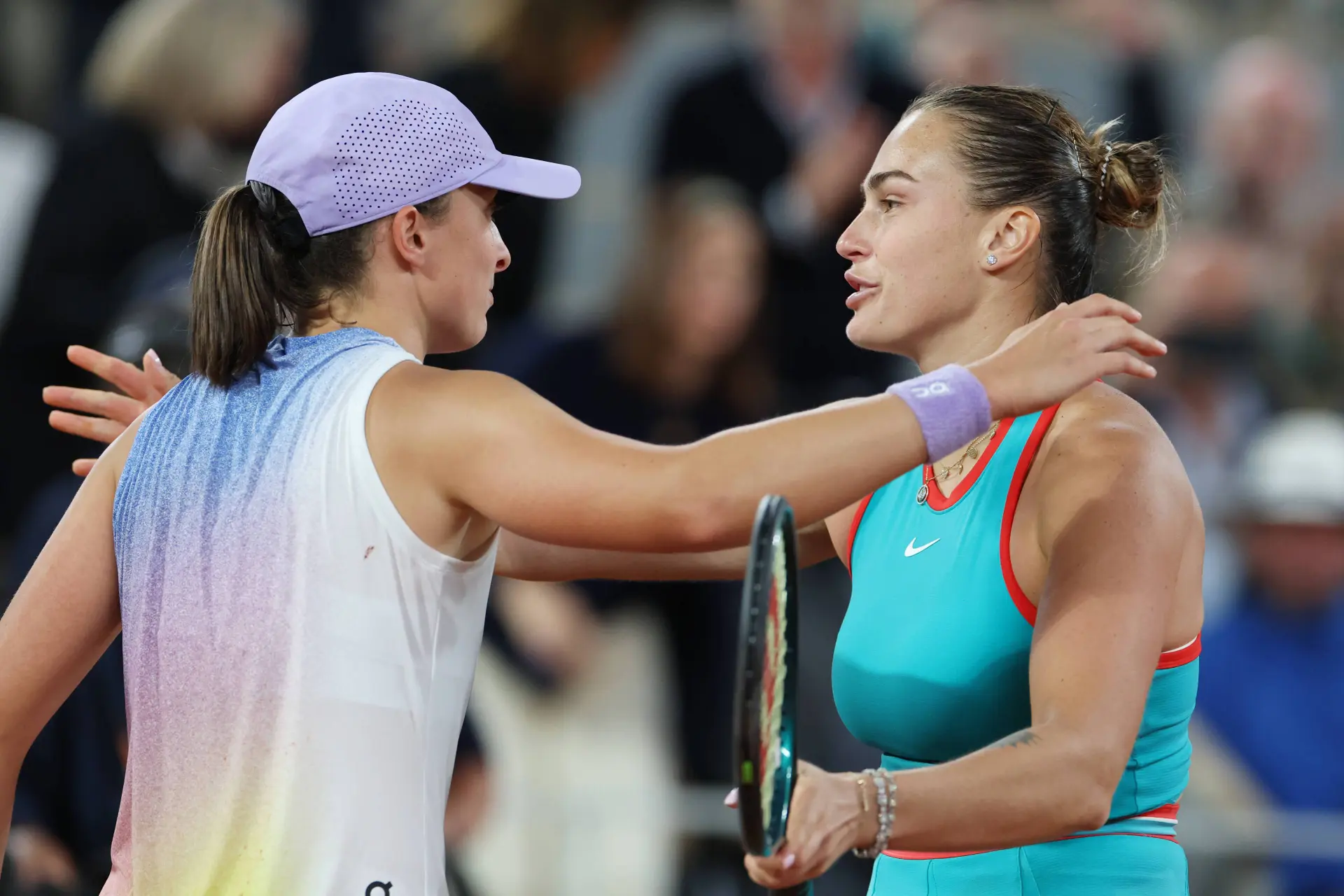
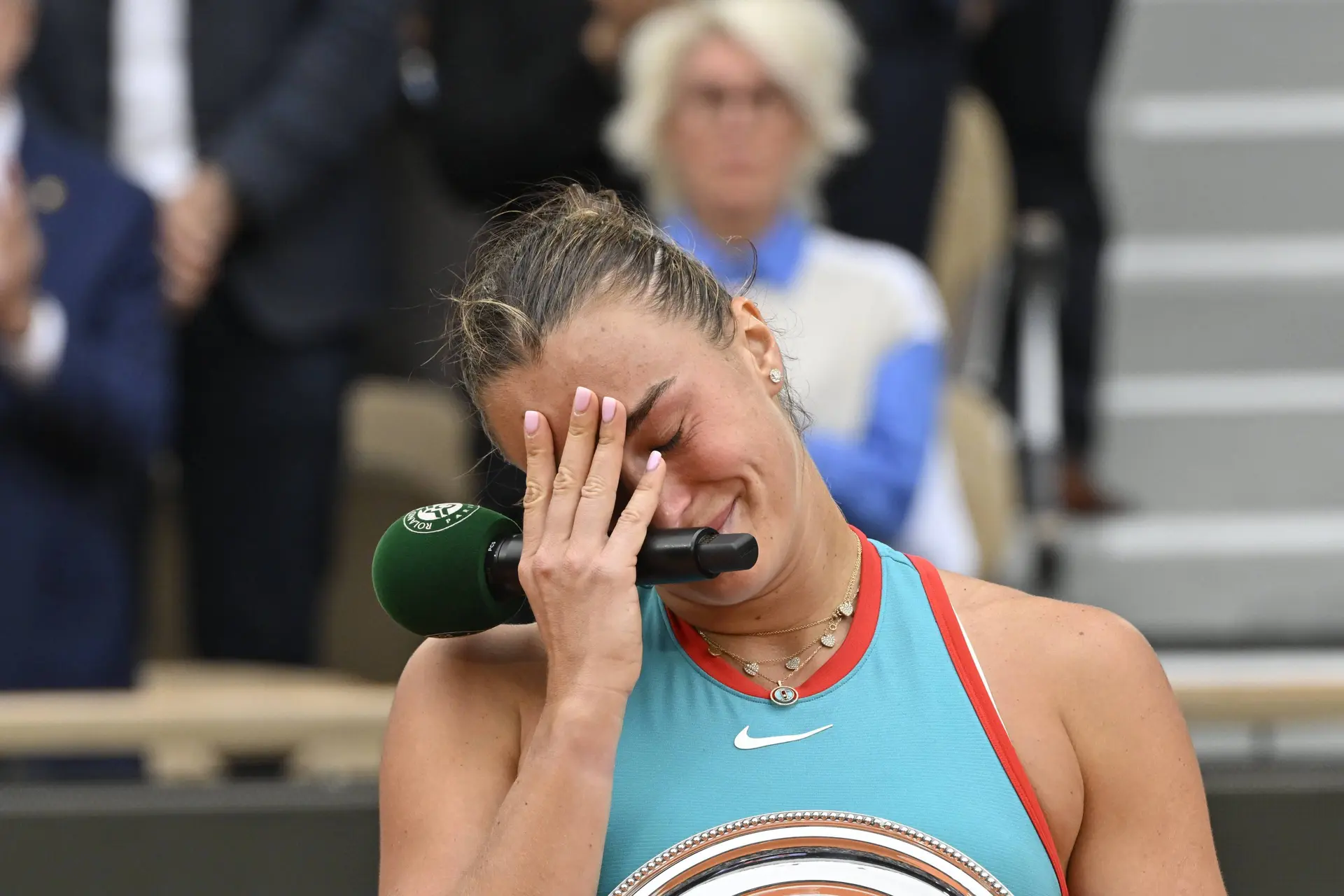
This 2025, the Belarusian not only secured the year-end No. 1 ranking but also lifted her fourth Grand Slam title at the US Open, crowning a year marked by resilience, transformation, and emotional balance. Though she fell short in the Australian Open final against Madison Keys and later in the Roland Garros final against Coco Gauff, Sabalenka’s campaign reflected something far deeper than victories alone.
At the heart of that evolution stands Jason Stacy, her long-time performance coach and the quiet force behind her mental and physical transformation. Since joining the team in 2018, Stacy has helped shape not only Sabalenka’s body and game, but also her mindset. His approach — equal parts philosophy, psychology, and humour — has become the glue of one of the most dynamic teams on tour.
“The culture of any team is the core of everything,” Stacy says in an interview with Tennis Channel. “Managing your environment — especially the people around you — is crucial. Having fun is essential. The tennis season is long, full of demands, and emotionally draining. You need moments where you can just switch off and be in the moment. Whether we’re doing silly games or dancing, those moments keep us grounded and present.”
That balance between lightness and discipline is something the team has carefully cultivated. When fans see Sabalenka drawing on Stacy’s bald head before big matches — usually a tiger, her chosen symbol — it’s not just for show. “The tiger’s just a temporary tattoo,” he laughs, “but it became something more. When I used to compete, I’d carry a small object — often a tiger or eagle — as my focus point. It was my grounding energy. Aryna understood that immediately. That tattoo became a reminder for both of us to stay centred — and the way she performed that night proved it worked.”
From chaos to control: the turning point
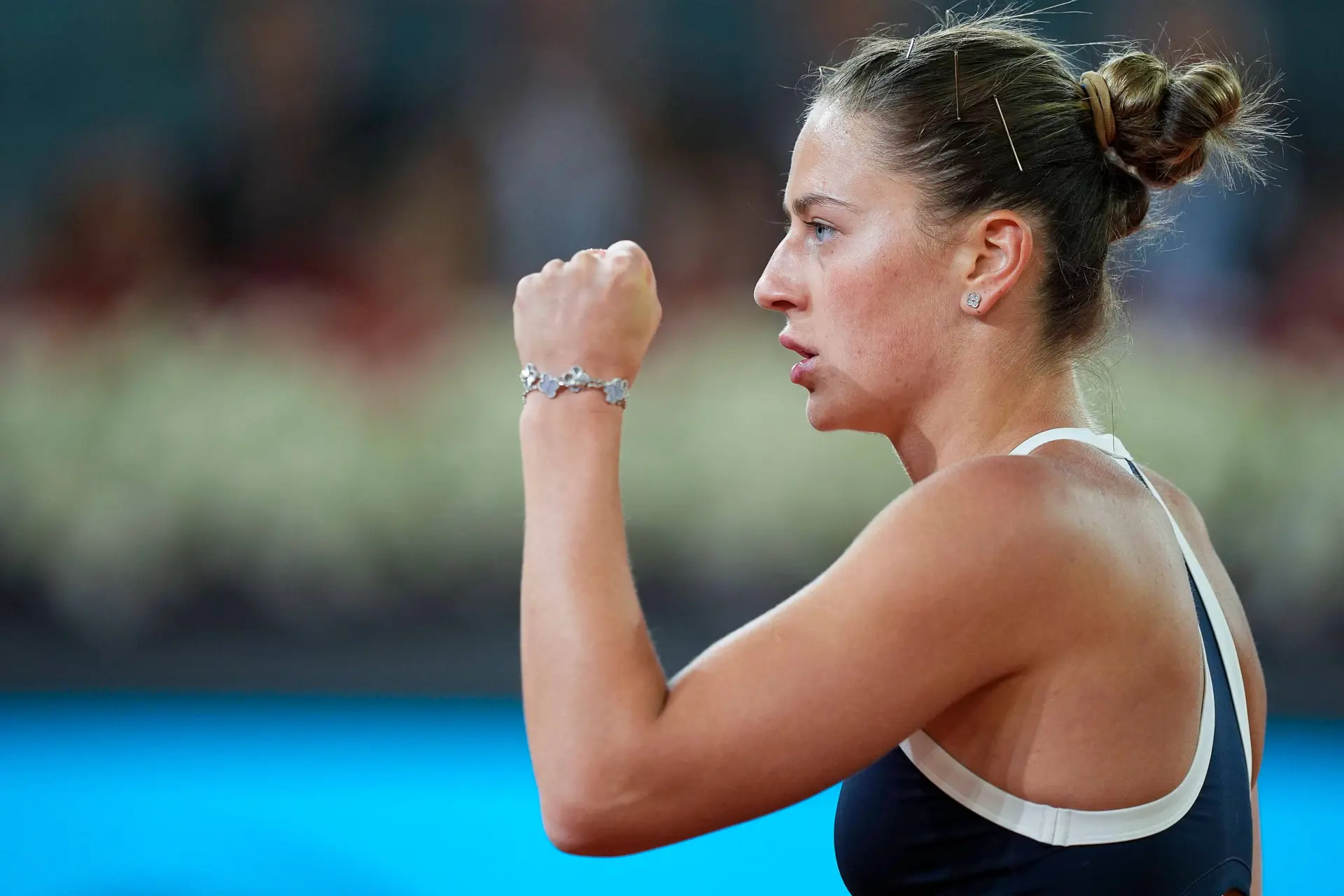
Few moments define Sabalenka’s evolution more than her 2022 crisis — when her serve, once a weapon, became a liability. Stacy recalls that period not with frustration, but admiration. “Even when she was double-faulting and breaking all the wrong records, Aryna kept showing up. She had humility, frustration, and yet never stopped. That’s the difference between a fighter and a warrior — and 2022 was when she started making that transition.”
That crisis turned into a classroom. With the help of biomechanics specialists, Sabalenka rebuilt her technique and, with it, her confidence. “Once she understood the technical side, she gained control over her emotions,” Stacy adds. “She went from a young emotional fighter to a more mature warrior — with purpose, intention, and clarity.”
Her transformation wasn’t just mechanical. Stacy and his team leaned into creativity to keep Sabalenka’s training both sharp and joyful. “We integrate lots of different things — and yes, TikTok dancing might be the secret weapon,” he laughs. “She’s strong, but those drills — from modified jiu-jitsu movements to crawling patterns — helped her coordination and balance, strengthening her core and range of motion. We’ll play soccer, invent games, or use whatever we have. The idea is to keep things fun and functional.”
Rest as her best training
After the emotional blow of losing the Roland Garros final to Gauff, Sabalenka made a surprising decision: skip Montreal. It proved decisive. “The key was not overreacting,” Stacy says. “We didn’t need to reinvent anything — we just needed to recharge. She’d done so much emotional and physical work that rest became her best training.”
That reset paved the way for her run in New York, where she reclaimed her fire with purpose. “We focused on simplifying things: sleep, nutrition, recovery, and mental clarity. No overthinking,” he recalls. “By the time the US Open started, she was fresh — not just physically, but emotionally. When you’ve worked through so much adversity, you don’t need new lessons every week; you just need space for what you’ve learned to integrate. That’s when confidence turns into calm.”
The pursuit of growth
As Sabalenka looks ahead to the WTA Finals and beyond, Stacy’s role remains to keep her grounded amid the noise. “Tennis can consume you — the travel, the points, the rankings. We work hard on balance. We talk about life goals, values, family, purpose — things that remind her that she’s a person before an athlete.”
His philosophy is simple but profound. “When your self-worth depends only on winning, you’re never satisfied. But when you know who you are outside the court, you can handle anything inside it. Aryna understands that now. That’s why she keeps improving — because she’s not just chasing trophies; she’s chasing growth.”
As the season nears its end, that message resonates stronger than ever. Sabalenka has become not just a symbol of power, but of self-mastery — a player who, as Stacy puts it, “isn’t about fixing weaknesses, but about mastering herself.” And in a sport where perfection is often the enemy, that kind of clarity may be her greatest weapon yet.

Cristhián AvilaTennis Journalist
Cristhián Ávila is a tennis journalist based in Santiago, Chile, and has been part of the TennisUpToDate team since early 2023. He covers the ATP and WTA Tours as well as all four Grand Slams, producing breaking news, match reports, analysis, and regular liveblogs from major tournaments.
His reporting combines statistical analysis with clear explanation, helping readers understand tactical developments, player form, and broader storylines across the tour. Working fluently in both Spanish and English, Cristhián collaborates with an international editorial team and contributes to comprehensive global coverage. As part of his work, he has conducted interviews and media interactions with leading figures in the sport, including Caroline Wozniacki and John McEnroe.
In his journalism, Cristhián places strong emphasis on careful sourcing, editorial accuracy, and updating articles promptly when new, verified information becomes available. His coverage is grounded in research, context, and direct engagement with professional tennis.
claps 0visitors 0
Just In

Popular News
Latest Comments
- A healthy Qinwen may be hard to stop next season. She was already scaring her opponents before her medical leave(s). Unfortunately, Zheng insisted on singing again. On the positive side -- Mirra did not sing!! ;~}
 mandoist11-10-2026
 - Where is it written that athletes, entertainers... People in general... are mandated to keep looking at -- or even using [anti]Social Media? Public & private figures consistently complain and reveal their concerns about negativity and violence thrown at them -- yet they insist on participating. Avoid it, don't use it, don't read it. It's okay to occasionally look up at the World instead beating your eyes & thumbs to death on The Inventions out there.mandoist11-10-2026
- great articlestennisseserver07-10-2026
- Medvedev was leading Djokovic 7-5, 3-5 when an attempted return..' NO you ignorants, Djokovic was leading .weiss05-10-2026
- No more bullshit "Wildcards" to these two. Qualify like everyone else -- there will be cameras there, too. Time to scream... WTF ????!!!!mandoist29-09-2026
- Let's not BS the general public -- Sabalenka started showing cracks in her game last season. Her losses and near-losses started at about the same time she began being distracted by Fame (constant Selfies, making TV commercials, magazine shoots, endless Social Media nonsense, etc., etc.) One would think even Saba could recognize the parallels with others who failed before her -- Raducanu, Giorgi, Bouchard to name a few.mandoist25-09-2026
- Gross!! Hey Raducanu, Giorgi, and Bouchard -- reserve a seat at your Social Media Selfie table for Saba + Naomi. They're heading in your direction soon enough.mandoist24-09-2026
- And then these same players will complain about how lengthy their season’s were and need more time-off. I’m all for more tennis but the amount of tennis we get now is actually kind of crazy! We all need a break, especially the players.DaveyWavey23-09-2026
- You should do a comparison article for "different kinds of justice" the courts decide for tennis players. I can think of at least three players who received very small bans of a few months, however Tara Moore has been fighting for her literal survival the past few years. It seems odd considering she is not a "name" player, unlike the other cases.DaveyWavey22-09-2026
- PRIZE MONEY & POINTS Winner - $185,500 Finalist - $114,500 Semi-Finalist - $66,003 Quarter-Finalist - $35,000 Round of 16 - $18,045 Round of 32 - $13,005 Winner - 500 Finalist - 325 Semi-Finalist - 195 Quarter-Finalist - 108 Round of 16 - 60 Round of 32 - 1DaveyWavey20-09-2026

Loading