“Sometimes in practice it can be a little difficult”: Conchita Martínez explains key factors behind Andreeva’s first Slam title
WTA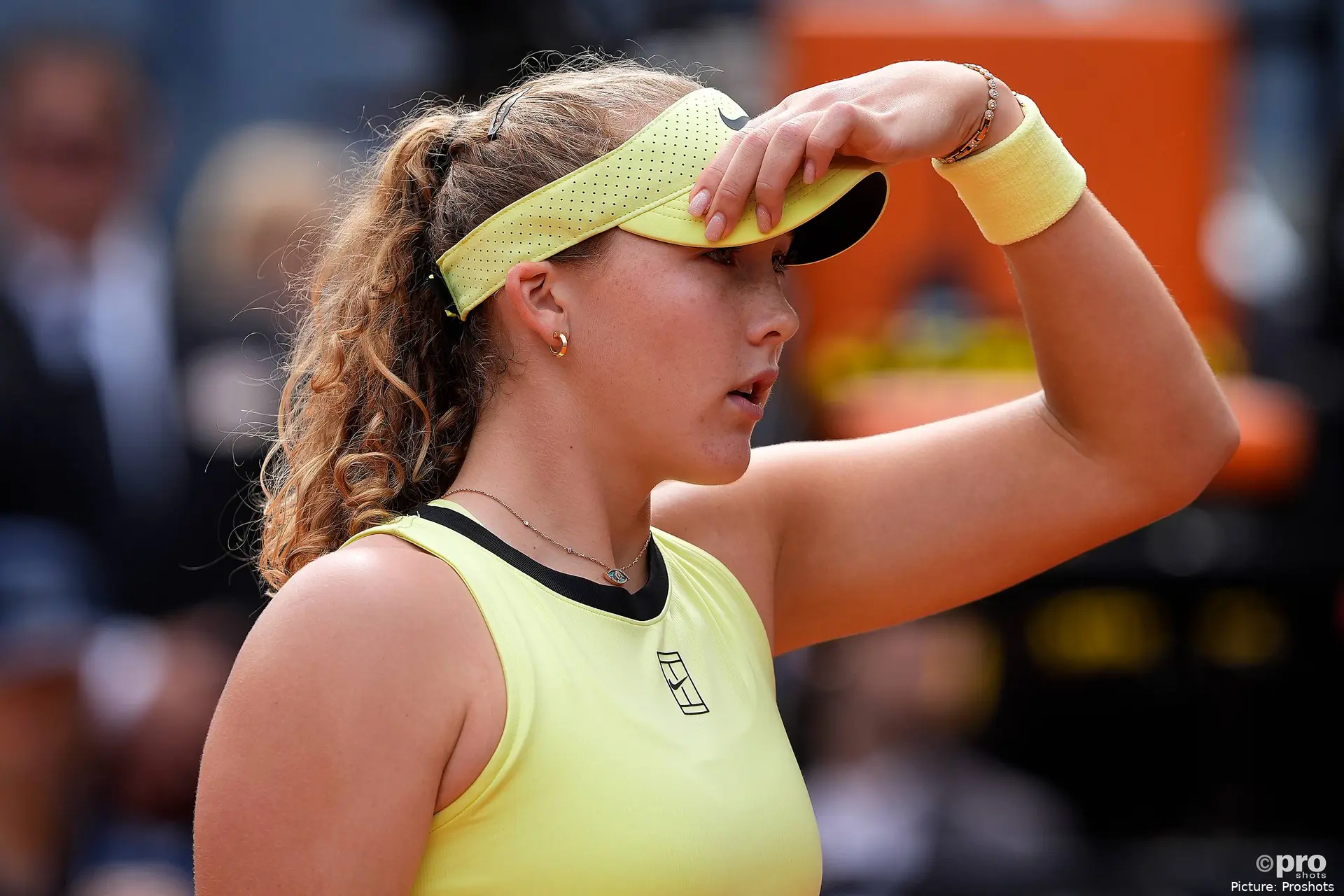
Conchita Martínez described Mirra Andreeva’s Roland-Garros 2026 title as the outcome of a long and uneven developmental process. Speaking after the final, the Spanish coach repeatedly stressed the emotional weight of the moment and the player’s growth through fluctuations in form, mentality and performance under pressure.
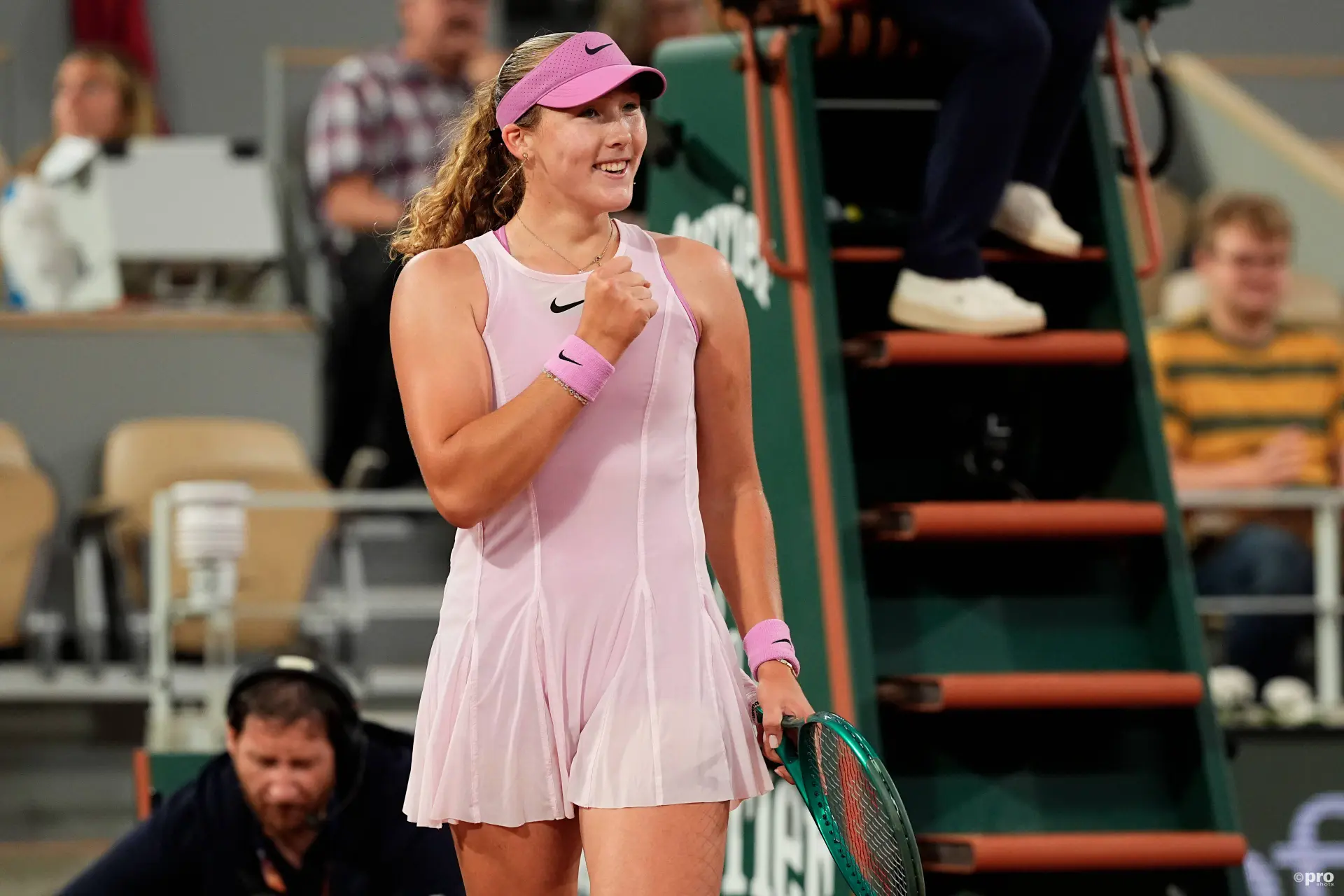
The 19-year-old captured her first Grand Slam title in Paris this Saturday after a tournament defined by sustained composure across seven matches, where she only dropped one set. In the final, she delivered another display of maturity, defeating Maja Chwalińska 6-3, 6-2, reinforcing her status as a top-10-level performer throughout the event.
Martínez played a fundamental role in Andreeva’s development over the last two years, and also in the preparation for this specific match, admitting she had watched “a lot of videos, a lot of matches, and a lot of statistics”, despite the opponent being relatively unknown on the WTA Tour.
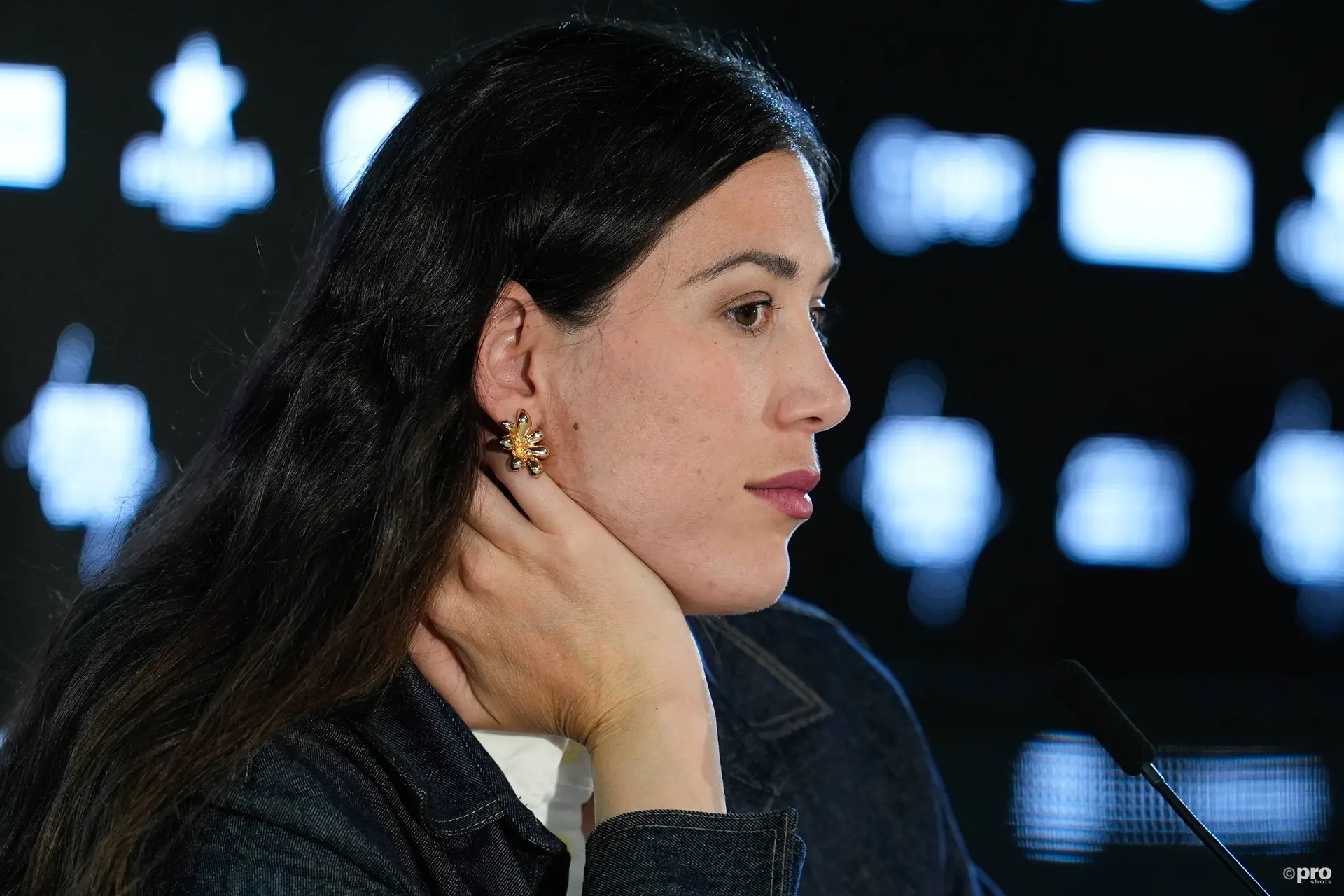
The Spanish coach herself played a Roland-Garros final during her career back in 2000, where she lost to home favourite Mary Pierce, the last time Martínez reached a Grand Slam final as a player. This time, as a coach, she was able to celebrate alongside Andreeva, similar to a few years ago when Garbiñe Muguruza—also coached by Martínez—won the title in Paris by defeating Serena Williams in the final.
“Super proud”: long road, development and emotional control
Martínez, who has worked with Andreeva for the last two years, directly framed the win as the product of a prolonged process marked by inconsistency and learning phases. She highlighted both the age of the player and the progression required to compete at the highest level.
“I'm super proud, to tell you the truth. I cannot hide it. It's been quite a long road, with a lot of ups and downs. She's 19, she's learning, she's getting more experience.”

Mirra Andreeva beats Cirstea to reach the semi-finals at Roland Garros 2026
She then detailed the conditions of Andreeva’s performance in Paris and her behavioural stability throughout the tournament.
“But this Roland-Garros she was super focused, behaved very well on court, and maintained her composure. I'm super proud of the work and of how she was open to listening and doing everything that is needed to win a Grand Slam. So I couldn't be prouder.”
Martínez underlined that the key improvement was not only technical but mental, especially in handling pressure situations over a two-week Grand Slam format. She described the ability to remain stable as a decisive factor in the final outcome.
"It's very, very special" — personal and professional meaning
Martínez also reflected on the emotional dimension of the victory, linking it to her own past at Roland-Garros. She referenced her previous final loss in 2000 and contrasted it with her current role as coach in a Grand Slam-winning campaign.
“That was a very tough final to lose. But this feels amazing, to tell you the truth. Of course, I would have loved to win Roland-Garros as a player. But when you quit tennis and look back at everything that you achieved, I'm also super happy about my career.”
“Then, to have a great career as a coach and now see Mirra winning this Roland-Garros is very, very special. Also, Garbiñe was there. We hugged. She was the first one that I won a Grand Slam with.”
This moment also connected different phases of Martínez’s coaching career, including her earlier success with Muguruza, reinforcing a continuity in her presence in Grand Slam-winning environments across generations.
“Sometimes it can be a little difficult”: coaching dynamics and development process
Martínez also addressed the day-to-day reality of working with Andreeva, acknowledging that consistency in training has not always been straightforward. Andreeva herself had mentioned in her acceptance speech that she knows it is not always easy to work with her.
“Sometimes it's not. Sometimes it's not. I'm not going to lie to you. She's a super nice girl off the court. Sometimes in practice it can be a little difficult.”
She emphasised that emotional regulation in practice is essential for match performance, stressing the importance of translating training behaviour into competition scenarios. “But when she's open to listening, open to breathing, and working with her emotions in practice, that's important. Because if you don't do it in practice, how is it going to work when you play a match?”
Martínez also admitted that communication can sometimes be challenging, particularly when the player is not receptive to feedback in training environments. “Her attitude is difficult. You tell her something and maybe she's not open to listening.”
However, she balanced this by reinforcing that when the process works correctly, the ceiling is extremely high for Andreeva. “That can be a little difficult because when she works hard, listens, and does everything, she has no limits. The sky's the limit.”

Cristhián AvilaTennis Journalist
Cristhián Ávila is a tennis journalist based in Santiago, Chile, and has been part of the TennisUpToDate team since early 2023. He covers the ATP and WTA Tours as well as all four Grand Slams, producing breaking news, match reports, analysis, and regular liveblogs from major tournaments.
His reporting combines statistical analysis with clear explanation, helping readers understand tactical developments, player form, and broader storylines across the tour. Working fluently in both Spanish and English, Cristhián collaborates with an international editorial team and contributes to comprehensive global coverage. As part of his work, he has conducted interviews and media interactions with leading figures in the sport, including Caroline Wozniacki and John McEnroe.
In his journalism, Cristhián places strong emphasis on careful sourcing, editorial accuracy, and updating articles promptly when new, verified information becomes available. His coverage is grounded in research, context, and direct engagement with professional tennis.
claps 2visitors 1
Just In


Popular News
Latest Comments
- great articlestennisseserver07-10-2026
- Medvedev was leading Djokovic 7-5, 3-5 when an attempted return..' NO you ignorants, Djokovic was leading .weiss05-10-2026
- No more bullshit "Wildcards" to these two. Qualify like everyone else -- there will be cameras there, too. Time to scream... WTF ????!!!!
 mandoist29-09-2026
 - Let's not BS the general public -- Sabalenka started showing cracks in her game last season. Her losses and near-losses started at about the same time she began being distracted by Fame (constant Selfies, making TV commercials, magazine shoots, endless Social Media nonsense, etc., etc.) One would think even Saba could recognize the parallels with others who failed before her -- Raducanu, Giorgi, Bouchard to name a few.mandoist25-09-2026
- Gross!! Hey Raducanu, Giorgi, and Bouchard -- reserve a seat at your Social Media Selfie table for Saba + Naomi. They're heading in your direction soon enough.mandoist24-09-2026
- And then these same players will complain about how lengthy their season’s were and need more time-off. I’m all for more tennis but the amount of tennis we get now is actually kind of crazy! We all need a break, especially the players.DaveyWavey23-09-2026
- You should do a comparison article for "different kinds of justice" the courts decide for tennis players. I can think of at least three players who received very small bans of a few months, however Tara Moore has been fighting for her literal survival the past few years. It seems odd considering she is not a "name" player, unlike the other cases.DaveyWavey22-09-2026
- PRIZE MONEY & POINTS Winner - $185,500 Finalist - $114,500 Semi-Finalist - $66,003 Quarter-Finalist - $35,000 Round of 16 - $18,045 Round of 32 - $13,005 Winner - 500 Finalist - 325 Semi-Finalist - 195 Quarter-Finalist - 108 Round of 16 - 60 Round of 32 - 1DaveyWavey20-09-2026
- Pegula withdrew from this Singapore event
 tennishappens19-09-2026
 - Serena Williams chose her tournaments. It's not such a bad idea.MuswellHillbilly17-09-2026

Loading