
Former Australian Open champion Jennifer Capriati was one of the star guests at the first major tournament of the year. The two-time champion had not been in Melbourne since her last appearance at the event back in 2003, when she was defeated in the first round and saw her streak of 14 consecutive wins come to an end, following back-to-back titles in the previous editions (2001–2002).
This time, Capriati travelled to Australia to watch several matches during the second week in Melbourne. She witnessed firsthand Elena Rybakina’s victory over Aryna Sabalenka in the women’s final, as well as the men’s final in which Carlos Alcaraz captured his seventh major title, defeating 24-time Grand Slam champion Novak Djokovic.
The American also appeared on the tournament’s official podcast, The Sit Down, to mark the 25th anniversary of her first major title, achieved precisely at Rod Laver Arena after defeating the four-time champion at the time, Martina Hingis. Just two years later, Capriati would make her final appearance at the tournament, retiring at only 26 years of age.
For Capriati, this was her first time at the Happy Slam as a former player.
“I would say it was quite some time ago. I would say over maybe 20 years ago, in 2003. Yeah, I haven’t been back since then, so it’s quite a long time,” the former world No. 1 said as she recalled her first major title back in 2001.
“First Australian Open, first Grand Slam, so pretty amazing. That really just kicked off a whole new career, a whole new start for me. It couldn’t have come at a better place.”
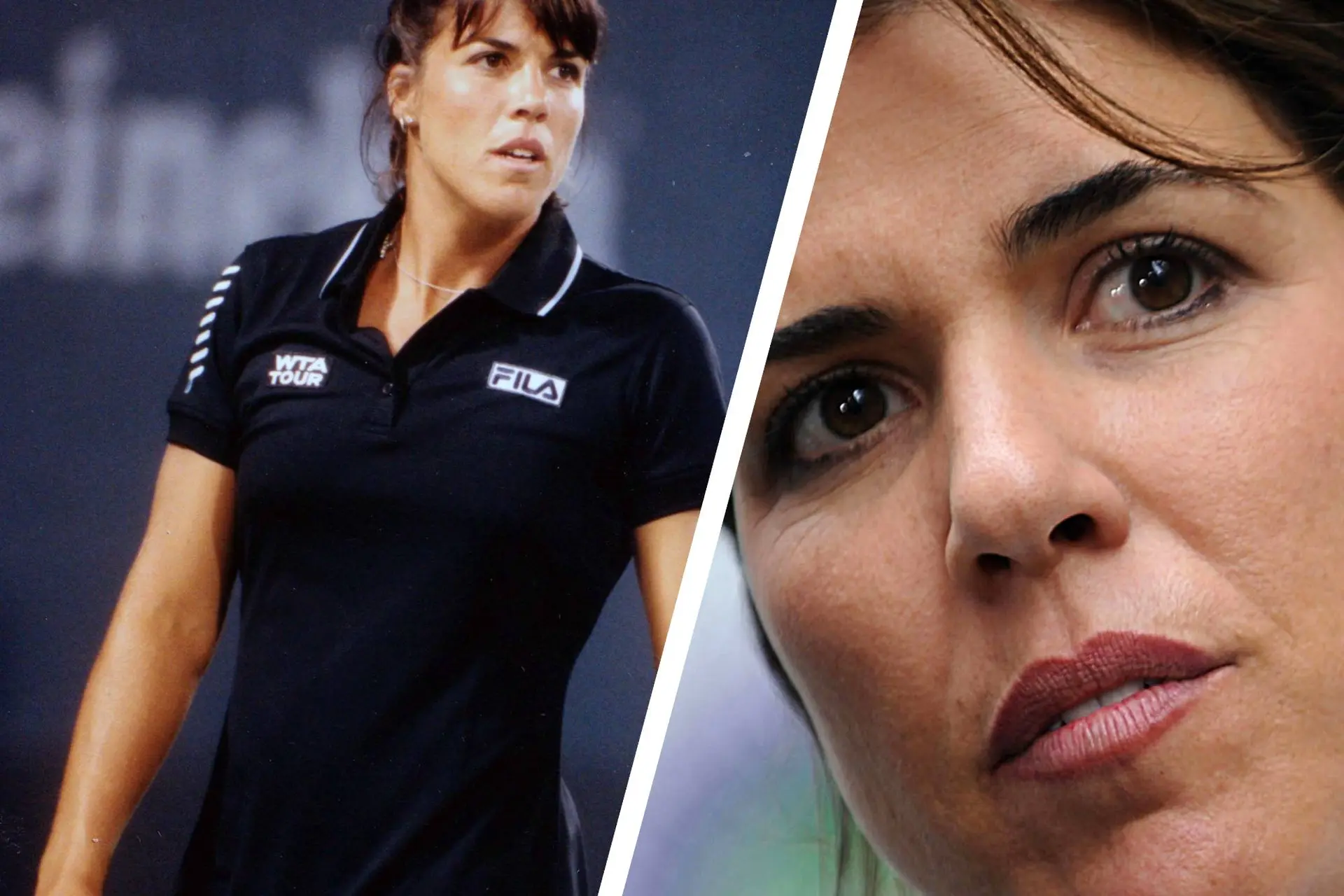
“It felt like home”: Why Australia always brought out Capriati’s best tennis
From a very young age, the three-time major champion had already dazzled the tennis world. She reached back-to-back quarterfinals in 1992 and 1993 while still a teenager. By the age of 18, Capriati had already made three major semifinals and six Grand Slam quarterfinals.
In the years that followed, she took a break from her career due to injuries and personal issues, and it took until the end of the decade for her to re-establish herself among the elite. In 1999, she won her first title in six years and began to get her career back on track, a resurgence that culminated in her long-awaited Grand Slam title at the 2001 Australian Open.
“I think it was the first Slam of the year. I was a little bit fresh, mind rested, body rested, really looking forward to it. I loved the conditions, the thriving conditions. Being from Florida, it felt kind of like home, maybe a little hotter, if that’s even possible. It was the overall feeling of the culture, the people, the animals, the accent. For a young kid especially, it was exciting to come down here.”

“Everything turned around”: The defining season of Capriati’s career
That same year, 2001, marked the best season of Capriati’s career. She captured back-to-back titles at the Australian Open and Roland Garros, rising to world No. 1 in the process. She also reached the semifinals at both Wimbledon and the US Open, compiling a remarkable 24–2 record in Grand Slam tournaments that season, in addition to winning a WTA 1000 title and reaching three other finals at that level.
“Yeah, it really stands out. I did pretty well at Wimbledon too, I got stopped there, but it was the year that everything really turned around in my mindset,” the American said, having put together a streak of 19 consecutive Grand Slam victories.
“Getting in such great shape and really having the belief. I just felt so strong, even on maybe not my best surface, like clay."
"It all came down to the physical. I really thrived in these conditions, and I made a really conscious effort. I knew that’s what I had to do to get to that next level.”
“It was like another opponent”: The epic 2002 Australian Open final
In 2002, things became even more complicated in the Melbourne final, where Capriati returned to defend her title against Hingis once again. Capriati saved four championship points and eventually prevailed in a historic final, which also marked the third consecutive Australian Open final defeat for Hingis.
“She was playing really well, and the conditions were something I had never really felt before, that kind of heat. I thought to myself, this is going to be tough. It really was like another opponent out there,” Capriati said.
“I had to figure out how to pace myself a little bit. There were so many momentum shifts going back and forth.”
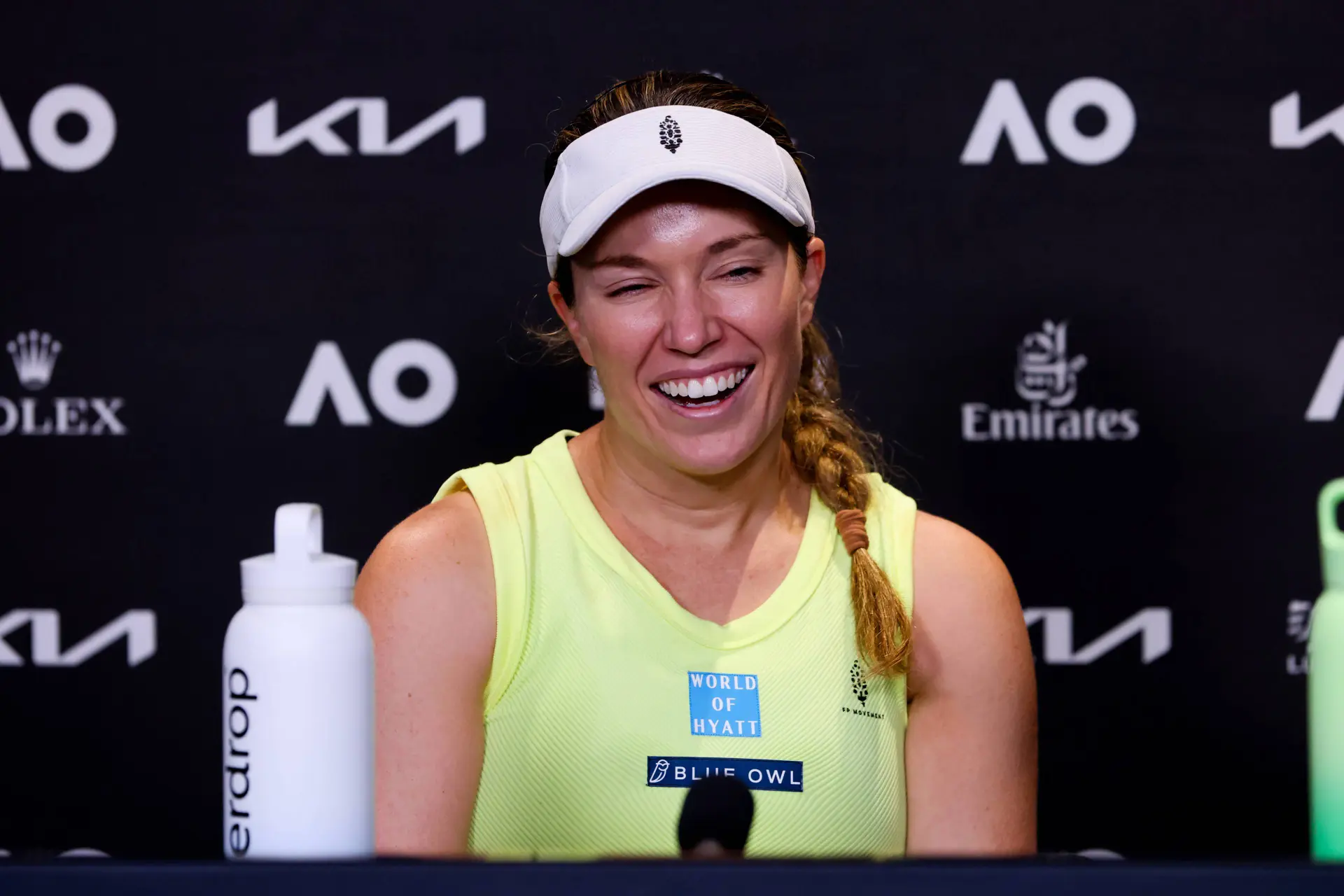
“You’d give it all you could, then feel completely depleted from those points, then almost have to rest, then she would take over and I would take over. It was swapping back and forth. I kept telling myself, this is an endurance game. Just hang in there and tough it out as best you can. It was really just about getting through it.”
“I didn’t give up”: From prodigy to fighter until the end
The American was one of the most exciting talents ever seen in the Open Era. She reached her first major final at just 13 years old, entered the top 10 at 14, and won the Olympic gold medal at the 1992 Barcelona Games at the age of 16. At only 17, she took her first extended break from tennis, stepping away for 14 months due to personal struggles.
“Winning the Olympics was really meaningful to me, especially winning for my country. I played the match of my life there. I did pretty well in some big finals. You just need to get to the finals. It was exciting. It really was exciting.”
Capriati ultimately retired in 2004 while still ranked inside the top 10, but ongoing injuries prevented her from maintaining the level of competition she expected from herself, despite having been one of the dominant forces on tour during the previous decade.
“It was my shoulder, and I also had wrist surgery. A double whammy. Not many people know that. My shoulder gave out, and I was feeling the effects on my body. I wanted a break, but it turned out to be permanent.”
Even so, Capriati dreamed of a comeback, something that never came to fruition.
“I had no intention of retiring. It was shocking and very hard. I went through rehab, physical therapy, searched for answers everywhere. I didn’t give up. Even a few years ago, I was still trying. I believe whatever’s meant to be is meant to be.”
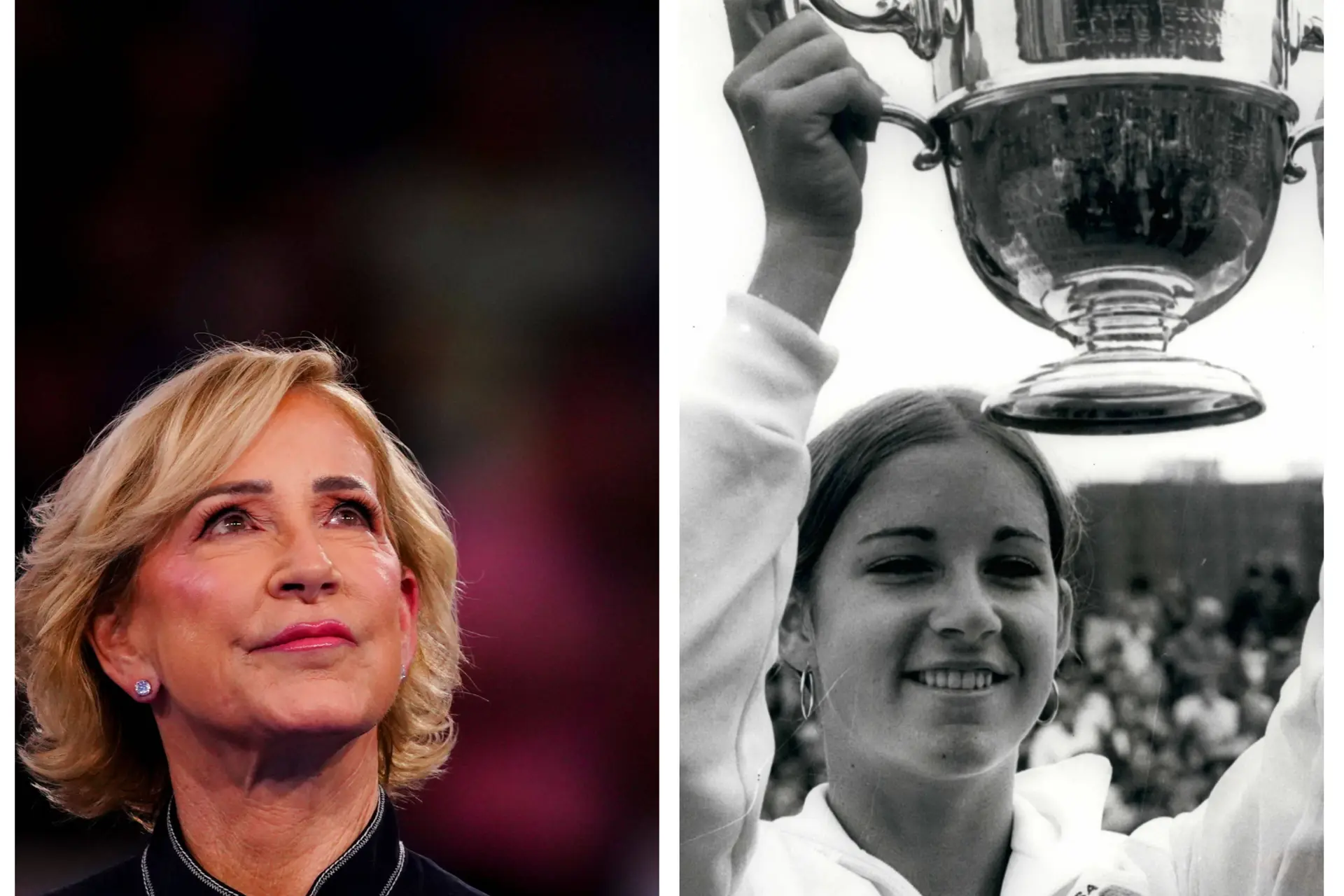
Jennifer Capriati – Grand Slam Finals
- Australian Open 2001: defeated Martina Hingis (6–4, 6–3)
- French Open 2001: defeated Kim Clijsters (1–6, 6–4, 12–10)
- Australian Open 2002: defeated Martina Hingis (4–6, 7–6, 6–2)

Cristhián AvilaTennis Journalist
Cristhián Ávila is a tennis journalist based in Santiago, Chile, and has been part of the TennisUpToDate team since early 2023. He covers the ATP and WTA Tours as well as all four Grand Slams, producing breaking news, match reports, analysis, and regular liveblogs from major tournaments.
His reporting combines statistical analysis with clear explanation, helping readers understand tactical developments, player form, and broader storylines across the tour. Working fluently in both Spanish and English, Cristhián collaborates with an international editorial team and contributes to comprehensive global coverage. As part of his work, he has conducted interviews and media interactions with leading figures in the sport, including Caroline Wozniacki and John McEnroe.
In his journalism, Cristhián places strong emphasis on careful sourcing, editorial accuracy, and updating articles promptly when new, verified information becomes available. His coverage is grounded in research, context, and direct engagement with professional tennis.
claps 0visitors 0
Just In

Popular News
Latest Comments
- A healthy Qinwen may be hard to stop next season. She was already scaring her opponents before her medical leave(s). Unfortunately, Zheng insisted on singing again. On the positive side -- Mirra did not sing!! ;~}
 mandoist11-10-2026
 - Where is it written that athletes, entertainers... People in general... are mandated to keep looking at -- or even using [anti]Social Media? Public & private figures consistently complain and reveal their concerns about negativity and violence thrown at them -- yet they insist on participating. Avoid it, don't use it, don't read it. It's okay to occasionally look up at the World instead beating your eyes & thumbs to death on The Inventions out there.mandoist11-10-2026
- great articlestennisseserver07-10-2026
- Medvedev was leading Djokovic 7-5, 3-5 when an attempted return..' NO you ignorants, Djokovic was leading .weiss05-10-2026
- No more bullshit "Wildcards" to these two. Qualify like everyone else -- there will be cameras there, too. Time to scream... WTF ????!!!!mandoist29-09-2026
- Let's not BS the general public -- Sabalenka started showing cracks in her game last season. Her losses and near-losses started at about the same time she began being distracted by Fame (constant Selfies, making TV commercials, magazine shoots, endless Social Media nonsense, etc., etc.) One would think even Saba could recognize the parallels with others who failed before her -- Raducanu, Giorgi, Bouchard to name a few.mandoist25-09-2026
- Gross!! Hey Raducanu, Giorgi, and Bouchard -- reserve a seat at your Social Media Selfie table for Saba + Naomi. They're heading in your direction soon enough.mandoist24-09-2026
- And then these same players will complain about how lengthy their season’s were and need more time-off. I’m all for more tennis but the amount of tennis we get now is actually kind of crazy! We all need a break, especially the players.DaveyWavey23-09-2026
- You should do a comparison article for "different kinds of justice" the courts decide for tennis players. I can think of at least three players who received very small bans of a few months, however Tara Moore has been fighting for her literal survival the past few years. It seems odd considering she is not a "name" player, unlike the other cases.DaveyWavey22-09-2026
- PRIZE MONEY & POINTS Winner - $185,500 Finalist - $114,500 Semi-Finalist - $66,003 Quarter-Finalist - $35,000 Round of 16 - $18,045 Round of 32 - $13,005 Winner - 500 Finalist - 325 Semi-Finalist - 195 Quarter-Finalist - 108 Round of 16 - 60 Round of 32 - 1DaveyWavey20-09-2026

Loading