COLUMN: Jessica Pegula isn’t just fixing the WTA calendar, she may be preparing to shape the future of tennis
ColumnWednesday, 18 February 2026 at 08:37
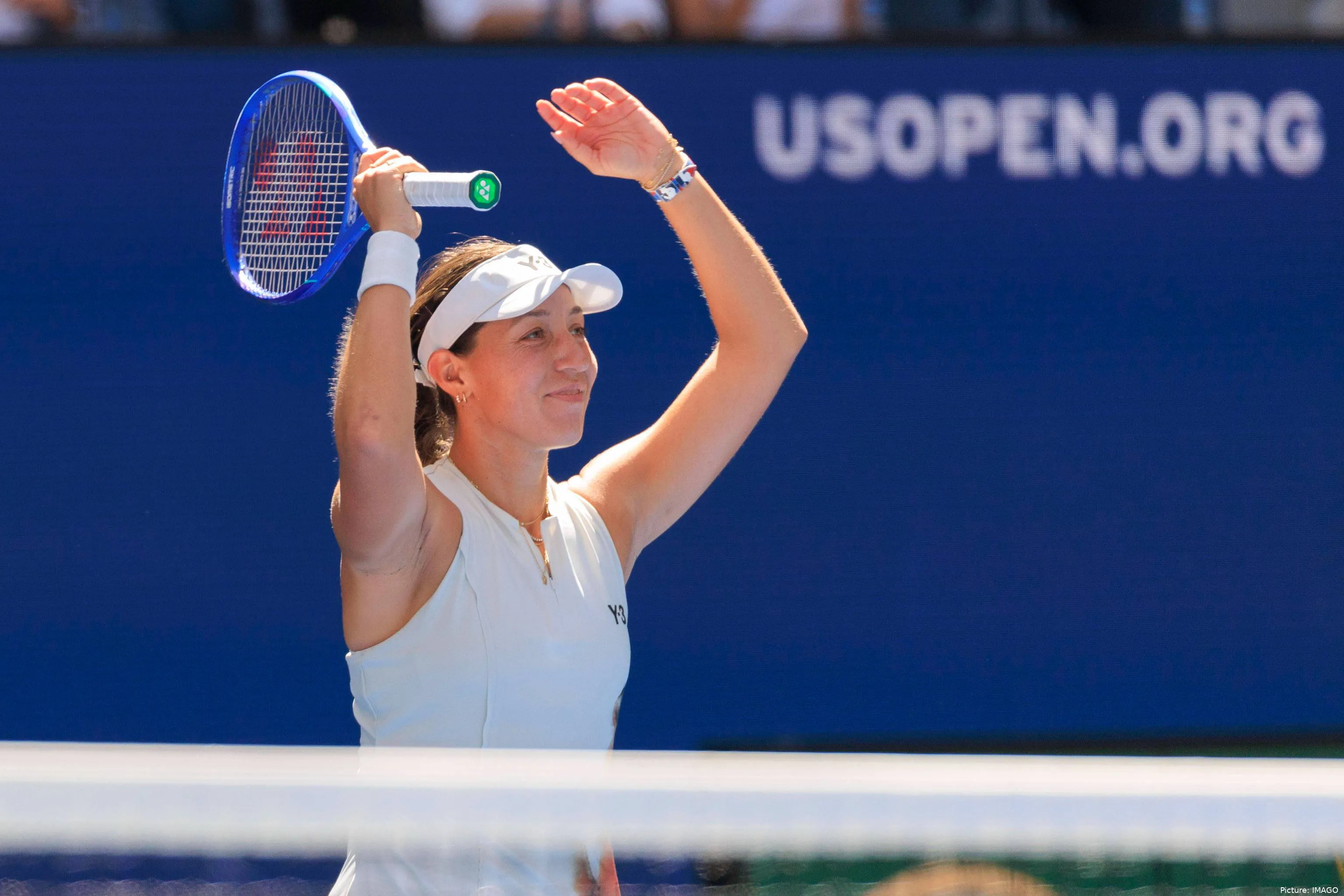
For years, I’ve argued that Jessica Pegula’s true impact on tennis is still ahead of her. Not because she hasn’t achieved at the highest level. She has. A US Open finalist, a consistent presence inside the top five, and one of the steadiest competitors of her generation, Pegula has already built a career most players would envy. But as she turns 32 this spring, currently ranked world No. 5, the conversation about her legacy may be missing the larger point.
While Pegula’s playing career may be entering its final chapter, her influence on the sport may just be beginning.
As ESPN reported on Tuesday, Pegula will chair a new 13-person Tour Architecture Council to examine the WTA calendar, rankings points structure, and mandatory participation rules has been framed as a practical response to widespread complaints about burnout and scheduling chaos. That explanation is accurate, but it is incomplete. When Pegula steps into governance, we should recognize that she does not do so from the perspective of a typical player representative.
Jessica Pegula comes from one of the most significant sports ownership families in North America. Her father, Terry Pegula, owns the Buffalo Bills of the NFL, the Buffalo Sabres of the NHL, and the Buffalo Bandits of the National Lacrosse League. This is not passive investment capital. It is hands-on ownership inside complex league structures involving collective bargaining agreements, media rights negotiations, revenue sharing models, stadium financing, and long-term franchise valuation strategies.
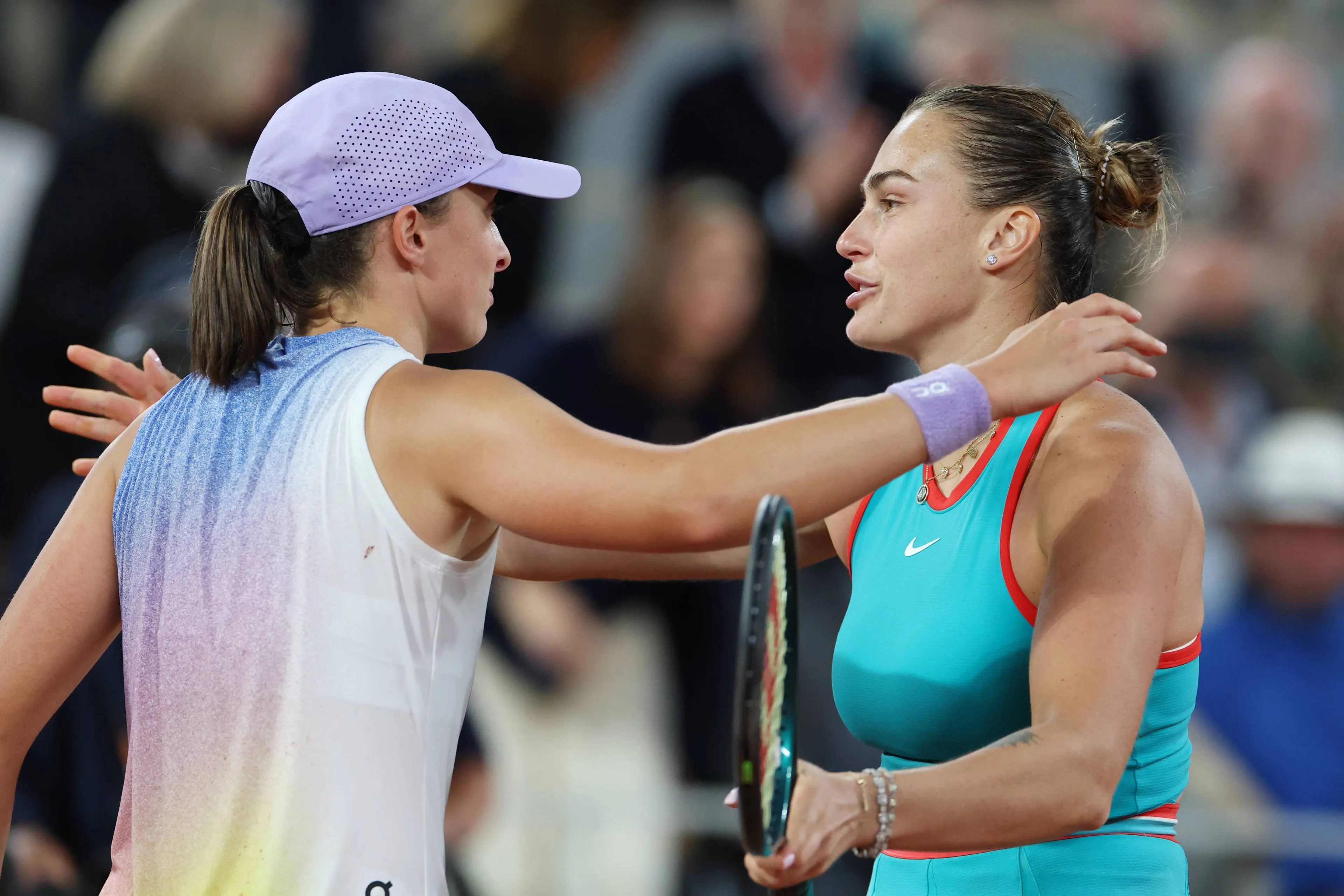
Growth from early to help shape future of sport amid scheduling crisis
Pegula did not simply grow up around elite sport. She grew up around the business architecture of elite sport.
That context matters. It changes how we should interpret her role at and in this moment.
The WTA’s scheduling problem is real. Players have been openly describing the calendar as unsustainable. Aryna Sabalenka has called the season “insane.” Iga Swiatek and other top players have withdrawn from major events, including recent WTA 1000 stops. The physical toll is obvious. The mental fatigue is visible. Fans are frustrated when star players pull out of tournaments they paid to attend.
But the calendar is the surface issue. Underneath it sits a deeper structural tension that has long defined professional tennis: fragmentation. The WTA, the ATP, the four Grand Slams, tournament owners, sponsors, broadcasters, and national federations all operate with overlapping authority and competing incentives. No single entity fully controls the product. Decisions often reflect political compromise more than strategic coherence.
From an ownership perspective, that fragmentation is not just frustrating. It is inefficient.

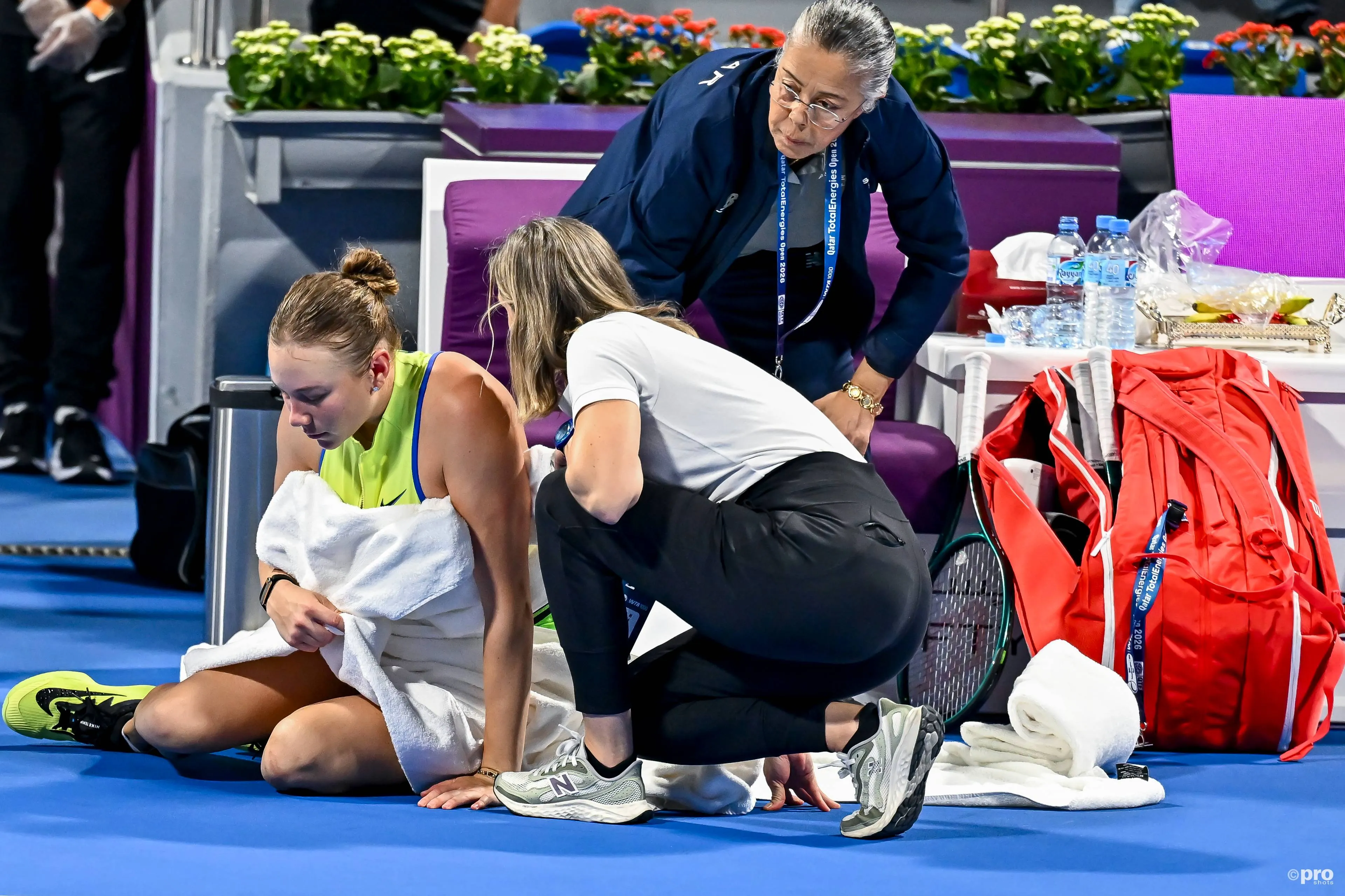
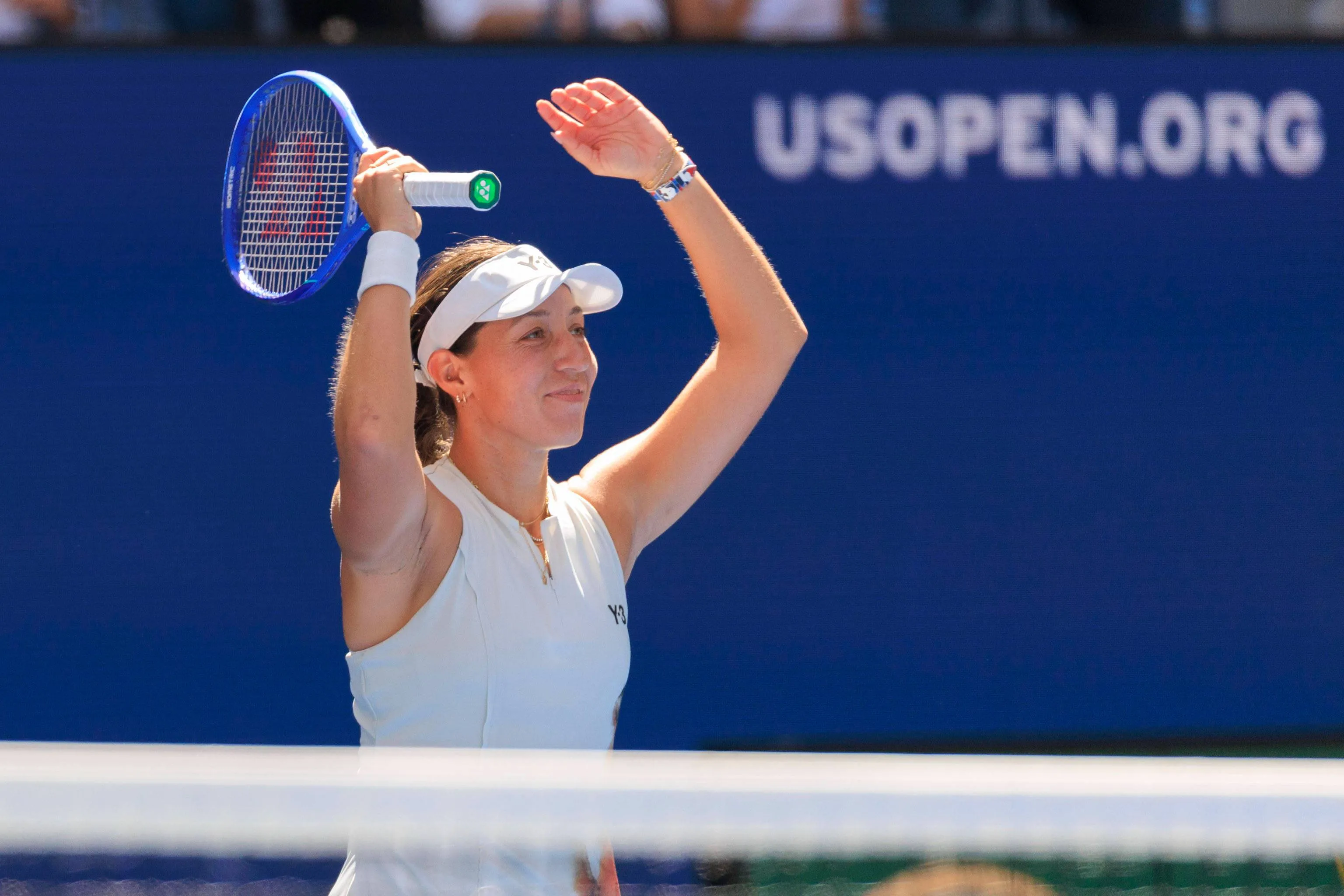
Jessica Pegula reached semifinals at 2025 China Open, but was defeated by Linda Noskova
When Pegula chairs a council to “reimagine” the calendar, she is not simply advocating for more rest weeks. She is gaining a first-hand, insider’s understanding of how the machine works. She is seeing where revenue flows. She is observing which stakeholders resist change. She is learning which levers actually move the sport and which are cosmetic.
If you were planning to influence, restructure, or even one day control a professional sports property, this is precisely the vantage point you would want.
We have seen similar arcs in other sports. Elite athletes increasingly transition into ownership and governance roles once their playing careers conclude. They bring credibility with players and literacy in business. They understand the locker room and the balance sheet. They operate fluently in both spaces. Pegula is uniquely positioned to do the same in tennis.
It is almost striking how little this possibility is discussed. A top-five player from one of the most powerful sports ownership families in America steps into a structural reform role, and the coverage largely treats it as routine player leadership. It may be that. But it may also be something far more consequential.
Consider the broader horizon. The WTA hopes to approve changes for 2027. That timeline is modest. The more interesting question is what professional tennis looks like in 2030 and beyond. Will the women’s and men’s tours integrate more fully? Will media rights be centralized differently? Will the sport adopt a shorter, more premium calendar model? Could a new competing structure emerge if reform stalls?
If any future iteration of the sport requires ownership-level thinking rather than piecemeal compromise, Pegula will have both the experiential credibility of a former elite player and the institutional fluency of someone raised inside major-league governance.
Her on-court career may soon conclude, which is simply the arithmetic of elite sport. But retirement from competition does not mean departure from influence. For Pegula, it may represent a pivot.
Some players chase trophies. Some players study the system that awards them.
Jessica Pegula may be doing both, and if she is, her most significant contribution to tennis could come not from the baseline, but from the boardroom.
claps 0visitors 0
Just In


Popular News

Latest Comments
- Illness? Sure, sick over the fact she's run out of legit coaches. Also, perhaps another bout of allergies to 'work' and instruction.
- Two major problems with sports (and Life) in today's world... 1. Self-imposed "experts" like Gilbert, Clijsters, and Stubbs can't keep their nasty opinions and rumors to themselves. They feel a need to talk about things they have no relation to, nor a clue. 2. People & anti-Social Media.
- Anyone else notice how general mental & physical fatigue is a major issue now, given WTA's ignorant refusal to consider the stress of their idiotic scheduling and additional demands??
- What a load of bullshit. Artur Szostaczko failed to mention that he didn't get hired!!
- Almost condescending. BTW: That was another anti-climactic Final compared to several of the excellent pre-Final matches.
- Sounds like maybe a mental health break? Miss her on the tour. My favorite American female player. Hurry back Emma!
- Why are microphones even allowed in front of the coaching boxes??? In this age of hi-tech, whatever is heard (strategy or otherwise) can instantly be relayed to any given opponent. How and why did WTA decide to slip this past everyone? Also, these strategic placements of mic's is obvious stupidity initiating a commentator's personal decision to expound upon -- and apologize for -- foul language, etc., when a player or team member curses, etc. Then media pounces upon every off-color phrase or word in their sensationalistic "news coverage". This practice of literally -- and openly -- eavesdropping needs to stop!!
- So she actually CAN think clearly! If she wants to play tennis, make it a priority. Learn from Life choices (like having a kid with her rapper ex). Today's game is a grueling exercise in Humility if one is not fully dedicated; or does not have the time to do The Work. Raducanu is a shining example of someone with the talent but lacks the drive, attitude, and/or devotion it takes to maintain 100% capacity of everything the Tour demands.
- It's as if troubled 'Condescending Collins' is competing with The Williams' for the daily spotlight. Some just do not know when to quit. Go fix yourselves and stop informing the public of your personal problems. The general public has their own issues in Life.
- Coach Macci and Martina Navratilova are seemingly the only reasonable voices coming out of the tennis circuit in regards to Iga at the moment. People like Stubbs, Gilbert, and anti-Social Media dwellers have very little or nothing to offer. What they are indeed is... predictable. Why certain media think their input is of value is a mystery. Perhaps easy filler for their publications? Media, in general, could/should consider their poor choices and lazy habits of running to the Loudest Mouths for "expert advice". Certain Internet 'news sources' might do their own research and STOP COPYING & PASTING the first articles to hit the web with little-to-no editing or true journalism. As for Iga (and any athlete) they are not robots. They are Human Beings and Humans, as we all know, are not infallable. Leave the expert criticisms and "solutions" to these athletes and their teams. Disgruntled bettors and so-called "experts" are not a solution!


Loading