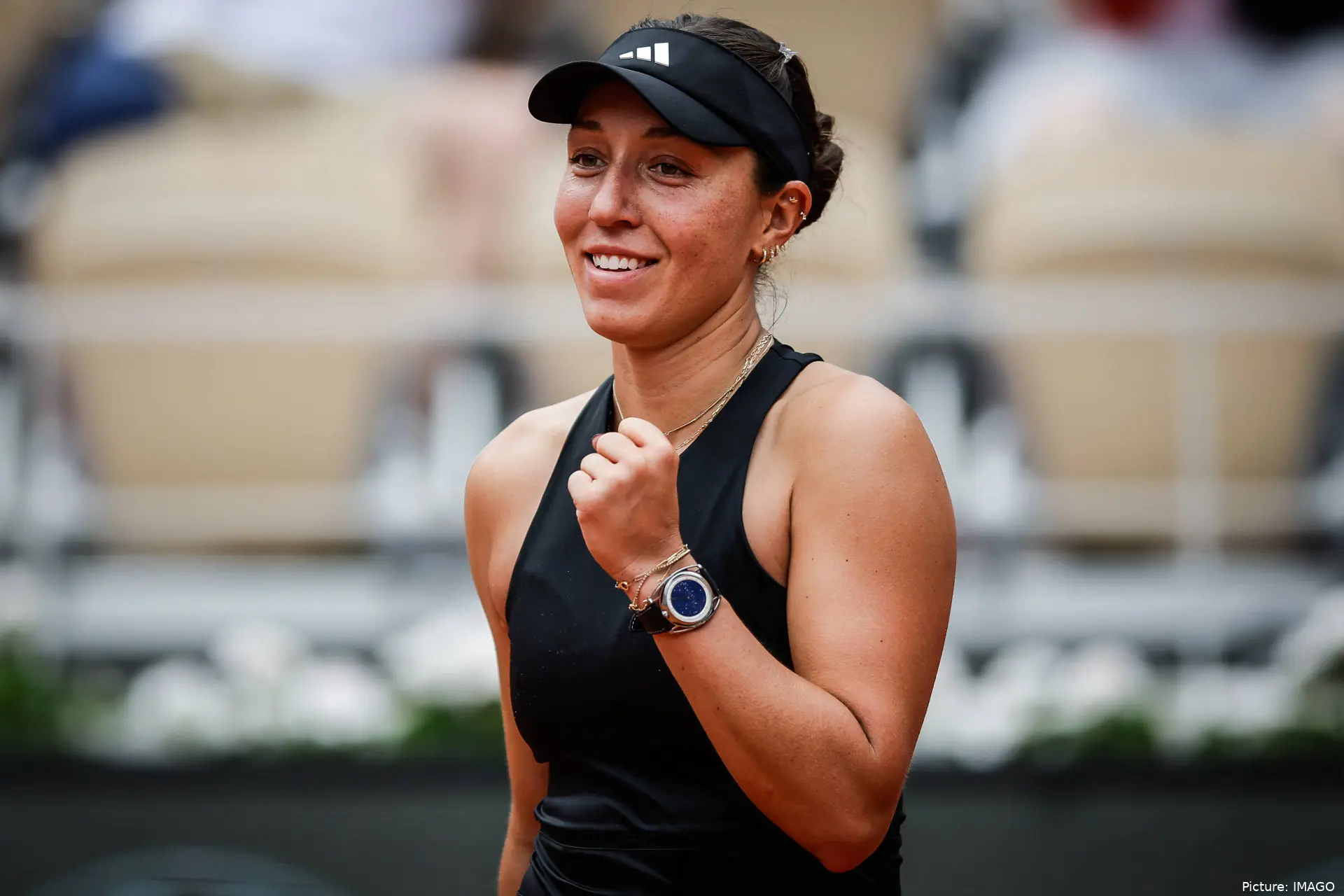
The Six Kings Slam has quickly become one of the most talked-about events in tennis. Combining the glamour of an exhibition with the rewards of a Grand Slam, the 2025 edition not only gathered six of the sport’s biggest names but also set new financial standards for what a non-tour event can offer. Each participant was guaranteed a staggering US$1.5 million just for showing up, while the winner took home an additional $4.5 million — for a total of $6 million.
That kind of payout didn’t go unnoticed by Jessica Pegula and Jennifer Brady, who discussed the event on The Players Box podcast with their trademark humor and honesty. “The prize money is insane. 1.5 million for showing up,” said Pegula, still sounding stunned by the numbers. Brady immediately jumped in: “Winner gets 6 million, 1.5 million to just show up, I don’t think I’d say no!”
Their laughter reflected what many players might quietly think — that the Six Kings Slam is changing the conversation about how exhibitions fit into professional tennis. The event’s mix of elite talent, colossal payouts, and slick presentation has sparked both fascination and debate within the sport.
Read also
A golden racket, and a golden payday
This year’s lineup was announced in August 2025, but it wasn’t without drama: Jack Draper, one of the original six, suffered a season-ending arm injury and was replaced by Stefanos Tsitsipas. The tournament structure granted Carlos Alcaraz and Novak Djokovic first-round byes, setting up a knockout-style format that guaranteed high-profile matchups from the start.
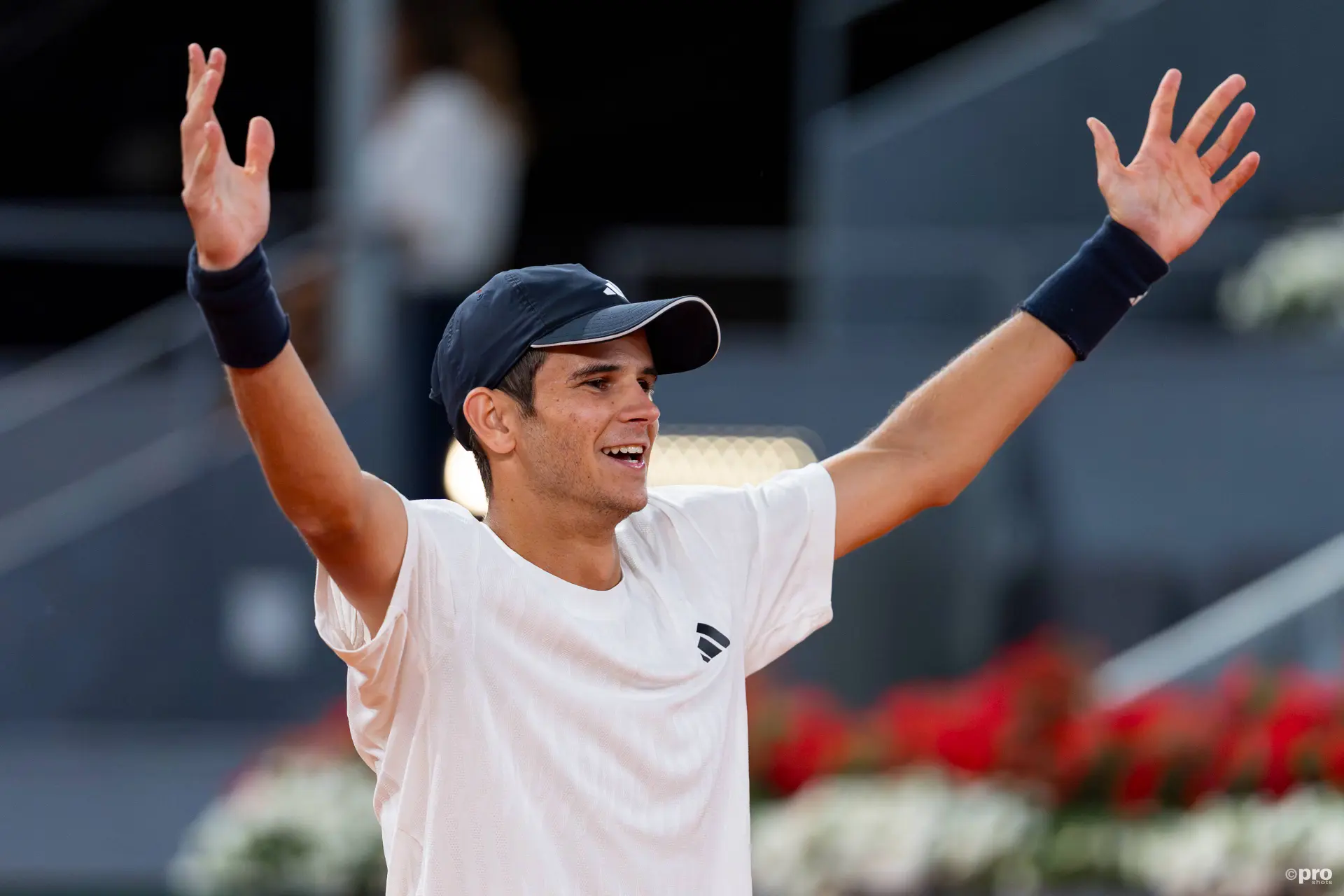
In the end, the final produced a familiar clash between the world’s top two players — defending champion Jannik Sinner and world No. 1 Alcaraz. Just as he did the previous year, Sinner emerged victorious, defeating Alcaraz in straight sets (6–2, 6–4) to claim back-to-back titles. Meanwhile, Taylor Fritz secured third place after Djokovic retired following a tight opening set (7–5, 6–7 [4–7]).
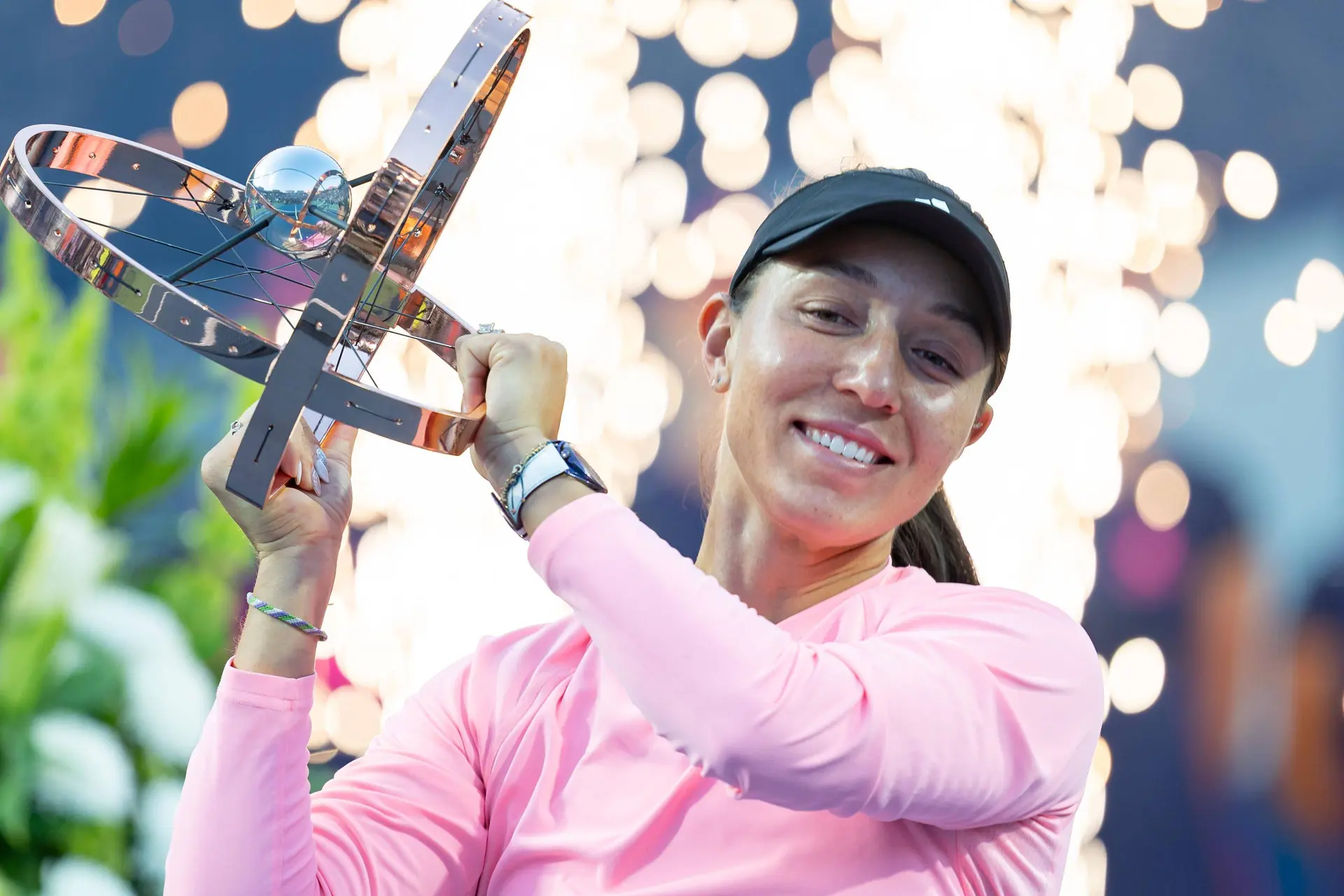
The champion’s trophy was as extravagant as the paychecks — a life-size 24-karat gold racket weighing four kilograms, identical to the one presented to Rafael Nadal upon his retirement. With spectacle at every turn, it’s no surprise that the Six Kings Slam has captured both the public’s imagination and the envy of some peers.
Read also
“Everybody was fighting for that spot”
The exclusivity of the Six Kings Slam — six players, one replacement, and millions on the line — also raised questions about opportunity and access. Pegula herself touched on that side of the story. “Do you think when Draper pulled out, everybody was fighting for that spot?” she asked Brady.
Brady didn’t hesitate: “Oh 100%, clawing, hands and knees.”
As their conversation continued, Pegula was asked whether a women’s equivalent — the so-called Six Queens Slam — could ever fit into the tennis calendar. “I think people would make room for that,” she said. “I don’t know, though. I don’t see why not.”
Read also
Brady agreed, but with a pointed observation about how women’s events often follow trends set by the men. “I mean I don't see why not. Yeah. Like they have. But I feel like the women are always just like following. You know, it's like, oh, somebody makes — the men make this event like Laver Cup, right? And it's like people are talking, oh, should there be a female version of Laver Cup? And then it’s like, oh, should there be a female version of the Six Kings Slam? So, I feel like the women need to come up with something before the men — that way it’s not like us following.”
Her comment struck a chord. The women’s tour has long discussed ways to develop more original showcase formats, rather than simply mirroring ATP innovations. A Six Queens Slam could offer that chance — but as Brady implied, the key would be to make it an initiative born from within the WTA, not as a response.

Cristhián AvilaTennis Journalist
Cristhián Ávila is a tennis journalist based in Santiago, Chile, and has been part of the TennisUpToDate team since early 2023. He covers the ATP and WTA Tours as well as all four Grand Slams, producing breaking news, match reports, analysis, and regular liveblogs from major tournaments.
His reporting combines statistical analysis with clear explanation, helping readers understand tactical developments, player form, and broader storylines across the tour. Working fluently in both Spanish and English, Cristhián collaborates with an international editorial team and contributes to comprehensive global coverage. As part of his work, he has conducted interviews and media interactions with leading figures in the sport, including Caroline Wozniacki and John McEnroe.
In his journalism, Cristhián places strong emphasis on careful sourcing, editorial accuracy, and updating articles promptly when new, verified information becomes available. His coverage is grounded in research, context, and direct engagement with professional tennis.
claps 1visitors 1
Just In

Popular News
Latest Comments
- Two Things: 1. Stop allowing these Spoiled Trust-Fund Elitists to behave badly. Your little hand-slaps do not deter them. 2. STOP the incessantly annoying "towel wiping" nonsense!!!!
 mandoist15-10-2026
 - A healthy Qinwen may be hard to stop next season. She was already scaring her opponents before her medical leave(s). Unfortunately, Zheng insisted on singing again. On the positive side -- Mirra did not sing!! ;~}mandoist11-10-2026
- Where is it written that athletes, entertainers... People in general... are mandated to keep looking at -- or even using [anti]Social Media? Public & private figures consistently complain and reveal their concerns about negativity and violence thrown at them -- yet they insist on participating. Avoid it, don't use it, don't read it. It's okay to occasionally look up at the World instead beating your eyes & thumbs to death on The Inventions out there.mandoist11-10-2026
- great articlestennisseserver07-10-2026
- Medvedev was leading Djokovic 7-5, 3-5 when an attempted return..' NO you ignorants, Djokovic was leading .weiss05-10-2026
- No more bullshit "Wildcards" to these two. Qualify like everyone else -- there will be cameras there, too. Time to scream... WTF ????!!!!mandoist29-09-2026
- Let's not BS the general public -- Sabalenka started showing cracks in her game last season. Her losses and near-losses started at about the same time she began being distracted by Fame (constant Selfies, making TV commercials, magazine shoots, endless Social Media nonsense, etc., etc.) One would think even Saba could recognize the parallels with others who failed before her -- Raducanu, Giorgi, Bouchard to name a few.mandoist25-09-2026
- Gross!! Hey Raducanu, Giorgi, and Bouchard -- reserve a seat at your Social Media Selfie table for Saba + Naomi. They're heading in your direction soon enough.mandoist24-09-2026
- And then these same players will complain about how lengthy their season’s were and need more time-off. I’m all for more tennis but the amount of tennis we get now is actually kind of crazy! We all need a break, especially the players.DaveyWavey23-09-2026
- You should do a comparison article for "different kinds of justice" the courts decide for tennis players. I can think of at least three players who received very small bans of a few months, however Tara Moore has been fighting for her literal survival the past few years. It seems odd considering she is not a "name" player, unlike the other cases.DaveyWavey22-09-2026

Loading