“The schedule needs to be looked at”: Tim Henman rejects five-set debate and calls for calendar reform
WTA
Tim Henman has questioned whether women’s singles matches at Grand Slam tournaments should be extended to five sets, arguing that the sport should instead focus on improving the overall tennis calendar. Speaking to Tennis365, the former British No. 1 suggested the structure of the majors is functioning well and does not require immediate reform.
The debate resurfaced recently after tennis administrator Craig Tiley expressed support for introducing best-of-five-set matches for women in the latter stages of Grand Slam tournaments.
Tiley argued that extending matches in the quarterfinals, semifinals and finals could add another dimension to the sport’s biggest events.
Henman, however, believes the conversation may be misplaced. Amid the usual criticism of the calendar from players and an increasingly tight schedule, the former World No. 4 believes the debate should instead focus on finding a more suitable calendar — and not on extending the traditional best-of-three-set matches at Grand Slams for women.
Henman questions need to change women’s Grand Slam format
Henman made it clear that he does not see a strong argument for altering the traditional structure of women’s singles matches at the four major tournaments. The former Wimbledon semifinalist pointed to the history and success of the Grand Slams as evidence that the current system is effective. “I wouldn’t think we need to do this, from a history and tradition standpoint.”
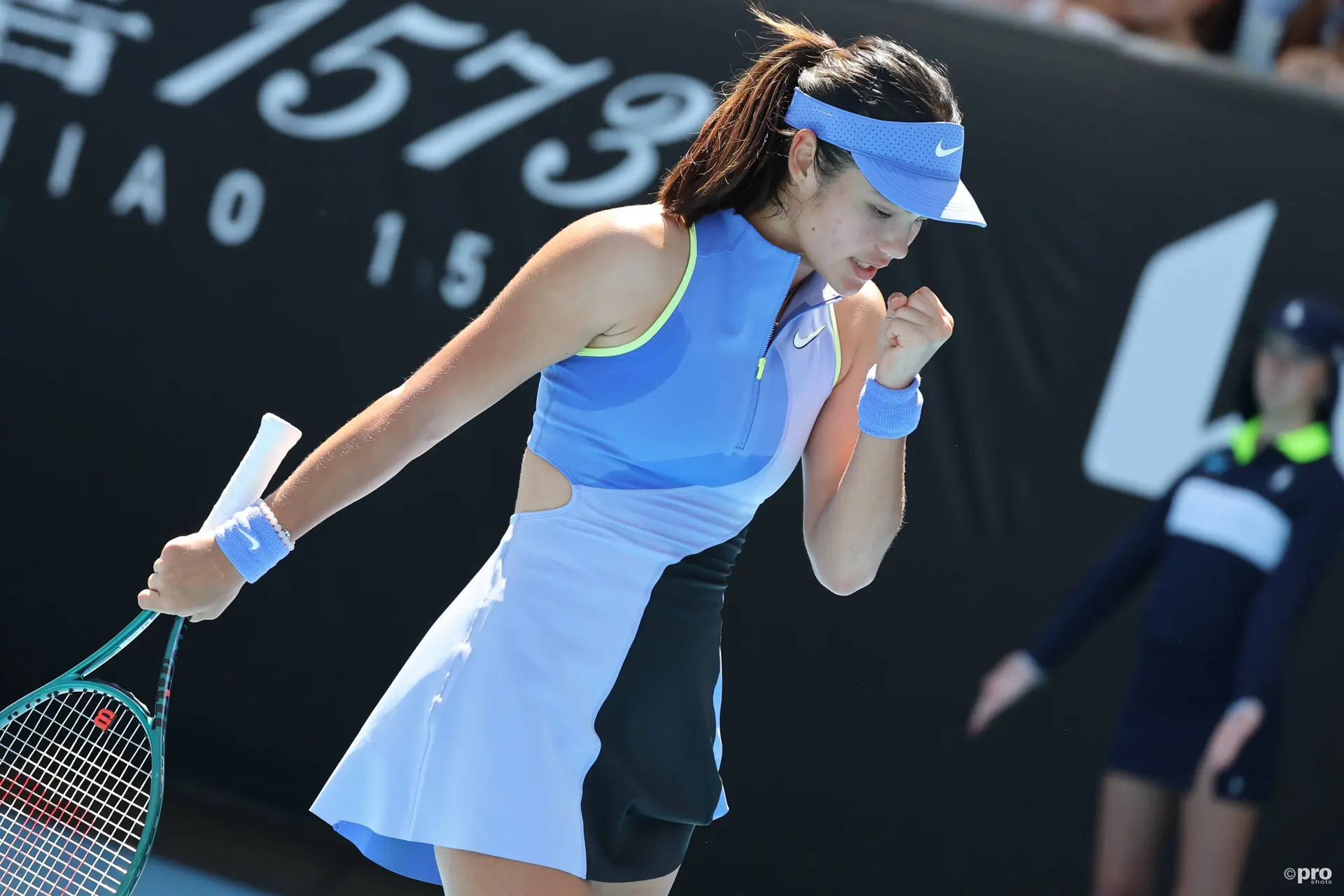
Henman argued that the majors already deliver compelling narratives and remain the centerpiece of the tennis calendar. From his perspective, the sport should avoid making structural changes unless there is a clear necessity. “The Grand Slams are working just fine. There are a lot of other change I’d make within this sport before I start fiddling with the Grand Slams.”
His comments reflect a broader sentiment among some former players that the existing format continues to produce dramatic matches and strong engagement with fans, without requiring additional physical demands on players in the women’s draw.
Tiley’s suggestion that five-set matches could be introduced from the quarterfinals onward at the Australian Open in the coming years is something the Tennis Australia chief studied in depth during his time leading the organization, and it is an idea that could eventually be considered by other Grand Slam tournaments. His recent move from Melbourne to a senior leadership role with the USTA — and therefore the US Open — could open the door for a new format to be considered at Flushing Meadows.
Calendar congestion a bigger concern for Henman
Instead of focusing on Grand Slam match formats, Henman believes tennis should prioritize improving the structure of the annual tour schedule. In particular, he highlighted the early-season calendar as an example of how tournaments can overlap and dilute the significance of individual events. “The schedule needs to be looked at. You make the schedule more relevant. I’ve said this many times before.”
Henman pointed to the month of February as a period when tournaments across different regions compete simultaneously for attention. Events in Doha, Dubai, Rotterdam, Acapulco and Buenos Aires often take place within the same timeframe, creating a crowded landscape that can be difficult for fans to follow.
“Look at the month of February. There is so much tennis going on all over the world and players are playing in Doha, Dubai, Rotterdam, Acapulco, Buenos Aires. And what does it all mean to the fans?”
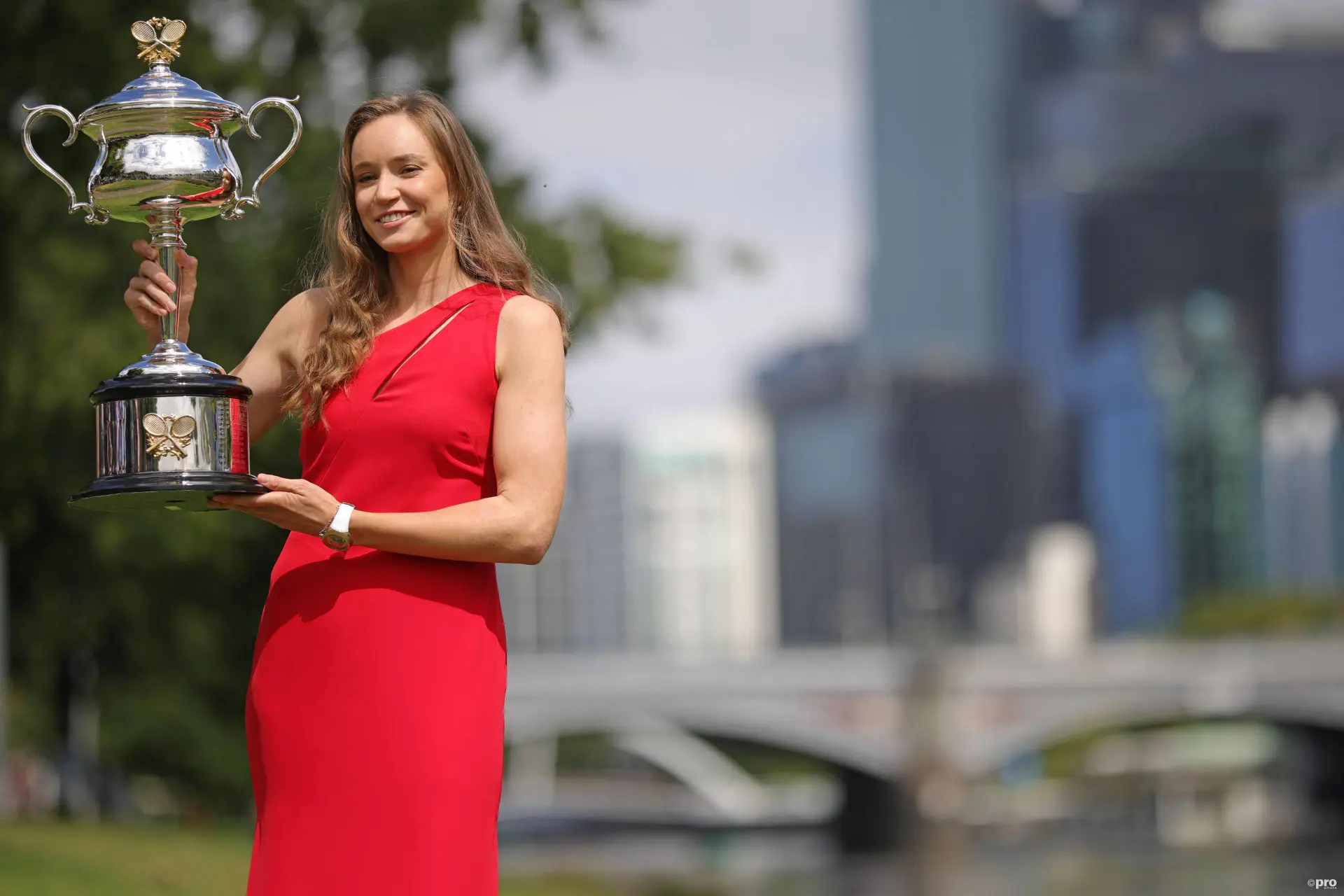
The former British player also questioned recent changes to the Masters 1000 and WTA 1000 tournaments, which in some cases have expanded into longer 12-day events. While acknowledging the commercial reasons behind the decision, Henman suggested the format may not benefit the overall structure of the season.
“I understand why the Masters 1000s have gone towards 12 days, but I don’t think it’s conducive to a good calendar for the players.”
Henman concluded by reiterating that the sport should focus on creating a clearer and more meaningful calendar for both players and fans, rather than altering the format of its most successful events. “So I’d definitely change the calendar and make sure all the tennis we see is relevant.”

Cristhián AvilaTennis Journalist
Cristhián Ávila is a tennis journalist based in Santiago, Chile, and has been part of the TennisUpToDate team since early 2023. He covers the ATP and WTA Tours as well as all four Grand Slams, producing breaking news, match reports, analysis, and regular liveblogs from major tournaments.
His reporting combines statistical analysis with clear explanation, helping readers understand tactical developments, player form, and broader storylines across the tour. Working fluently in both Spanish and English, Cristhián collaborates with an international editorial team and contributes to comprehensive global coverage. As part of his work, he has conducted interviews and media interactions with leading figures in the sport, including Caroline Wozniacki and John McEnroe.
In his journalism, Cristhián places strong emphasis on careful sourcing, editorial accuracy, and updating articles promptly when new, verified information becomes available. His coverage is grounded in research, context, and direct engagement with professional tennis.
claps 0visitors 0
Just In


Popular News



Latest Comments
- Does Sinner need that 4.5 mil? I doubt it. He can make that with three modelling gigs!😅🤣Rapunzel21-10-2026
- Did "People Magazine" purchase this website? This nonstop storyline is bullshit.
 mandoist21-10-2026
 - Listen... this is of no concern to anyone but these two. Deal with your own issues -- most of us have our own. Thanks, media, for these insignificant follow-ups which are meaningless.mandoist21-10-2026
- This is so very very sad, for all three of them. I truly thought they had an unbreakable bond, but life throws up so many differing challenges. Having your homeland suffering in such a terrible way, makes happiness lose out to guilt as well. Our thoughts are with them. X💔bjsexton20-10-2026
- I have lost all respect for Svitolina! Could she not have waited until he had played at the Paris Masters!!! She is selfish and don't give a damn about Gael. That is NOT how love is demonstrated Elina!!Rapunzel19-10-2026
- Perhaps convenient tennis tour sex is not a strong enough experience in which to base a marriage?mandoist19-10-2026
- Fight the Good Fight... Tennis (sports in general) need more Humans such as yourself.mandoist18-10-2026
- When is WTA going to mandate Genetic Testing (DNA) ???mandoist18-10-2026
- Hey, Dan... you just wake up from a coma? Regardless -- Thanks for the comedy this morning!mandoist18-10-2026
- Two Things: 1. Stop allowing these Spoiled Trust-Fund Elitists to behave badly. Your little hand-slaps do not deter them. 2. STOP the incessantly annoying "towel wiping" nonsense!!!!mandoist15-10-2026

Loading