“It’s not a competition 24/7”: Ons Jabeur and Paula Badosa reflect on rivalry and friendship on tour
WTA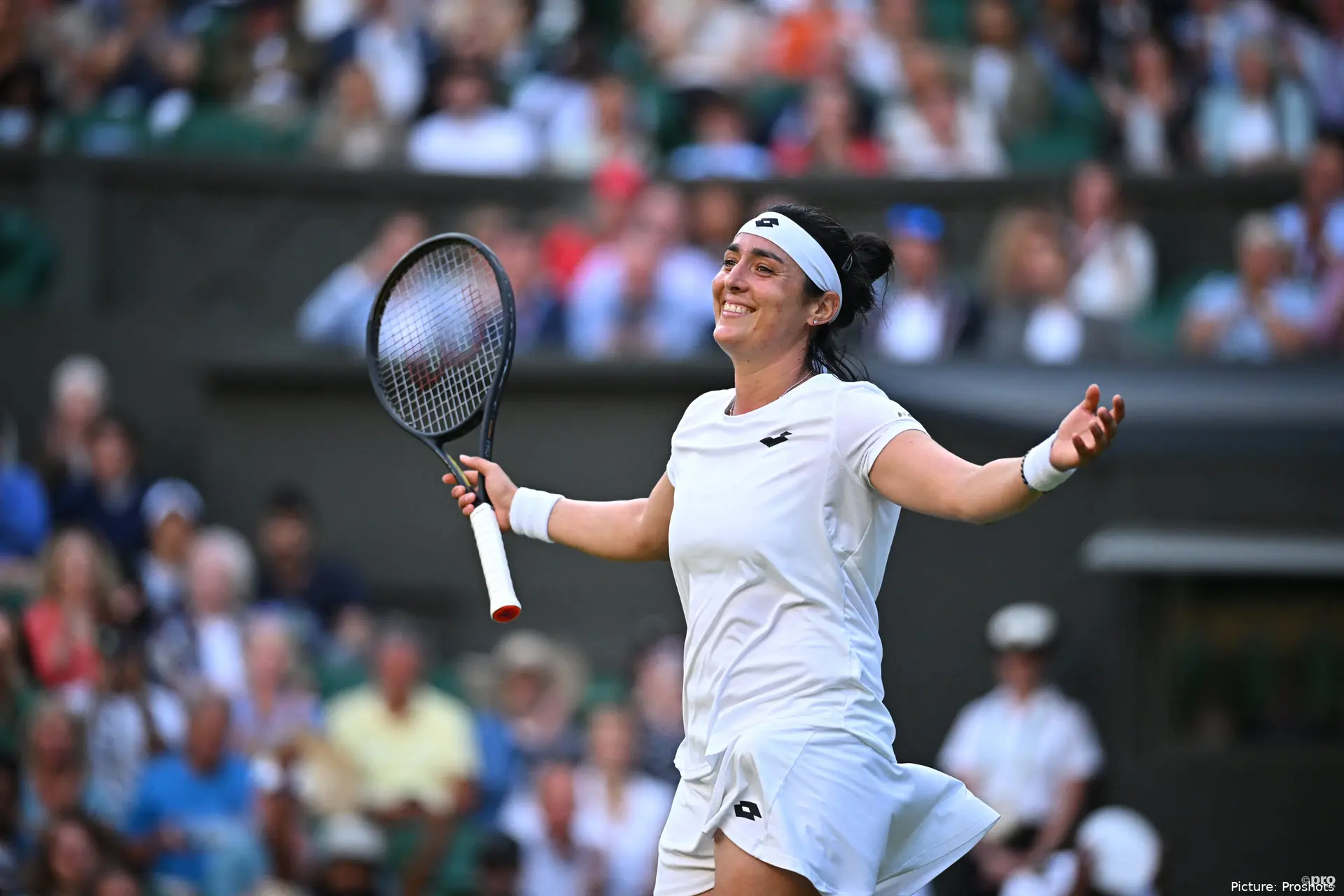
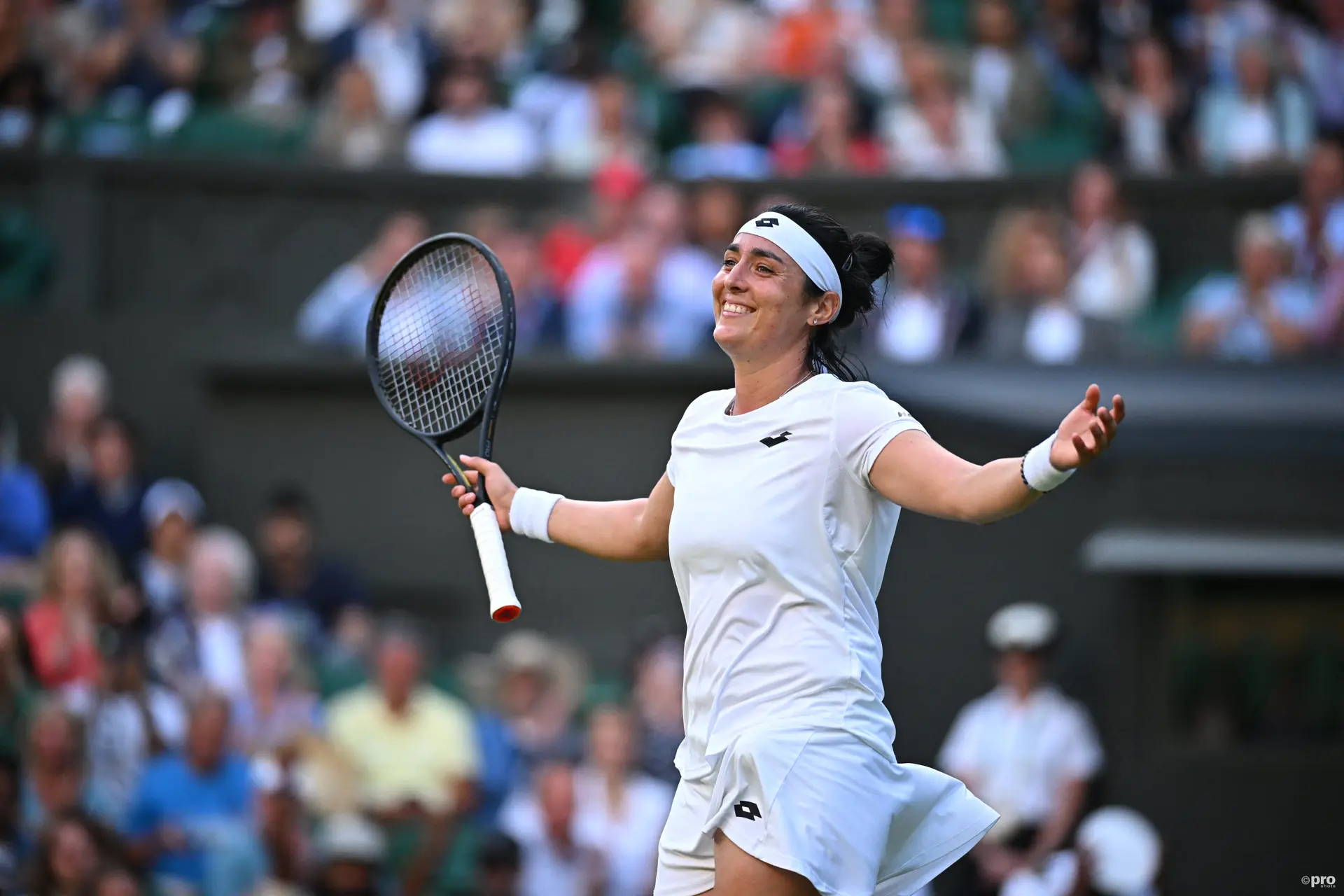
Ons Jabeur and Paula Badosa have spent much of their professional careers rising through the rankings during the same era on the WTA Tour. Both players reached career-high rankings of world No. 2 and became central figures in women’s tennis during the early 2020s, combining strong results at Grand Slams with consistent runs at major WTA events.
Their achievements came during overlapping phases. Jabeur reached three Grand Slam finals — Wimbledon in 2022 and 2023, and the US Open in 2022 — becoming the most successful Arab player in tennis history. Badosa’s breakthrough moment arrived with her WTA 1000 title at Indian Wells in 2021, followed by deep runs at major tournaments including a semifinal appearance at the Australian Open.
Despite similar trajectories, their rivalry on court has remained relatively balanced in terms of importance, even if Badosa currently leads their head-to-head record. The two have met in several matches across the WTA Tour, often during pivotal moments when both were establishing themselves among the top players in the rankings.
The Tunisian, who has taken a break from her career due to pregnancy, spent a day with her friend Badosa for her YouTube series Her Game, Her Rules. The two players reflected on their evolving relationship — from early competitive tension to a friendship shaped by shared experiences on the demanding professional circuit.
Rivalry evolving into friendship
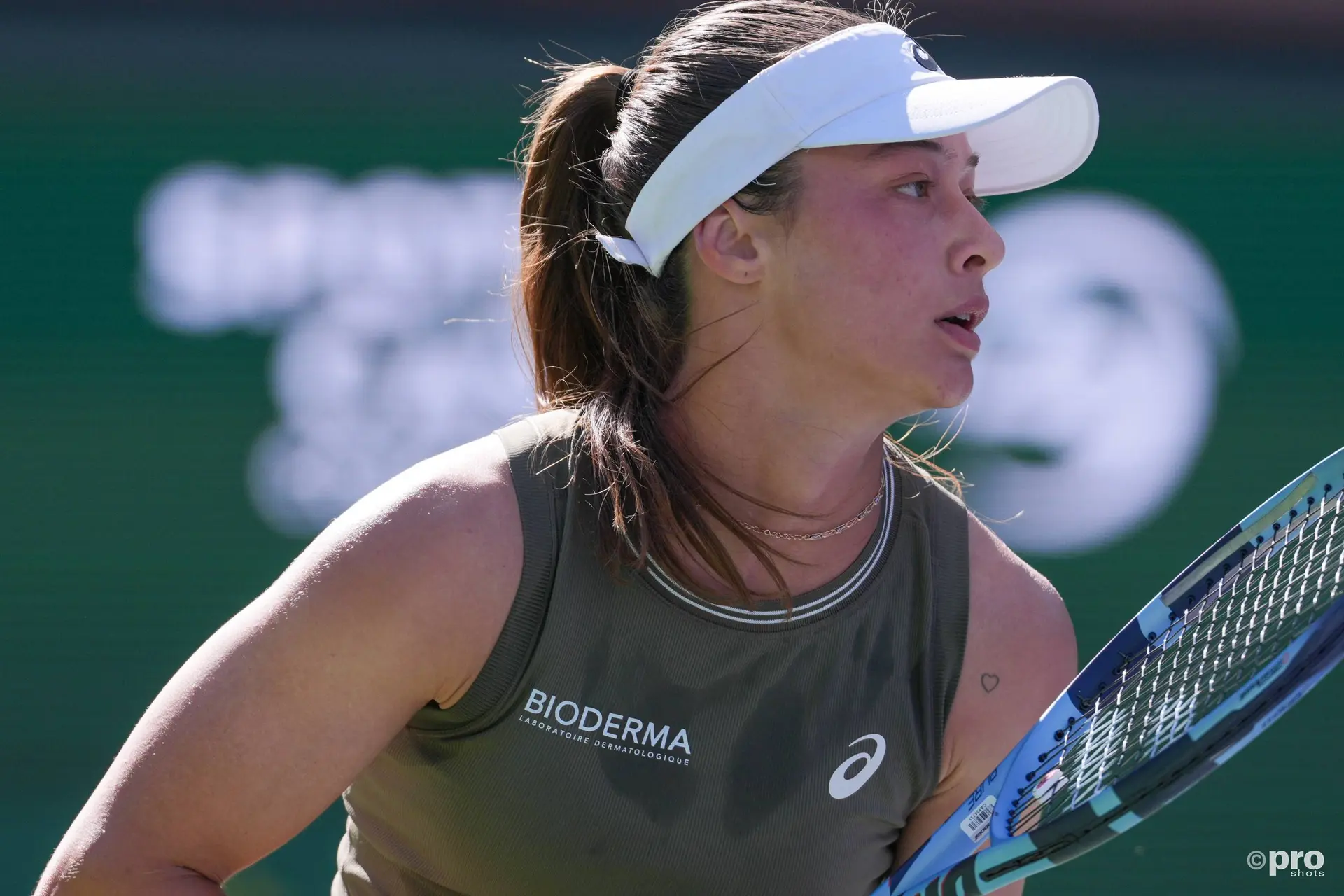
Jabeur and Badosa first encountered each other early in their careers while attempting to break into the Top 100. Badosa recalled hearing about the Tunisian as a talented junior champion before they faced each other in qualifying at the US Open.
At the time, both were still trying to establish themselves on tour. Their early meetings were highly competitive, reflecting the pressure faced by players attempting to secure consistent results and climb the rankings.
Their relationship gradually shifted as both players matured and began experiencing similar challenges at the top level — balancing travel, injuries and expectations. “We can play against each other, we compete there, but then we can be friends. Then you realize other people and you can practice with them. It’s not a competition 24/7.”
Badosa acknowledged that her perspective on other players changed significantly over time. Earlier in her career, she said personal struggles sometimes affected how she viewed opponents on the circuit.
“Sometimes when you're not at your best or you don't have the best people around you, you close yourself more and those people make you even more closed. You think that everyone is the enemy. Then you start opening up and you're like, wow, actually she’s an amazing person.”
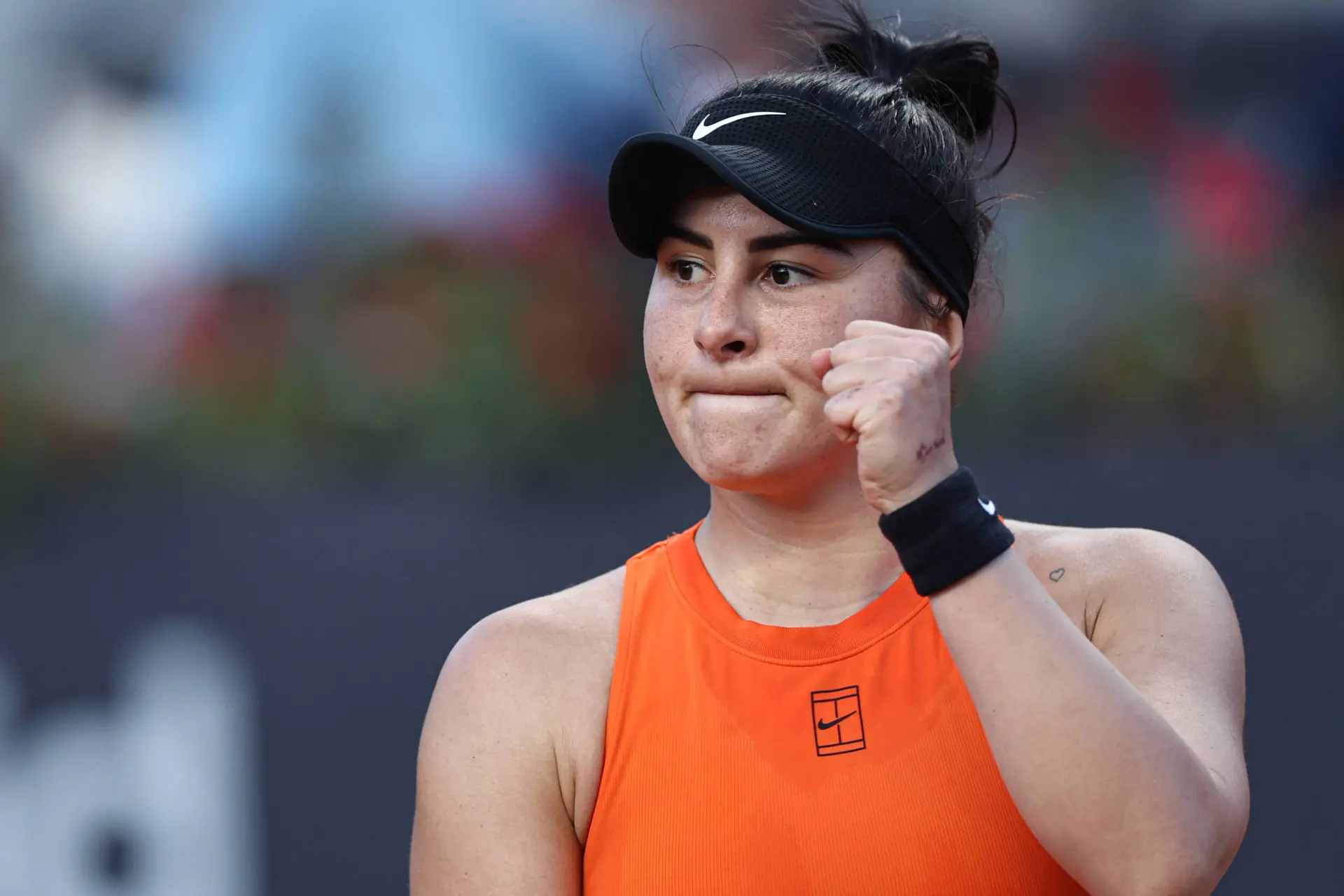
“We compete there, but then we can be friends. And then you realize other people and you can practice with them. It's not like a competition 24-7.”
Jabeur also reflected on how their rivalry became easier to manage as both players reached the top levels of the sport and understood the realities of professional tennis. “For me, I can compete against you and then I can be friends with you. I can speak to you and be nice to you. Some people find it difficult, but for me it’s natural.”
The emotional toll of life on tour
Beyond competition, both players spoke at length about the psychological challenges of life on the WTA Tour. Long seasons, constant travel and intense expectations can create emotional swings that players must learn to manage.
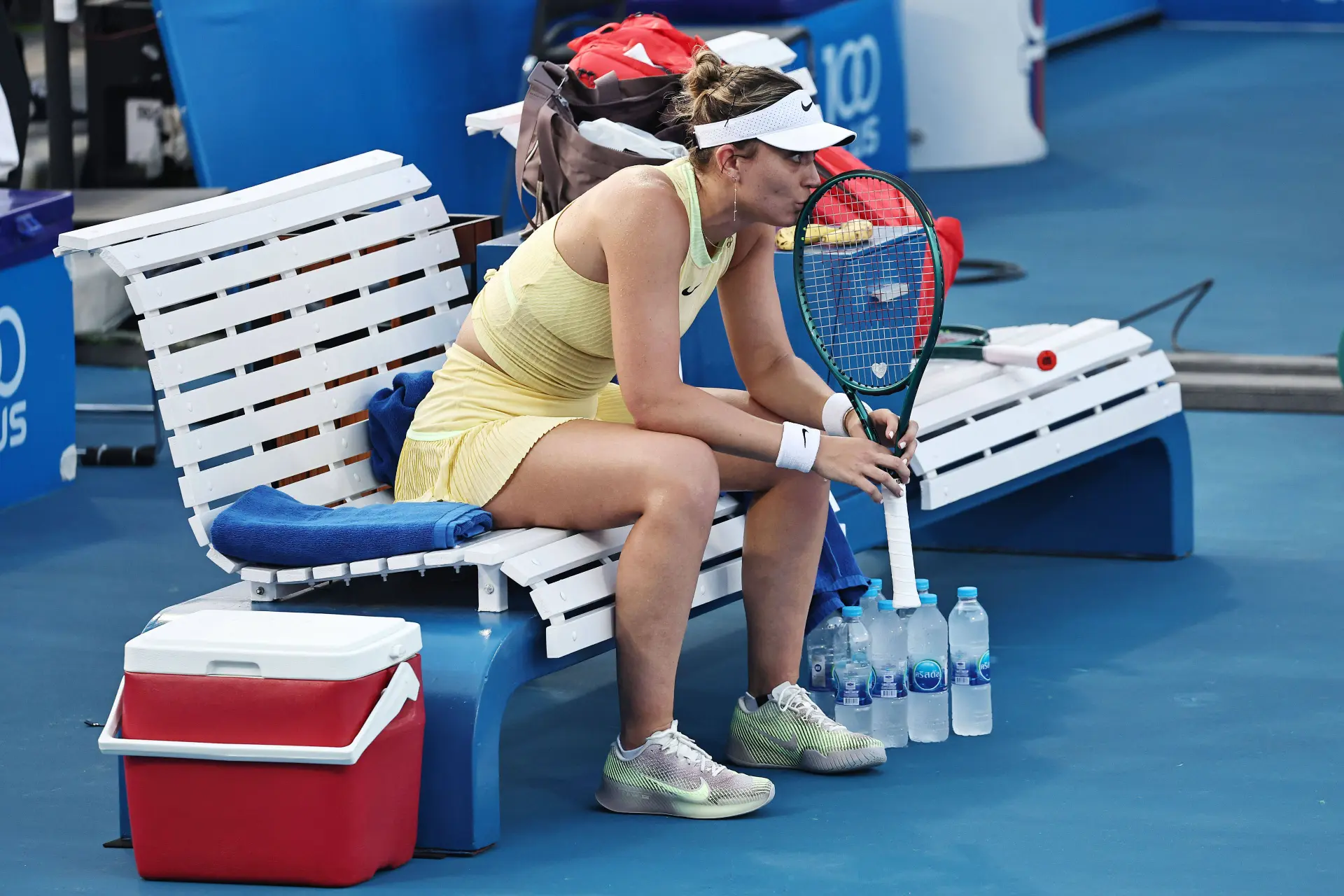
Jabeur described the tour as an environment where results can heavily influence how players feel from week to week. “The tour can be very difficult, very lonely. When you lose, it’s like it’s the end of the world, and when you win, it’s like you’re the happiest person. So it’s a roller coaster of emotions.”
Badosa added that physical injuries often overlap with emotional stress, particularly during difficult periods away from the court. In recent seasons, she has faced several injury setbacks while attempting to regain her best form. “Sometimes they’re emotional. There are moments or personal situations that mix there. I think sometimes injuries are connected a lot to emotional things that happen to you.”
Both players also discussed the increasing conversation around mental health in tennis, noting that several players have stepped away from the tour in recent years to recover both physically and mentally.
“Now we talk more about mental health, but more and more players are stopping the season pretty early. If it’s not physical injuries, it’s mental injuries, I call it,” Jabeur said. “For me sometimes it’s easier that I get injured and cannot walk on the court than to stop because I’m not feeling well in my brain. It’s tough to accept.”
Searching for balance beyond tennis
As experienced players on tour, both Jabeur and Badosa said they have become more aware of the importance of balance and emotional stability in maintaining a long career.
Jabeur emphasised that younger players should learn to manage the pressures created by rankings, sponsorship obligations and packed tournament schedules. “Please choose your tournaments. Don’t be forced by the points and the sponsors and everything around it.” “If you don’t feel like going, just don’t go, don’t play. People forget that we are human beings. We’re not robots.”
Badosa described how recent years have reshaped her understanding of happiness, moving away from the constant pursuit of adrenaline and results toward a quieter sense of personal stability.
“I always ask myself the question: am I happy? But then I’m like, what’s happiness? My brain starts going like a washing machine,” the fomre rowrld No. 2 stated. “I’m realizing that happiness is peace. I thought happiness was adrenaline, doing things nonstop. But now I wake up and everything is fine, and I think that’s happiness.”

Cristhián AvilaTennis Journalist
Cristhián Ávila is a tennis journalist based in Santiago, Chile, and has been part of the TennisUpToDate team since early 2023. He covers the ATP and WTA Tours as well as all four Grand Slams, producing breaking news, match reports, analysis, and regular liveblogs from major tournaments.
His reporting combines statistical analysis with clear explanation, helping readers understand tactical developments, player form, and broader storylines across the tour. Working fluently in both Spanish and English, Cristhián collaborates with an international editorial team and contributes to comprehensive global coverage. As part of his work, he has conducted interviews and media interactions with leading figures in the sport, including Caroline Wozniacki and John McEnroe.
In his journalism, Cristhián places strong emphasis on careful sourcing, editorial accuracy, and updating articles promptly when new, verified information becomes available. His coverage is grounded in research, context, and direct engagement with professional tennis.
claps 1visitors 1
Just In


Popular News

Latest Comments
- Does Sinner need that 4.5 mil? I doubt it. He can make that with three modelling gigs!😅🤣Rapunzel21-10-2026
- Did "People Magazine" purchase this website? This nonstop storyline is bullshit.
 mandoist21-10-2026
 - Listen... this is of no concern to anyone but these two. Deal with your own issues -- most of us have our own. Thanks, media, for these insignificant follow-ups which are meaningless.mandoist21-10-2026
- This is so very very sad, for all three of them. I truly thought they had an unbreakable bond, but life throws up so many differing challenges. Having your homeland suffering in such a terrible way, makes happiness lose out to guilt as well. Our thoughts are with them. X💔bjsexton20-10-2026
- I have lost all respect for Svitolina! Could she not have waited until he had played at the Paris Masters!!! She is selfish and don't give a damn about Gael. That is NOT how love is demonstrated Elina!!Rapunzel19-10-2026
- Perhaps convenient tennis tour sex is not a strong enough experience in which to base a marriage?mandoist19-10-2026
- Fight the Good Fight... Tennis (sports in general) need more Humans such as yourself.mandoist18-10-2026
- When is WTA going to mandate Genetic Testing (DNA) ???mandoist18-10-2026
- Hey, Dan... you just wake up from a coma? Regardless -- Thanks for the comedy this morning!mandoist18-10-2026
- Two Things: 1. Stop allowing these Spoiled Trust-Fund Elitists to behave badly. Your little hand-slaps do not deter them. 2. STOP the incessantly annoying "towel wiping" nonsense!!!!mandoist15-10-2026

Loading