"She’s not just a hard hitter who dominates and overpowers opponents anymore": Kim Clijsters lauds Aryna Sabalenka in final preview with Roddick
WTA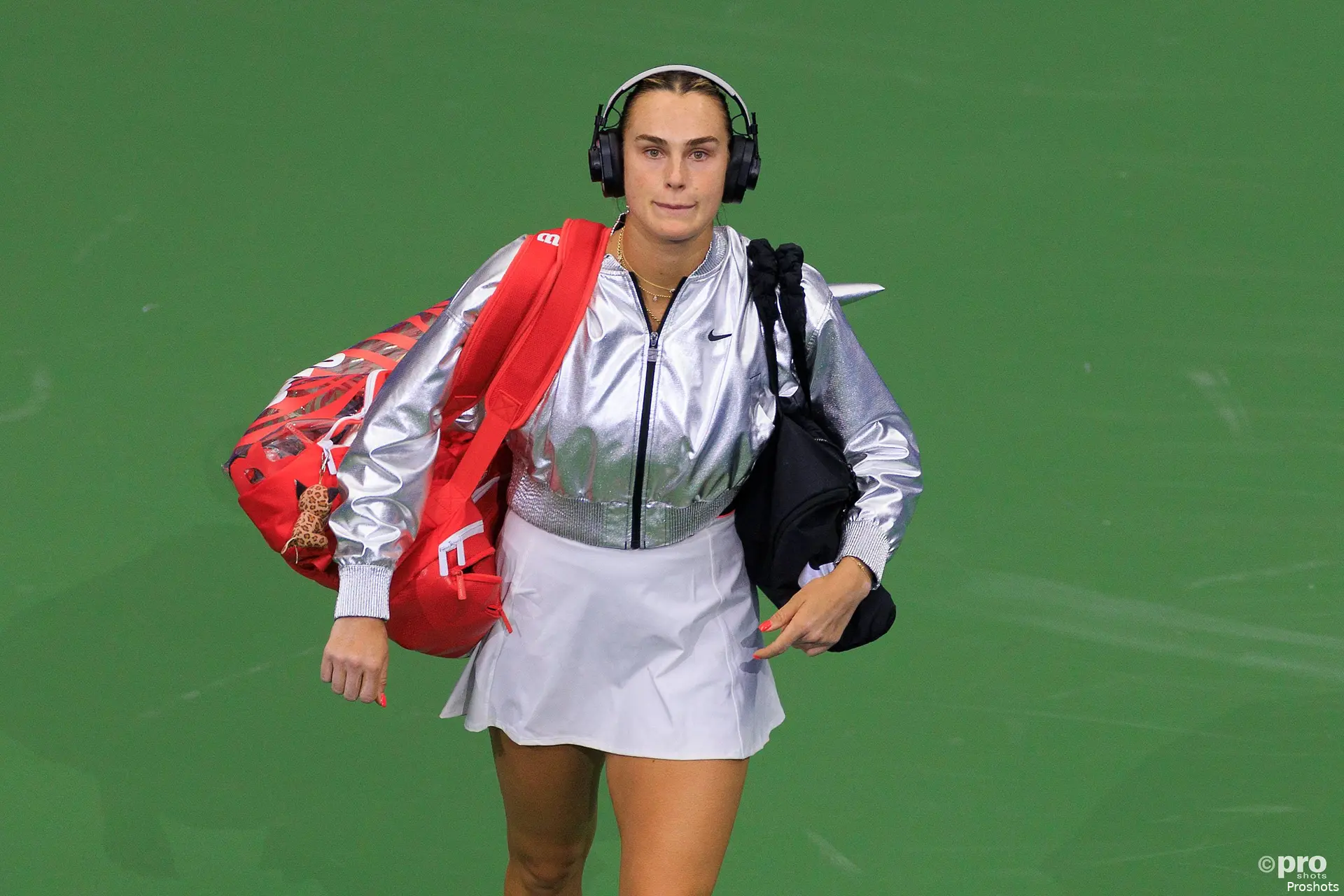
A debate between former world No. 1s Andy Roddick and Kim Clijsters took place as they discussed the upcoming women’s Australian Open final between Aryna Sabalenka and Elena Rybakina. Both former Grand Slam champions laid out the key aspects that will define the final between the world No. 1 and the world No. 5.
The Belarusian has reached the Melbourne final for the fourth consecutive time — a tournament where she has already lifted the trophy twice so far (2023 and 2024). This time, she will once again face the same opponent she defeated in her first Grand Slam final — precisely at the 2023 Australian Open — after coming back from a set down.
The final between Rybakina and Sabalenka finds both players in impeccable form, and it will be the first time in 18 years that both finalists at a Grand Slam arrive without having dropped a set. The last time this happened was at Wimbledon 2008, when sisters Venus and Serena Williams contested the final.
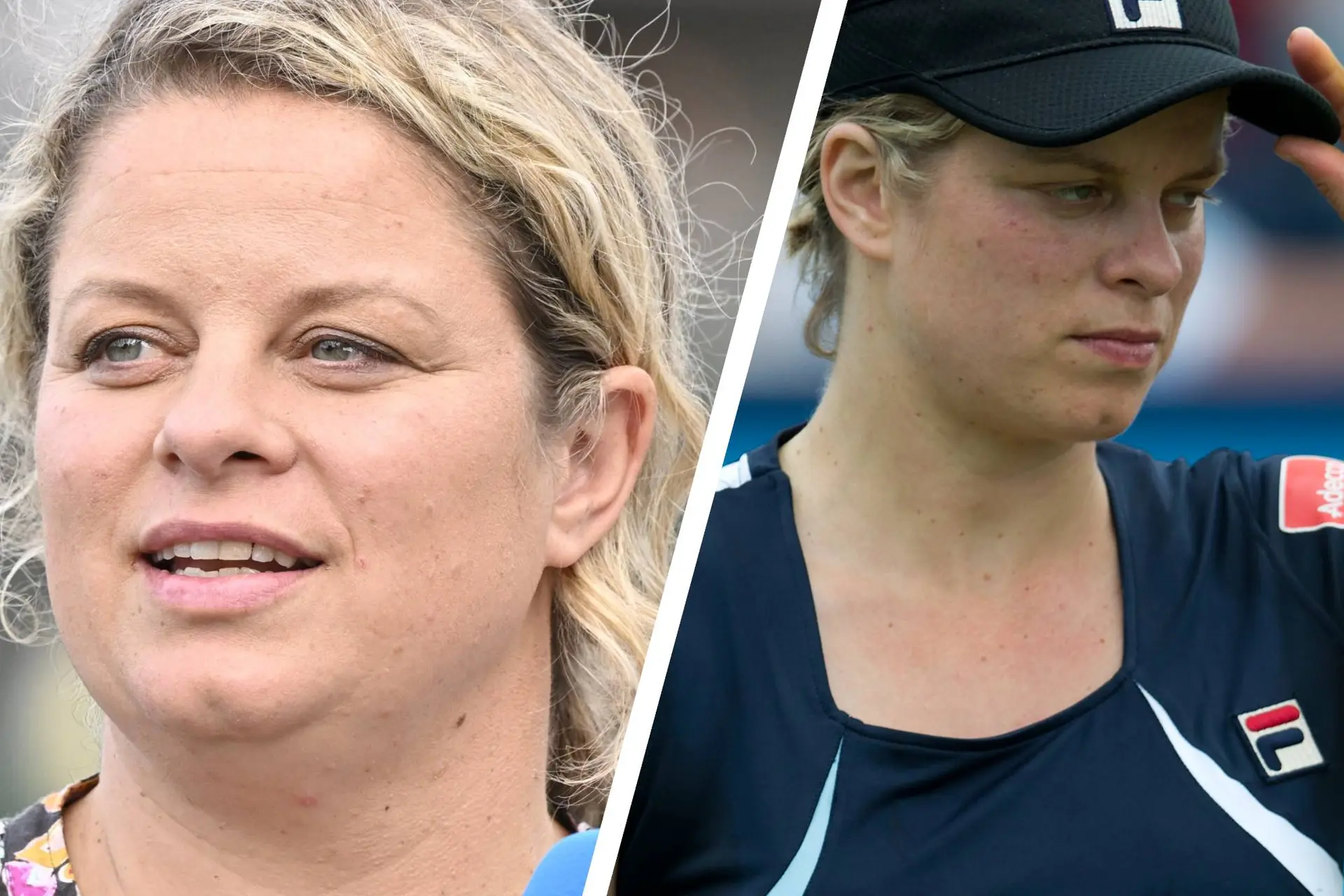
“I think we’re going back to the point we just made. Whoever is able to be the most dominant early on in the rally is going to win the match,” Kim Clijsters said during her recent appearance on the Served with Roddick podcast. “Of course, the first-serve percentages have to be high, and they have to be consistent on the return. But if they’re both at their best, it’s really about who is capable of dictating the point early on.”
“The second or third shot of the rally is going to decide this match. We’re probably going to see a few more unforced errors because the quality of the shots is going to be high on both sides,” the four-time Grand Slam champion added. “It’s going to be aggressive, low over the net, and a little bit flat. There are a few reasons why it’s going to be high-risk tennis, but whoever really dictates the points early is going to win.”
Roddick points to initiative as the key to the final
Roddick agreed with his former colleague that whoever manages to take the initiative in rallies — and is able to shorten points — will have the advantage when it comes to lifting the trophy. He also pointed to what Sabalenka needs to work on in order to overcome the impeccable form Rybakina is bringing into the final.
“I’ll point out one area where I think there could be a pressure-release valve for Sabalenka,” commented the 2003 US Open champion. “Rybakina steps up in the middle of the court, and about 95% of the time, if you go with pace to the Rybakina forehand, she immediately turns it into a forehand. She doesn’t really take pace off, and she’s not as able to distribute inside-out or down the line.”
“When the ball comes slower and floats, she can go either way. But if you’re Sabalenka and you’re her coach, are you saying, ‘Listen, if she gets on the front foot, don’t worry about distributing. Go hard to that forehand, and then almost give her the line’? You shade your movement that way. I think there’s almost a two-shot pattern available for Sabalenka to get out of trouble at times.”

Clijsters highlights Sabalenka’s variety and movement
The 2011 Australian Open champion Kim Clijsters responded to the American, stating that Sabalenka holds the advantage when it comes to shot variety and movement from the baseline. “She’s also a better mover, I feel, than Rybakina,” Clijsters said. “She has more variety, and I think Max Mirnyi has done a really good job letting her use the slice a bit more, come in, and use the volleys.”
“It’s a lot harder against a player who hits the ball hard and deep like Rybakina to get into the net and use the slice to break your opponent’s rhythm,” she added. “But I’ve definitely seen since the offseason, and even a bit at the end of last year during rehab, that Sabalenka was trying to add a little more variety to her game.”
“That’s great, because we always talk about the greatest players — they’re always trying to adjust, learn, and add new tools. She’s doing that. She’s not just a hard hitter who dominates and overpowers opponents anymore,” Clijsters claimed. “She has variety, and if she gets the chance, I think she’s definitely going to try to use some of those new tools she’s become more confident with in the final.”
Numbers, history and stakes behind the final
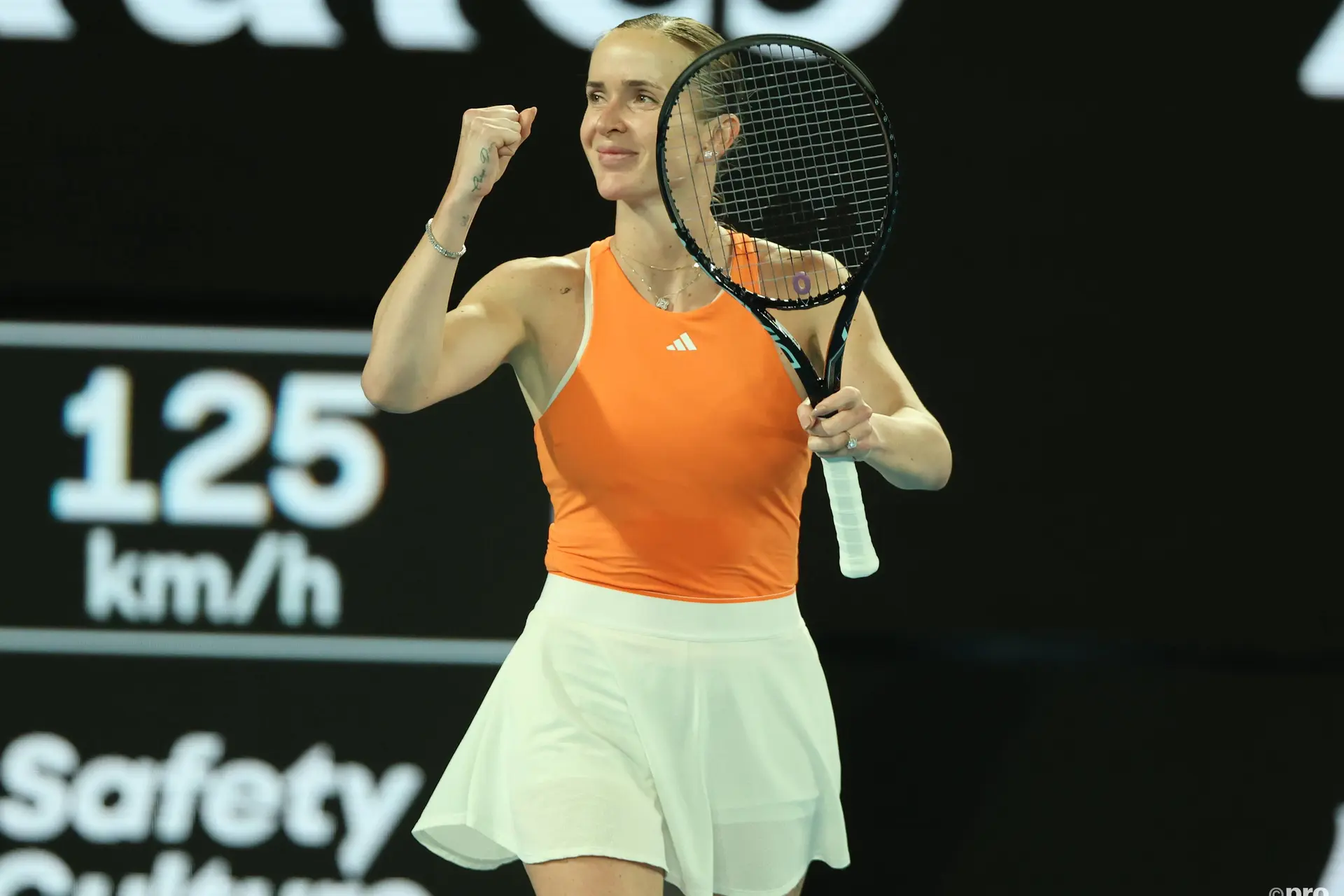
Rybakina and Sabalenka have faced each other 14 times previously, with the Belarusian leading the head-to-head 8–6 — although on hard courts, it is the Kazakh who holds a slight edge (6–5). It will be a repeat of the 2023 Australian Open final, in which Rybakina was unable to capitalise on a one-set lead and Sabalenka produced a remarkable comeback to claim victory 4–6, 6–3, 6–4 and lift her first Grand Slam title.
This will be Sabalenka’s eighth Grand Slam final (with a 4–3 record so far), while it will be Rybakina’s third (1–1). The Kazakh has already secured a return to her best-ever ranking as world No. 3 — regardless of what happens in the Melbourne final.
Sabalenka, meanwhile, had already guaranteed before the start of the tournament that she would remain at the top of the rankings. The fact that she has already defended her 2025 points gives her some breathing room — and if she were to win the title, it would allow her to secure several more weeks at the top of the rankings.

Cristhián AvilaTennis Journalist
Cristhián Ávila is a tennis journalist based in Santiago, Chile, and has been part of the TennisUpToDate team since early 2023. He covers the ATP and WTA Tours as well as all four Grand Slams, producing breaking news, match reports, analysis, and regular liveblogs from major tournaments.
His reporting combines statistical analysis with clear explanation, helping readers understand tactical developments, player form, and broader storylines across the tour. Working fluently in both Spanish and English, Cristhián collaborates with an international editorial team and contributes to comprehensive global coverage. As part of his work, he has conducted interviews and media interactions with leading figures in the sport, including Caroline Wozniacki and John McEnroe.
In his journalism, Cristhián places strong emphasis on careful sourcing, editorial accuracy, and updating articles promptly when new, verified information becomes available. His coverage is grounded in research, context, and direct engagement with professional tennis.
claps 0visitors 0
Just In


Popular News
Latest Comments
- Lena... Takin' care of business
 mandoist25-10-2026
 - Can you please stop publishing this nonsense? Stick to Tennis.mandoist25-10-2026
- Does Sinner need that 4.5 mil? I doubt it. He can make that with three modelling gigs!😅🤣Rapunzel21-10-2026
- Did "People Magazine" purchase this website? This nonstop storyline is bullshit.mandoist21-10-2026
- Listen... this is of no concern to anyone but these two. Deal with your own issues -- most of us have our own. Thanks, media, for these insignificant follow-ups which are meaningless.mandoist21-10-2026
- This is so very very sad, for all three of them. I truly thought they had an unbreakable bond, but life throws up so many differing challenges. Having your homeland suffering in such a terrible way, makes happiness lose out to guilt as well. Our thoughts are with them. X💔bjsexton20-10-2026
- I have lost all respect for Svitolina! Could she not have waited until he had played at the Paris Masters!!! She is selfish and don't give a damn about Gael. That is NOT how love is demonstrated Elina!!Rapunzel19-10-2026
- Perhaps convenient tennis tour sex is not a strong enough experience in which to base a marriage?mandoist19-10-2026
- Fight the Good Fight... Tennis (sports in general) need more Humans such as yourself.mandoist18-10-2026
- When is WTA going to mandate Genetic Testing (DNA) ???mandoist18-10-2026

Loading