A 150-year Grand Slam tradition is on Stefanos Tsitsipas’ shoulders as the last one-handed backhand left
ATP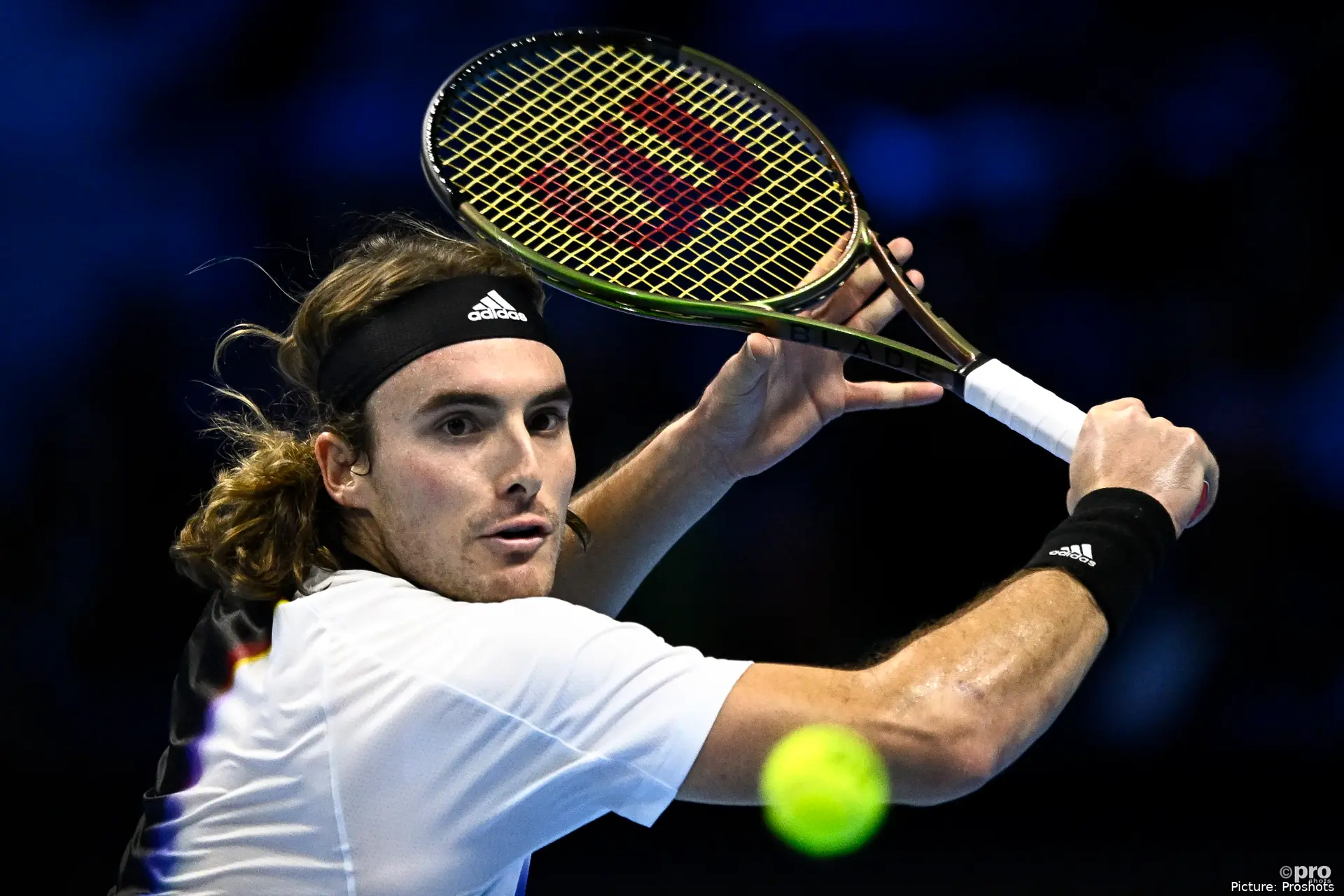
Stefanos Tsitsipas has reached the fourth round of the US Open for the first time, but his run in New York carries significance beyond his own title hopes. The Greek is now the last player in the draw with a one-handed backhand, putting him in position to carry one of tennis's oldest traditions into the second week.
Tsitsipas opened his campaign by defeating Arthur Fils before overcoming Lloyd Harris and Jiri Lehecka to reach the last 16. The former world No. 3 is now three wins from the final, but he is also playing for something bigger than his own run.
At least one player with a one-handed backhand has reached the semifinals of a Grand Slam every year since 1877. That 150-year tradition has survived the sport's evolution and the rise of the two-handed backhand, but it is now under serious threat.
With no other one-hander left in the US Open draw, Tsitsipas is the only player who can extend the streak in 2026. Reaching the semifinals would keep the tradition alive for another year, while an earlier exit would bring the remarkable sequence to an end.
“I have a 150-year streak to preserve”
Tsitsipas has embraced the unusual responsibility. After reaching the fourth round, he acknowledged the significance of his position on X, writing:
“I have a 150-year streak to preserve.”
The one-handed backhand dominated tennis for much of its early history before the two-hander began gaining ground. Players such as Jimmy Connors and Björn Borg helped popularise it in the 1970s, alongside Chris Evert on the women's tour, as its stability and power became increasingly valuable in baseline tennis.
The shift continued through the 1980s and 1990s, with Boris Becker, Mats Wilander, Andre Agassi and Jim Courier among the leading two-handed backhand players. As the stroke became increasingly dominant, the one-hander survived through a smaller group of elite players who continued to carry it deep into Grand Slam tournaments.
I’ve got a 150-year streak to save.
— Stefanos Tsitsipas (@stefanos) September 5, 2026
Federer, Tsitsipas and Musetti kept the streak alive
Roger Federer eventually became the greatest modern representative of the one-handed backhand. The Swiss continued to reach Grand Slam semifinals and finals deep into his career, with his last major semifinal coming at the 2020 Australian Open. His longevity at the top ensured that the traditional stroke remained visible on the sport's biggest stages even as the two-hander became overwhelmingly common.
Tsitsipas subsequently became one of the players carrying that legacy forward. The Greek reached at least semifinals in Grand Slam tournaments between 2021 and 2023, keeping a one-handed backhand represented in the latter stages of the majors. Lorenzo Musetti then continued the sequence by reaching Grand Slam semifinals in both 2024 (Wimbledon) and 2025 (French Open).
The situation looked considerably more uncertain heading into the final Grand Slam of 2026. Musetti missed a significant part of the season through injury, while Denis Shapovalov's form had been inconsistent. Grigor Dimitrov was eliminated before the second week, and Stan Wawrinka is approaching the end of his professional career. With those names gone, Tsitsipas is the final representative of the stroke left in New York.
Shelton stands between Tsitsipas and history
Standing in Tsitsipas' way is Ben Shelton, the No. 8 seed and one of the most dangerous opponents remaining in the tournament. The American's huge serve, explosive movement and left-handed attacking game make him particularly difficult to contain on a hard court, meaning Tsitsipas will need to overcome a serious sporting challenge before he can even think about extending the historic sequence.
The potential quarterfinal would bring another enormous obstacle, with Carlos Alcaraz or Tommy Paul waiting on the other side of the section. Tsitsipas therefore faces a difficult route if he is to reach the semifinals, and the historical significance of his run does not make the tennis itself any easier.
Read also
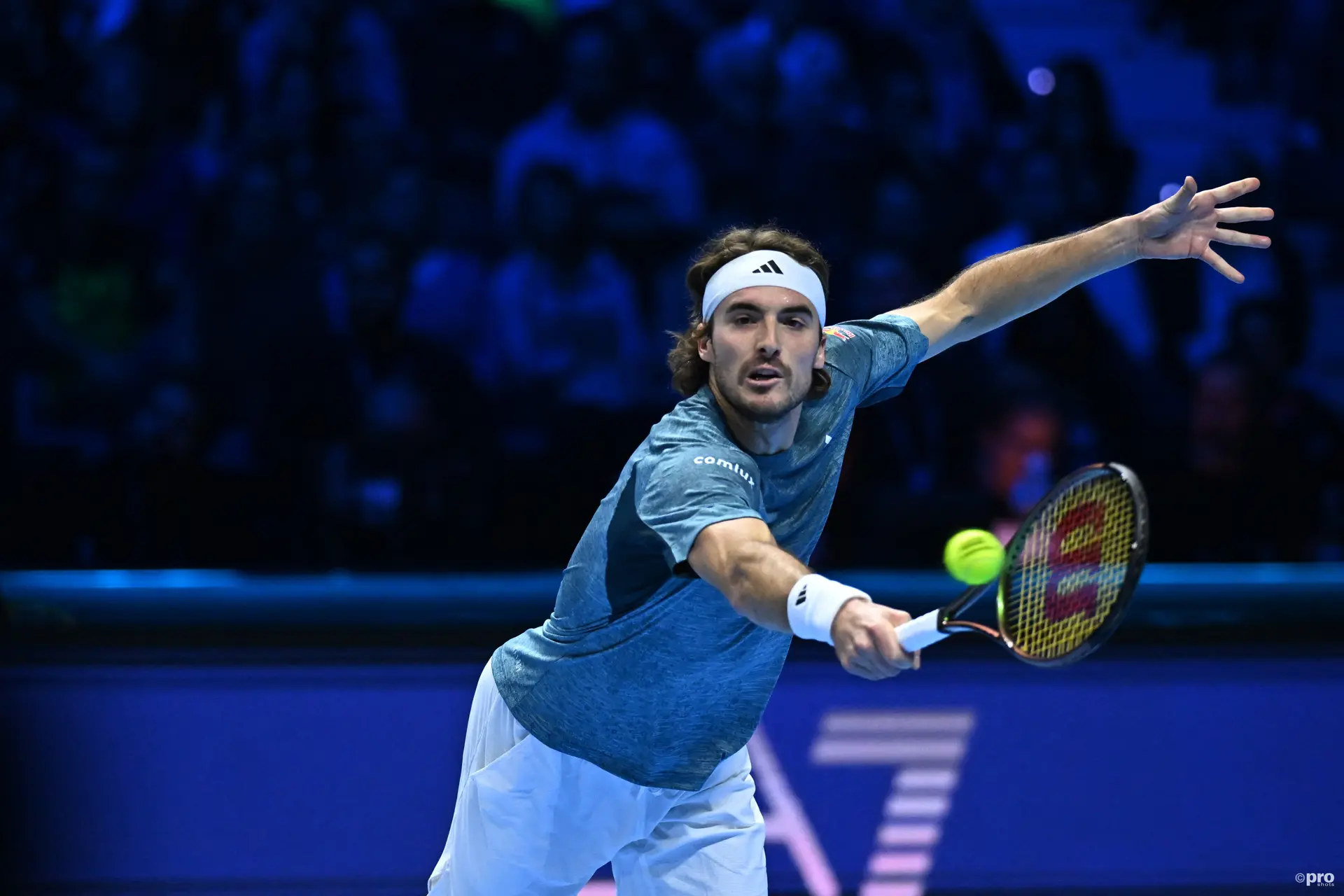
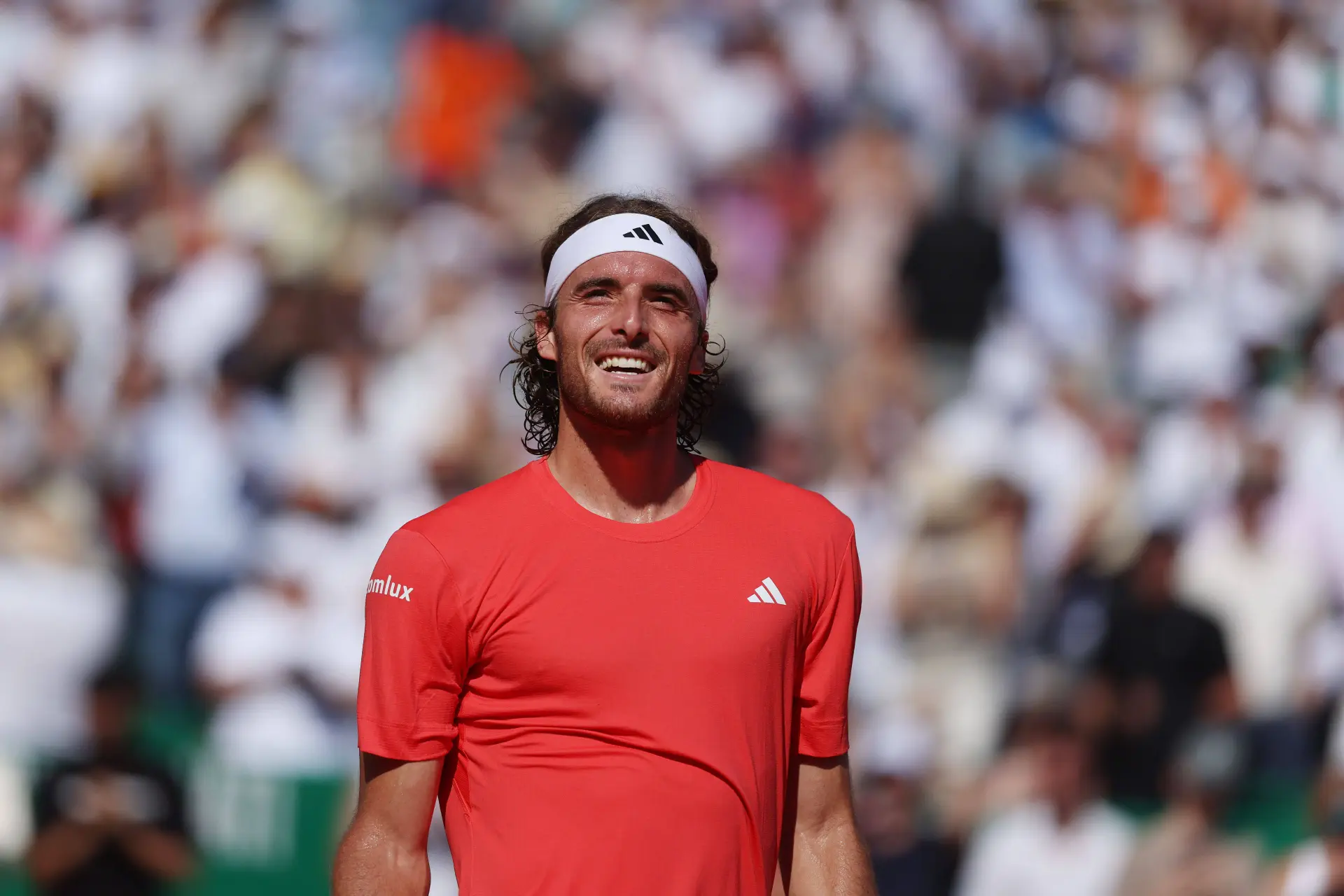
Yet that is precisely what makes his position so unusual. The one-handed backhand was once the standard technique of the sport, but Tsitsipas now finds himself as its final representative in a Grand Slam draw dominated by two-handed backhands. If he reaches the semifinals, the tradition will survive for another year. If he falls short, 2026 could become the first year in the 150-year history of the sport without a one-handed backhand player reaching the last four of a Grand Slam.
For now, Tsitsipas knows exactly what is at stake. “I have a 150-year streak to preserve.”

Cristhián AvilaTennis Journalist
Cristhián Ávila is a tennis journalist based in Santiago, Chile, and has been part of the TennisUpToDate team since early 2023. He covers the ATP and WTA Tours as well as all four Grand Slams, producing breaking news, match reports, analysis, and regular liveblogs from major tournaments.
His reporting combines statistical analysis with clear explanation, helping readers understand tactical developments, player form, and broader storylines across the tour. Working fluently in both Spanish and English, Cristhián collaborates with an international editorial team and contributes to comprehensive global coverage. As part of his work, he has conducted interviews and media interactions with leading figures in the sport, including Caroline Wozniacki and John McEnroe.
In his journalism, Cristhián places strong emphasis on careful sourcing, editorial accuracy, and updating articles promptly when new, verified information becomes available. His coverage is grounded in research, context, and direct engagement with professional tennis.
claps 0visitors 0
Just In

Popular News

Latest Comments
- Two Things: 1. Stop allowing these Spoiled Trust-Fund Elitists to behave badly. Your little hand-slaps do not deter them. 2. STOP the incessantly annoying "towel wiping" nonsense!!!!
 mandoist15-10-2026
 - A healthy Qinwen may be hard to stop next season. She was already scaring her opponents before her medical leave(s). Unfortunately, Zheng insisted on singing again. On the positive side -- Mirra did not sing!! ;~}mandoist11-10-2026
- Where is it written that athletes, entertainers... People in general... are mandated to keep looking at -- or even using [anti]Social Media? Public & private figures consistently complain and reveal their concerns about negativity and violence thrown at them -- yet they insist on participating. Avoid it, don't use it, don't read it. It's okay to occasionally look up at the World instead beating your eyes & thumbs to death on The Inventions out there.mandoist11-10-2026
- great articlestennisseserver07-10-2026
- Medvedev was leading Djokovic 7-5, 3-5 when an attempted return..' NO you ignorants, Djokovic was leading .weiss05-10-2026
- No more bullshit "Wildcards" to these two. Qualify like everyone else -- there will be cameras there, too. Time to scream... WTF ????!!!!mandoist29-09-2026
- Let's not BS the general public -- Sabalenka started showing cracks in her game last season. Her losses and near-losses started at about the same time she began being distracted by Fame (constant Selfies, making TV commercials, magazine shoots, endless Social Media nonsense, etc., etc.) One would think even Saba could recognize the parallels with others who failed before her -- Raducanu, Giorgi, Bouchard to name a few.mandoist25-09-2026
- Gross!! Hey Raducanu, Giorgi, and Bouchard -- reserve a seat at your Social Media Selfie table for Saba + Naomi. They're heading in your direction soon enough.mandoist24-09-2026
- And then these same players will complain about how lengthy their season’s were and need more time-off. I’m all for more tennis but the amount of tennis we get now is actually kind of crazy! We all need a break, especially the players.DaveyWavey23-09-2026
- You should do a comparison article for "different kinds of justice" the courts decide for tennis players. I can think of at least three players who received very small bans of a few months, however Tara Moore has been fighting for her literal survival the past few years. It seems odd considering she is not a "name" player, unlike the other cases.DaveyWavey22-09-2026

Loading