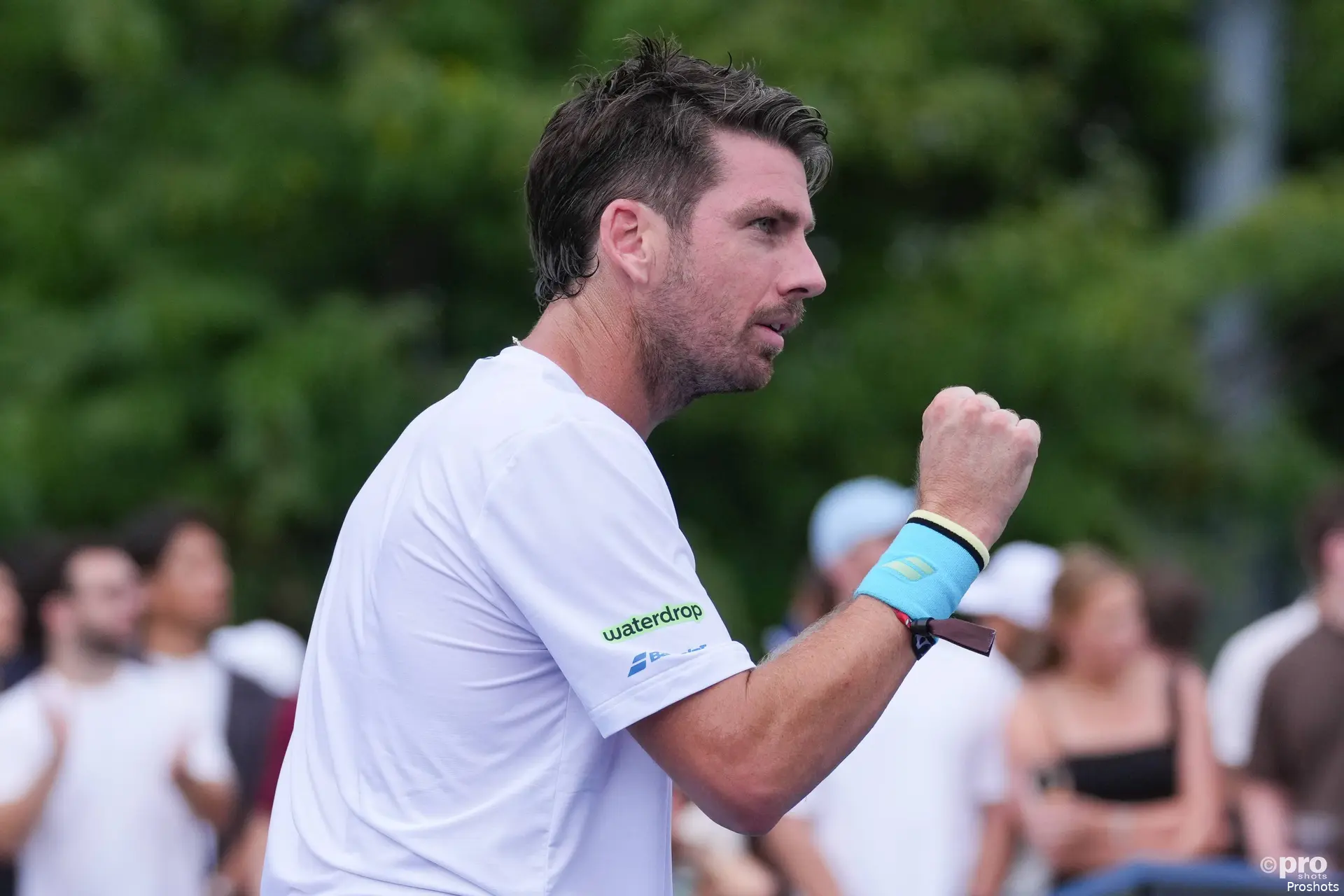
Losing to Luca Van Assche was not supposed to be part of the script for Cameron Norrie at US Open. The Frenchman, ranked No. 97 in the world, had never beaten the Brit in three previous meetings, including two Grand Slam encounters. Norrie also arrived in New York on a 10-match winning streak and with the advantage in their career head-to-head record.
But despite all those factors, Norrie still fell to Van Assche 7-6(6), 2-6, 2-6, 3-6. The Brit fought hard to secure the opening set, but was unable to maintain his level as the match wore on, eventually blowing the lead and suffering another early exit at a Grand Slam.
The result alone would already represent a bad day at the office for Norrie. However, the context around the defeat makes it a much bigger story, as this was his third consecutive first-round exit at a Grand Slam this season, following identical results at Roland Garros and Wimbledon.
One early loss can be explained by a difficult draw or a bad day. Three consecutive first-round exits, at 31 years old, after reaching a career-high No. 8 ranking and making the Wimbledon semifinals just four years ago, represent a pattern that deserves a closer look. For Norrie, the defeat in New York is no longer simply another first-round loss.
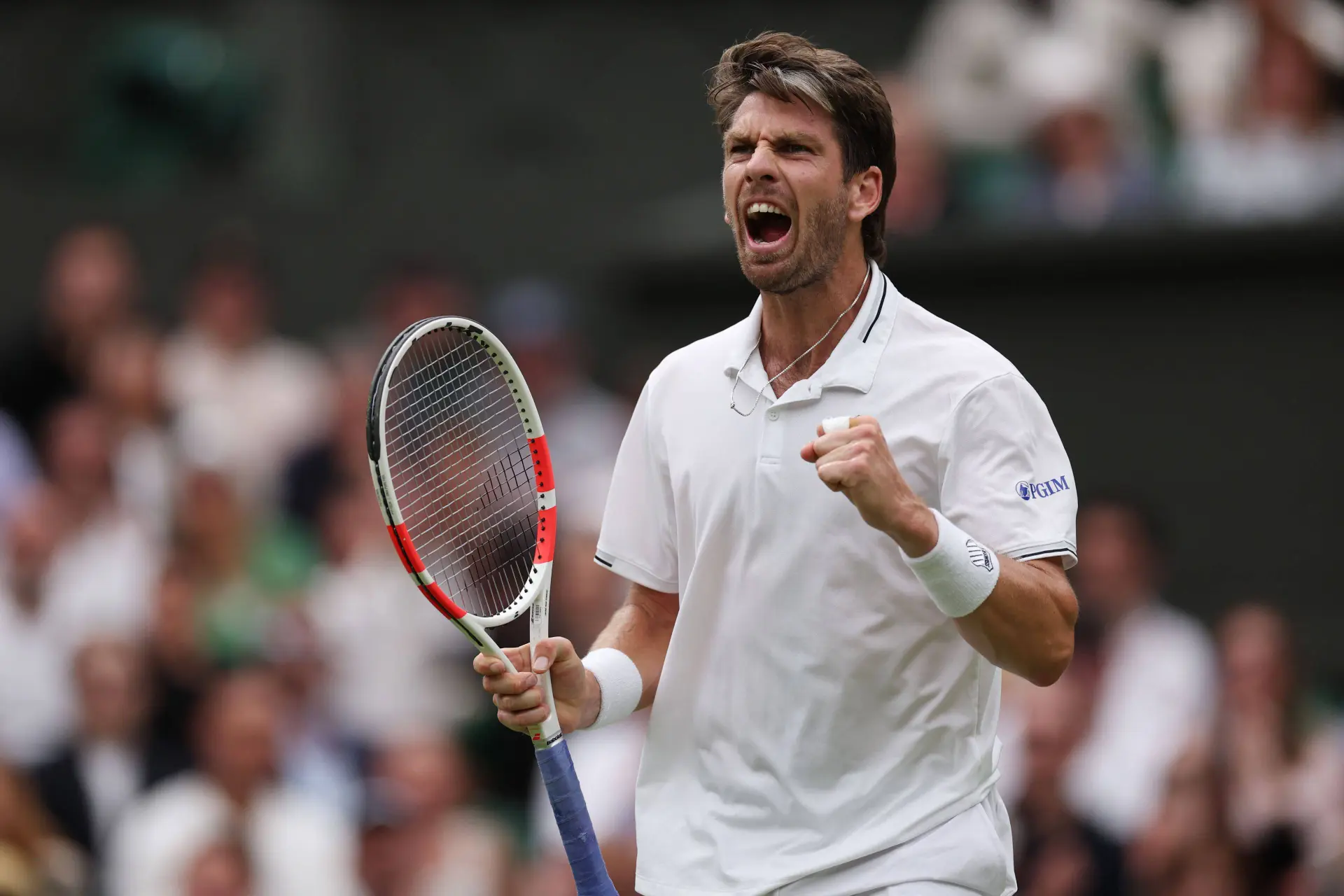
Has his peak already passed?
Norrie’s best season remains 2022, when he reached the Wimbledon semifinals, climbed to a career-high No. 8 ranking, and made the fourth round of the US Open. He has still produced good results since then, with fourth-round appearances at the 2024 Australian Open and 2025 French Open showing that he remains capable of going deep in major draws.
However, nothing has come close to matching that peak, and the gap between being a solid tour player and a Grand Slam semifinalist has only grown.
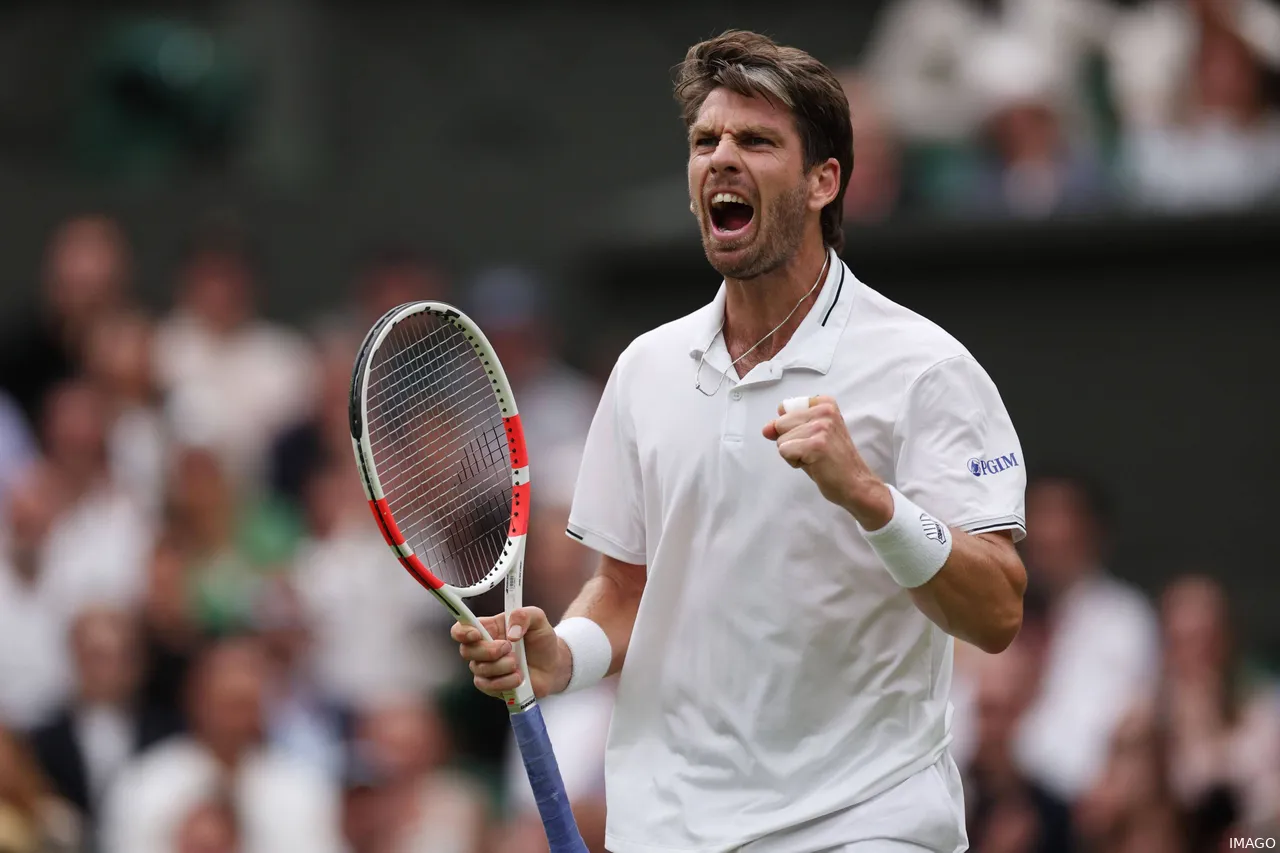
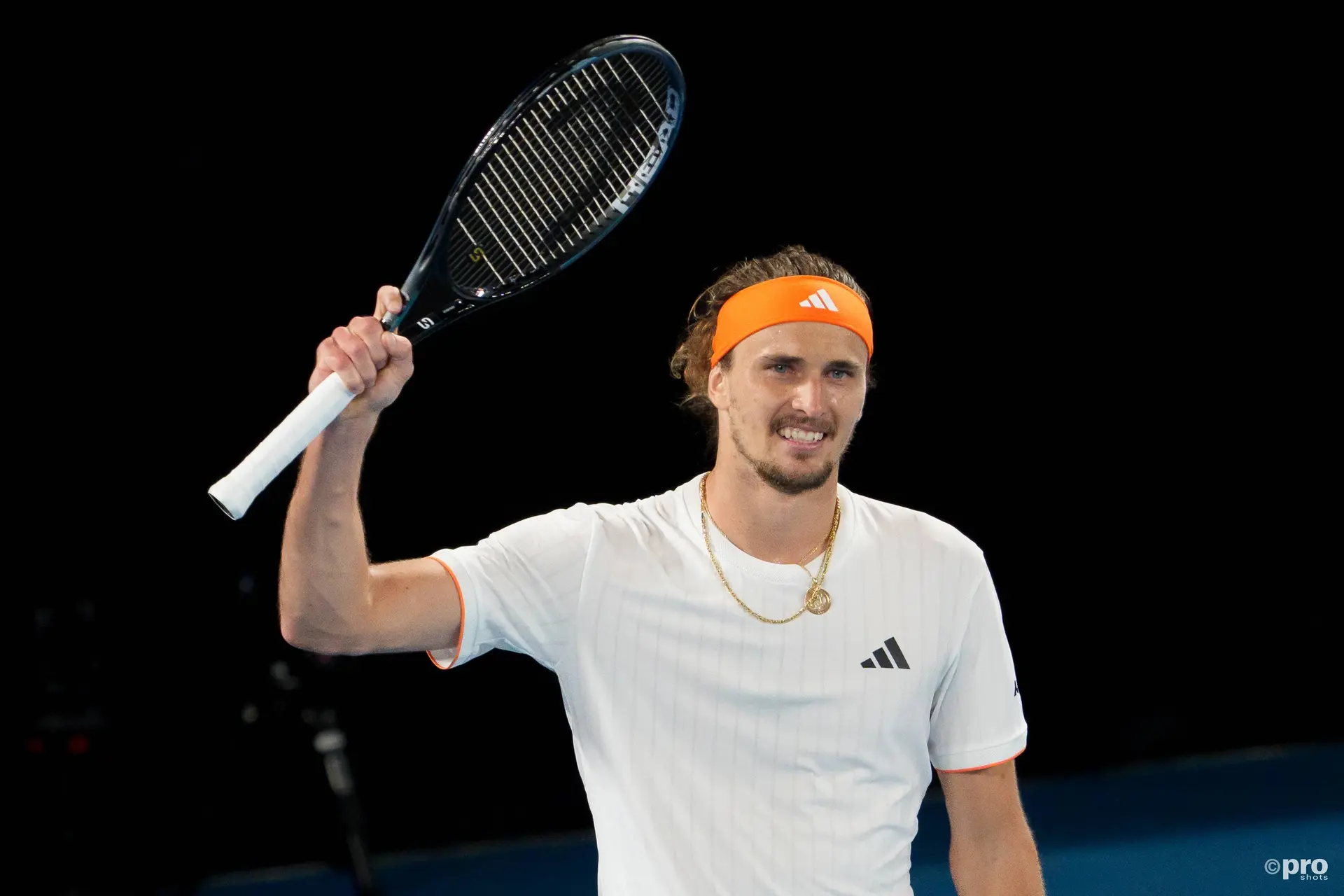
Cameron Norrie celebrates.
Norrie's 2026 Grand Slam season
| Tournament | Result |
| Australian Open 2026 | Third round |
| French Open 2026 | First round |
| Wimbledon 2026 | First round |
| US Open 2026 | First round |
Three first-round exits at majors in the same calendar year, sandwiched between fourth-round finishes the year before, isn't decline in the usual sense — a steady erosion of level. It looks more like something has broken specifically at the biggest events, while the rest of his season tells a very different story.
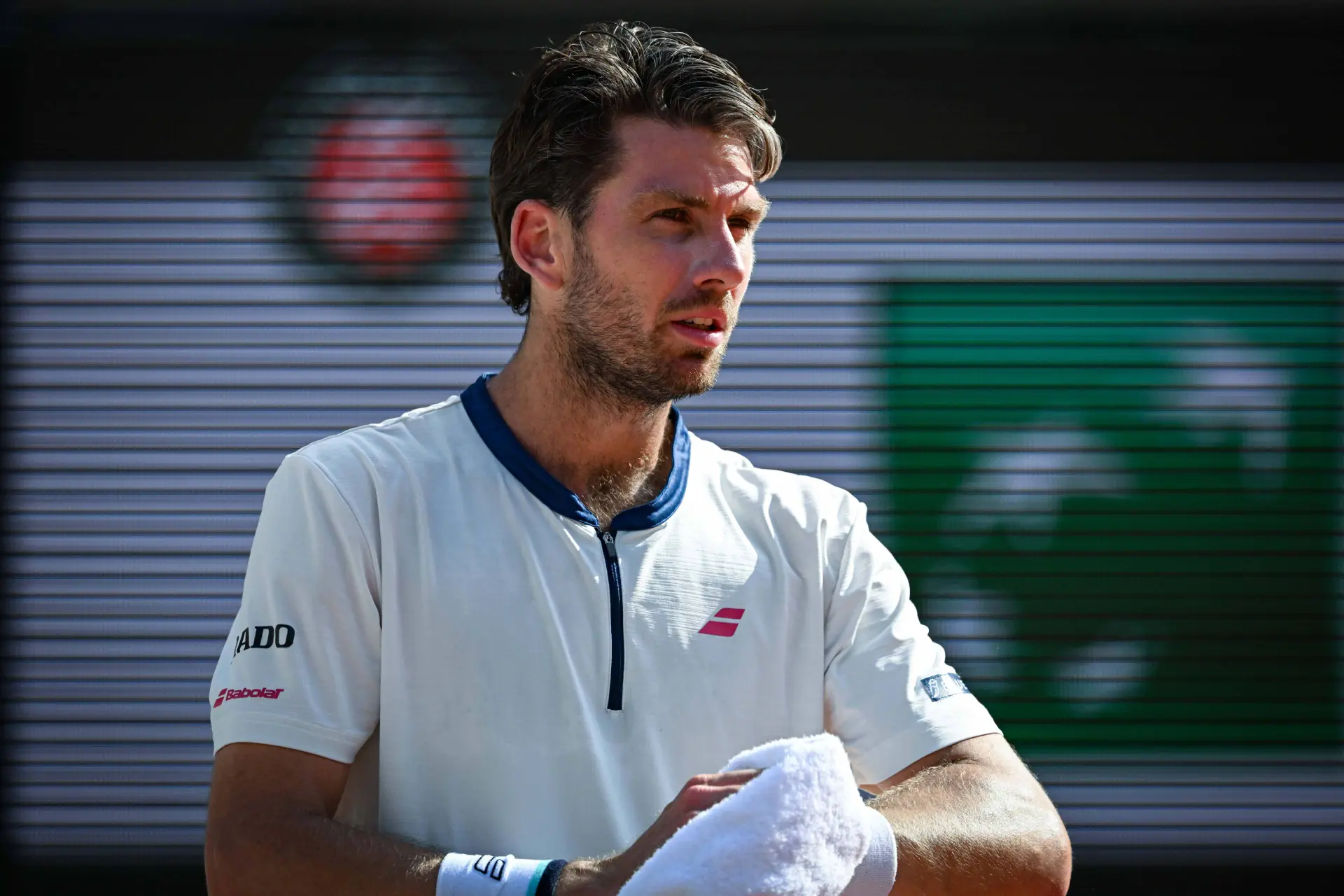
Why has the consistency disappeared?
That's the genuinely strange part. Norrie's 2026 overall record sits at a perfectly respectable 21-18, and he arrived at Flushing Meadows on a 10-match winning streak. Just ten months earlier, in October 2025, he produced the best win of his career, beating world No. 1 Carlos Alcaraz at the Paris Masters and snapping Alcaraz's 17-match Masters 1000 winning streak in the process.
This isn't a player who has lost the ability to compete with the best. It's a player who, specifically at Grand Slams, keeps failing to show up. Norrie's own explanation after the Van Assche match points in that direction. "I was pretty nervous and it showed in the beginning," he admitted, adding that he "could never really maintain a good level of energy and momentum" once the match extended.
He described losing "to myself" rather than to his opponent — a telling phrase for someone whose career has been built on relentless physicality and match-tempo control rather than raw shot-making.

Cameron Norrie through to the second round of the Australian Open 2026
What does he need to change?
Norrie's game has never had much margin for a slow start or a dip in energy. He wins by outlasting people — long rallies, heavy topspin, a willingness to grind through five-set wars that reward total conviction over 90 minutes and total exhaustion of the opponent's patience.
That formula depends entirely on arriving at his best physically and mentally at exactly the right moment, and three straight Slam letdowns suggest that formula is currently failing him specifically under the extra weight that majors carry — bigger crowds, best-of-five physicality, and, this year, the added scrutiny of losing the British No. 1 ranking to Arthur Fery on the eve of this very tournament.
The fix isn't technical. Nobody watching Norrie beat Alcaraz in Paris came away thinking his backhand or his movement had regressed. What he needs is whatever separates a player who can win 10 straight matches on tour from one who can also do it when a Grand Slam draw, rather than an ATP 250 field, is staring back at him — likely a question for his team about match preparation and in-tournament routine as much as anything on the practice court.
Is he still capable of returning to the top 20?
The Alcaraz win is the strongest evidence that the talent hasn't gone anywhere. Beating the world's best player, ending a 17-match Masters 1000 streak, isn't something a player in genuine decline manages to do. Norrie was also, until this same week, still Britain's top-ranked man — proof that even a rough Slam season hasn't dropped him out of the conversation entirely.
But 31 is an age where the grinding, high-mileage style Norrie has always relied on starts to carry real risk, and three consecutive first-round major exits is not a small sample to explain away. If this is a blip, the Alcaraz result and the 10-match streak heading into New York suggest the top 20 is still realistic.
If it's the start of something more permanent, the pattern of this season — good enough for the regular tour, not good enough for the tournaments that matter most — is exactly how a career quietly settles into its second half. Which version turns out to be true probably depends less on his ranking over the next few months than on whether he can find, at the biggest events specifically, whatever went missing in Paris, London and now New York.

Cristhián AvilaTennis Journalist
Cristhián Ávila is a tennis journalist based in Santiago, Chile, and has been part of the TennisUpToDate team since early 2023. He covers the ATP and WTA Tours as well as all four Grand Slams, producing breaking news, match reports, analysis, and regular liveblogs from major tournaments.
His reporting combines statistical analysis with clear explanation, helping readers understand tactical developments, player form, and broader storylines across the tour. Working fluently in both Spanish and English, Cristhián collaborates with an international editorial team and contributes to comprehensive global coverage. As part of his work, he has conducted interviews and media interactions with leading figures in the sport, including Caroline Wozniacki and John McEnroe.
In his journalism, Cristhián places strong emphasis on careful sourcing, editorial accuracy, and updating articles promptly when new, verified information becomes available. His coverage is grounded in research, context, and direct engagement with professional tennis.
claps 0visitors 0
Just In


Popular News
Latest Comments
- A healthy Qinwen may be hard to stop next season. She was already scaring her opponents before her medical leave(s). Unfortunately, Zheng insisted on singing again. On the positive side -- Mirra did not sing!! ;~}
 mandoist11-10-2026
 - Where is it written that athletes, entertainers... People in general... are mandated to keep looking at -- or even using [anti]Social Media? Public & private figures consistently complain and reveal their concerns about negativity and violence thrown at them -- yet they insist on participating. Avoid it, don't use it, don't read it. It's okay to occasionally look up at the World instead beating your eyes & thumbs to death on The Inventions out there.mandoist11-10-2026
- great articlestennisseserver07-10-2026
- Medvedev was leading Djokovic 7-5, 3-5 when an attempted return..' NO you ignorants, Djokovic was leading .weiss05-10-2026
- No more bullshit "Wildcards" to these two. Qualify like everyone else -- there will be cameras there, too. Time to scream... WTF ????!!!!mandoist29-09-2026
- Let's not BS the general public -- Sabalenka started showing cracks in her game last season. Her losses and near-losses started at about the same time she began being distracted by Fame (constant Selfies, making TV commercials, magazine shoots, endless Social Media nonsense, etc., etc.) One would think even Saba could recognize the parallels with others who failed before her -- Raducanu, Giorgi, Bouchard to name a few.mandoist25-09-2026
- Gross!! Hey Raducanu, Giorgi, and Bouchard -- reserve a seat at your Social Media Selfie table for Saba + Naomi. They're heading in your direction soon enough.mandoist24-09-2026
- And then these same players will complain about how lengthy their season’s were and need more time-off. I’m all for more tennis but the amount of tennis we get now is actually kind of crazy! We all need a break, especially the players.DaveyWavey23-09-2026
- You should do a comparison article for "different kinds of justice" the courts decide for tennis players. I can think of at least three players who received very small bans of a few months, however Tara Moore has been fighting for her literal survival the past few years. It seems odd considering she is not a "name" player, unlike the other cases.DaveyWavey22-09-2026
- PRIZE MONEY & POINTS Winner - $185,500 Finalist - $114,500 Semi-Finalist - $66,003 Quarter-Finalist - $35,000 Round of 16 - $18,045 Round of 32 - $13,005 Winner - 500 Finalist - 325 Semi-Finalist - 195 Quarter-Finalist - 108 Round of 16 - 60 Round of 32 - 1DaveyWavey20-09-2026

Loading