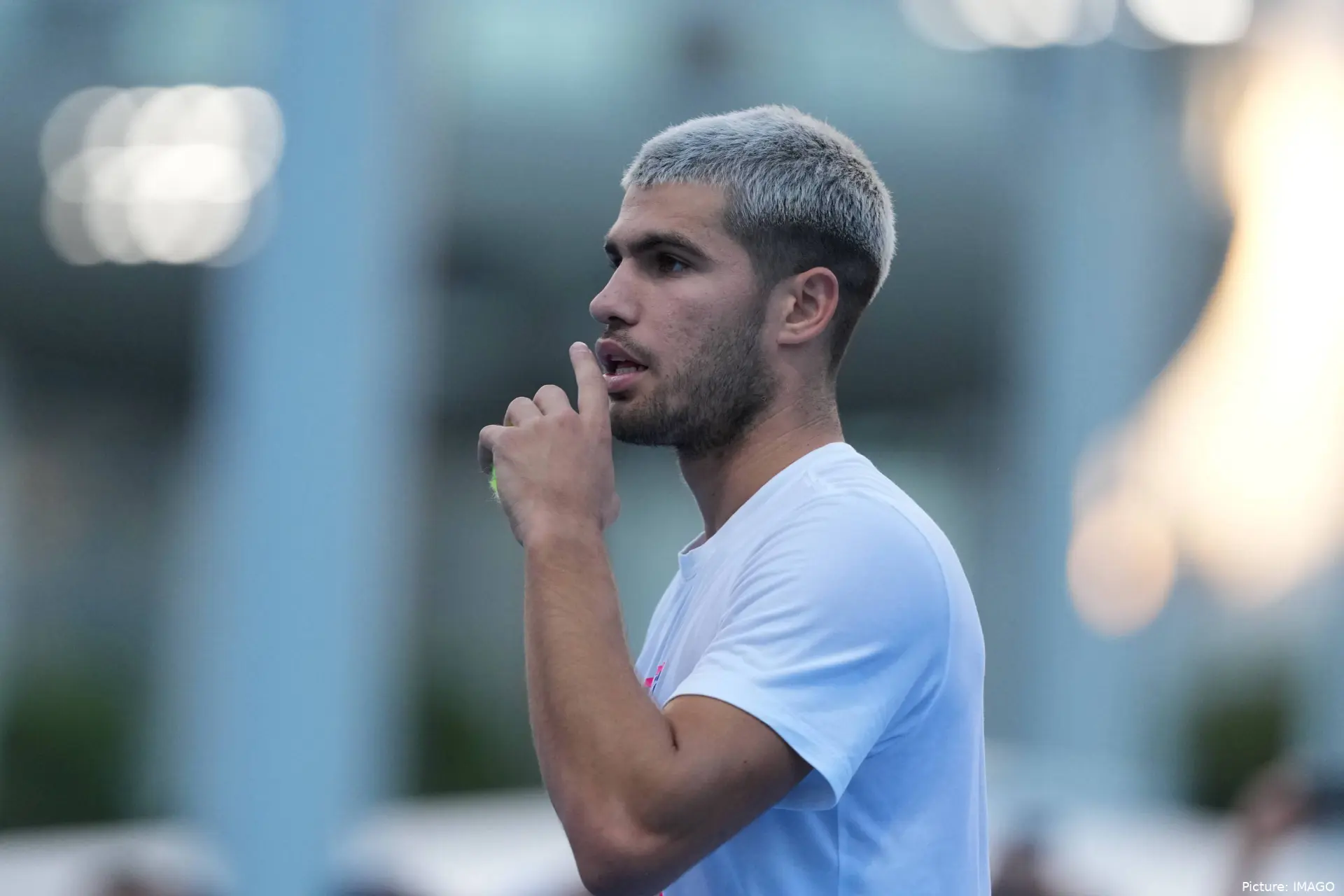
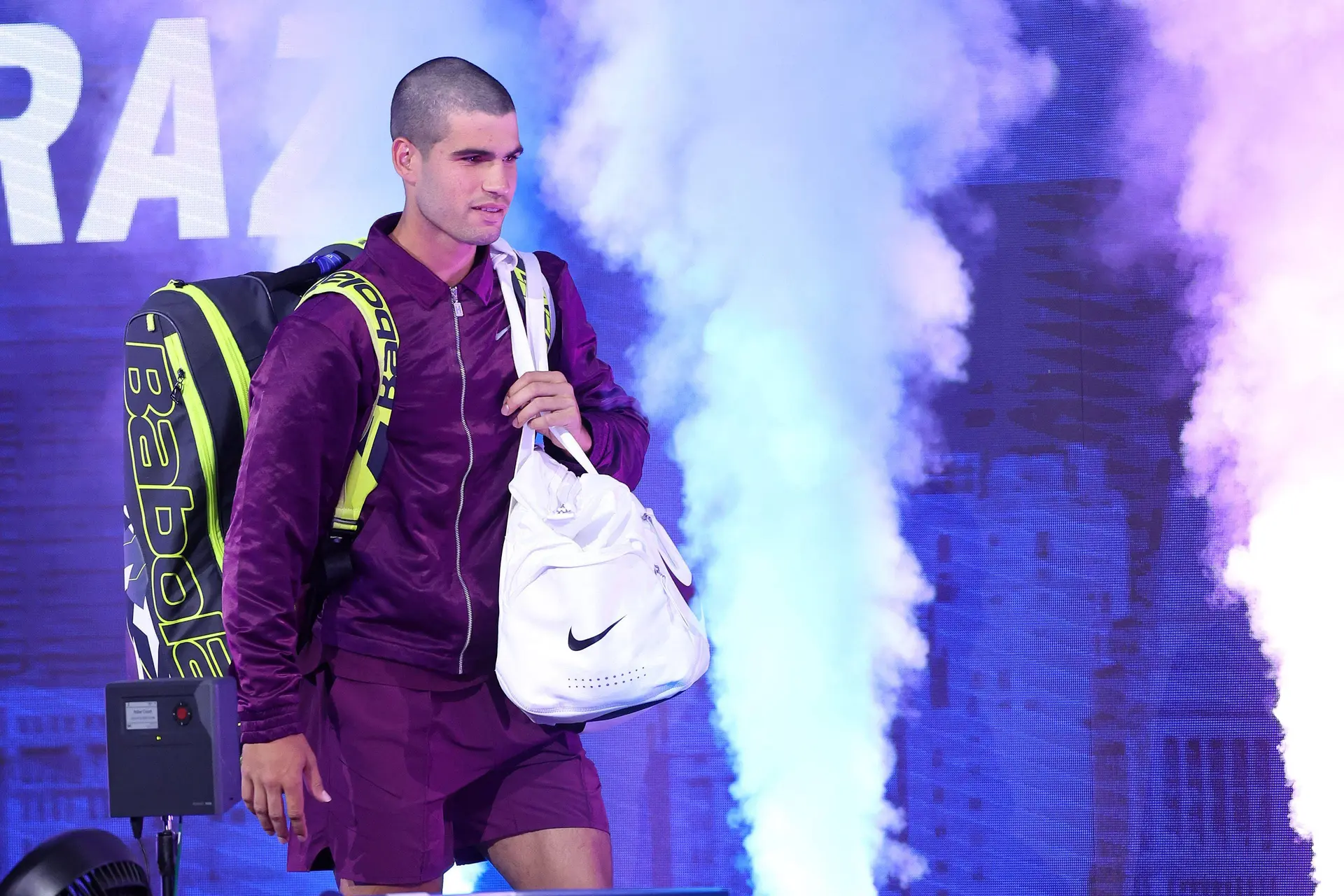
Carlos Alcaraz’s season has taken another unexpected turn. After a taxing few months marked by deep tournament runs and physical demands, the Spaniard’s coach has confirmed that his star pupil sustained a grade 2 ankle sprain, forcing a recalibration of both his calendar and his movement on court.
A painful twist in Tokyo
Carlos Alcaraz’s season has taken another unexpected turn. After a taxing few months marked by deep tournament runs and physical demands, the Spaniard’s coach has confirmed that his star pupil sustained a grade 2 ankle sprain, forcing a recalibration of both his calendar and his movement on court.
For Alcaraz, who thrives on rhythm and court time, the decision to manage the sprain conservatively was as much mental as physical. Daily physiotherapy, ice baths, and taping routines became as essential as his hitting sessions. The Spaniard was cleared to continue limited training, but under strict supervision. His team prioritised restoring stability to the joint while maintaining his overall conditioning, a delicate balance for a player whose explosive movement is the cornerstone of his game.
Shanghai withdrawal for the Spaniard
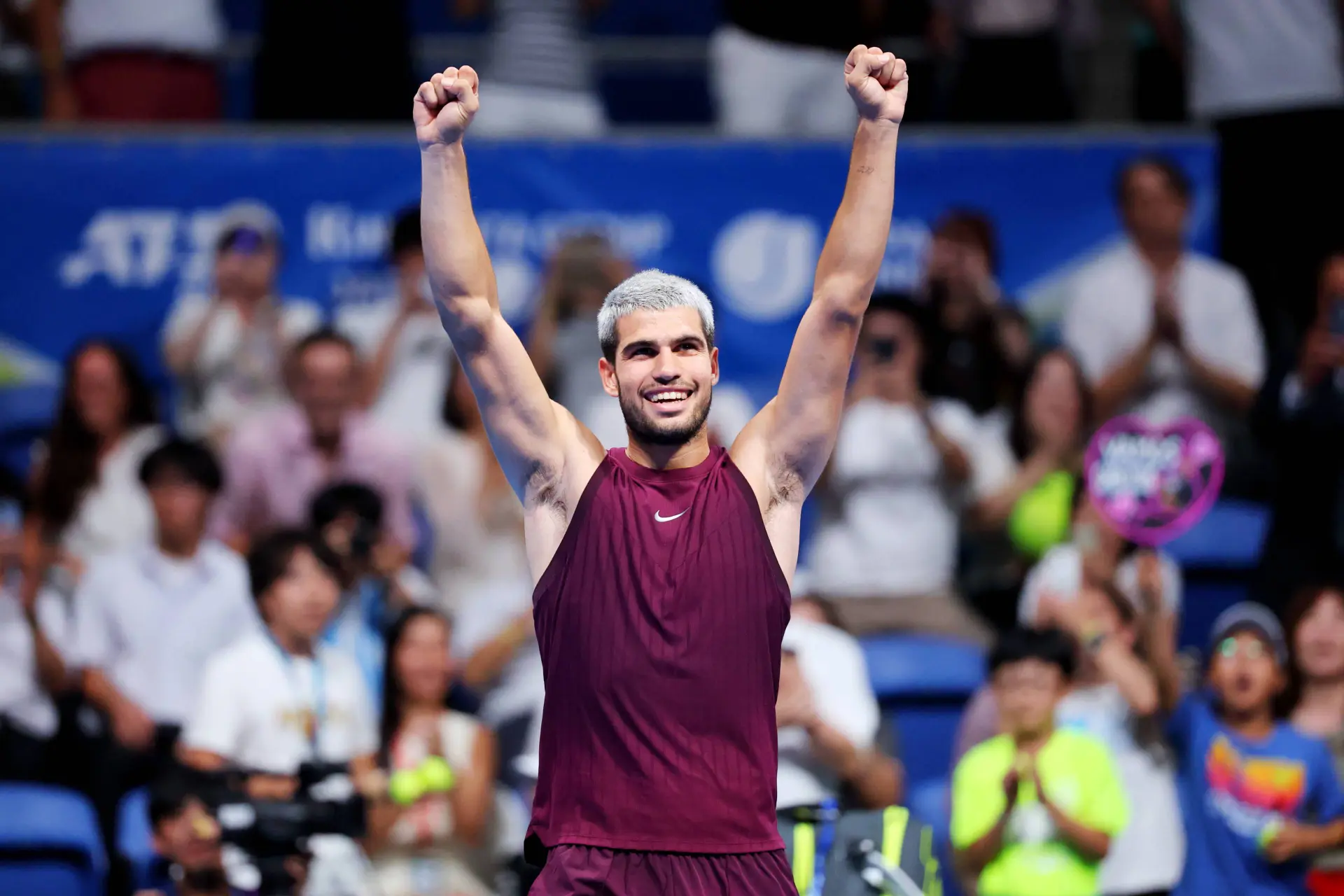
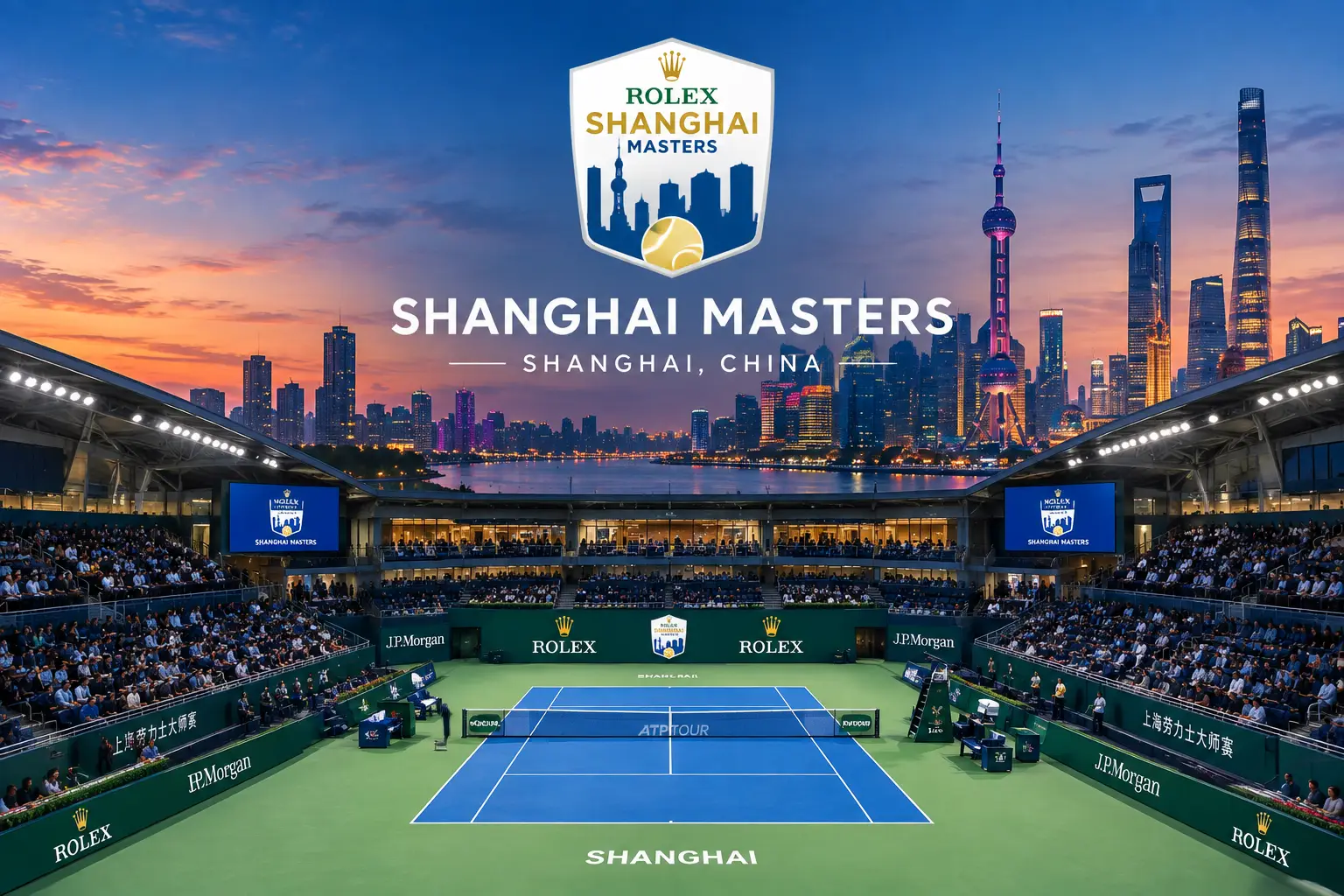
Despite the progress made in Tokyo, Alcaraz’s camp advised against competing at the Shanghai Masters. The surface and schedule, his coach explained, would have posed unnecessary risk. That adjustment, he noted, has been one of the biggest challenges in Alcaraz’s rehabilitation. The 21-year-old’s aggressive movement patterns, marked by sharp slides, quick recoveries, and explosive lateral bursts, are being carefully recalibrated to protect the injured ankle. Yet in doing so, other muscle groups and joints are now absorbing more strain, from his knees to his lower back.
Reflecting on his gritty Tokyo run
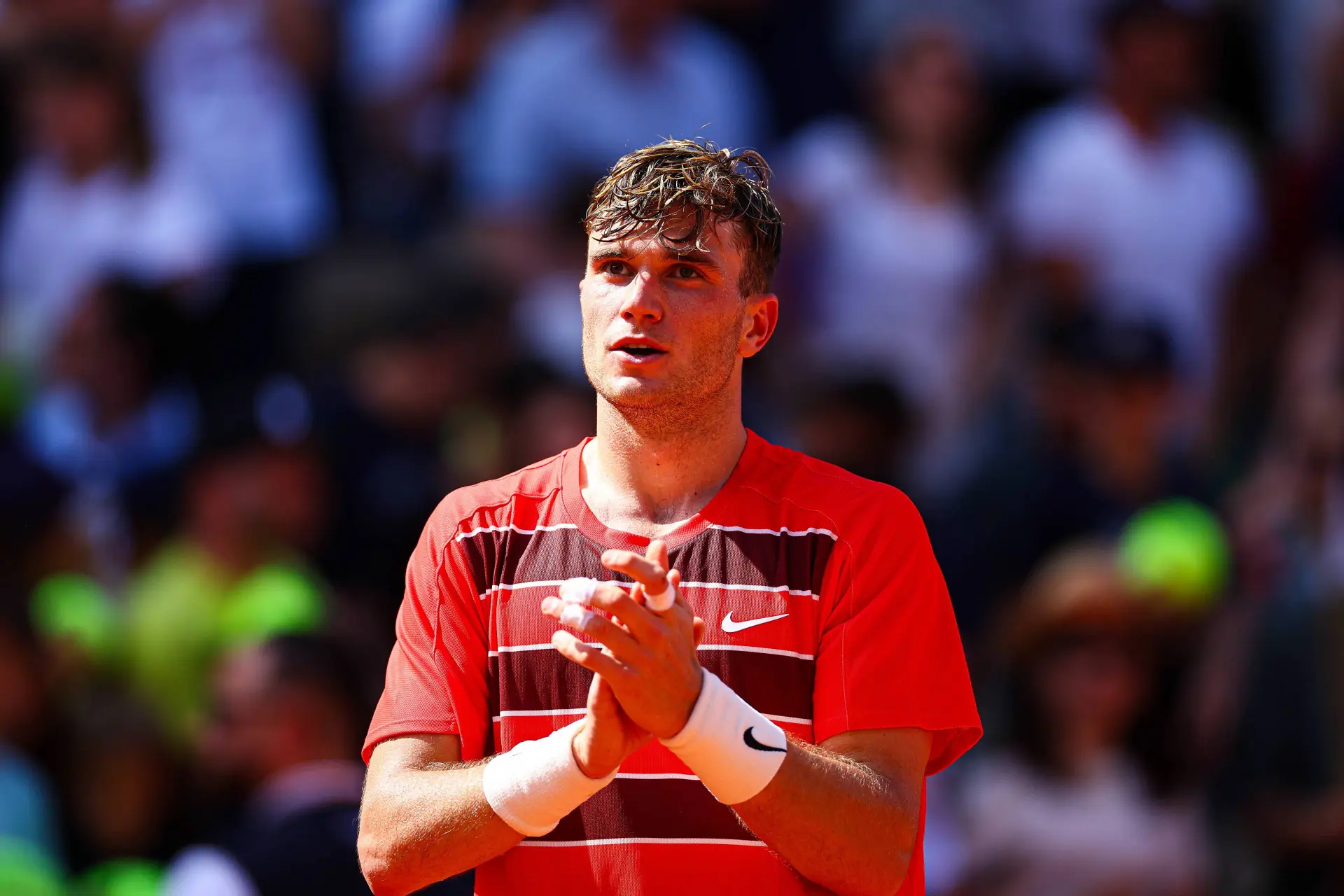
The injury came during his run at the Japan Open in Tokyo, where Alcaraz remarkably went on to win the title despite visible discomfort. The world number 2 opened with a confident 6-4, 6-2 win over Sebastian Baez and followed it up with victories over Zizou Bergs, Brandon Nakashima, and Casper Ruud.
By the semifinals, however, the signs of strain were beginning to show. Against Ruud, Alcaraz was seen grimacing between points, clutching his ankle after long rallies. Still, he battled through, rallying from a set down to win 3-6, 6-3, 6-4. The final was no less demanding; he defeated Taylor Fritz 6-4, 6-4 in a match defined by precision and grit rather than explosive movement. His coach later revealed that the grade 2 sprain had been confirmed earlier that week, but Alcaraz and his team decided to continue in Tokyo under heavy daily treatment.
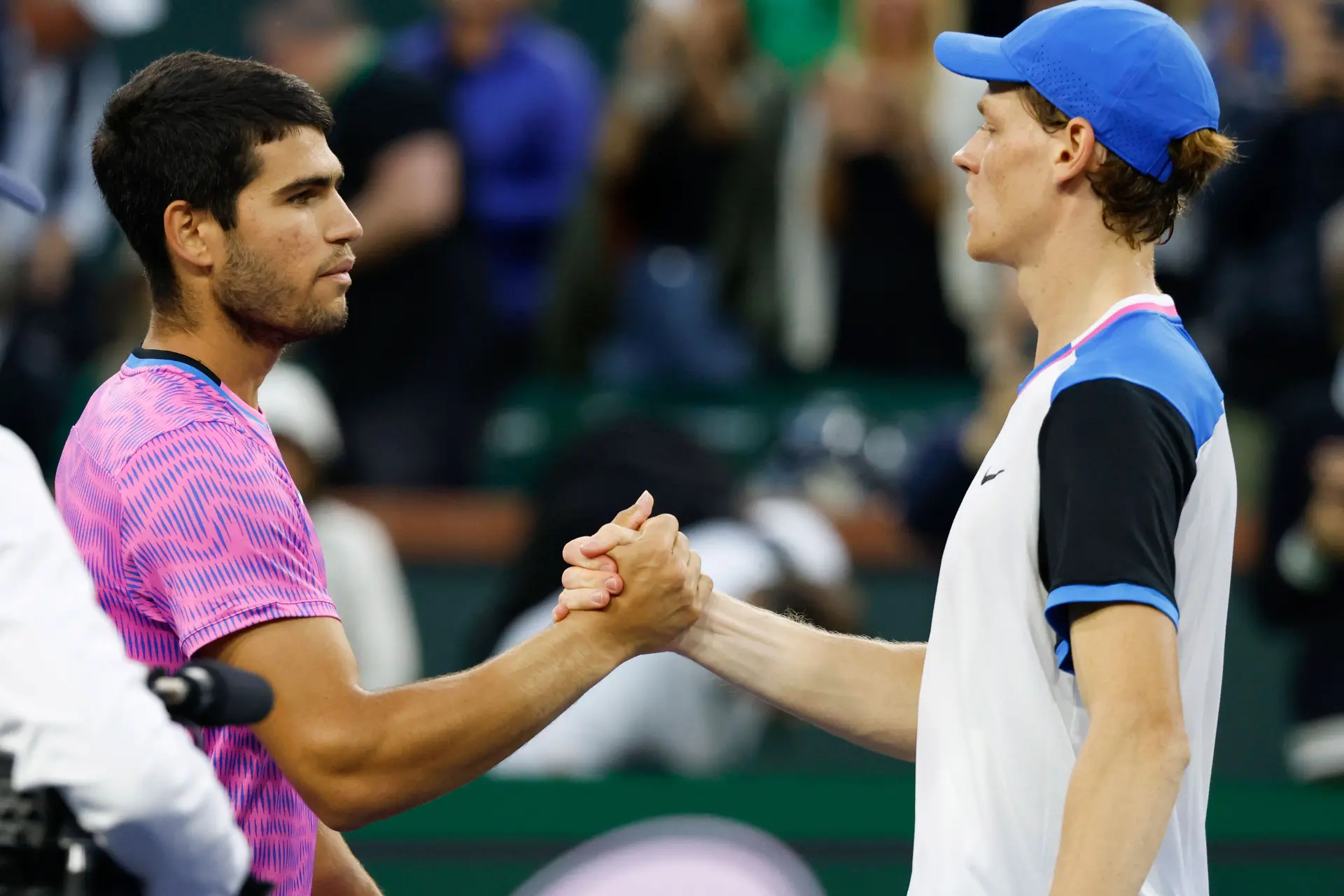
For a player who’s built his reputation on fearlessness, the enforced pause has been a reminder that even the best must listen to their bodies. Alcaraz’s team has reportedly adjusted his gym and movement routines to improve balance, stability, and ankle strength.
The plan is to return fully fit for the European indoor season, with eyes on Paris and the ATP Finals in Turin. While fans may be disappointed to miss seeing him in Shanghai, this is a calculated step in ensuring the longevity of one of tennis’s brightest stars. For Alcaraz, who has often turned adversity into growth, this injury may yet prove to be another lesson in patience, preparation, and perspective.
At just 22, Alcaraz has already learned lessons that many athletes face much later in their careers, that restraint can be as powerful as aggression, and that sometimes, stepping back is the only way to move forward stronger. His evolution from an exuberant prodigy into a measured champion is unfolding before the tennis world’s eyes.
If Tokyo proved Alcaraz’s resilience, Shanghai’s absence proves his wisdom. Therefore, when he finally returns, likely rejuvenated for the European indoor swing, fans can expect not just the same thrilling shot-making, but a more complete, more balanced version of the player destined to define tennis’s next decade.
Sean Killen is a contributing journalist for both DartsNews.com and Tennisuptodate.com, where he balances his university studies with writing news updates, player features, and match reports across both sports.
Before joining the sites, Sean built experience across student and professional media. He serves as TV News Director for Cardiff University TV (CUTV), has reported for Gair Rhydd and The Cardiff Times, and produced viral news coverage that gained international attention. His reporting spans sports, breaking news, and human-interest features, and he’s worked across platforms including print, online, radio, and video.
Sean has followed the ATP and WTA tennis tours closely for years, with a growing interest in darts through the Premier League and World Championship circuits. He brings a sharp eye for storytelling, a commitment to accuracy, and a passion for making niche sports accessible to wider audiences.
claps 0visitors 0
Just In

Popular News
Latest Comments
- A healthy Qinwen may be hard to stop next season. She was already scaring her opponents before her medical leave(s). Unfortunately, Zheng insisted on singing again. On the positive side -- Mirra did not sing!! ;~}
 mandoist11-10-2026
 - Where is it written that athletes, entertainers... People in general... are mandated to keep looking at -- or even using [anti]Social Media? Public & private figures consistently complain and reveal their concerns about negativity and violence thrown at them -- yet they insist on participating. Avoid it, don't use it, don't read it. It's okay to occasionally look up at the World instead beating your eyes & thumbs to death on The Inventions out there.mandoist11-10-2026
- great articlestennisseserver07-10-2026
- Medvedev was leading Djokovic 7-5, 3-5 when an attempted return..' NO you ignorants, Djokovic was leading .weiss05-10-2026
- No more bullshit "Wildcards" to these two. Qualify like everyone else -- there will be cameras there, too. Time to scream... WTF ????!!!!mandoist29-09-2026
- Let's not BS the general public -- Sabalenka started showing cracks in her game last season. Her losses and near-losses started at about the same time she began being distracted by Fame (constant Selfies, making TV commercials, magazine shoots, endless Social Media nonsense, etc., etc.) One would think even Saba could recognize the parallels with others who failed before her -- Raducanu, Giorgi, Bouchard to name a few.mandoist25-09-2026
- Gross!! Hey Raducanu, Giorgi, and Bouchard -- reserve a seat at your Social Media Selfie table for Saba + Naomi. They're heading in your direction soon enough.mandoist24-09-2026
- And then these same players will complain about how lengthy their season’s were and need more time-off. I’m all for more tennis but the amount of tennis we get now is actually kind of crazy! We all need a break, especially the players.DaveyWavey23-09-2026
- You should do a comparison article for "different kinds of justice" the courts decide for tennis players. I can think of at least three players who received very small bans of a few months, however Tara Moore has been fighting for her literal survival the past few years. It seems odd considering she is not a "name" player, unlike the other cases.DaveyWavey22-09-2026
- PRIZE MONEY & POINTS Winner - $185,500 Finalist - $114,500 Semi-Finalist - $66,003 Quarter-Finalist - $35,000 Round of 16 - $18,045 Round of 32 - $13,005 Winner - 500 Finalist - 325 Semi-Finalist - 195 Quarter-Finalist - 108 Round of 16 - 60 Round of 32 - 1DaveyWavey20-09-2026

Loading