Chris Evert draws Seles-Graf parallel as Sinner’s dominance raises “what if” question about Alcaraz
ATP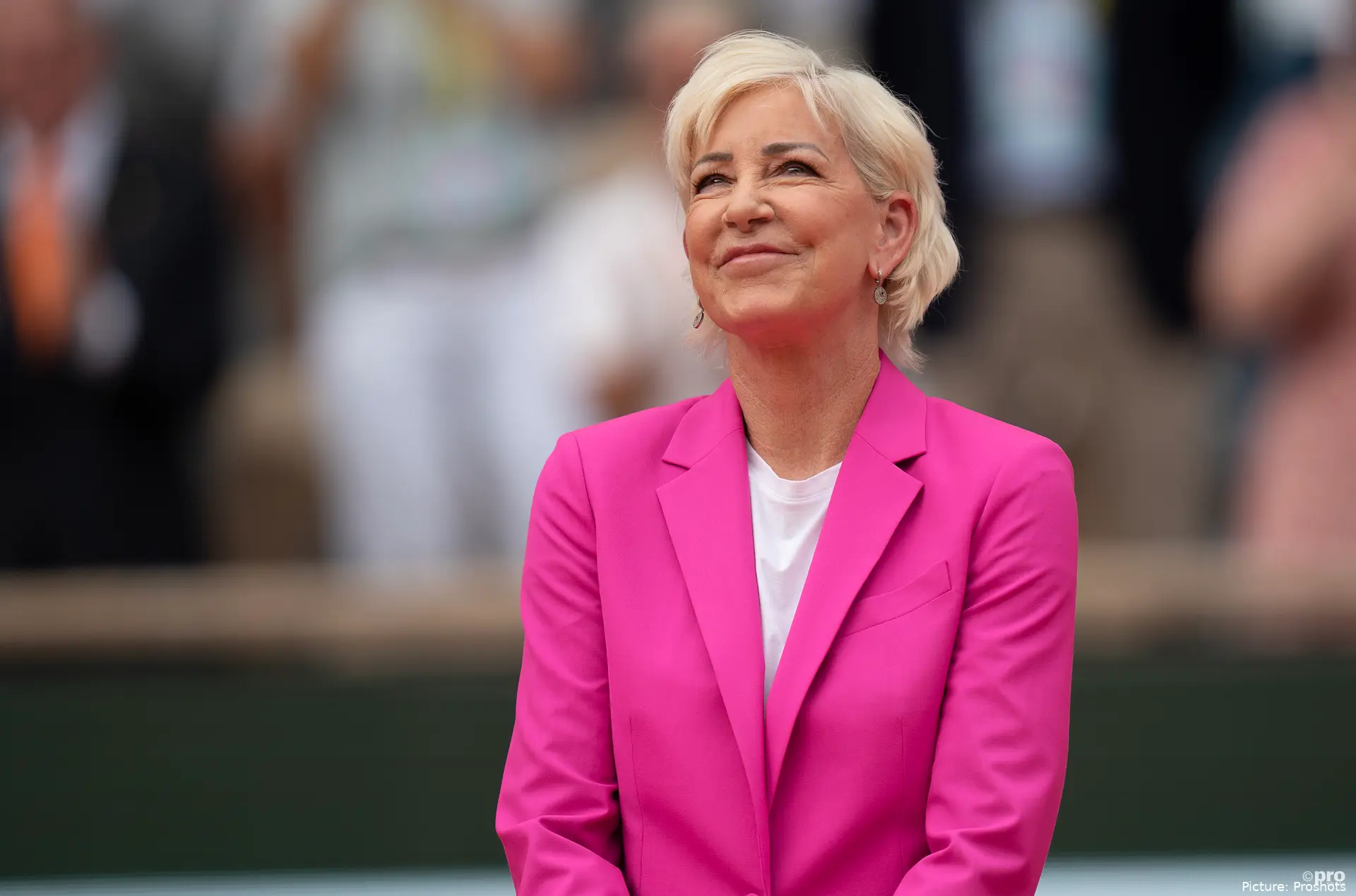
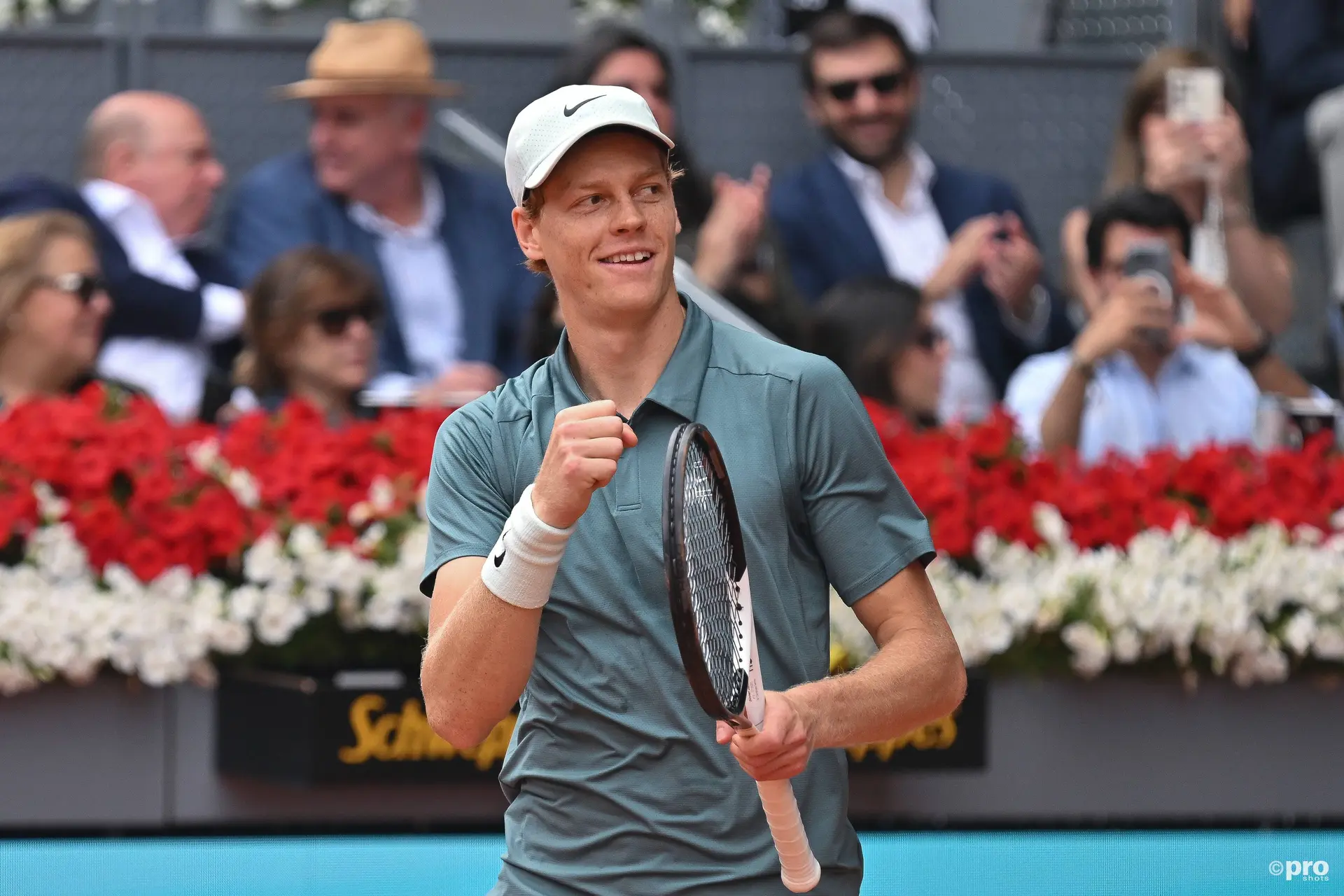
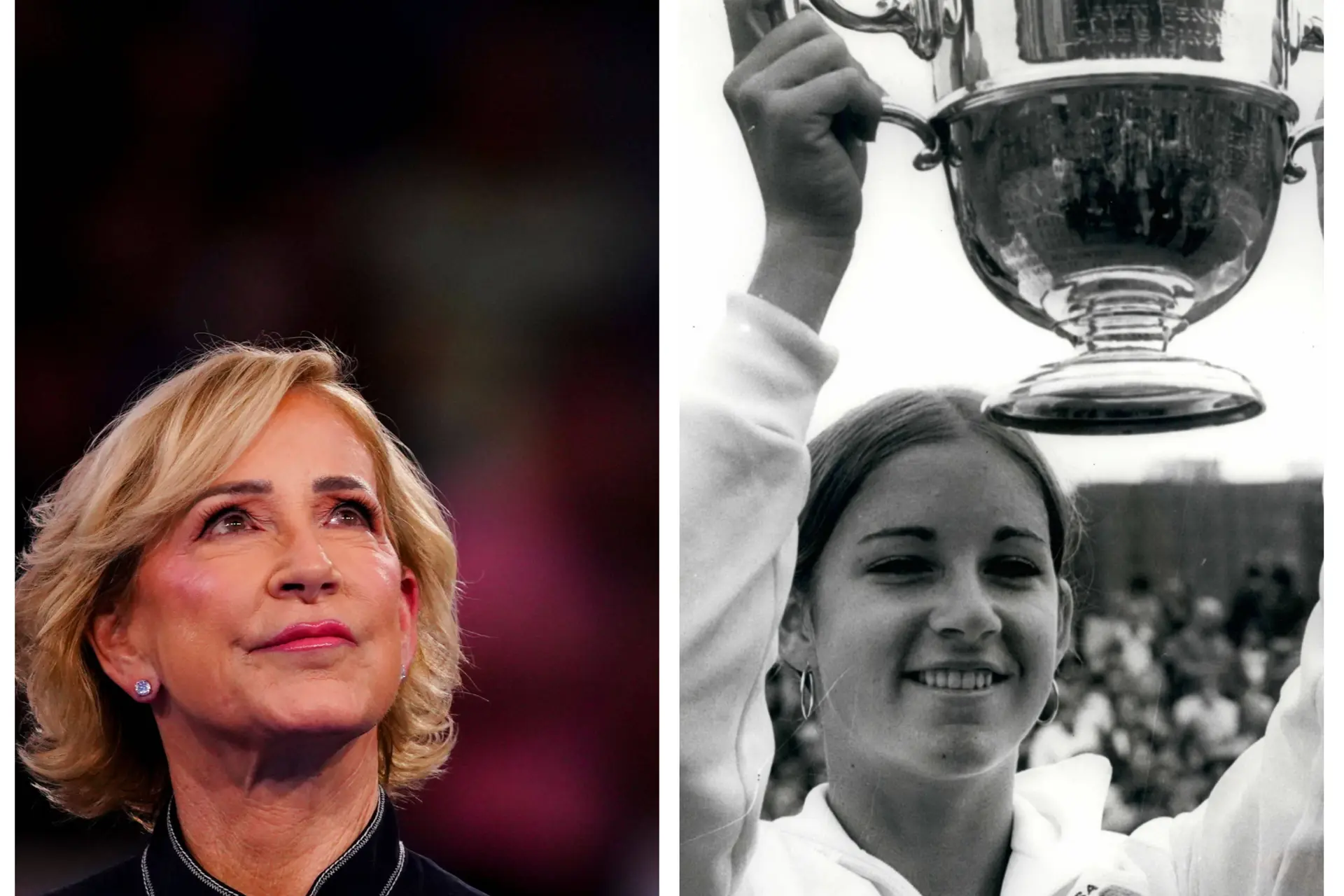
The 18-time Grand Slam champion Chris Evert, while analysing the current Sinner–Alcaraz dynamic, made an immediate and explicit comparison to the Monica Seles–Steffi Graf rivalry, framing Jannik Sinner’s recent dominance as partly influenced by Carlos Alcaraz’s absence.
The American former World No. 1 used the Seles case as a reference point while discussing Sinner’s 30-match winning streak and his sustained control of the ATP Tour up to Roland Garros. In her view, the absence of a fully available rival must be considered when evaluating the broader context of dominance.
Evert did not question Sinner’s level, but she suggested that the narrative around his superiority cannot be fully separated from Alcaraz’s periods away from competition.
For the American, Sinner’s extended run of dominance is partly shaped by the prolonged absence of the Spaniard, similar to how the years following Seles’ stabbing altered the competitive landscape of women’s tennis and allowed Steffi Graf to dominate in the absence of her main rival.
Read also
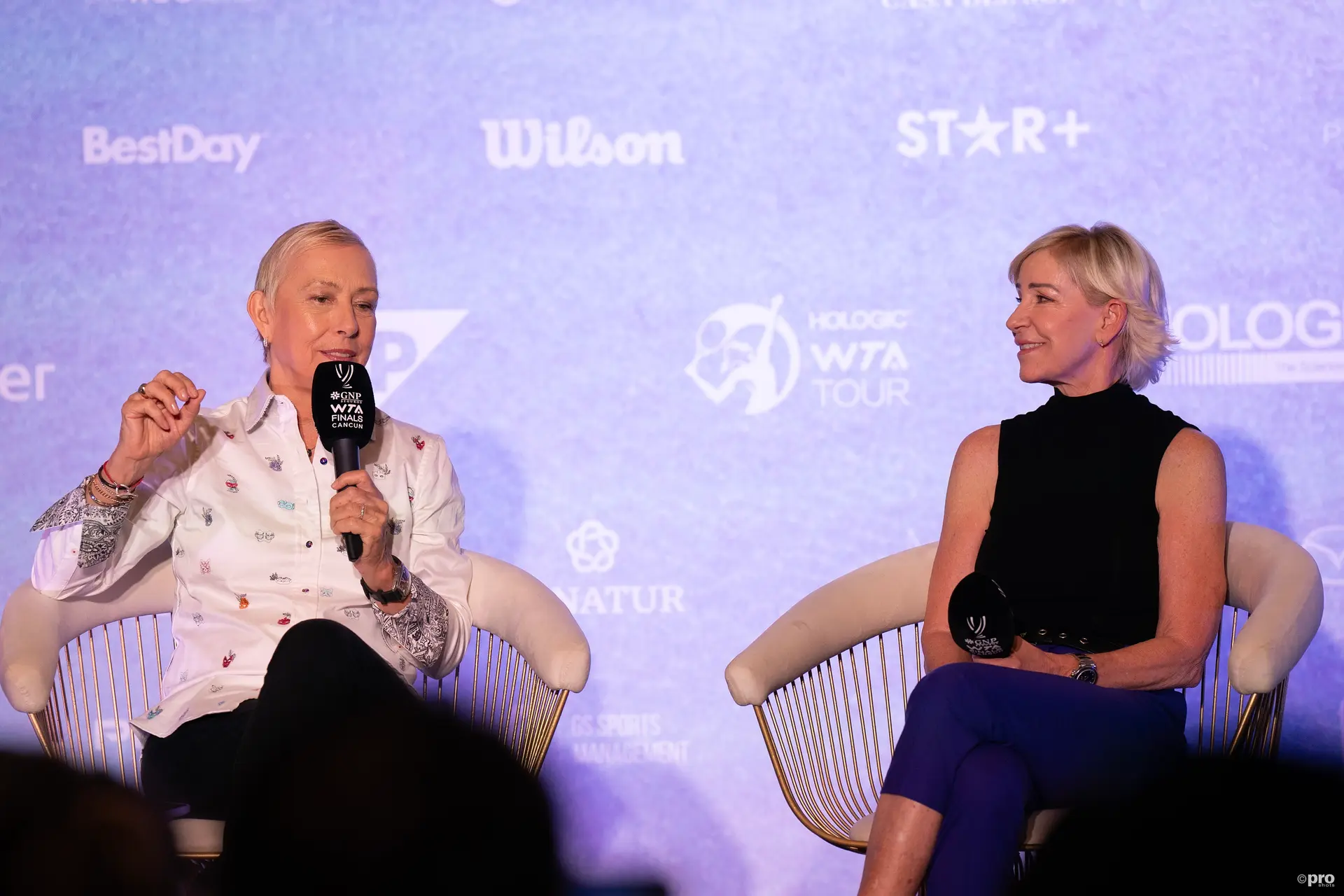
Evert frames Sinner-Alcaraz dominance through Seles absence analogy
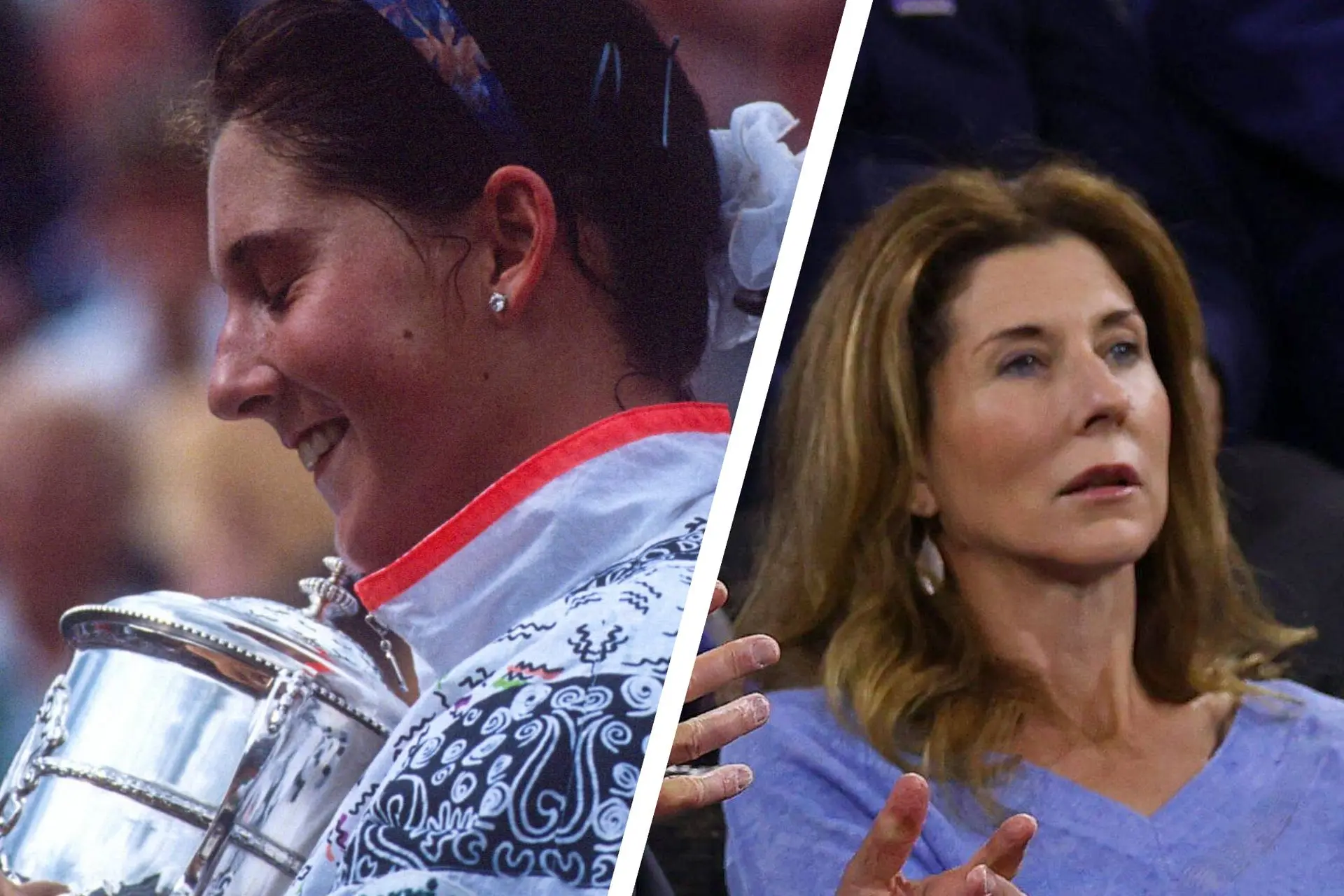
Evert’s central argument focused on how tennis history often reflects not only performance peaks, but also timing and availability of key rivals. She pointed directly to Monica Seles’ situation in the early 1990s as a structural turning point in the women’s game, using it to contextualise modern ATP dynamics in an interview with Corriere della Sera.
“I would like to point out one detail. Monica Seles was No. 1 in 1993 when she was stabbed: from then on, in her absence, Steffi’s dominance began. Something similar happened to Jannik: he dominated without his main rival, Carlos Alcaraz, who was sidelined through injury.”
The comparison places Sinner’s dominance within a framework where rival absence becomes a key analytical variable. Rather than diminishing his results, Evert’s view reframes them as part of a broader competitive ecosystem shaped by availability at the top of the game.
“What would have happened with Monica and Carlos in the competition, we will never know. Tennis certainly missed them.”
Sinner’s level, Djokovic factor and the competitive hierarchy
Beyond historical comparisons, Evert also addressed the current performance level of Sinner and the broader ATP hierarchy. She described the Italian as a player without clear technical weaknesses in competitive conditions, particularly during his sustained run of Masters 1000 titles.
According to Evert, the defining feature of Sinner’s current phase is not only execution, but also the psychological pressure imposed on opponents before and during matches. “It is clear that Sinner has no weak points in his tennis: I mean competitive tennis.”

She added that Sinner’s consistency across major events has made him extremely difficult to challenge when operating at full capacity, with opponents often entering matches already under significant psychological strain.
“Up to Roland Garros, he was unreachable, and I expect him to be the same on the grass at Wimbledon. In the five Masters 1000 tournaments he has won consecutively, I have seen his opponents intimidated, without enough confidence to challenge him.”
Evert also acknowledged Novak Djokovic as a persistent reference point in any discussion about Sinner’s title chances, particularly given the Serbian’s proven ability to elevate his level in Grand Slam contexts.
“The concern of the others, of everyone, when they face Jannik, is having to play better than their best level. Personally, I would never rule out Novak. But he must have been very good at planning to reach his peak level for those two weeks. For me, if Sinner plays as he knows how, the title will not escape him.”

Cristhián AvilaTennis Journalist
Cristhián Ávila is a tennis journalist based in Santiago, Chile, and has been part of the TennisUpToDate team since early 2023. He covers the ATP and WTA Tours as well as all four Grand Slams, producing breaking news, match reports, analysis, and regular liveblogs from major tournaments.
His reporting combines statistical analysis with clear explanation, helping readers understand tactical developments, player form, and broader storylines across the tour. Working fluently in both Spanish and English, Cristhián collaborates with an international editorial team and contributes to comprehensive global coverage. As part of his work, he has conducted interviews and media interactions with leading figures in the sport, including Caroline Wozniacki and John McEnroe.
In his journalism, Cristhián places strong emphasis on careful sourcing, editorial accuracy, and updating articles promptly when new, verified information becomes available. His coverage is grounded in research, context, and direct engagement with professional tennis.
claps 0visitors 0
Just In


Popular News
Latest Comments
- Lena... Takin' care of business
 mandoist25-10-2026
 - Can you please stop publishing this nonsense? Stick to Tennis.mandoist25-10-2026
- Does Sinner need that 4.5 mil? I doubt it. He can make that with three modelling gigs!😅🤣Rapunzel21-10-2026
- Did "People Magazine" purchase this website? This nonstop storyline is bullshit.mandoist21-10-2026
- Listen... this is of no concern to anyone but these two. Deal with your own issues -- most of us have our own. Thanks, media, for these insignificant follow-ups which are meaningless.mandoist21-10-2026
- This is so very very sad, for all three of them. I truly thought they had an unbreakable bond, but life throws up so many differing challenges. Having your homeland suffering in such a terrible way, makes happiness lose out to guilt as well. Our thoughts are with them. X💔bjsexton20-10-2026
- I have lost all respect for Svitolina! Could she not have waited until he had played at the Paris Masters!!! She is selfish and don't give a damn about Gael. That is NOT how love is demonstrated Elina!!Rapunzel19-10-2026
- Perhaps convenient tennis tour sex is not a strong enough experience in which to base a marriage?mandoist19-10-2026
- Fight the Good Fight... Tennis (sports in general) need more Humans such as yourself.mandoist18-10-2026
- When is WTA going to mandate Genetic Testing (DNA) ???mandoist18-10-2026

Loading