“Sometimes it takes terrible things”: Evert and Navratilova reflect in Netflix documentary release
WTA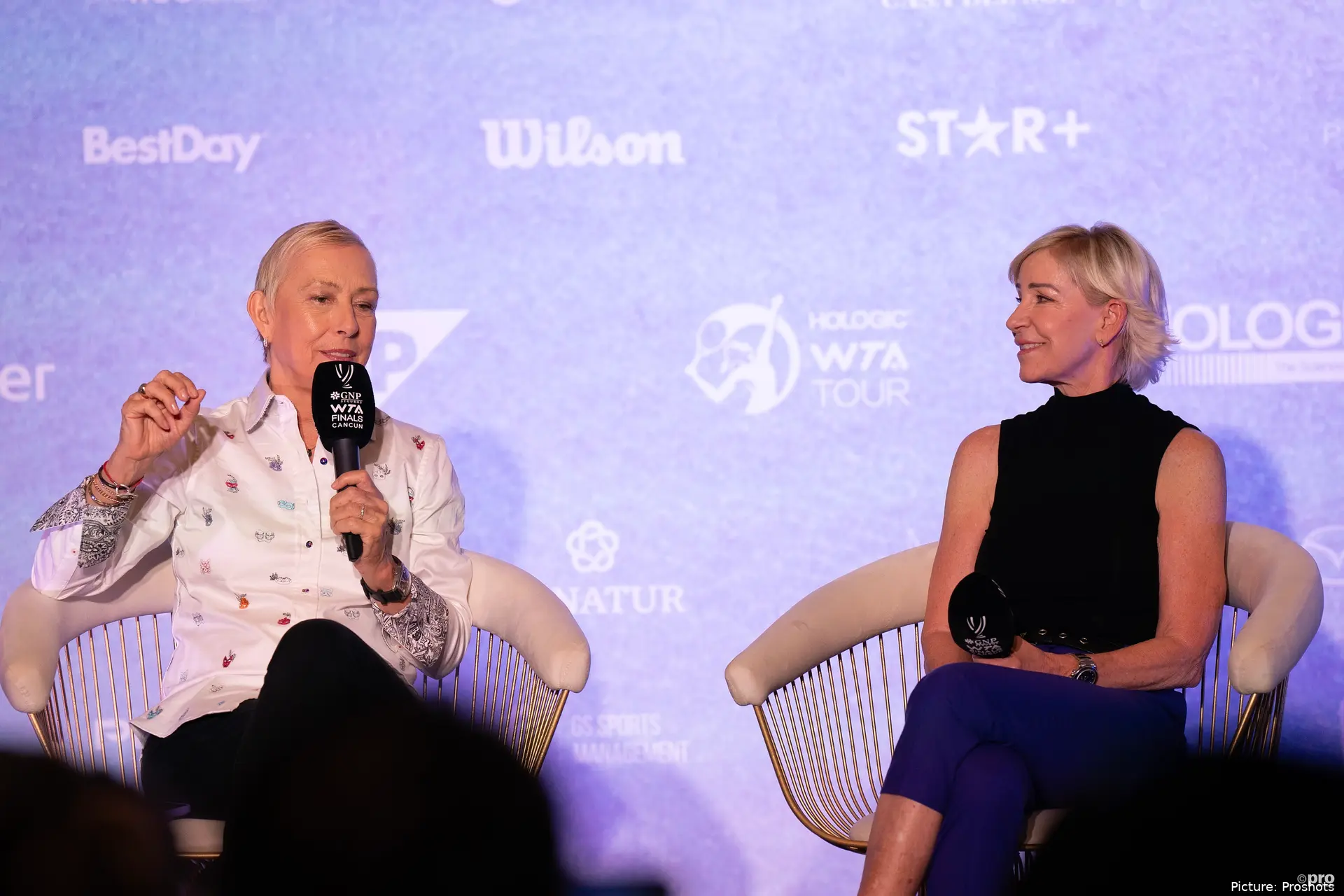
Chris Evert and Martina Navratilova are set to headline a new Netflix documentary that revisits one of the defining rivalries in tennis history, while also examining how their relationship evolved far beyond the court. The film, titled Chris & Martina: The Final Set, focuses on both their sporting battles and their later personal bond.
The documentary, directed by Emmy Award winner Rebecca Gitlitz, traces their contrasting paths through the 1970s and 1980s, when they met 80 times in singles competition and repeatedly reshaped the top of women’s tennis. It also brings their shared off-court experiences into focus, including both players’ battles with cancer in later life.
Evert and Navratilova, who each won 18 Grand Slam singles titles, moved from fierce competitors to close friends over time. Their rivalry, once defined by repeated clashes in major finals, is now framed in the documentary through reflection, shared memories, and conversations about how both careers and lives changed over the decades.
The film premieres on Netflix on June 26, following a world premiere screening at the Tribeca Film Festival in New York, where both former world No. 1s appeared alongside director Gitlitz and other figures from the sport.
“Chris was the enemy” — rivalry at the core of the story
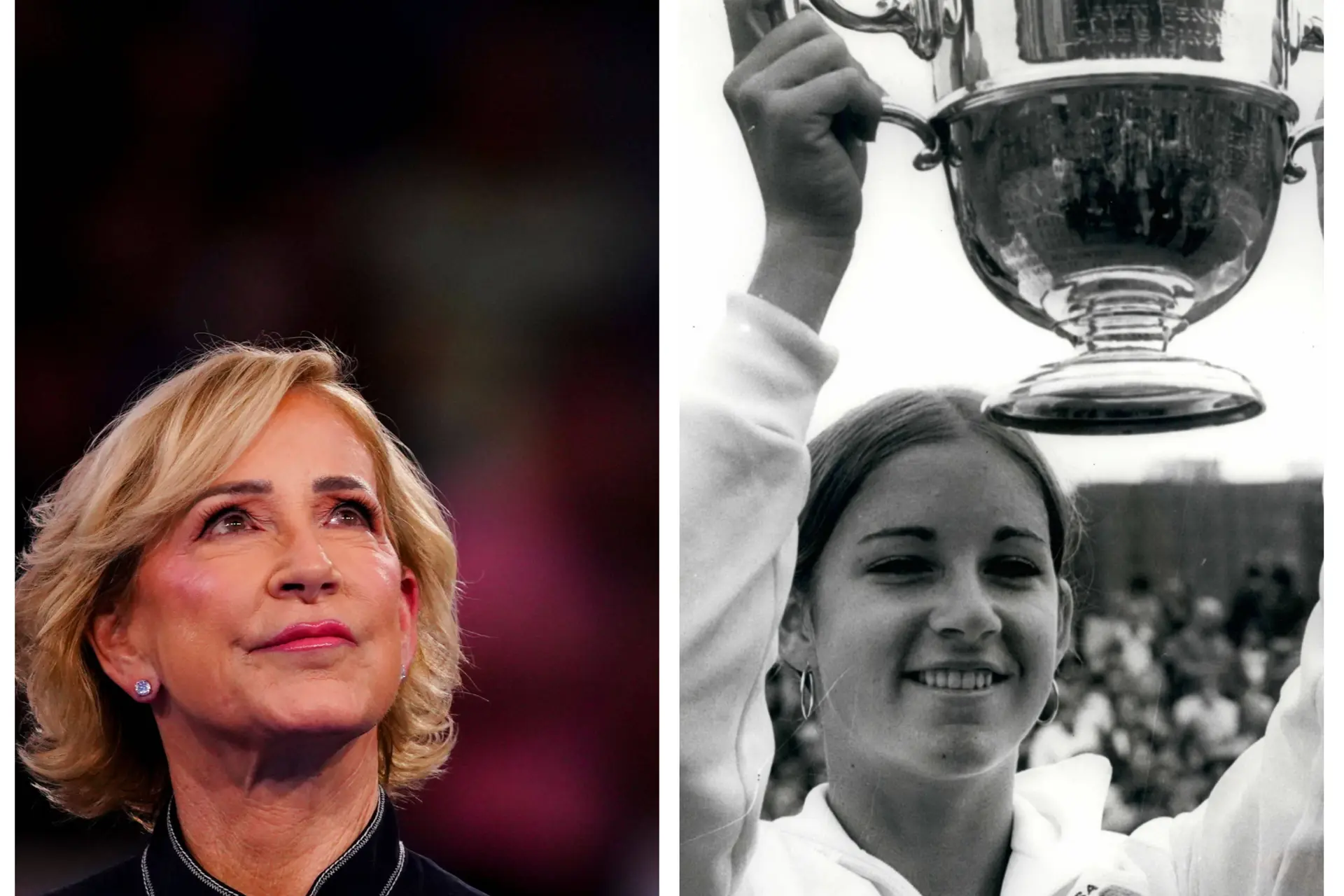
The documentary places significant weight on the competitive foundation of the Evert–Navratilova rivalry, which initially tilted heavily in favour of Evert before Navratilova’s physical transformation reshaped the dynamic. Their head-to-head eventually became one of the most balanced and high-stakes matchups in tennis history.
“I was better than her,” Evert says in the film, reflecting on the early phase of the rivalry, when she dominated their meetings and controlled the narrative around women’s tennis.
The shift came as Navratilova intensified her training and physical preparation, eventually matching and surpassing her long-time rival in several key periods. “Chris was the enemy, and she’s the one I had to beat to get to No. 1,” Navratilova says.
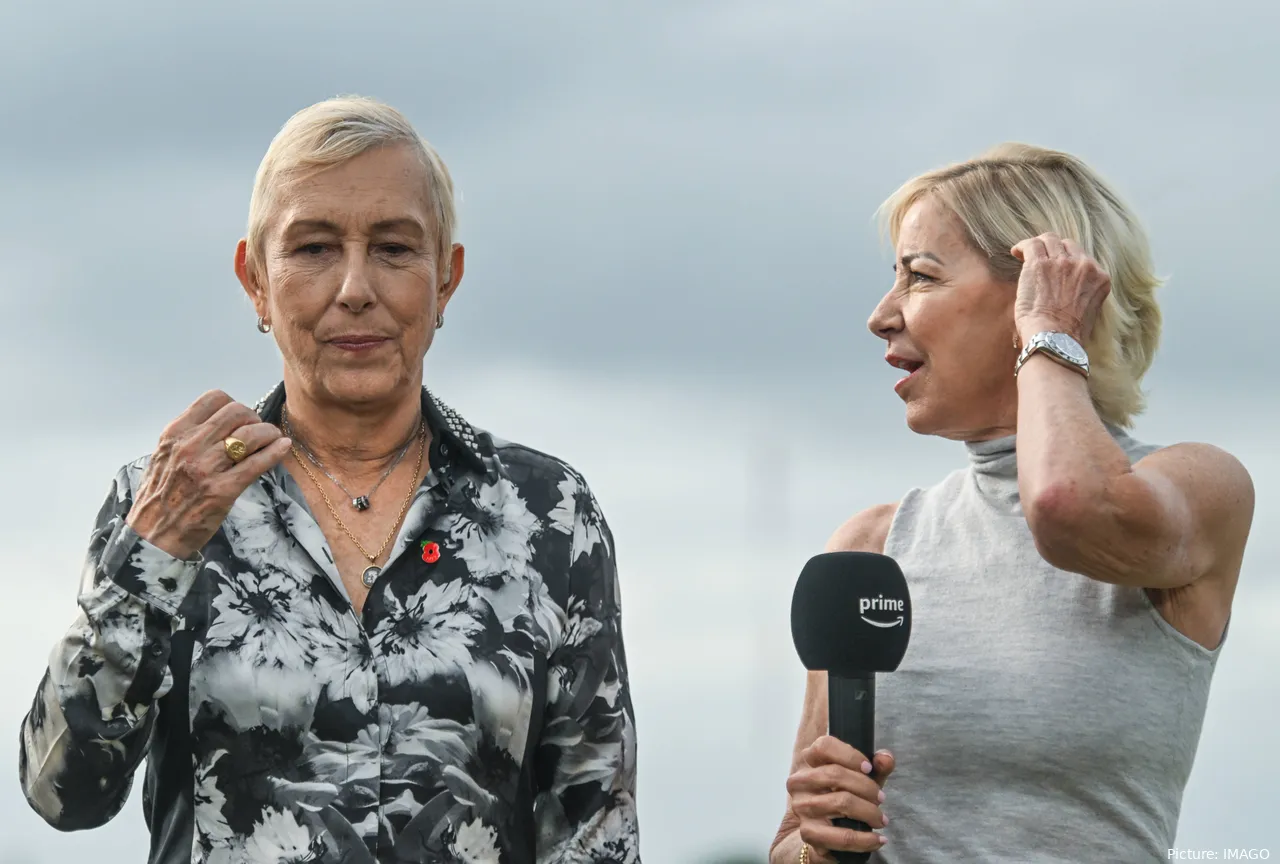
The rivalry between Navratilova and Evert featured a total of 80 matches between 1973 and 1988, with 60 of those coming in finals and 14 in Grand Slam finals. After Evert’s early dominance, Navratilova eventually evened the rivalry and finished ahead in the head-to-head record.
Together, they defined an era in women’s tennis, occupying the world No. 1 ranking for 592 of the first 615 weeks after the introduction of the WTA rankings. Navratilova held the top spot for 332 weeks, while Evert spent 260 weeks at No. 1. Between 1981 and 1985, they shared dominance across 15 consecutive major singles titles.
From rivalry to shared experience off court
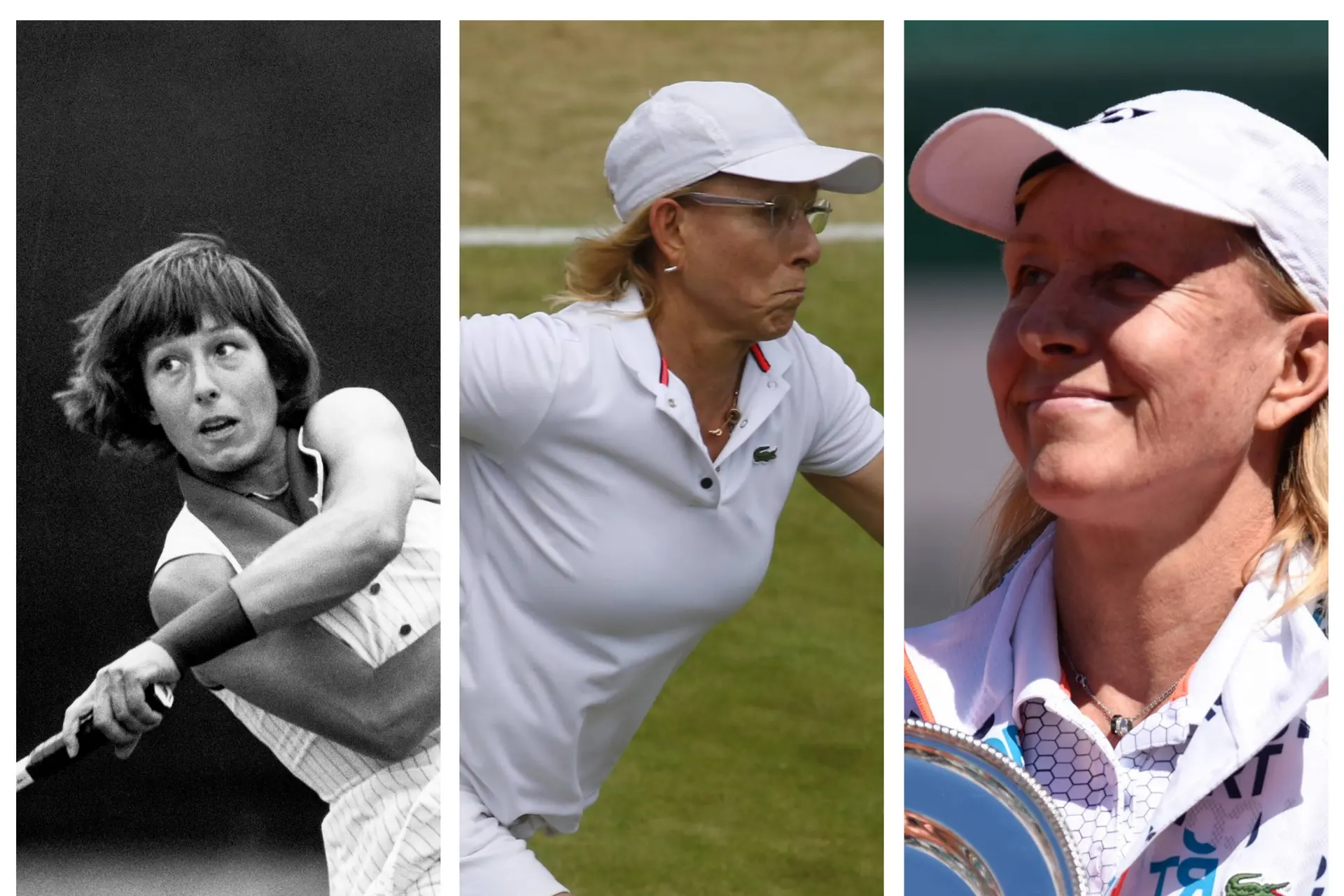
While the sporting rivalry is central, the documentary also focuses on how their relationship evolved after retirement, particularly after both were diagnosed with cancer. What was once a purely competitive dynamic gradually shifted into personal support during treatment and recovery.
Evert reflects on that transition and the broader emotional impact of illness, describing how perspective changed over time as life moved beyond tennis. “Sometimes it takes terrible things to happen for you to realize how you really feel about things,” Evert says.
Navratilova, meanwhile, highlights the absence of competition in their shared health struggles, underlining how their relationship had moved beyond sport entirely. “There’s no competition of whose cancer was worse. We’re in the same boat,” Navratilova says.
Promoting the documentary and reflecting on early rivalry
Both legends have been promoting the documentary in recent days, just weeks ahead of its release. They recently appeared together in New York, where they discussed their rivalry, early teenage encounters, and the evolution of their relationship over more than 50 years.
“It’s mind-blowing actually, when you think about the first time we met each other,” Navratilova said, according to The Herald. “I remember it better than Chris, because Chris was famous already and I was a nobody.”
“If you had told us what would happen, it would have been, ‘You’re crazy.’ And if you’d told us what careers we were going to have, it would have been, ‘No way. There’s no way this is happening.’”
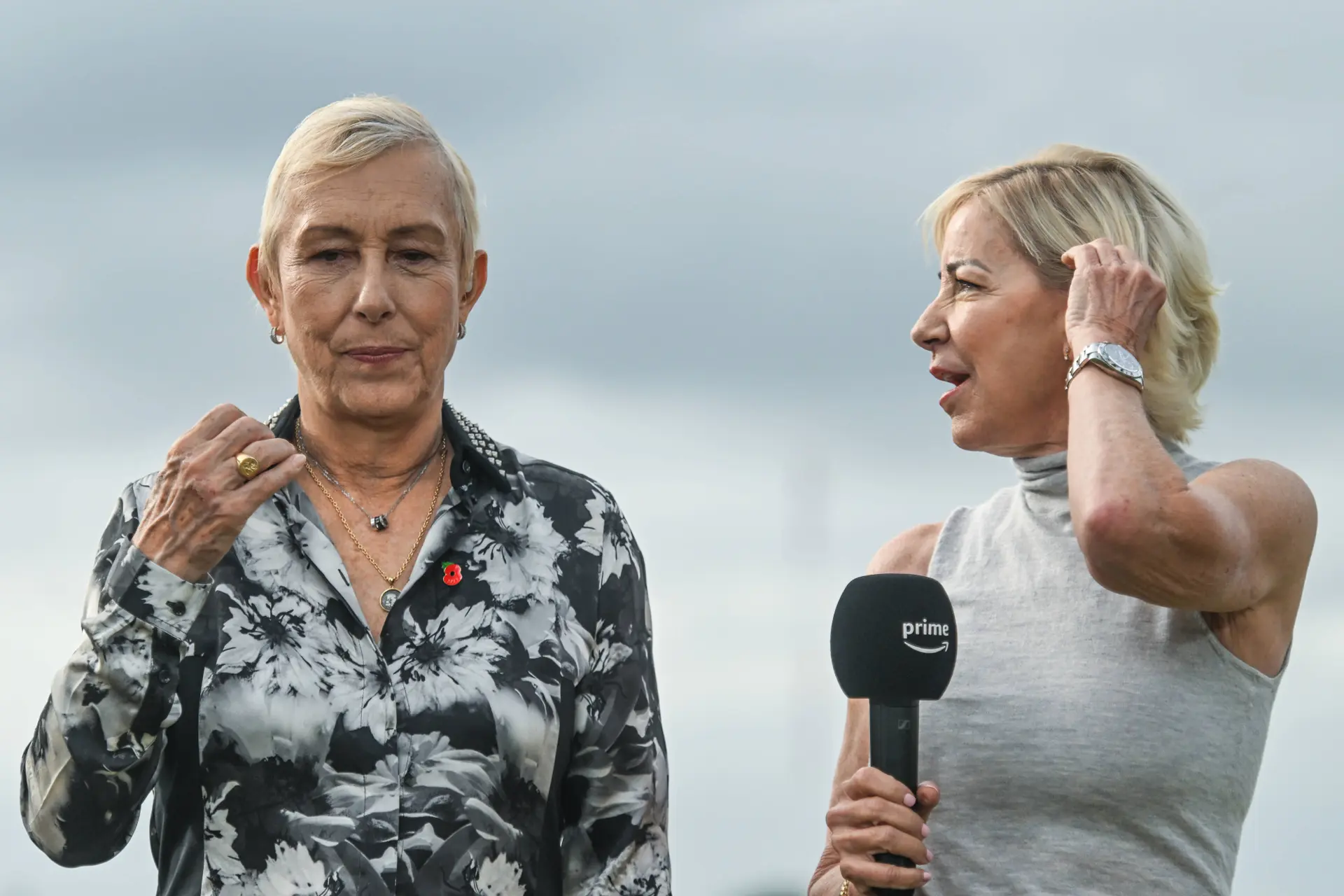
“We were so different in our younger years,” Evert added. “I was this good Catholic girl, prim and proper… I had my nail polish and my little earrings, and you know… trying to be feminine at the same time, and Martina was the jock, she was the athlete. We were so different in every way, shape or form.”
Their rivalry concluded with Navratilova leading the head-to-head 43–37, with their final meeting coming in the Virginia Slims of Chicago final. Navratilova finished her career with 332 weeks as world No. 1 (second in history), while Evert accumulated 260 weeks (fourth in history).

Cristhián AvilaTennis Journalist
Cristhián Ávila is a tennis journalist based in Santiago, Chile, and has been part of the TennisUpToDate team since early 2023. He covers the ATP and WTA Tours as well as all four Grand Slams, producing breaking news, match reports, analysis, and regular liveblogs from major tournaments.
His reporting combines statistical analysis with clear explanation, helping readers understand tactical developments, player form, and broader storylines across the tour. Working fluently in both Spanish and English, Cristhián collaborates with an international editorial team and contributes to comprehensive global coverage. As part of his work, he has conducted interviews and media interactions with leading figures in the sport, including Caroline Wozniacki and John McEnroe.
In his journalism, Cristhián places strong emphasis on careful sourcing, editorial accuracy, and updating articles promptly when new, verified information becomes available. His coverage is grounded in research, context, and direct engagement with professional tennis.
claps 0visitors 0
Just In

Popular News
Latest Comments
- A healthy Qinwen may be hard to stop next season. She was already scaring her opponents before her medical leave(s). Unfortunately, Zheng insisted on singing again. On the positive side -- Mirra did not sing!! ;~}
 mandoist11-10-2026
 - Where is it written that athletes, entertainers... People in general... are mandated to keep looking at -- or even using [anti]Social Media? Public & private figures consistently complain and reveal their concerns about negativity and violence thrown at them -- yet they insist on participating. Avoid it, don't use it, don't read it. It's okay to occasionally look up at the World instead beating your eyes & thumbs to death on The Inventions out there.mandoist11-10-2026
- great articlestennisseserver07-10-2026
- Medvedev was leading Djokovic 7-5, 3-5 when an attempted return..' NO you ignorants, Djokovic was leading .weiss05-10-2026
- No more bullshit "Wildcards" to these two. Qualify like everyone else -- there will be cameras there, too. Time to scream... WTF ????!!!!mandoist29-09-2026
- Let's not BS the general public -- Sabalenka started showing cracks in her game last season. Her losses and near-losses started at about the same time she began being distracted by Fame (constant Selfies, making TV commercials, magazine shoots, endless Social Media nonsense, etc., etc.) One would think even Saba could recognize the parallels with others who failed before her -- Raducanu, Giorgi, Bouchard to name a few.mandoist25-09-2026
- Gross!! Hey Raducanu, Giorgi, and Bouchard -- reserve a seat at your Social Media Selfie table for Saba + Naomi. They're heading in your direction soon enough.mandoist24-09-2026
- And then these same players will complain about how lengthy their season’s were and need more time-off. I’m all for more tennis but the amount of tennis we get now is actually kind of crazy! We all need a break, especially the players.DaveyWavey23-09-2026
- You should do a comparison article for "different kinds of justice" the courts decide for tennis players. I can think of at least three players who received very small bans of a few months, however Tara Moore has been fighting for her literal survival the past few years. It seems odd considering she is not a "name" player, unlike the other cases.DaveyWavey22-09-2026
- PRIZE MONEY & POINTS Winner - $185,500 Finalist - $114,500 Semi-Finalist - $66,003 Quarter-Finalist - $35,000 Round of 16 - $18,045 Round of 32 - $13,005 Winner - 500 Finalist - 325 Semi-Finalist - 195 Quarter-Finalist - 108 Round of 16 - 60 Round of 32 - 1DaveyWavey20-09-2026

Loading