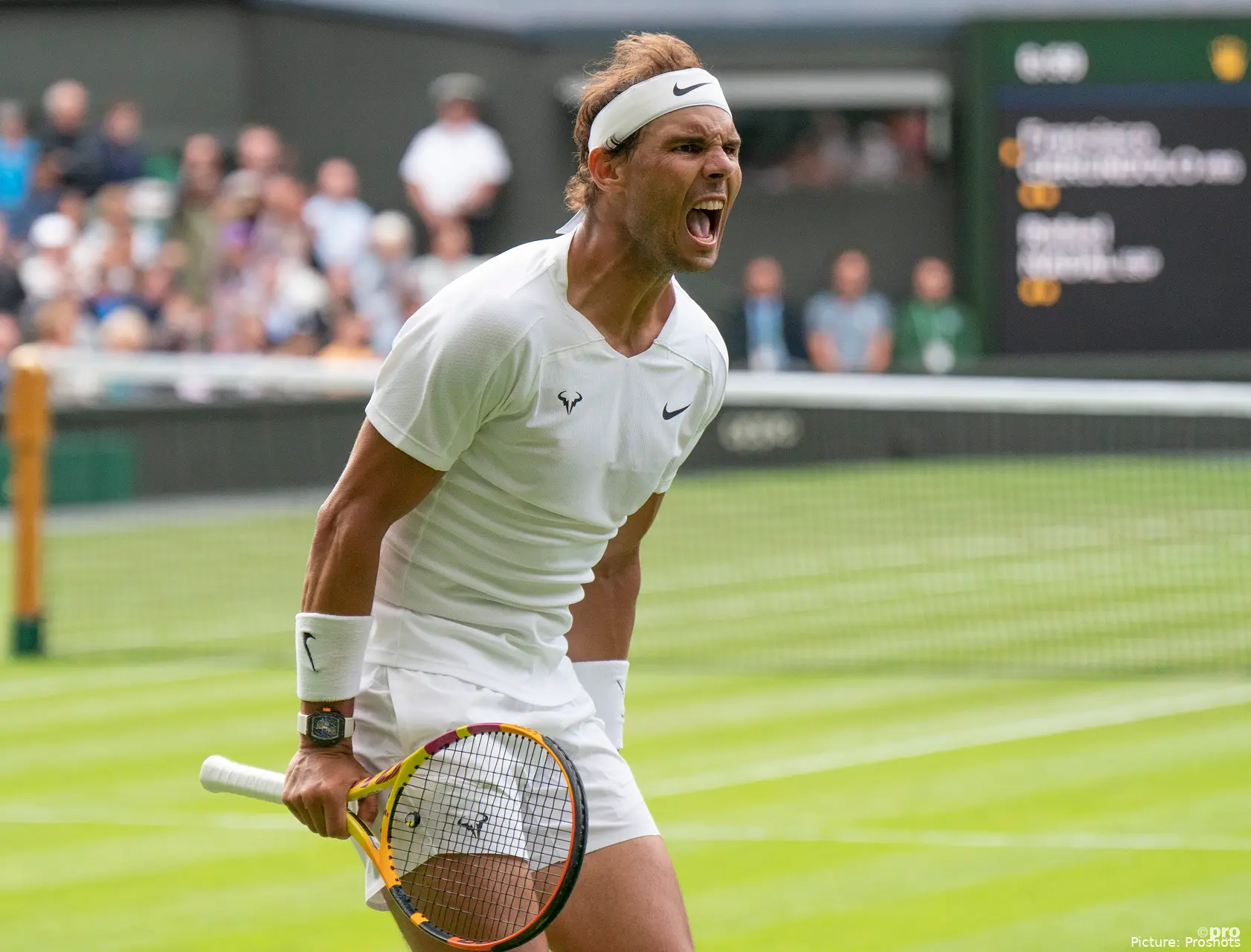
Rafael Nadal discussed the release of his Netflix documentary with Andy Roddick during a post-screening Q&A in the United States, reflecting on the personal and professional challenges that came with allowing cameras into one of the most sensitive periods of his career.
The conversation featured Nadal alongside director Zach Heinzerling, whose team followed the Spaniard throughout the 2024 season as he attempted to return from a hip injury that ultimately shaped the final chapter of his playing career. The project documents both his comeback effort and the uncertainty surrounding his retirement decision.
For Nadal, the series marked a clear departure from the privacy that defined much of his time on tour. Known for carefully controlling his environment and limiting access beyond official media duties, he opened up his family life, coaching team and inner circle to an extent rarely seen during his career at the top of the sport.
Andy Roddick highlighted how that contrast between Nadal’s public image and private reality had long been a feature of his career, noting that most fans only ever saw the competitive version of the Spaniard on court.
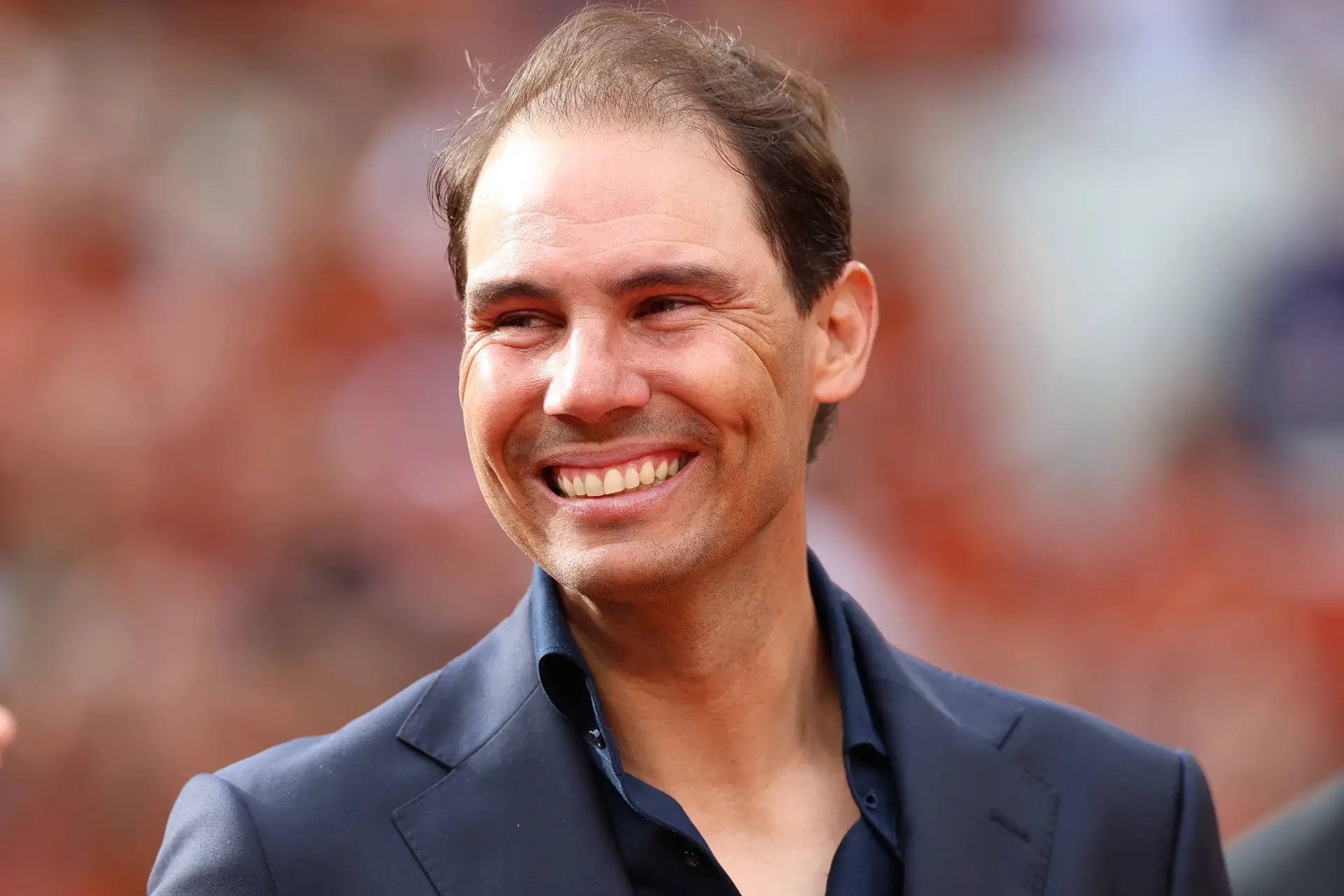
Family and team concerns drove Nadal's hesitation
A year earlier, Netflix announced the launch of a documentary project covering the career of the 22-time Grand Slam champion, as well as the major off-court challenges he faced: family moments, internal team dynamics, injury setbacks, and periods of doubt that shaped one of the greatest careers in tennis history.
"For me it was a big decision. I'm more used to being in front of the cameras, but my concern was about my family, about my team,” he said in a conversation with former world No. 1 Andy Roddick. “When we are working, when we are having these conversations, we are just by ourselves. Having a camera there, listening, watching everything that is happening in every single moment is not an easy decision.”
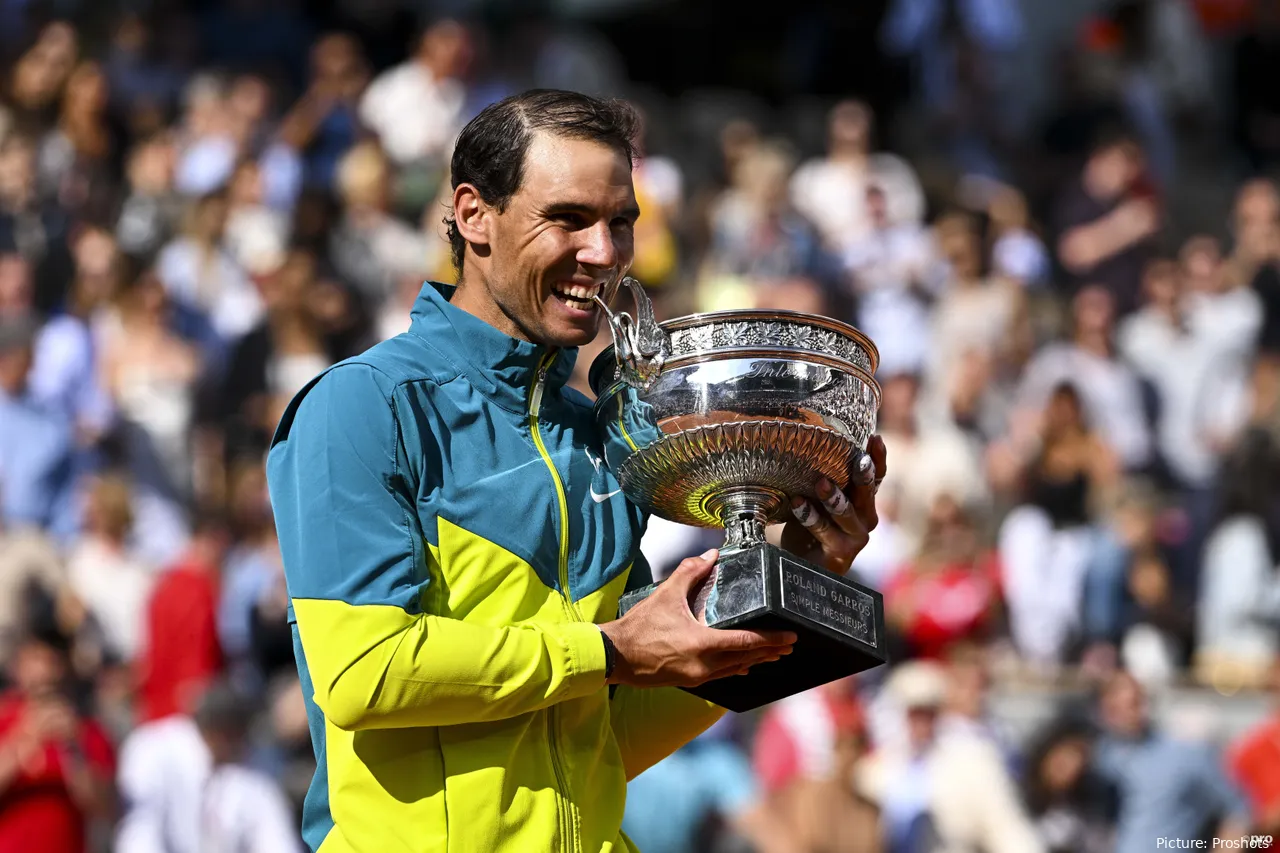
“For me, the toughest part was not bothering the other people in their private moments. To be honest, we had a great team next to us. Zac and the rest of the team made things very easy for all of us.”
The former world No. 1 also revealed that many members of his team initially struggled with the presence of cameras. While some were accustomed to media attention after decades on tour, others, including medical staff and support personnel, were not.
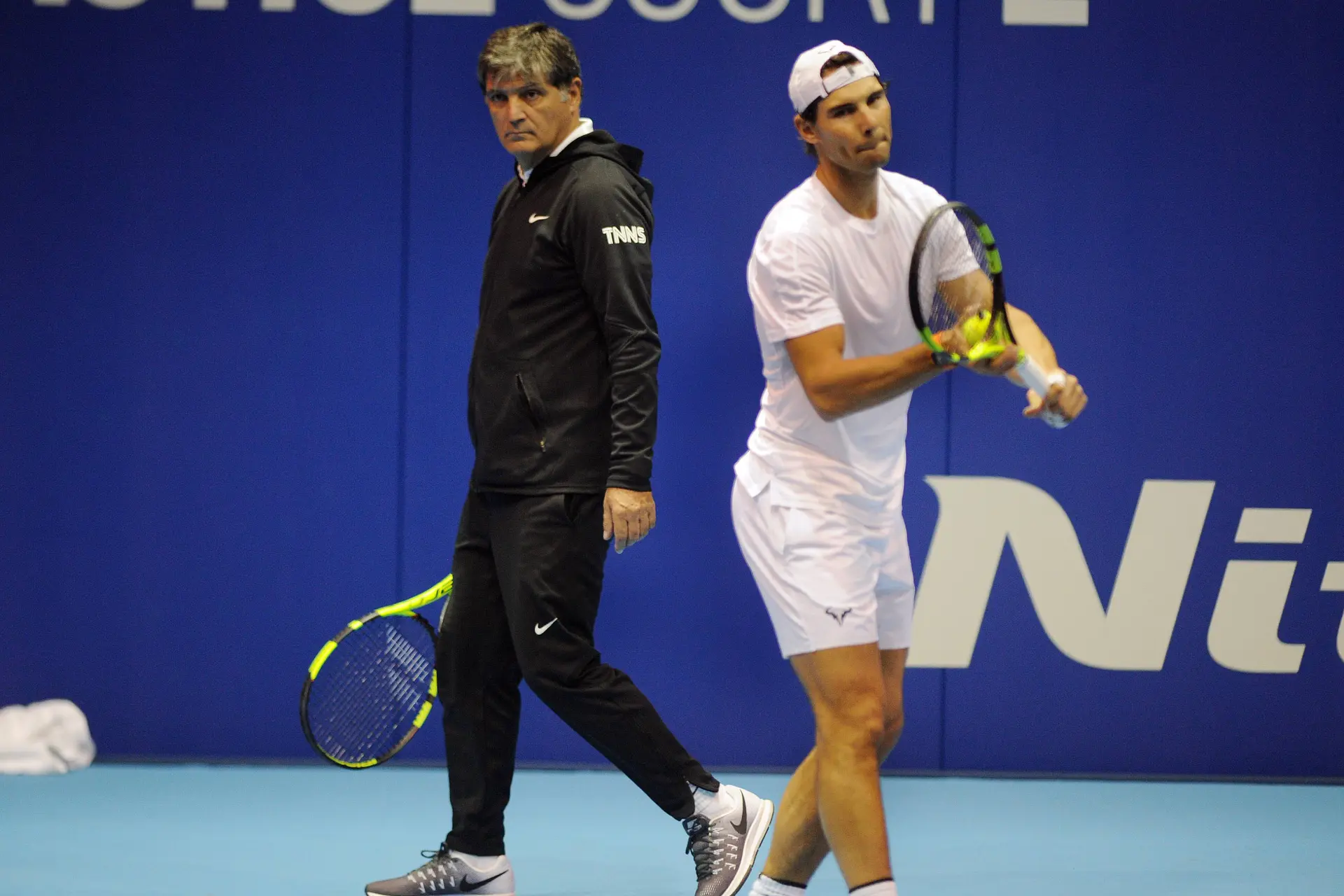
That challenge extended beyond his team and into family life. Nadal said one positive aspect of the documentary is that his children will eventually be able to understand a part of his career that he rarely discusses himself.
"That will be a cool thing for them to have in the future,” he said. “I think it will be great because I'm not talking at all about myself. They can see it, but I am not the kind of guy that talks about what I did or what I don't. I just try to educate in the way that I think is better.”
“You film the real things”
One of the defining moments of the documentary came early in production when Nadal suffered another setback related to the hip injury that had already sidelined him for much of 2023.
When Roddick directly asked whether he enjoyed having the film crew around, Nadal's response was immediate: "100% no, to be honest." The remark drew laughter from the audience, but it underscored the reality of documenting a season filled with physical and emotional uncertainty.
"For me, the biggest challenge was the decision. I know myself, and when you decide to do something, either you do it properly or you don’t do it,” the 14-time Roland Garros champion said. “When I finally decided to move on and said, okay, let's do it, then I do it with all the consequences.
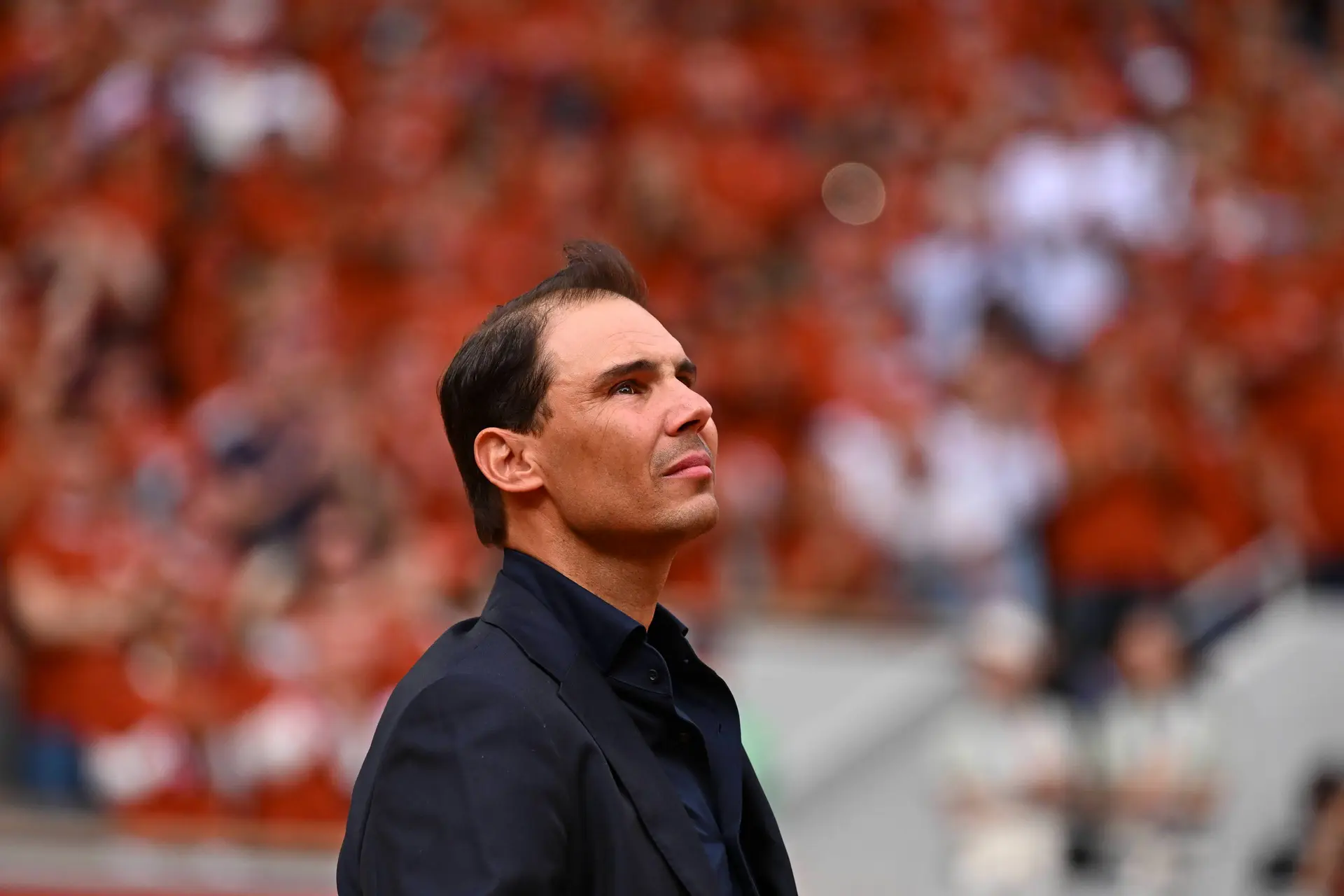
Sometimes you know that there are things you want to be filmed that you don't want to, but that's what's happening. When you are filming a documentary, you cannot film only the beautiful moments. You film the real things."
Heinzerling later revealed that Nadal largely trusted the creative process once filming was complete. According to the director, the 22-time major champion offered very few notes and left the overall editorial direction in the hands of the production team, despite being the central figure of the series.
Nadal’s view from retirement
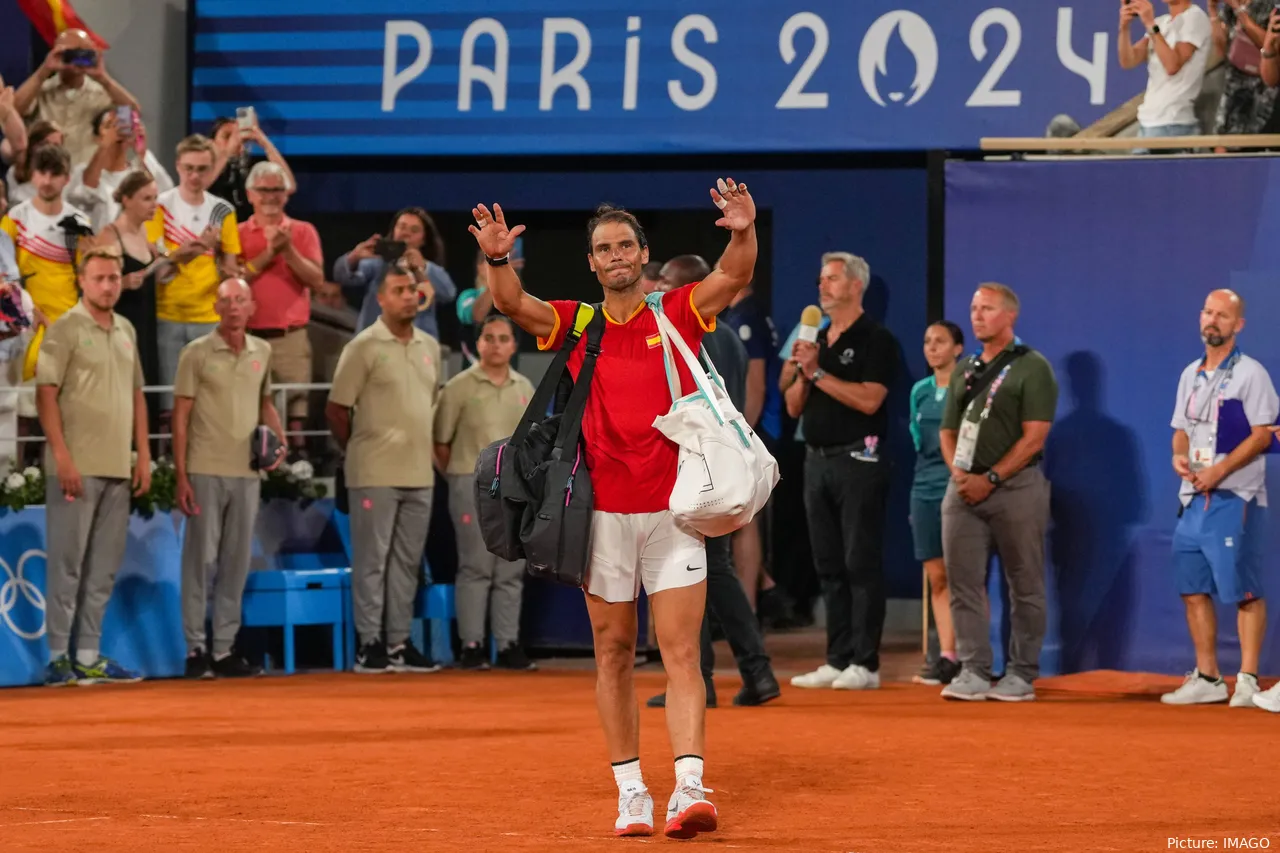
Now two years removed from retirement, Nadal described a significantly different relationship with tennis. While he still follows major tournaments and marquee matches, he acknowledged that he no longer watches the sport on a weekly basis.
The Spaniard explained that much of his focus has shifted toward the Rafa Nadal Academy, which is currently undergoing expansion. "I don't follow tennis every week. I follow tennis tournaments that I like, matches that I am interested in.”
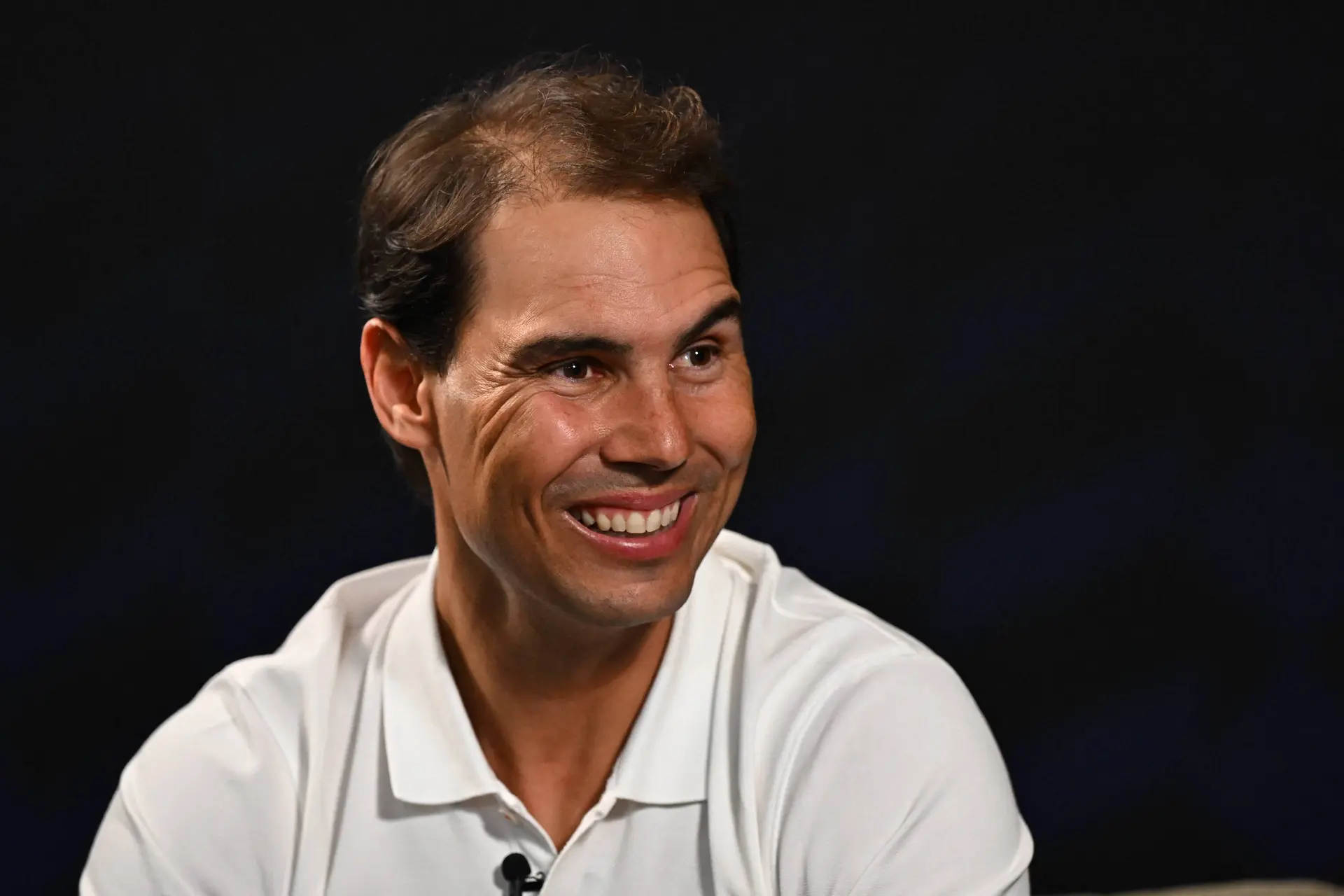
“For example, this week I watched probably more minutes of tennis than in the last six months,” he said during Roland Garros week. “But with zero hard feelings. I am not watching every week because I am not that much interested every week.”
“I am working every day at the academy. So I follow tennis in a different perspective. I am with kids, understanding what they need, trying to see the academy in a bigger picture because we are in the process of expansion."
Cristhián AvilaTennis Journalist
Cristhián Ávila is a tennis journalist based in Santiago, Chile, and has been part of the TennisUpToDate team since early 2023. He covers the ATP and WTA Tours as well as all four Grand Slams, producing breaking news, match reports, analysis, and regular liveblogs from major tournaments.
His reporting combines statistical analysis with clear explanation, helping readers understand tactical developments, player form, and broader storylines across the tour. Working fluently in both Spanish and English, Cristhián collaborates with an international editorial team and contributes to comprehensive global coverage. As part of his work, he has conducted interviews and media interactions with leading figures in the sport, including Caroline Wozniacki and John McEnroe.
In his journalism, Cristhián places strong emphasis on careful sourcing, editorial accuracy, and updating articles promptly when new, verified information becomes available. His coverage is grounded in research, context, and direct engagement with professional tennis.
claps 0visitors 0
Just In

Popular News
Latest Comments
- A healthy Qinwen may be hard to stop next season. She was already scaring her opponents before her medical leave(s). Unfortunately, Zheng insisted on singing again. On the positive side -- Mirra did not sing!! ;~}
 mandoist11-10-2026
 - Where is it written that athletes, entertainers... People in general... are mandated to keep looking at -- or even using [anti]Social Media? Public & private figures consistently complain and reveal their concerns about negativity and violence thrown at them -- yet they insist on participating. Avoid it, don't use it, don't read it. It's okay to occasionally look up at the World instead beating your eyes & thumbs to death on The Inventions out there.mandoist11-10-2026
- great articlestennisseserver07-10-2026
- Medvedev was leading Djokovic 7-5, 3-5 when an attempted return..' NO you ignorants, Djokovic was leading .weiss05-10-2026
- No more bullshit "Wildcards" to these two. Qualify like everyone else -- there will be cameras there, too. Time to scream... WTF ????!!!!mandoist29-09-2026
- Let's not BS the general public -- Sabalenka started showing cracks in her game last season. Her losses and near-losses started at about the same time she began being distracted by Fame (constant Selfies, making TV commercials, magazine shoots, endless Social Media nonsense, etc., etc.) One would think even Saba could recognize the parallels with others who failed before her -- Raducanu, Giorgi, Bouchard to name a few.mandoist25-09-2026
- Gross!! Hey Raducanu, Giorgi, and Bouchard -- reserve a seat at your Social Media Selfie table for Saba + Naomi. They're heading in your direction soon enough.mandoist24-09-2026
- And then these same players will complain about how lengthy their season’s were and need more time-off. I’m all for more tennis but the amount of tennis we get now is actually kind of crazy! We all need a break, especially the players.DaveyWavey23-09-2026
- You should do a comparison article for "different kinds of justice" the courts decide for tennis players. I can think of at least three players who received very small bans of a few months, however Tara Moore has been fighting for her literal survival the past few years. It seems odd considering she is not a "name" player, unlike the other cases.DaveyWavey22-09-2026
- PRIZE MONEY & POINTS Winner - $185,500 Finalist - $114,500 Semi-Finalist - $66,003 Quarter-Finalist - $35,000 Round of 16 - $18,045 Round of 32 - $13,005 Winner - 500 Finalist - 325 Semi-Finalist - 195 Quarter-Finalist - 108 Round of 16 - 60 Round of 32 - 1DaveyWavey20-09-2026

Loading