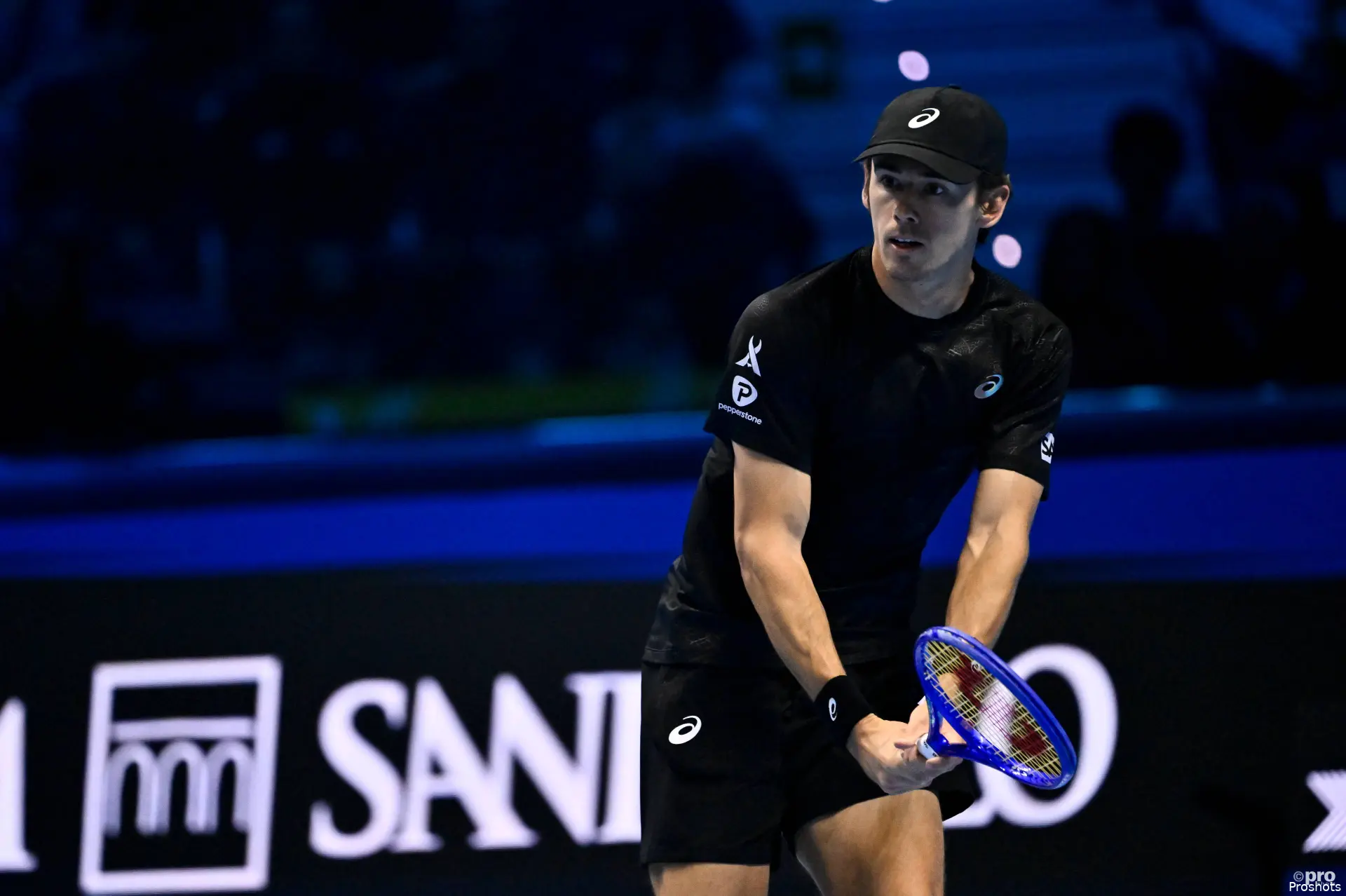
As the 2026 season approaches, Alex de Minaur is positioning himself not just as a consistent Top 10 contender, but as a legitimate threat for major titles. The Australian, coming off a season where he solidified his standing among the elite, is looking to convert deep runs into silverware. With the Australian Open on the horizon, the pressure of home expectation is mounting, but the 26-year-old insists his mindset has evolved to handle the scrutiny.
A key component of this evolution is a newfound psychological resilience regarding defeat. De Minaur admits he hasn't always been the "best loser," often lingering on setbacks in a sport that demands rapid turnaround times. To combat the emotional toll of the tour, he has adopted a pragmatic approach to failure, focusing on the sheer volume of opportunities rather than isolated losses.
“I've never been the best loser," he said during an interview with Esquire. "But I've learnt that you play a million matches in your career. Every week, there's a new chance, a new opportunity, so it's all about having the memory of a goldfish.”
Despite his established reputation as one of the tour's hardest workers, De Minaur acknowledges a gap between his team's confidence in him and his own self-perception. Bridging this divide is his primary objective for the upcoming campaign. He aims to cultivate a specific "swagger" on court, moving away from the underdog narrative that has defined much of his career. The goal is to step onto the court against giants like Alcaraz or Sinner with an unwavering internal conviction. “I've got to get to the stage where I believe in myself as much as my team does... Yep, it's having that belief, that swagger about you.”
The immediate focus is Melbourne Park, where the "Demon" will carry the hopes of a nation desperate for a homegrown men's champion. The historical burden is significant; the last local champion was Mark Edmondson in 1976. Since then, a succession of Australians have fallen at the final hurdle: John Marks (1978, defeated by Guillermo Vilas), Kim Warwick (1980, lost to Brian Teacher), Pat Cash (1987 and 1988, falling to Stefan Edberg and Mats Wilander respectively), and Lleyton Hewitt (2005, defeated by Marat Safin).
Read also
The search for margins and motivation
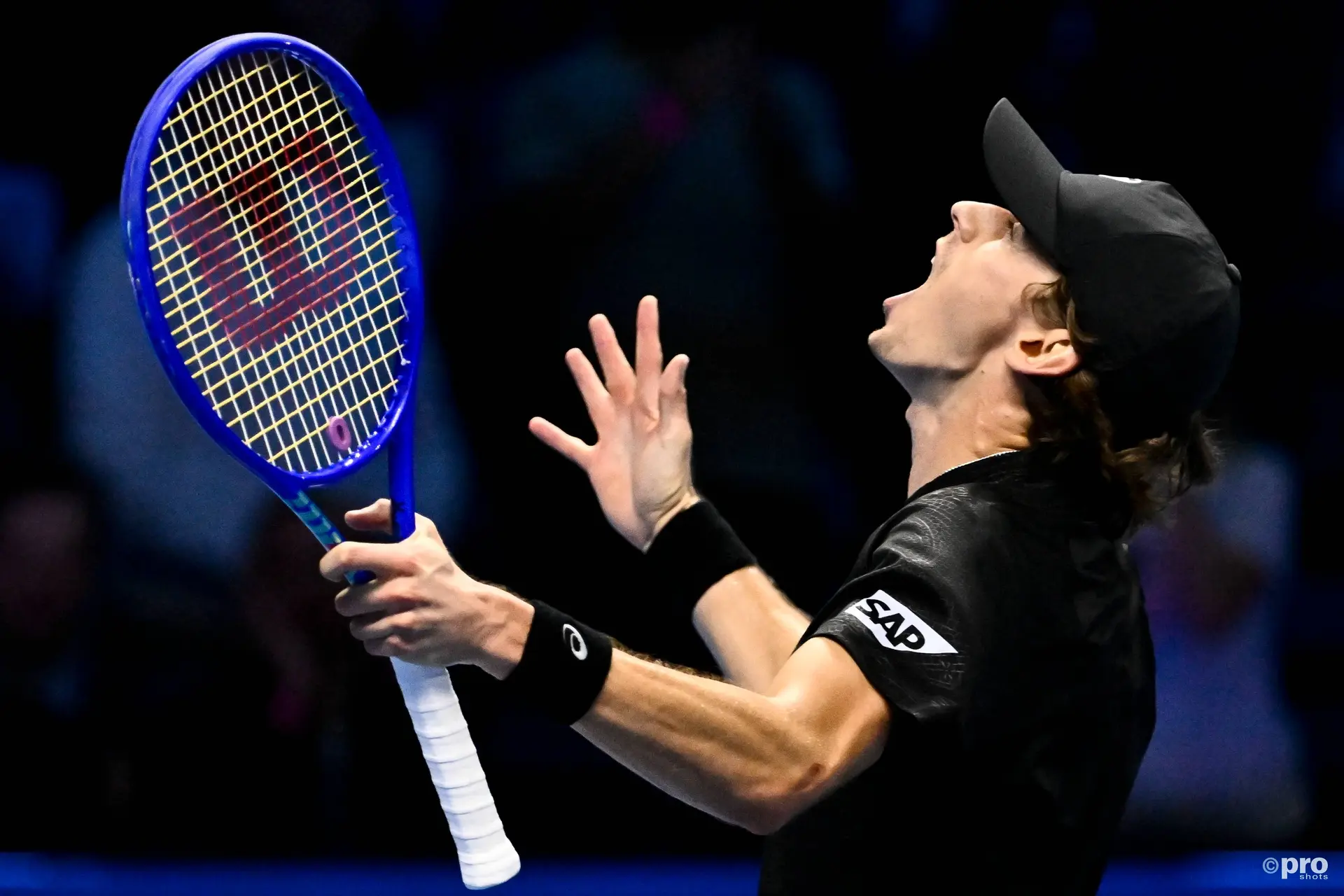
At the pinnacle of the ATP Tour, the difference between a quarter-final exit and a trophy often comes down to minute details. De Minaur, who relies on speed and tactical discipline rather than raw power, focuses on extracting every ounce of advantage from his preparation. He recognizes that as a player climbs the rankings, the window for error shrinks dramatically against top-tier opposition, making the pursuit of these advantages relentless and exhausting.
“You're looking for the tiniest of edges against your opponents. So, ultimately, as you get to the highest level, the margins are smaller and smaller... but it's even harder than you can ever imagine.”
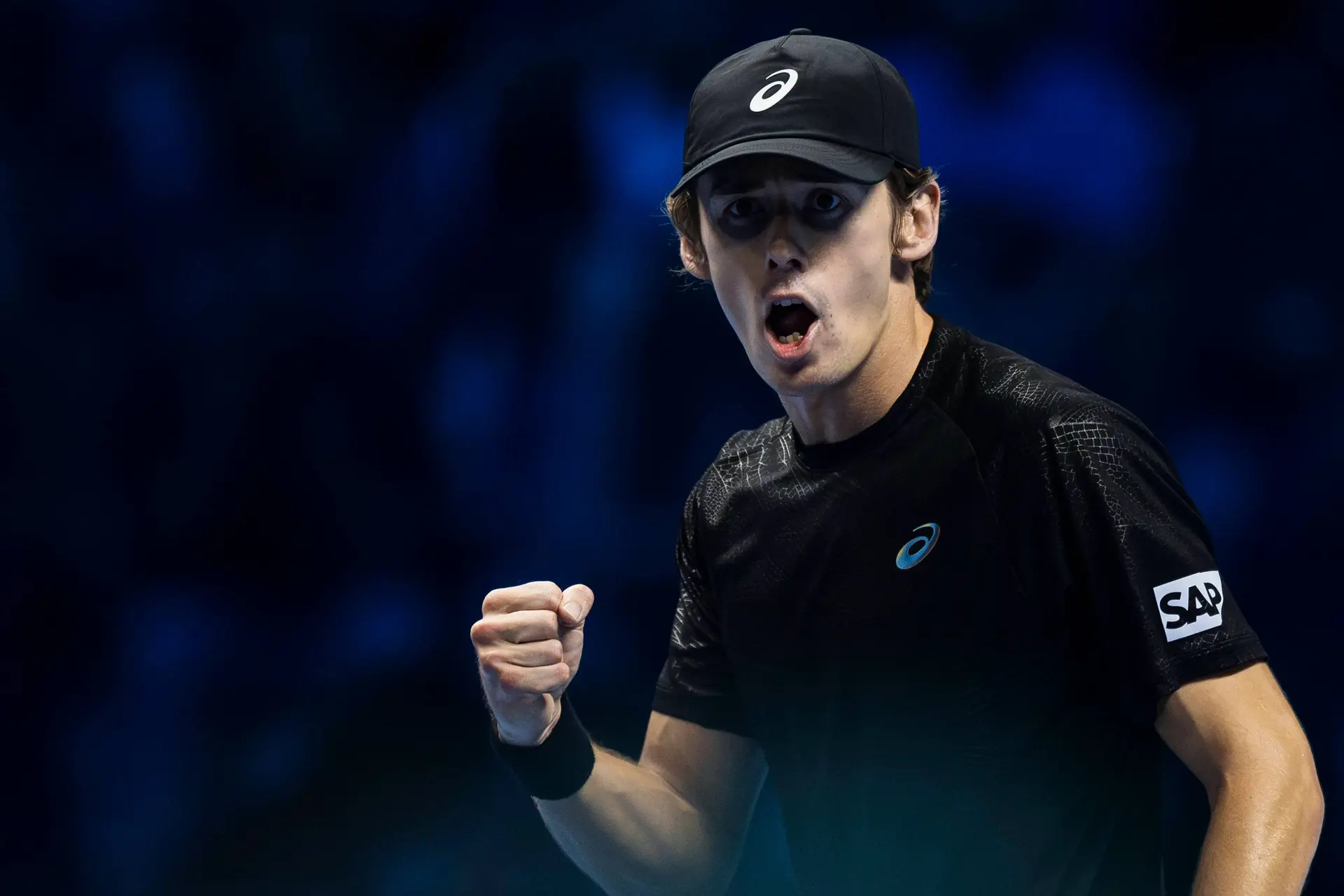
Critics have occasionally questioned whether his counter-punching style has a ceiling, but De Minaur uses this skepticism as distinct motivation. For him, the equation remains simple and rooted in a tireless work ethic. He remains committed to "proving more people wrong" as he targets a breakthrough at the major level, accepting that while hard work doesn't guarantee results, it is the only variable he can control to tilt the odds in his favor.
“The mindset I have is, improvement is sure as hell not going to happen without hard work. Yes, you can put in all the hard work, and the results don't come. But there's a lot more chance of those results coming if you're putting in the hard work than if you're not.”
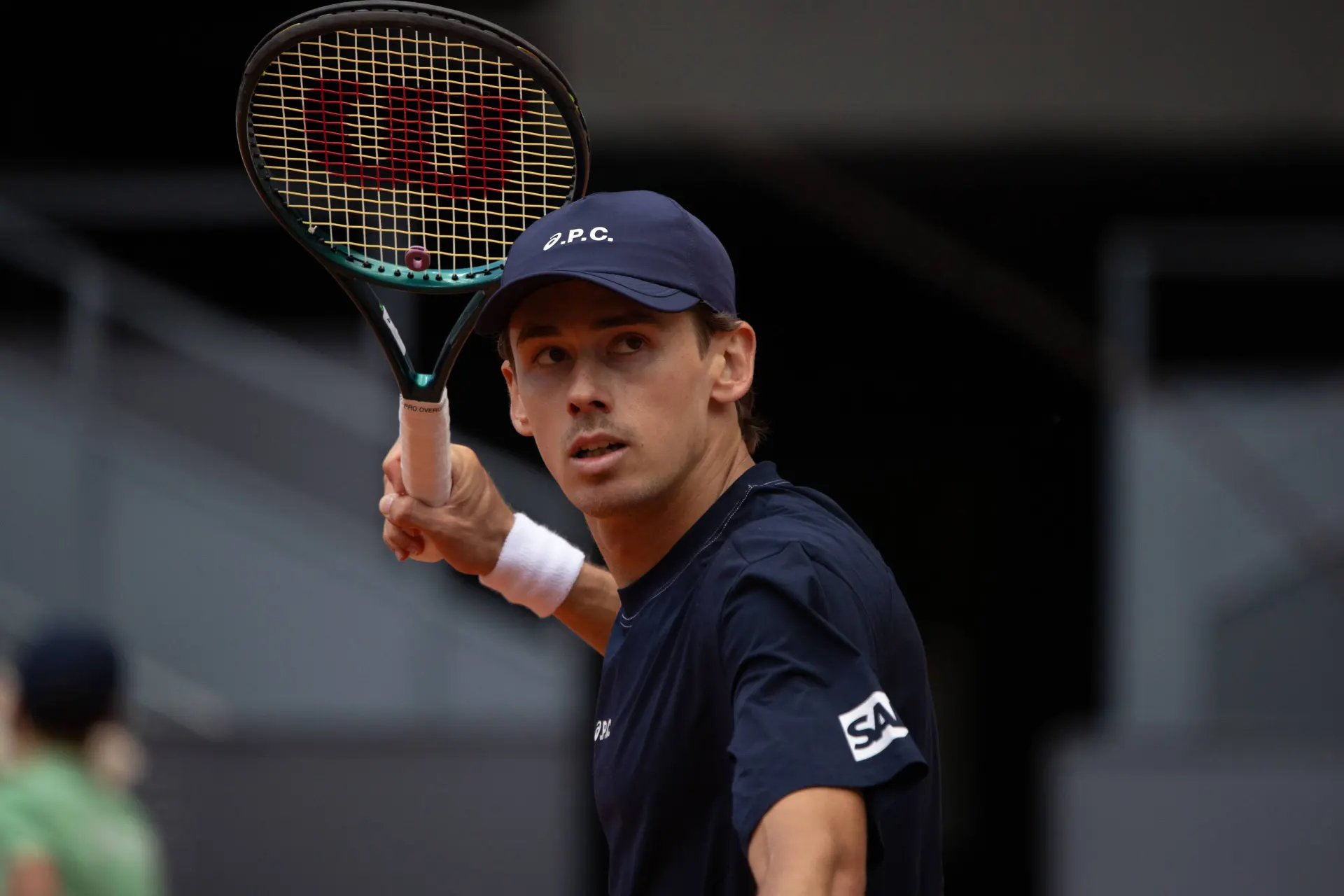
Looking beyond the mechanics of his game, De Minaur's ambitions for the new season are clear: he wants to shatter his previous limitations. Having firmly established himself in the Top 10, the next step involves challenging for Grand Slam titles. He admits to a deep hunger for success, stating that he wants to "break new barriers" and that his desire to win "really badly" drives his daily regimen. He is increasingly aware of his potential to disrupt the established order.
“Sometimes I'm too hard on myself. I don't give myself enough credit. It's just realising that I am good enough. I'm capable of doing some pretty special things in this sport, and, ultimately, it's up to me to show up.”

Cristhián AvilaTennis Journalist
Cristhián Ávila is a tennis journalist based in Santiago, Chile, and has been part of the TennisUpToDate team since early 2023. He covers the ATP and WTA Tours as well as all four Grand Slams, producing breaking news, match reports, analysis, and regular liveblogs from major tournaments.
His reporting combines statistical analysis with clear explanation, helping readers understand tactical developments, player form, and broader storylines across the tour. Working fluently in both Spanish and English, Cristhián collaborates with an international editorial team and contributes to comprehensive global coverage. As part of his work, he has conducted interviews and media interactions with leading figures in the sport, including Caroline Wozniacki and John McEnroe.
In his journalism, Cristhián places strong emphasis on careful sourcing, editorial accuracy, and updating articles promptly when new, verified information becomes available. His coverage is grounded in research, context, and direct engagement with professional tennis.
claps 0visitors 0
Just In

Popular News
Latest Comments
- A healthy Qinwen may be hard to stop next season. She was already scaring her opponents before her medical leave(s). Unfortunately, Zheng insisted on singing again. On the positive side -- Mirra did not sing!! ;~}
 mandoist11-10-2026
 - Where is it written that athletes, entertainers... People in general... are mandated to keep looking at -- or even using [anti]Social Media? Public & private figures consistently complain and reveal their concerns about negativity and violence thrown at them -- yet they insist on participating. Avoid it, don't use it, don't read it. It's okay to occasionally look up at the World instead beating your eyes & thumbs to death on The Inventions out there.mandoist11-10-2026
- great articlestennisseserver07-10-2026
- Medvedev was leading Djokovic 7-5, 3-5 when an attempted return..' NO you ignorants, Djokovic was leading .weiss05-10-2026
- No more bullshit "Wildcards" to these two. Qualify like everyone else -- there will be cameras there, too. Time to scream... WTF ????!!!!mandoist29-09-2026
- Let's not BS the general public -- Sabalenka started showing cracks in her game last season. Her losses and near-losses started at about the same time she began being distracted by Fame (constant Selfies, making TV commercials, magazine shoots, endless Social Media nonsense, etc., etc.) One would think even Saba could recognize the parallels with others who failed before her -- Raducanu, Giorgi, Bouchard to name a few.mandoist25-09-2026
- Gross!! Hey Raducanu, Giorgi, and Bouchard -- reserve a seat at your Social Media Selfie table for Saba + Naomi. They're heading in your direction soon enough.mandoist24-09-2026
- And then these same players will complain about how lengthy their season’s were and need more time-off. I’m all for more tennis but the amount of tennis we get now is actually kind of crazy! We all need a break, especially the players.DaveyWavey23-09-2026
- You should do a comparison article for "different kinds of justice" the courts decide for tennis players. I can think of at least three players who received very small bans of a few months, however Tara Moore has been fighting for her literal survival the past few years. It seems odd considering she is not a "name" player, unlike the other cases.DaveyWavey22-09-2026
- PRIZE MONEY & POINTS Winner - $185,500 Finalist - $114,500 Semi-Finalist - $66,003 Quarter-Finalist - $35,000 Round of 16 - $18,045 Round of 32 - $13,005 Winner - 500 Finalist - 325 Semi-Finalist - 195 Quarter-Finalist - 108 Round of 16 - 60 Round of 32 - 1DaveyWavey20-09-2026

Loading