"I hear from a lot of people, 'It finishes too late,' and then I say, 'OK, and your suggestion is...?'" - US Open late finishes not going anywhere despite criticism
ATP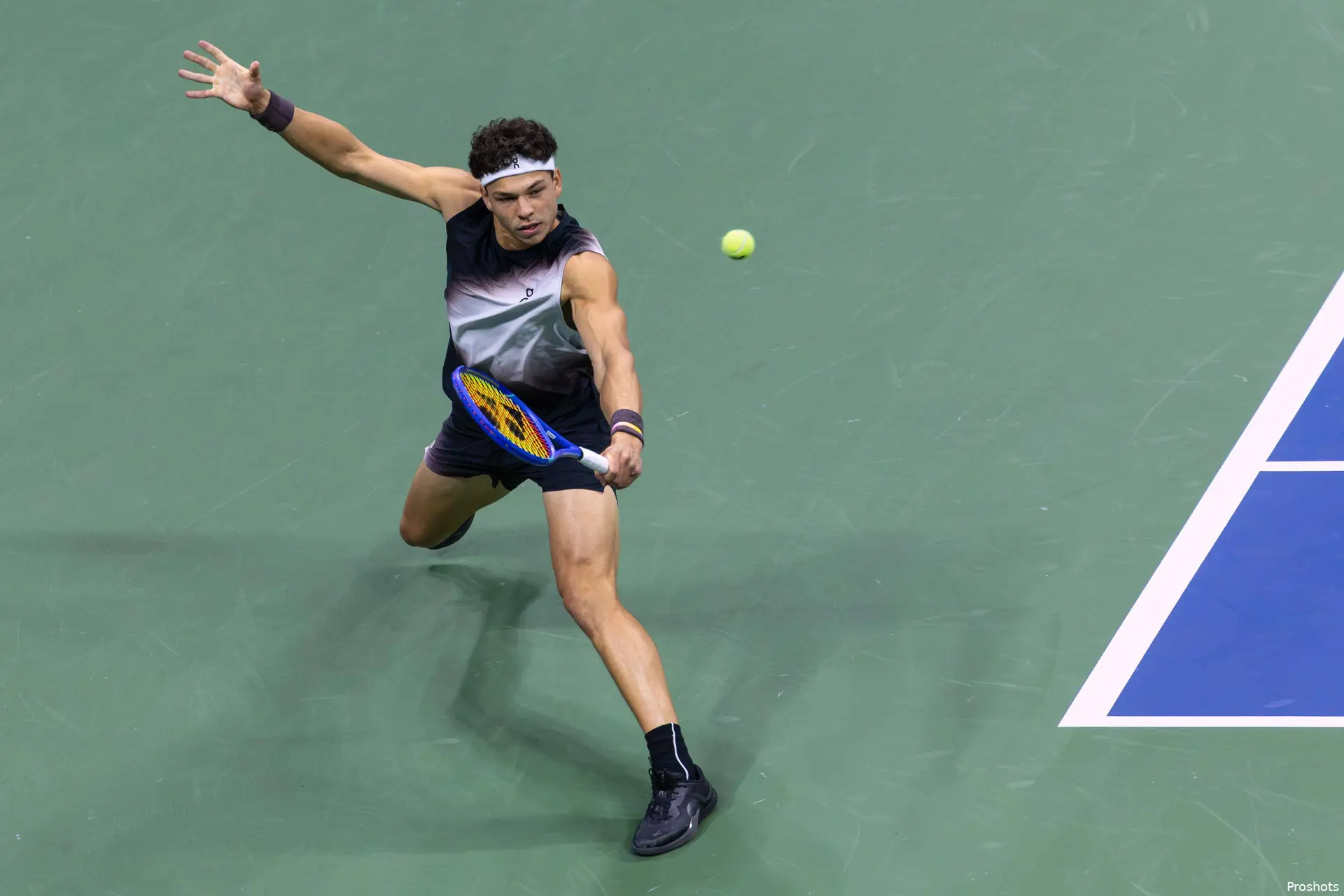
The 2026 US Open has concluded, and it was the first one Craig Tiley as the CEO of the United States Tennis Association. Already he has been put under the cosh in certain topics, including the incredibly late finishes that have been a major talking point in this latest Flushing Meadows campaign.
The South African joined USTA from Tennis Australia following the latest Australian Open and has overseen his first US Open. It is fait to say that he has thoroughly enjoyed it.
"I mean, it’s been brilliant," he told Sky Sports. "What we’ve had over the past three weeks, we’re at the end of the third week now, and the results, some of the matches, some of the finishes we’ve had, the excitement around the event, the number of people that have come through the gate, the fun they’re having, and just really how our product, how the sport’s being broadcast around the world, has been a fantastic three weeks.
"It’s the best way to get started in an organisation: get right at the top, get right in, get confused early and then try and make it happen."
It is a huge life change for Tiley who was at Tennis Australia for 21 years between 2005 and 2026, working his way up to the top. "Well, I’ve been very lucky and privileged that Tennis Australia had been running the event for 20 years, and that’s a long time. I was absolutely proud of the fact that the team had put together an event that was at the top of its game, that was at its best."
However, it was time to move on with a change of scenery on the order. "I always believe when it’s time to move on, do it when it’s going really well," he commented. "This was the magnificent opportunity that presented itself here in New York, and how we can showcase our great sport at a time of the year to the rest of the world.
"I think I’m looking forward to transforming some of the things that I think need to be transformed and really amplifying some of the stuff that’s been done really well."
Late-night finishes not a thing of the past
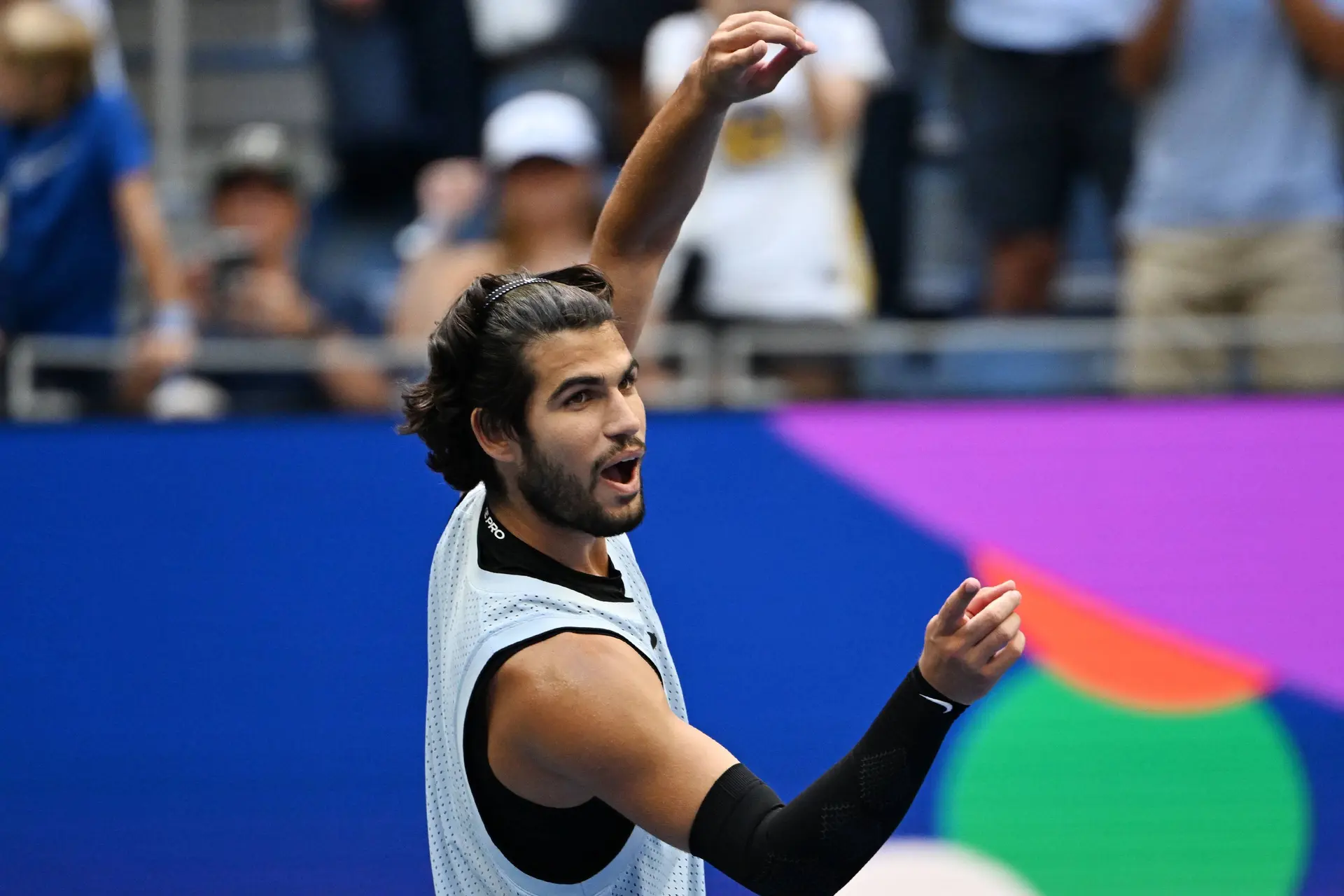
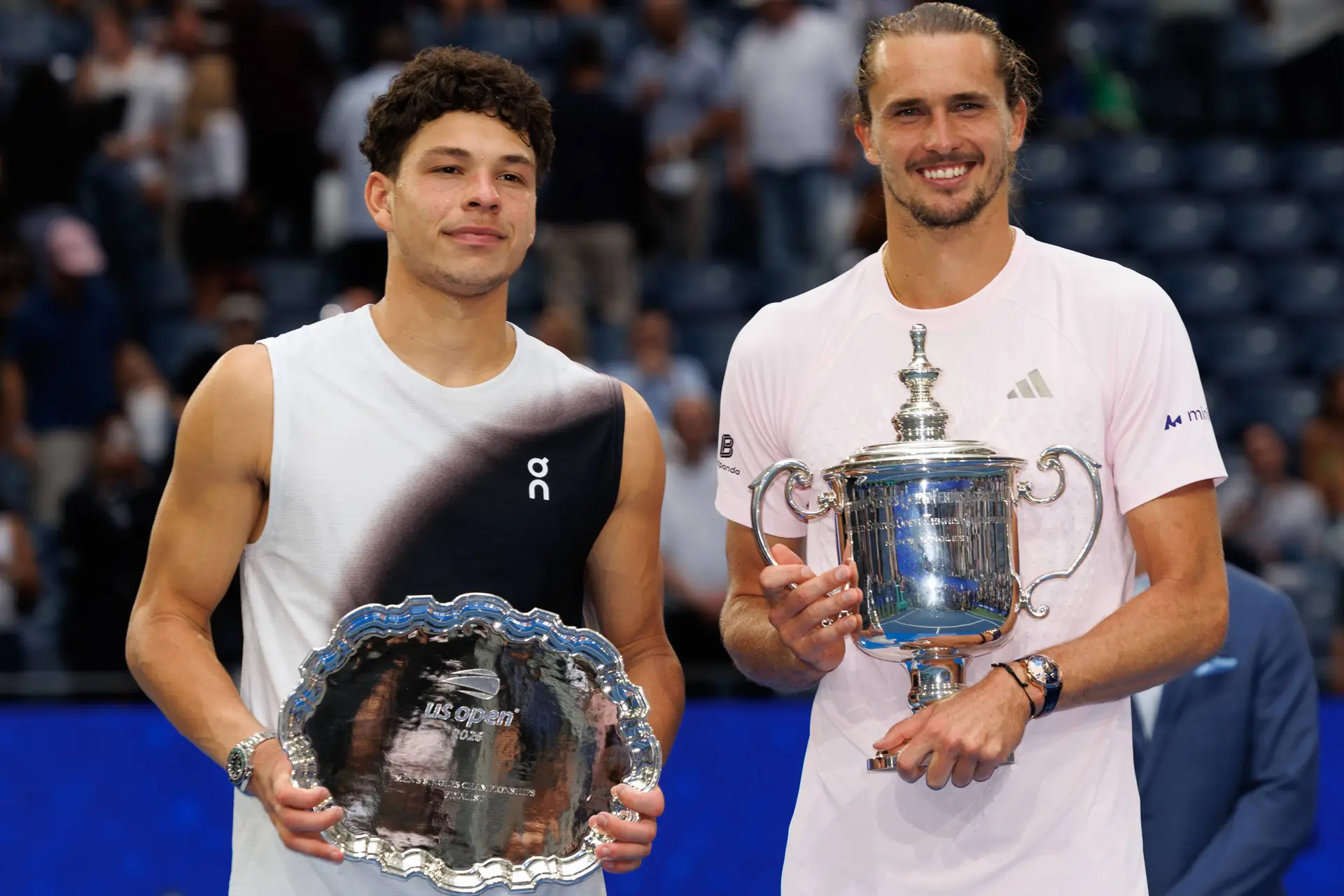
Along with the influences, the late-night finishes were one of the most contentious things about this US Open. Very few Americans would have been awake to witness the remarkable ending of Ben Shelton's win over Carlos Alcaraz in the quarter-finals.
The match concluded at 3:33 in the morning, by far becoming the latest finish in this tournament. Previously, Venus Williams and Sofia Kenin had to wait until the next day to begin their first round match, finishing at two in the morning.
It has been an issue that got a lot of tennis fans talking. However, Tiley is yet to hear a suitable solution. "You know, it’s interesting. I hear from a lot of people, 'It finishes too late,' and then I say, 'OK, and your suggestion is...?' I don’t get anything.
"And you can’t control the length of the match. Actually, what’s really interesting is that over the last 10 years, the amount of tennis that’s played from when you hit a point to when the point stops has been about the same. But the length of the matches on the men’s side has increased by an average of 25 minutes."

Carlos Alcaraz would lose against Ben Shelton in the quarter-finals of the US Open at the ridiculously late time of 3:33 am
There are reasons behind these increased numbers. "That’s because we now have the shot clock, everyone’s taking the time. We have the towels here, which takes a bit more time. And so the whole length of it is a bit longer, not that much longer. Actually, the average time of the men’s matches today is still not in the top four average times of the last 10 years. So while it feels really late, the reality is you’ve got to go and look at the data."
He did note the fact that tennis fans around the world were able to watch the conclusion to the thriller. "But that being said, no one wants to finish at 3:30am in the morning, although the rest of the world, in their daytime, saw a pretty amazing match."
There are other ways of scheduling the matches. Roland Garros has three day matches with one blockbuster match in the night session. This suggestion was quickly rebuffed by Tiley. "We really like the two days and two nights. Two full sessions, you get a great women’s match, you get a great men’s match, and that’s what our fans are telling us," he stated.
"They can come out and see three, four, five hours of entertainment. And if it goes really long, like the other night, every match went to full length. Three of the matches were 10-point breakers. Someone’s seeing six hours of entertainment, and that’s a great sporting ticket. That’s why we’ll keep it."
Listening to the players amid prize money debacle
A big talking point before each Grand Slam tournament as of late is the prize money. Players continue to demand more money to be on offer, trickling down to the lower ranked players with other benefits also included. The US Open, which offers more money than any of the other major events, increased their overall prize pot this year in tandem with the players requests.
"Well, the players at the beginning said there were three important things for them," Tiley said. "There was a contribution to a form of a pension or benefit fund. There was a significant jump in compensation. I’ve always believed the players should be paid more, and I’ve been consistent for 20 years on that.
"And then also a representative body, a player council. So we responded, the USTA responded, the day before we really started the event, that’s what we were going to do. And then the players were tracking in the right direction. We’ve still got to do some work on it."
Read also
This is crucial for the 65-year-old who wants the players' advice on this touchy topic. "We would still like to see a player-focused council that gives us feedback directly on things we want to improve for the players. I’m a big believer in the player voice. I’m a big believer in a fair share, and we need to grow. Doubles, singles, we need to grow our product.
"We need more opportunities for more players. So if you’re a kid that wants to become a professional tennis player and you get to 300 in the world, you should be able to make a living, because other sports do that too. So that’s on us, not just the Grand Slams, though. It’s as important for the women’s tour and the men’s tour to ensure that they’re stepping up to help support the whole ecosystem."
Lucas MichaelTennis Journalist
Lucas Michael is a tennis journalist based in Cambridge, UK, specializing in comprehensive coverage of the ATP and WTA tours. For the past 1.5 years, he has been a core contributor to TennisUpToDate, where he has authored more than 3,000 data-driven match reports, deep-dive analysis pieces, and engaging liveblogs.
Lucas pairs real-time statistical analysis with on-the-ground reporting, frequently traveling to tournaments to cover the action firsthand from the press box and player press conferences. This blend of advanced metrics and direct access allows him to provide sharp context regarding player form, tactical trends, and breaking tour developments.
He holds a BA (Hons) in Sports Journalism. Grounded in core journalistic ethics, Lucas places a strict emphasis on meticulous sourcing, editorial accuracy, and a commitment to updating live content swiftly as verified information emerges.
claps 0visitors 0
Just In




Popular News
Latest Comments
- Boss move, Sinner !Rapunzel27-10-2026
- Apparently still refusing to seek 'help' ...and still playing Dress-Up like a 10 year-old.
 mandoist27-10-2026
 - Lena... Takin' care of businessmandoist25-10-2026
- Can you please stop publishing this nonsense? Stick to Tennis.mandoist25-10-2026
- Does Sinner need that 4.5 mil? I doubt it. He can make that with three modelling gigs!😅🤣Rapunzel21-10-2026
- Did "People Magazine" purchase this website? This nonstop storyline is bullshit.mandoist21-10-2026
- Listen... this is of no concern to anyone but these two. Deal with your own issues -- most of us have our own. Thanks, media, for these insignificant follow-ups which are meaningless.mandoist21-10-2026
- This is so very very sad, for all three of them. I truly thought they had an unbreakable bond, but life throws up so many differing challenges. Having your homeland suffering in such a terrible way, makes happiness lose out to guilt as well. Our thoughts are with them. X💔bjsexton20-10-2026
- I have lost all respect for Svitolina! Could she not have waited until he had played at the Paris Masters!!! She is selfish and don't give a damn about Gael. That is NOT how love is demonstrated Elina!!Rapunzel19-10-2026
- Perhaps convenient tennis tour sex is not a strong enough experience in which to base a marriage?mandoist19-10-2026

Loading