“I prepared my whole life for this”: Felix Auger-Aliassime embraces clay challenge in Monte-Carlo
ATP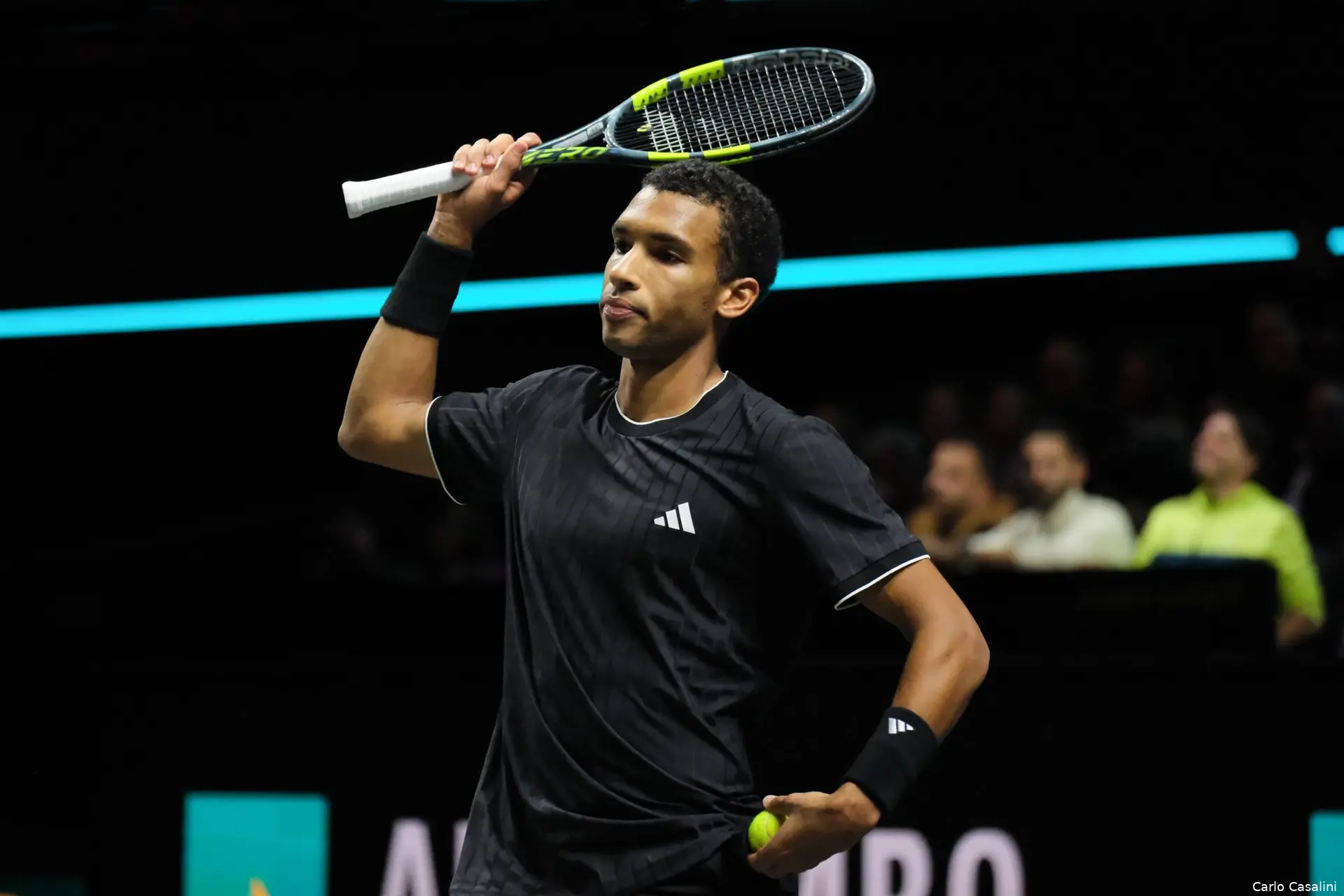
Felix Auger-Aliassime arrives at the Rolex Monte-Carlo Masters with a measured assessment of his 2026 season, describing the opening months as “positive overall” while acknowledging there is room for improvement. The Canadian, currently ranked inside the top 10, enters the clay swing following a solid indoor stretch but a less convincing Sunshine Double, where he fell short of deeper runs in Indian Wells and Miami.
His early-season results underline that contrast. Auger-Aliassime claimed a title in Montpellier, reached the final in Rotterdam and a semi-final in Dubai, building momentum on faster surfaces. However, that level did not fully carry into the United States, where he admitted his performances were “a little bit under” his expectations, particularly in failing to reach at least a quarter-final stage.
The transition to clay introduces a familiar challenge. While Auger-Aliassime has established himself as one of the more reliable performers on indoor hard courts, his results on clay have been comparatively inconsistent. Past highlights include a Madrid Masters final and second-week appearances at Roland Garros, but he has yet to translate his broader top-level consistency to the surface.
Monte-Carlo now represents an early indicator of whether that gap can be narrowed. Auger-Aliassime enters the tournament balancing confidence from his start to the year with an awareness that clay demands a different physical and tactical profile, particularly over extended rallies and slower conditions.
Strong indoor base meets clay uncertainty
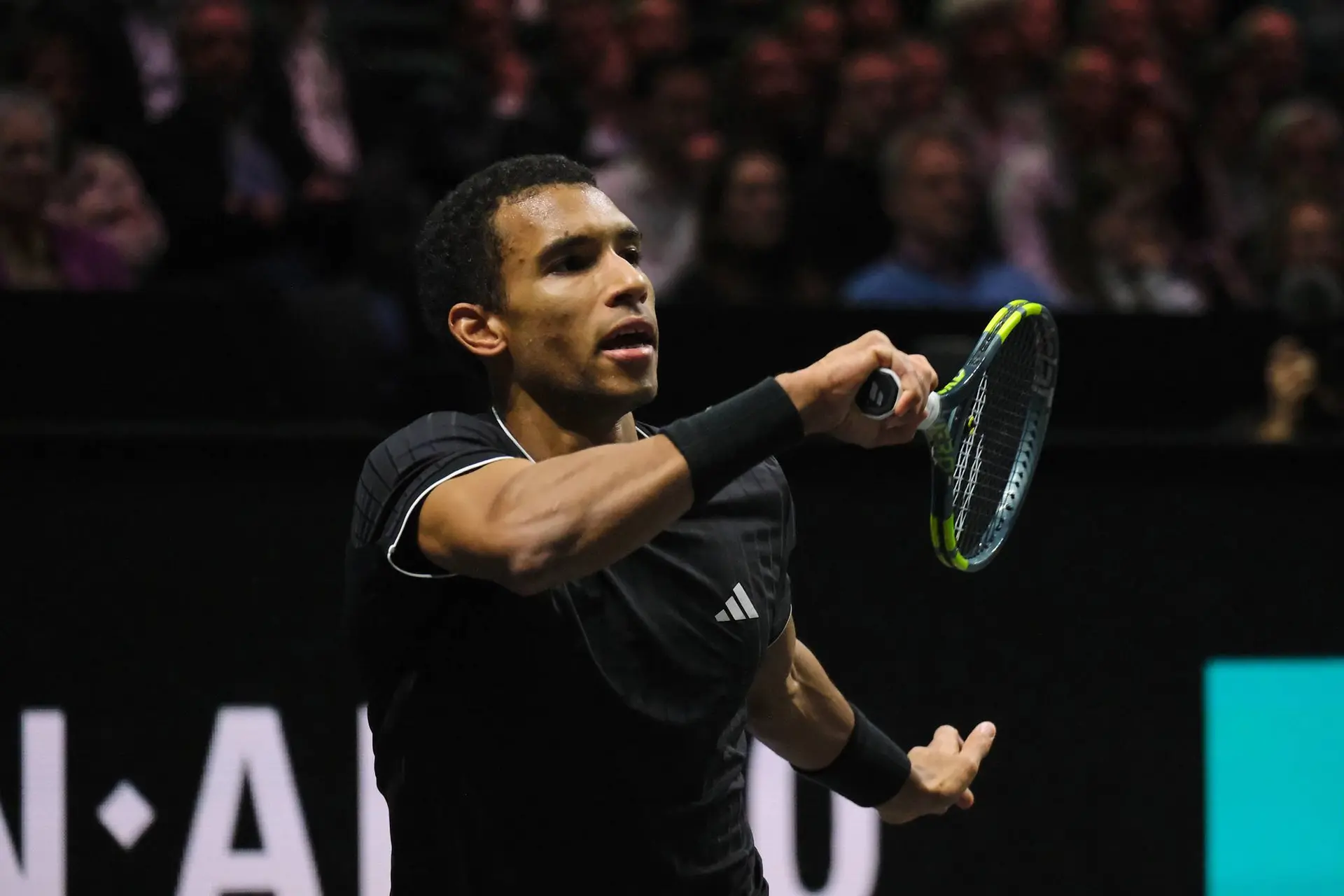
Auger-Aliassime’s game has long been built around first-strike tennis, with a strong serve and aggressive baseline patterns providing the foundation for his success. He acknowledged that his best results tend to come when he is able to dictate play, particularly on indoor hard courts where conditions favour his natural style and allow him to maintain consistency.
At the same time, he recognises that clay has played a formative role in his development. Early in his career, he spent extended periods competing on the surface, including trips to South America as a teenager, prioritising technical growth over immediate results. That period, he said, was central to shaping his movement and overall game.
“Early in my career I was playing more on clay. I went to South America to play on clay. I remember even as an 18-year-old, I skipped the grass to play on clay, and my coaches thought it was better for me to improve my groundstrokes and my movement. I think clay has also built the player that I am.”
Despite that background, translating those foundations into consistent results at the highest level has proven more difficult. Auger-Aliassime pointed to missed opportunities, including finals and second-week runs, where he was unable to take the next step compared to his performances on other surfaces.
Physical edge and mental endurance key on clay
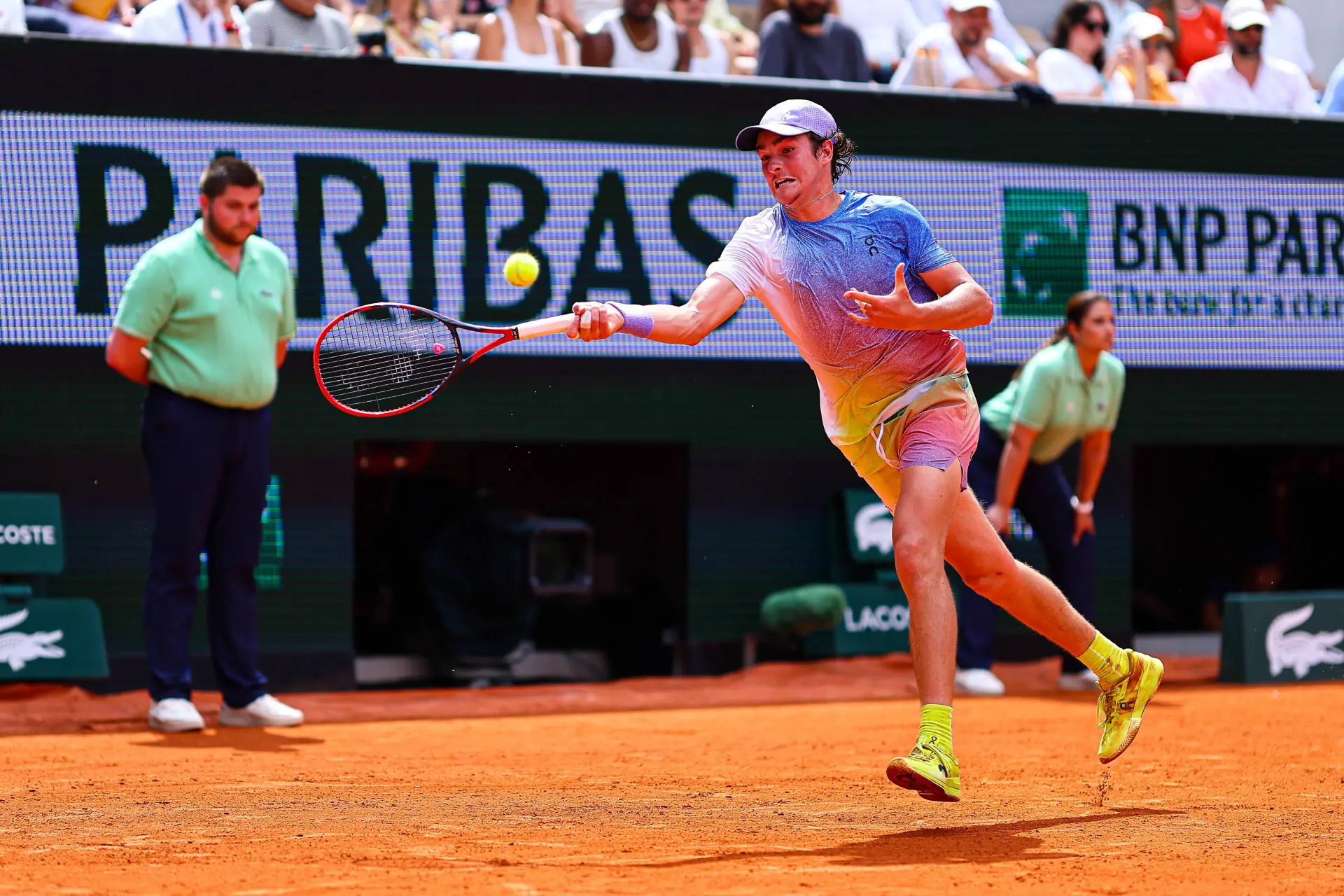
Looking ahead to the European clay swing, Auger-Aliassime identified athleticism as a critical factor in his ability to compete effectively. On a surface where points tend to extend and defensive skills are tested, he believes his movement and physical capacity can help bridge the gap against opponents more naturally suited to clay.
He emphasised that serving remains important, but the margin for error is reduced as returns come back more frequently. In that context, sustaining intensity across longer rallies becomes decisive, requiring both physical resilience and the ability to reset mentally from point to point.
“You need to be explosive on the clay, you need to be able to move well, you need to be able to defend. I feel that I can do this as well as almost every player. I’m in the top 10, and I feel that my level of athleticism matches with anybody. When I bring that very point, it causes problems for my opponents.”
The mental dimension of clay-court tennis also remains central. Auger-Aliassime described the surface as one that places sustained pressure on concentration, with repeated long rallies testing both patience and composure. He framed this aspect not as a weakness but as an area where experience has led to greater control.
“Sometimes rallies get long and you need to be ready to play back-to-back rallies. Your legs can be burning, your lungs can be burning, but you have to stay ready and compete on every point.”
“I feel like I’ve prepared for this my whole life. I’ve learned how to cope with the suffering. Your heartbeat is high and you still have to stay focused. I feel like I have everything in my mind and in my body to be prepared for that.”

Cristhián AvilaTennis Journalist
Cristhián Ávila is a tennis journalist based in Santiago, Chile, and has been part of the TennisUpToDate team since early 2023. He covers the ATP and WTA Tours as well as all four Grand Slams, producing breaking news, match reports, analysis, and regular liveblogs from major tournaments.
His reporting combines statistical analysis with clear explanation, helping readers understand tactical developments, player form, and broader storylines across the tour. Working fluently in both Spanish and English, Cristhián collaborates with an international editorial team and contributes to comprehensive global coverage. As part of his work, he has conducted interviews and media interactions with leading figures in the sport, including Caroline Wozniacki and John McEnroe.
In his journalism, Cristhián places strong emphasis on careful sourcing, editorial accuracy, and updating articles promptly when new, verified information becomes available. His coverage is grounded in research, context, and direct engagement with professional tennis.
claps 0visitors 0
Just In

Popular News
Latest Comments
- A healthy Qinwen may be hard to stop next season. She was already scaring her opponents before her medical leave(s). Unfortunately, Zheng insisted on singing again. On the positive side -- Mirra did not sing!! ;~}
 mandoist11-10-2026
 - Where is it written that athletes, entertainers... People in general... are mandated to keep looking at -- or even using [anti]Social Media? Public & private figures consistently complain and reveal their concerns about negativity and violence thrown at them -- yet they insist on participating. Avoid it, don't use it, don't read it. It's okay to occasionally look up at the World instead beating your eyes & thumbs to death on The Inventions out there.mandoist11-10-2026
- great articlestennisseserver07-10-2026
- Medvedev was leading Djokovic 7-5, 3-5 when an attempted return..' NO you ignorants, Djokovic was leading .weiss05-10-2026
- No more bullshit "Wildcards" to these two. Qualify like everyone else -- there will be cameras there, too. Time to scream... WTF ????!!!!mandoist29-09-2026
- Let's not BS the general public -- Sabalenka started showing cracks in her game last season. Her losses and near-losses started at about the same time she began being distracted by Fame (constant Selfies, making TV commercials, magazine shoots, endless Social Media nonsense, etc., etc.) One would think even Saba could recognize the parallels with others who failed before her -- Raducanu, Giorgi, Bouchard to name a few.mandoist25-09-2026
- Gross!! Hey Raducanu, Giorgi, and Bouchard -- reserve a seat at your Social Media Selfie table for Saba + Naomi. They're heading in your direction soon enough.mandoist24-09-2026
- And then these same players will complain about how lengthy their season’s were and need more time-off. I’m all for more tennis but the amount of tennis we get now is actually kind of crazy! We all need a break, especially the players.DaveyWavey23-09-2026
- You should do a comparison article for "different kinds of justice" the courts decide for tennis players. I can think of at least three players who received very small bans of a few months, however Tara Moore has been fighting for her literal survival the past few years. It seems odd considering she is not a "name" player, unlike the other cases.DaveyWavey22-09-2026
- PRIZE MONEY & POINTS Winner - $185,500 Finalist - $114,500 Semi-Finalist - $66,003 Quarter-Finalist - $35,000 Round of 16 - $18,045 Round of 32 - $13,005 Winner - 500 Finalist - 325 Semi-Finalist - 195 Quarter-Finalist - 108 Round of 16 - 60 Round of 32 - 1DaveyWavey20-09-2026

Loading