“I started to feel super dizzy”: Andrey Rublev admits surviving sugar crash during US Open second-round win
ATP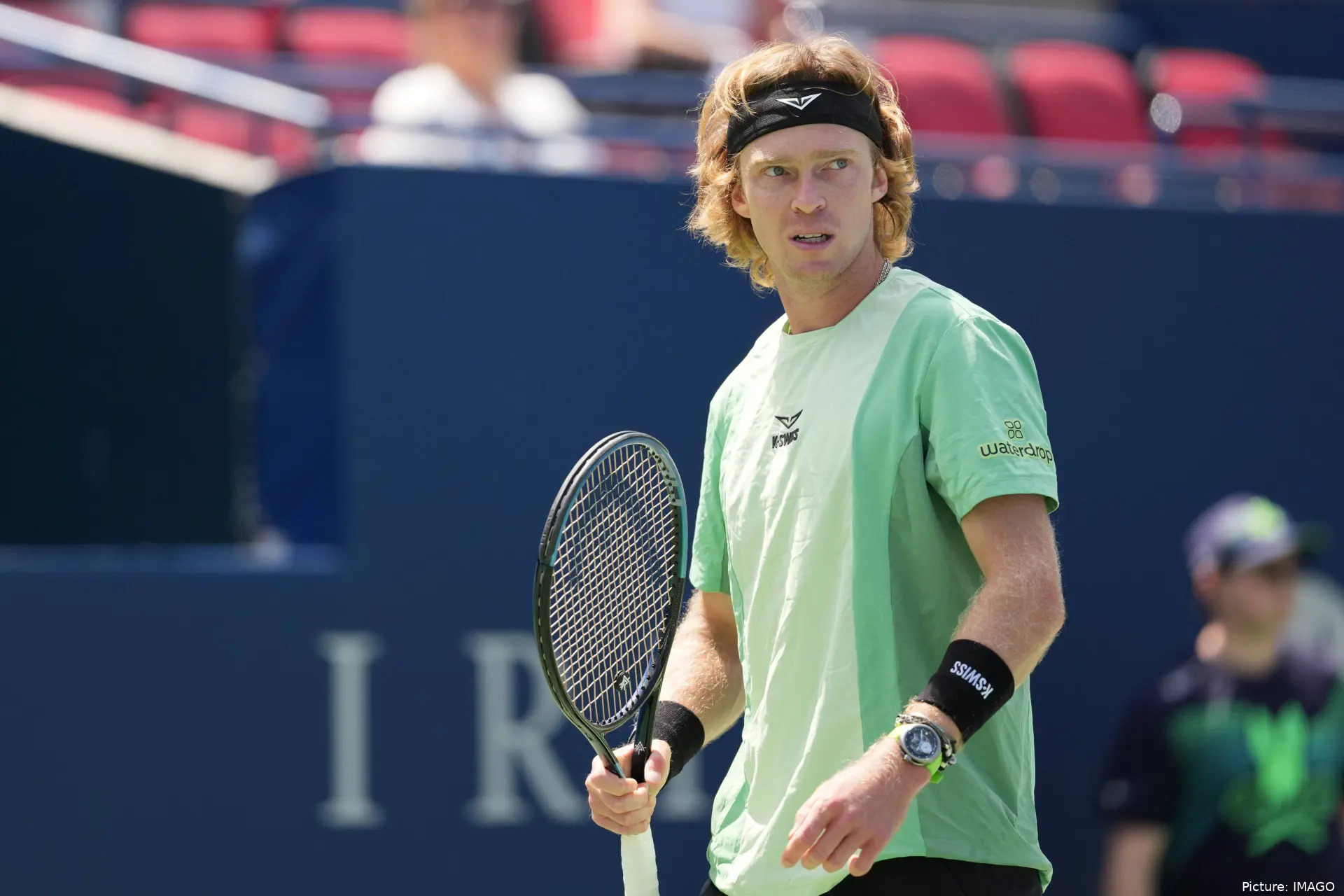
Russia’s Andrey Rublev had a difficult outing in the
second round of the US Open where he came out on top against America’s Tristan Boyer.
The final score of the match 6-3, 6-3, 5-7, 7-6. Rublev’s performance on the
day was divided into two halves.
The first was where the 27-year-old was simply unplayable in the
opening and second set. The second phase was far more challenging for Rublev, who nearly blew his two-set lead but managed to keep his nerve and won the tiebreak in the fourth set.
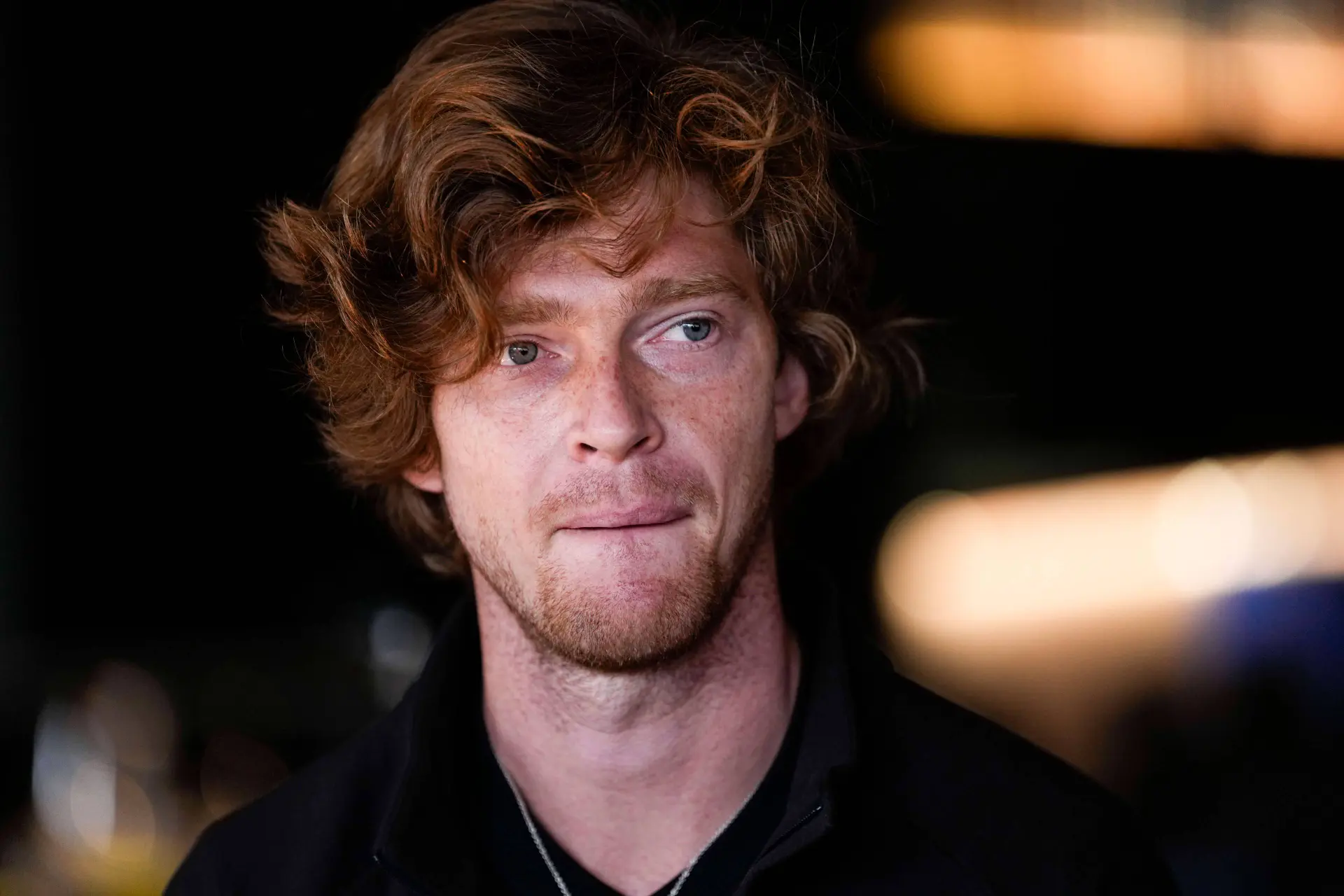
Rublev spoke to the media after the match, where he highlighted that he was struggling with low sugar, which made him feel ‘dizzy’. Rublev also admitted that he was ‘lucky’ to win the fourth-set tie break, that
too at a time when Boyer was playing with more confidence.
“In the end I played well,” said Rublev. “The thing was,
in general, was a lot, this match was up and downs. Tristan didn't start well. He
was playing with a lot of mistakes. He was not putting first serve, was missing
a lot of balls. So kind of the first two sets was quite easy. And then I
relaxed completely and he started to play a bit better. And when I wanted to
raise my level, I couldn't because the sugar in my body went down and I started
to feel super dizzy in one moment. And in the end, it almost cost me a comeback
of Tristan because then he started to feel it. He started to play even better
and he ended up playing fourth set on a good level. And yeah, I was lucky that
I was able to win that, that tiebreak because he was playing [with] more confidence.
He was playing more aggressive and I was more kind of waiting instead of being
the one who play more aggressive.”
Not much was helping: Rublev
Rublev then highlighted the turning point in the deciding
set tiebreak and also stated the difficulty he faced while feeling dizzy on the
court. Rublev said that first he was feeling dizzy and then he started to feel ‘super
hungry’. Rublev revealed that he was served with some food on the court,
including ‘sushi’, but nothing much helped him. He also admitted that it was the
very first time that he felt ‘dizzy’ because of feeling hungry.
“In the end, on the tiebreak, I think that passing when I
did backhand down the line at 3-2 out of nowhere, it kind of saved me a little
bit and gave me also a bit of confidence that the rest of the tiebreak I played
well,” said Rublev. “[Dizziness had] Nothing [to do] with the weather. I guess
it's just I didn't eat enough before the match. And after one hour and a half,
I started to feel super hungry. And when I start to, when I'm super hungry, if
I try to keep focus or try to push myself, yeah, my sugar goes down and I start
to feel dizzy in the head. They [organisers] brought me sushi in the fourth set.
I eat sushi and I eat many things. I eat almost all my proteins, all my gels,
but not much was helping. And I guess it takes time. I eat, I don't know how
many, the record of bananas today. And now I have stomach like this, full of
things. [It is the] first time ever in my life [that I felt dizzy because of
having less food]. I mean, sometimes happen that you can be dizzy because of
the weather or because of sickness or something. But being hungry, first time
ever.
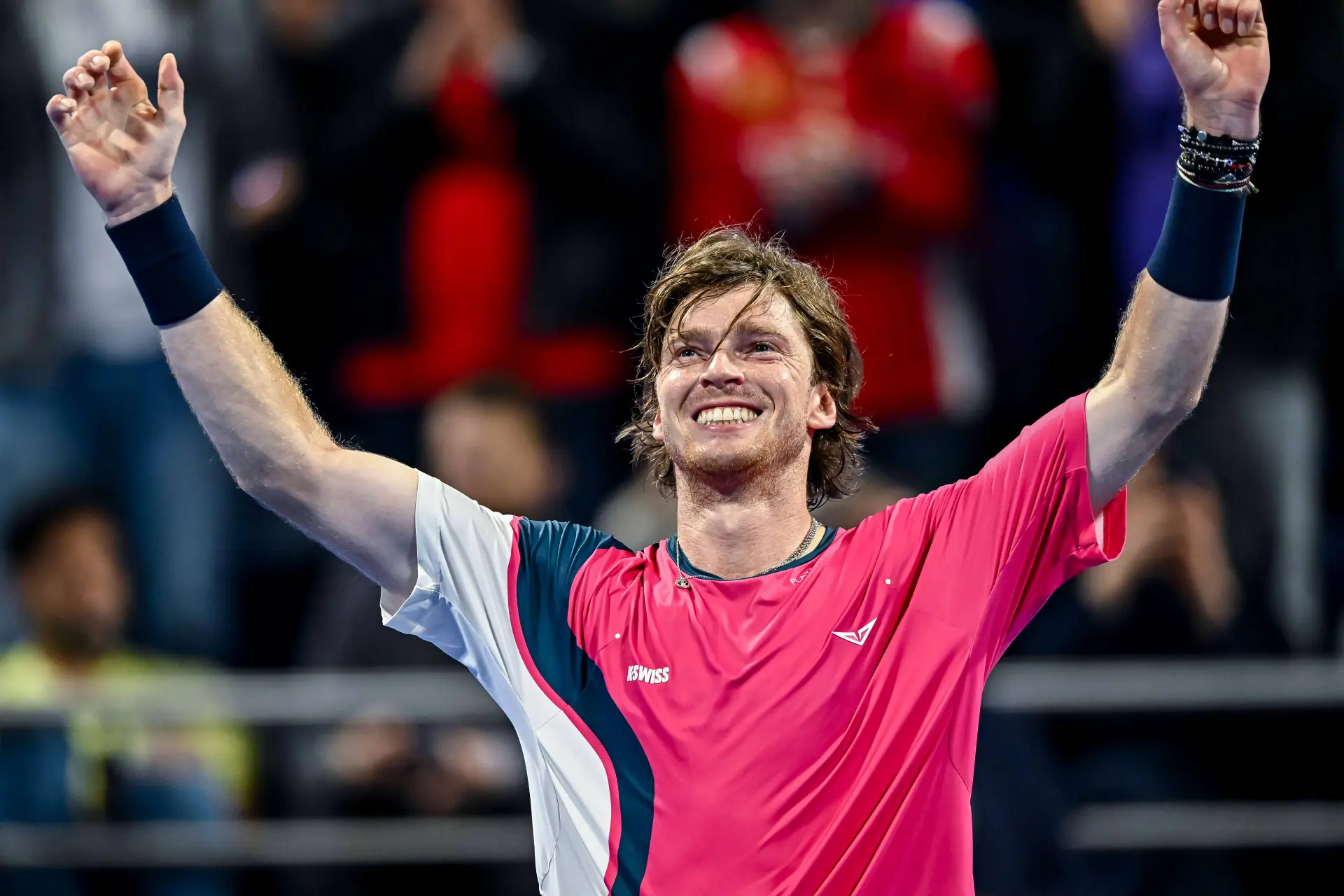
Rublev has been often being described from the generation
of players who never managed to fulfill their potential. He is not the only one
on the list. The likes of his countryman Daniil Medvedev, Germany’s Alexander
Zverev and former world number three Dominic Thiem also features in that list. In
the early stages of their respective careers, all these players were facing a
challenge of competing against the likes of Roger Federer, Rafael Nadan and
Novak Djokovic. In the recent past, these players are now facing the challenge
of playing against the likes of Jannik Sinner and Carlos Alcaraz.
Rublev was asked about what he feels about having an
uphill task all the time while competing against the best in the world. In response, Rublev stated that he still believes some of these players will go on to win big titles in the near future. “I don't know, still believing,
still believing that also some of us will have chance to kind of also to
achieve some things and keep fighting things,” said Rublev. “Tennis is getting
older and older. So we still have 10 years, hopefully, minimum of the career.
And, yeah, and we'll see what's going to happen. Everything can change very
fast.”
Azeem Siddiqui is a seasoned sports journalist and data analyst with a strong background in both digital media and live sports production.
He began his journalism career working with partners of The New York Times and has since contributed to several leading international sports publications, including Fox Sports Asia, Calciomercato, and GiveMeSport. Since 2023, Azeem has been part of the TennisUpToDate team, where he has played a key role in sustaining the platform’s growth and ensuring tennis fans receive timely and reliable coverage of the sport’s biggest stories.
In addition to his editorial work, Azeem has extensive experience as a data analyst in live sports broadcasting—particularly in cricket—where he combines analytical precision with creative storytelling. He has collaborated with multiple production companies and cricket boards worldwide, delivering real-time insights and data-driven narratives during live match coverage.
claps 0visitors 0
Just In

Popular News
Latest Comments
- A healthy Qinwen may be hard to stop next season. She was already scaring her opponents before her medical leave(s). Unfortunately, Zheng insisted on singing again. On the positive side -- Mirra did not sing!! ;~}
 mandoist11-10-2026
 - Where is it written that athletes, entertainers... People in general... are mandated to keep looking at -- or even using [anti]Social Media? Public & private figures consistently complain and reveal their concerns about negativity and violence thrown at them -- yet they insist on participating. Avoid it, don't use it, don't read it. It's okay to occasionally look up at the World instead beating your eyes & thumbs to death on The Inventions out there.mandoist11-10-2026
- great articlestennisseserver07-10-2026
- Medvedev was leading Djokovic 7-5, 3-5 when an attempted return..' NO you ignorants, Djokovic was leading .weiss05-10-2026
- No more bullshit "Wildcards" to these two. Qualify like everyone else -- there will be cameras there, too. Time to scream... WTF ????!!!!mandoist29-09-2026
- Let's not BS the general public -- Sabalenka started showing cracks in her game last season. Her losses and near-losses started at about the same time she began being distracted by Fame (constant Selfies, making TV commercials, magazine shoots, endless Social Media nonsense, etc., etc.) One would think even Saba could recognize the parallels with others who failed before her -- Raducanu, Giorgi, Bouchard to name a few.mandoist25-09-2026
- Gross!! Hey Raducanu, Giorgi, and Bouchard -- reserve a seat at your Social Media Selfie table for Saba + Naomi. They're heading in your direction soon enough.mandoist24-09-2026
- And then these same players will complain about how lengthy their season’s were and need more time-off. I’m all for more tennis but the amount of tennis we get now is actually kind of crazy! We all need a break, especially the players.DaveyWavey23-09-2026
- You should do a comparison article for "different kinds of justice" the courts decide for tennis players. I can think of at least three players who received very small bans of a few months, however Tara Moore has been fighting for her literal survival the past few years. It seems odd considering she is not a "name" player, unlike the other cases.DaveyWavey22-09-2026
- PRIZE MONEY & POINTS Winner - $185,500 Finalist - $114,500 Semi-Finalist - $66,003 Quarter-Finalist - $35,000 Round of 16 - $18,045 Round of 32 - $13,005 Winner - 500 Finalist - 325 Semi-Finalist - 195 Quarter-Finalist - 108 Round of 16 - 60 Round of 32 - 1DaveyWavey20-09-2026

Loading