“It’s all part of sport”: Jannik Sinner explains how he handles highs and lows professionally
ATPThursday, 19 February 2026 at 21:30
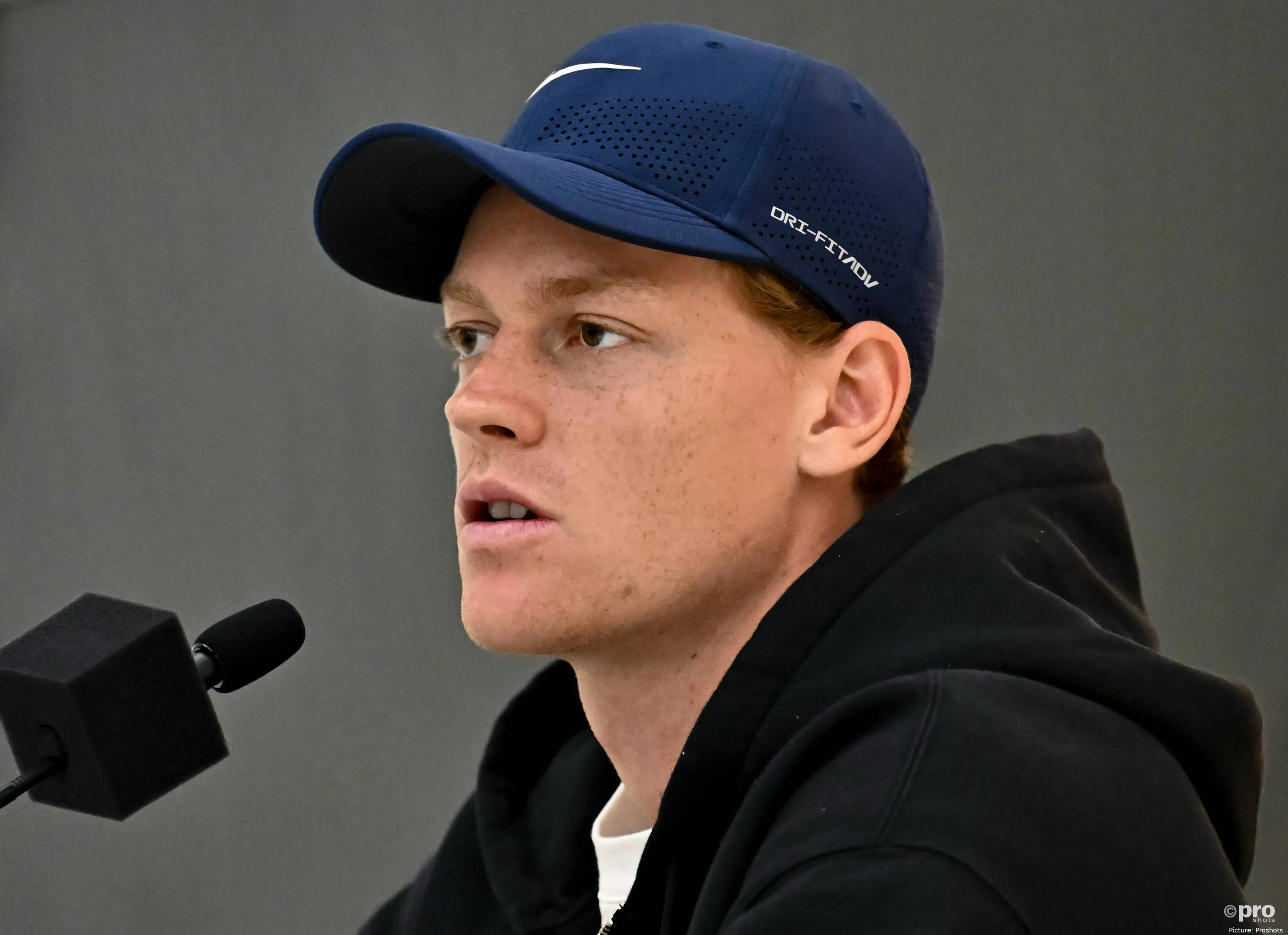
Jannik Sinner delivered a commanding performance in the second round of the ATP 500 in Doha, defeating Alexei Popyrin 6-3, 7-5. The Italian responded to press questions after the match, addressing how he deals with the few defeats he suffers on tour—and whether they are especially painful.
Jannik Sinner emphasized the balance required to navigate both triumph and disappointment as he advanced to the quarterfinals of the ATP 500 in Doha. “High or low moments don’t change my focus,” assured the world No. 2. “This sport has given me beautiful moments… but also many difficult ones. It’s all part of sport.”
The Italian demonstrated exceptional focus over 85 minutes, preventing his opponent from earning a single break point. His measured approach ensured he maintained control in key moments, leaving Popyrin with little opportunity to challenge the match’s rhythm. The victory extended his streak against opponents outside the top 50 to 50 consecutive wins, a milestone few in the sport have achieved.
Currently ranked world No. 2”with 66 weeks atop the ATP Rankings, Sinner has won four Grand Slam titles from six finals appearances. He claimed back-to-back Australian Open titles in 2024 and 2025, added the 2024 US Open crown, and is the reigning Wimbledon champion after defeating Carlos Alcaraz last summer.
Read also
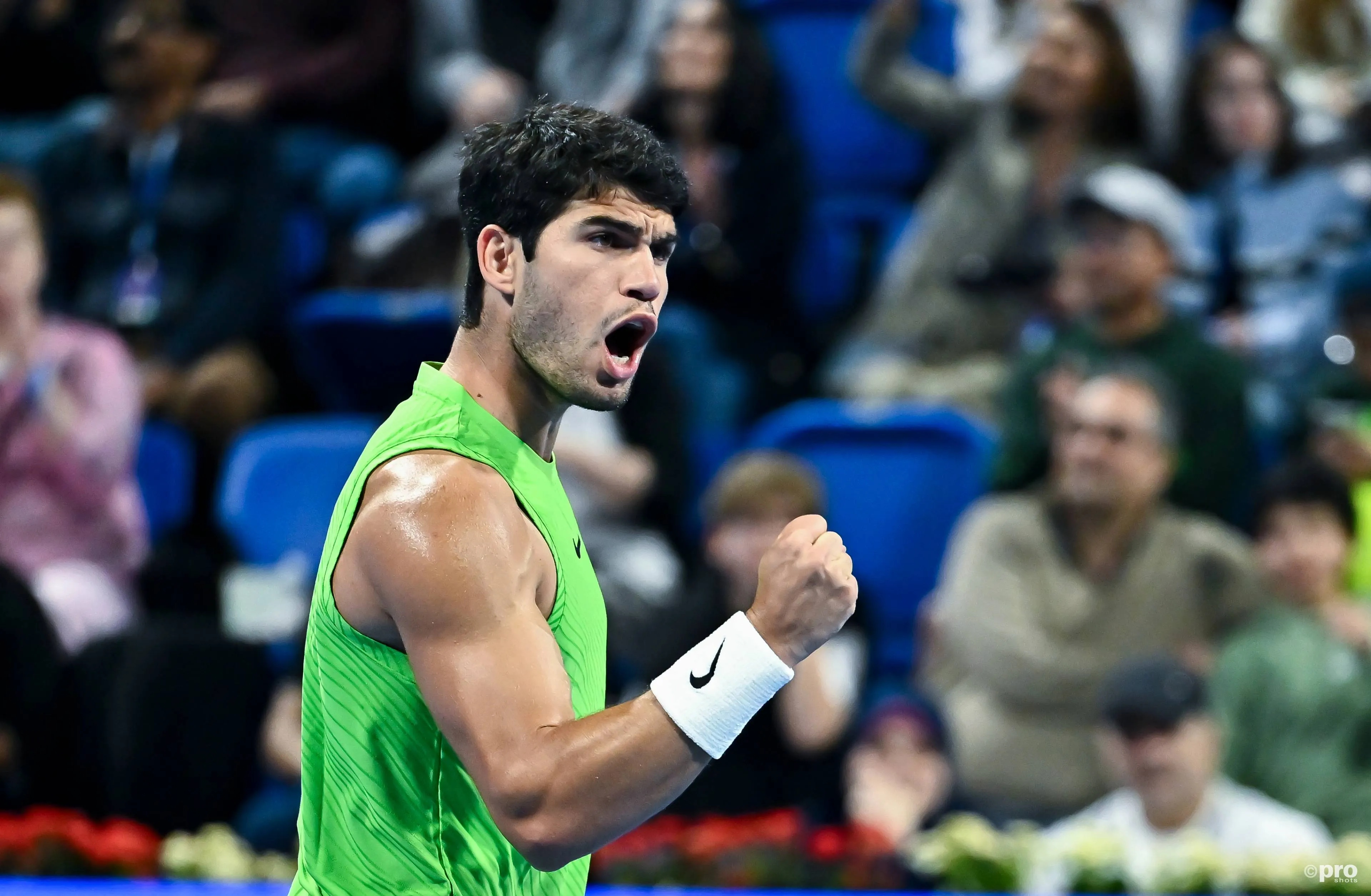
In addition to these triumphs, Sinner has faced particularly painful defeats. At Roland Garros, he lost a final after failing to convert three match points, and at the US Open, he fell again to Alcaraz. In Australia, as two-time defending champion, he ended a 19-match winning streak when Novak Djokovic beat him in the semifinals.
Sinner’s Doha performance
Seeded second in Doha, Sinner showcased precision and resilience. Against Popyrin, he dictated play, converting opportunities efficiently and closing the match in straight sets. Once again, he demonstrated his ability to manage pressure situations, particularly in the second set where he faced moments that could have shifted momentum. His controlled aggression proved decisive.
During the press conference, Sinner was asked if he still dwells on defeats—particularly the one against Djokovic in Melbourne—and whether he thinks about mistakes made in previous matches. “No, honestly, these are matches already played, so I don’t think about them anymore,” he said. “They are difficult matches; no one gives them to you here. I just try to give my best, to improve. That has always been the key for me: being the strongest possible player.”
Looking ahead, Sinner will face Mensik in the quarterfinals. He is approaching the next match methodically, prioritizing preparation and consistency over momentum from past victories. “He is an opponent and a player with whom we have never trained together, so it is also something completely new for me,” assured the four-time major champion. “A very talented player. He is very strong physically and has an excellent shot on both sides. It will be a very, very difficult match. But let’s see what happens.”
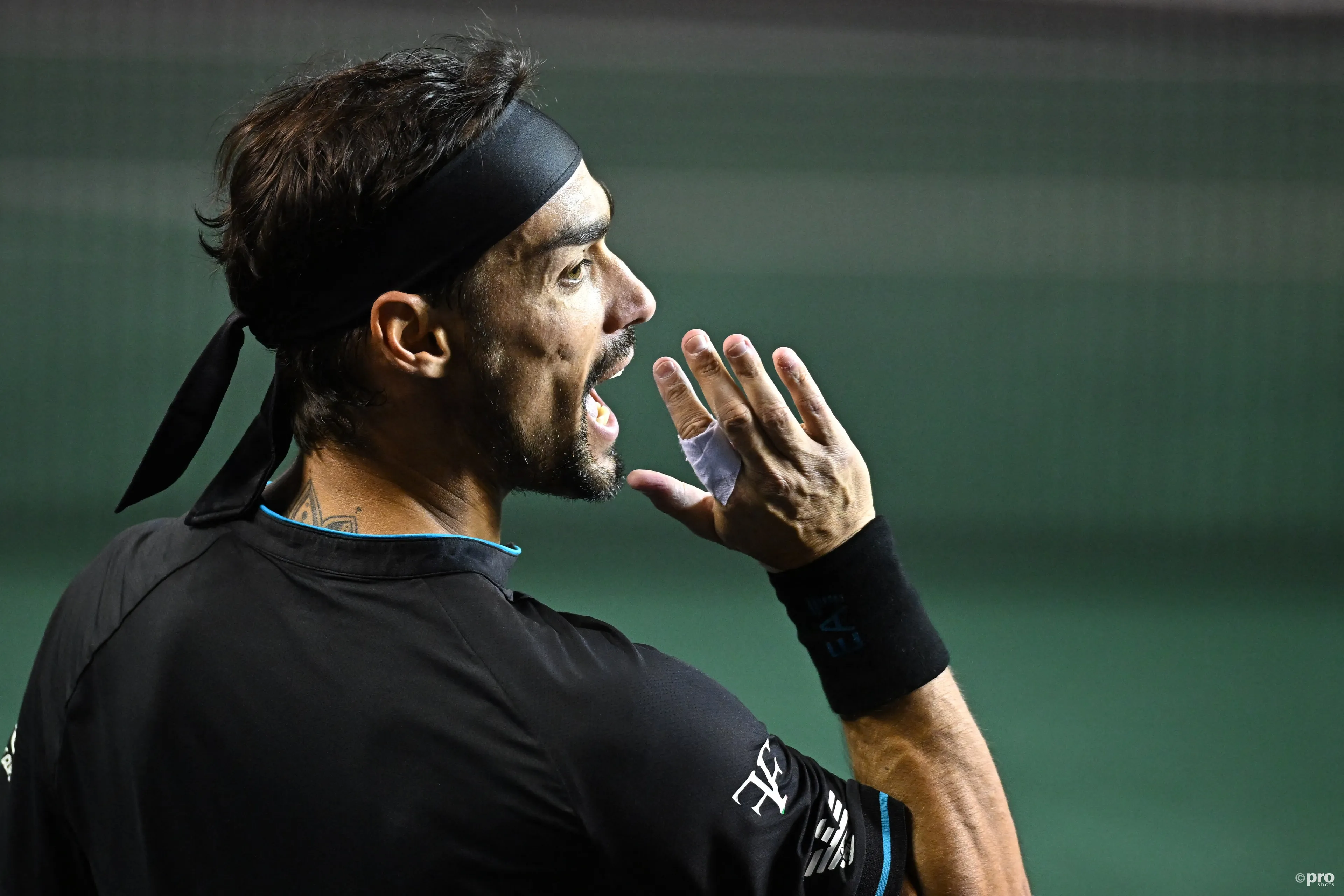
Mindset and career approach
Beyond his results, Sinner remains committed to perspective and long-term growth. He emphasized the importance of balancing emotions and maintaining a grounded approach: “My approach to tennis is that we also live a normal life. I believe we go through situations, moments, and emotions,” commented the 24-year-old player. “The same applies to tennis. We have fantastic moments and difficult moments. We have sad moments and happy moments. It’s just one episode, right?”
Sinner frames tennis as a platform to maximize his potential rather than just accumulate titles. “When I suffer difficult defeats, for me it’s only a moment. The best thing is always to win, but you can’t always win. I believe I have a fantastic team behind me. I have a family, which is far more important than anything else.”
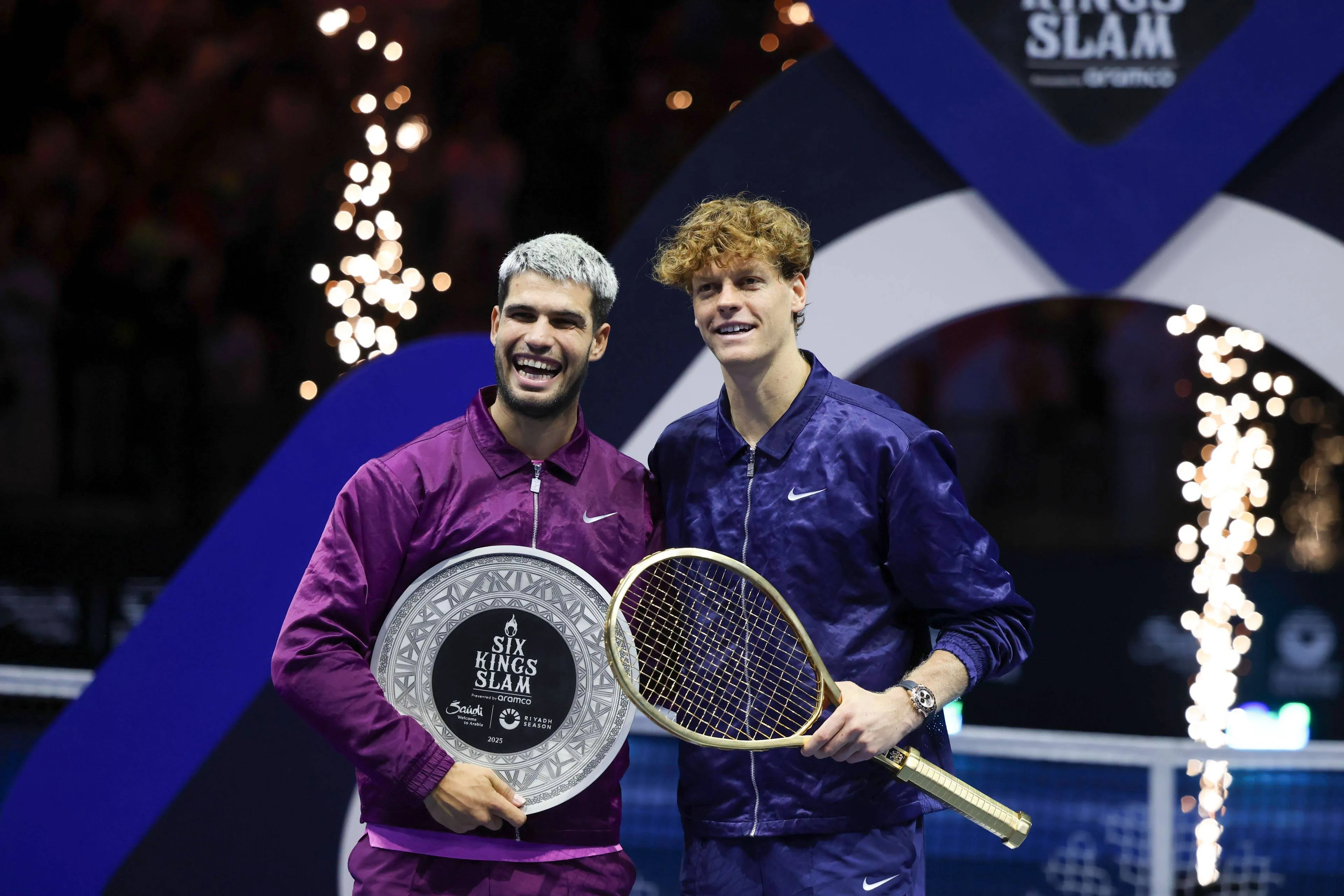
His long-term philosophy is clear: “I put tennis first, no matter what. It’s my choice, and it’s the one I will always make, until I stop playing. I hope to be able to play for many more years. But that doesn’t mean we don’t feel emotions. After difficult defeats, I try to reflect and understand what I can improve. In the end, when my career is over, I don’t want to have regrets for not having done something more. If my potential is to win this, that’s fine. If I win more, that’s fine. I just want to maximize my potential and see how far I can go.”
claps 0visitors 0
Just In


Popular News

Latest Comments
- You seem to have 'lost the plot' ??
- This needs to be done, and I think Jessica Pegula is an excellent choice for chair to look into the situation. However, a very brief look at the other members of the panel would suggest a very USA heavy contingent. The group needs to represent all interests, not just turn it into a way the US can screw more money out of an already biased calendar.
- The tennis world should be kissing her feet for taking-on this long needed position in a much needed council. The WTA and ATP need a good shaking-up. Pegula's business heritage is a proven one. Let's hope she and her colleagues can stop WTA & ATP from shutting their work down and out. GO GET 'EM !!
- So the Sportswasher's largest market is... the Filipino community? That's all well and good but the hundreds and hundreds of empty seats throughout is embarrassing. Talk about bad optics!
- The poor Head Sportswasher has been whining and crying in the media, and basically threatening Saba, Iga, etc. Must be a real Ego Buster when they dangle money and people (especially Women) say, 'No thanks'.
- "Losing-itis" is not uncommon in Emma's small world. Just keeps begging the question, 'What are sponsors paying for? Limited tennis appearances... or Social Selfie Media presence?'
- Dubai can suck it up like everyone else. Just because they think they run the show, they do not. Sportswashing does not give them Power.
- You're losing your mind here.. You use a lot of space, yet inadequate knowledge. Read the WTA Rule Book 2026; it answers all your questions and accusations.
- Why single out Iga and Aryna to punish?, Since when do players get punish because they withdraw from tournaments? Maybe if they both were treated like number one and two players, they would not have this problem. The WTA discriminates against them because of their nationalities, yet they want to make money off them. Every tournament, Iga has harder draws than qualifiers from the beginning to the end. In the Australian Open they stuck Aryna out in the sun the majority of her matches in order to tire her out. She is the number one player in the world and she never got the opportunity to play with the roof closed. If they want these top players to continue playing and making money for them, then they should treat them as such. Otherwise, get the players who they are always giving out cupcake draws to like Pegula to play their tournaments. Lets see how many seats in the audience she will fill. Iga has more fans in the seats than any player in the WTA, yet she is always disrespected and mistreated because of her nationality. The WTA is a corrupt, bias and racist organization. No matter what job someone is on, you cannot tell them that they are not sick or injured.
- LOL. Billie Jean King hates being a woman.


Loading