“It’s physically more demanding, but also mentally – it’s tough!”: Holger Rune questions two-week Masters events
ATP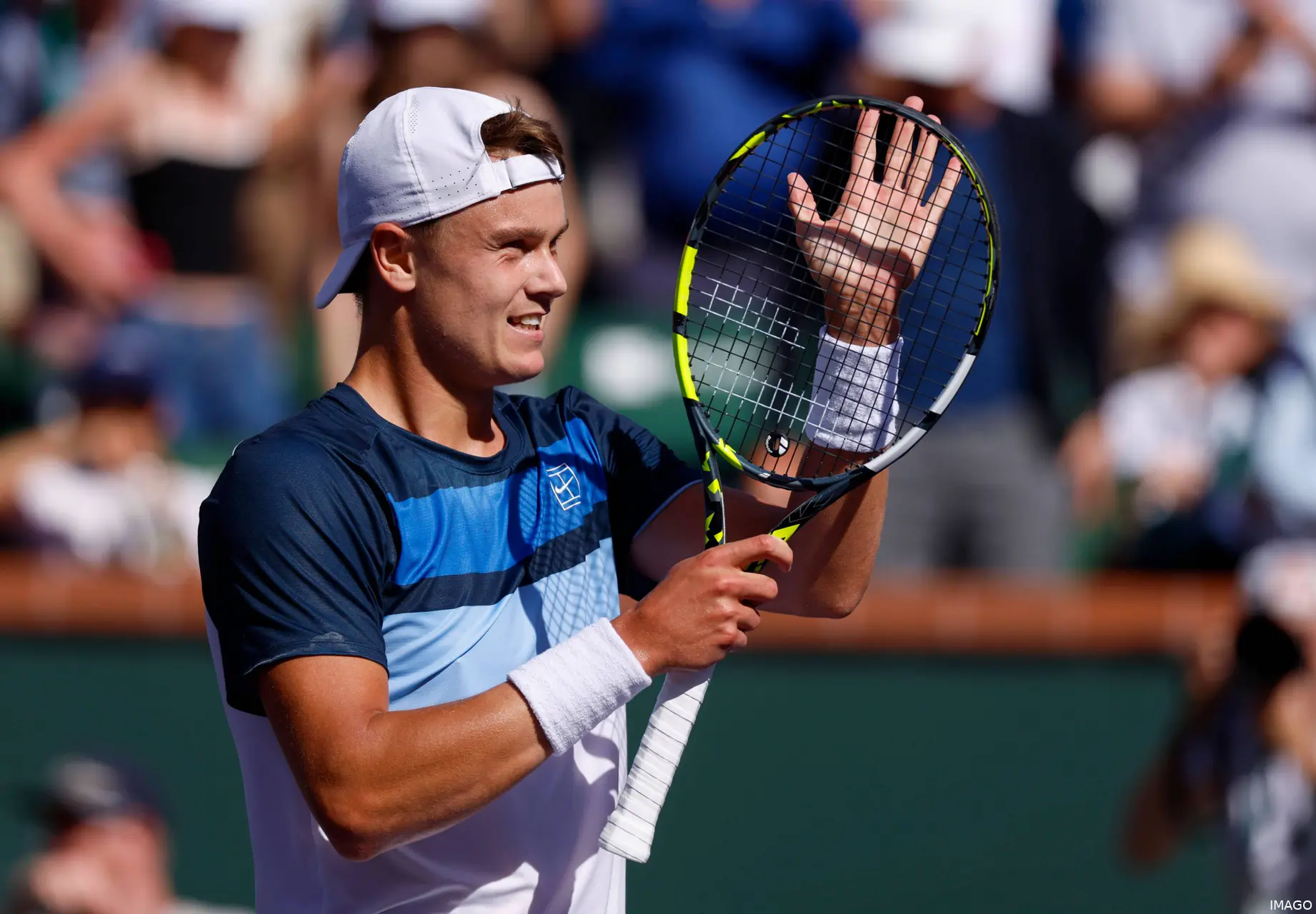
Holger Rune has spoken candidly about the growing physical and mental strain placed on players by the ATP Tour’s expanded Masters 1000 format. In an in-depth interview with Sky Sports, the Danish star offered a player’s perspective on why longer tournaments are not always compatible with performance, recovery, and longevity, particularly for those consistently competing deep into events throughout the season.
The world No. 16 acknowledged that the evolution of the Tour has brought undeniable commercial and structural benefits. However, Rune stressed that these changes have also shifted the burden onto players, who now spend significantly more time on-site at tournaments. According to Rune, the reality of staying nearly three weeks at a single event fundamentally alters the rhythm of the season and challenges traditional preparation cycles.
Rune was particularly clear when drawing a distinction between Grand Slams and Masters 1000 tournaments. While he fully supports the two-week format at majors due to the physical demands of best-of-five-set matches, he believes applying the same logic to Masters events is unnecessary. For Rune, the expanded format risks prioritising quantity over quality, something he feels should concern both players and fans.
These reflections come as Rune continues his recovery from an Achilles injury, giving his comments added weight. The Dane is currently focused on a careful, structured comeback rather than rushing his return. That experience has reinforced his belief that smarter scheduling and greater acceptance of rest are essential if tennis wants to protect its stars and deliver consistently high-level competition.
“It’s physically more demanding, but also mentally – it’s tough!”
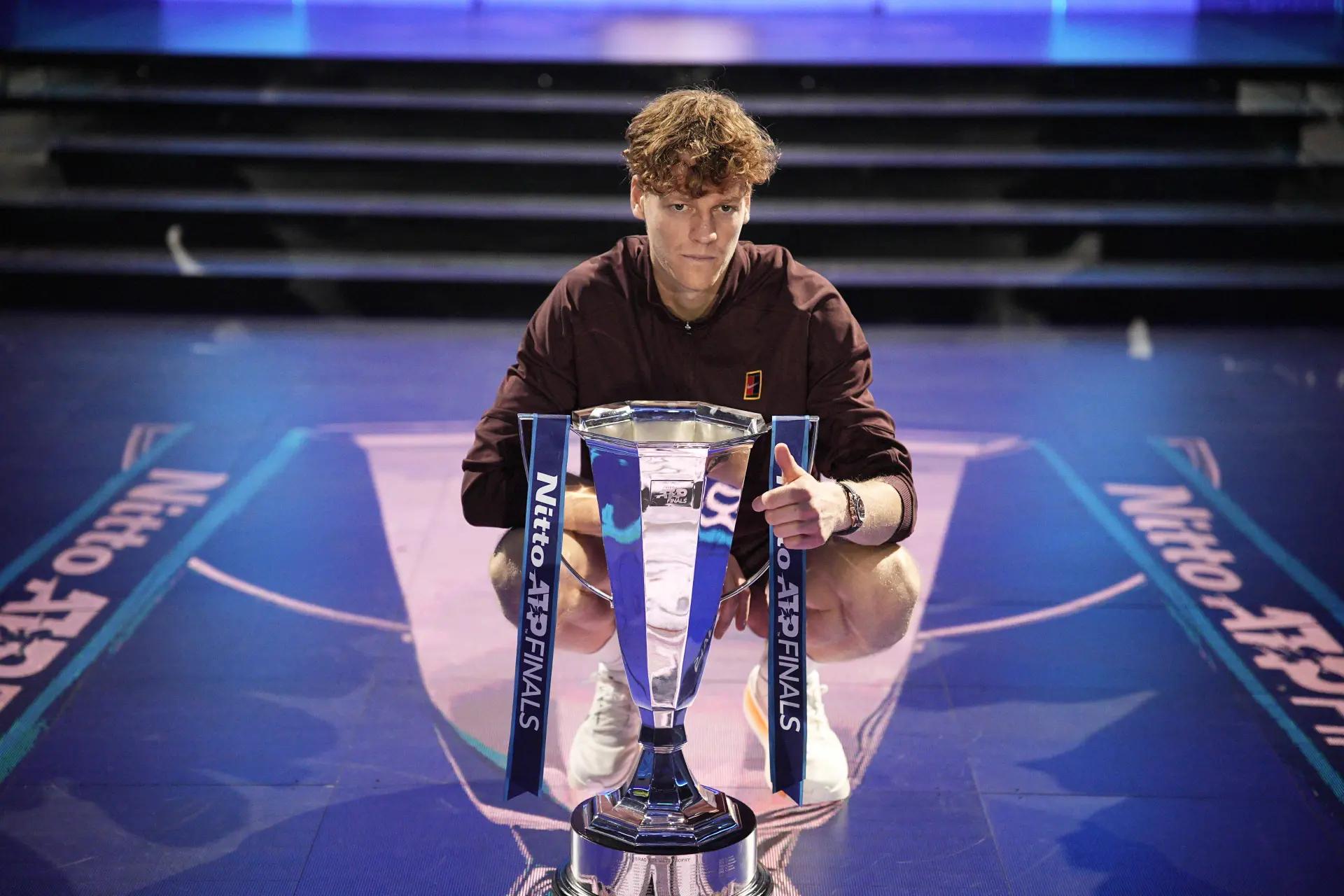
Rune did not shy away from describing the toll that extended Masters tournaments take on players, particularly those who regularly advance to the later rounds. “It’s physically more demanding, but also mentally – it’s tough! You’re at a tournament for up to 20 days and it feels like almost a full month. You’re at a tournament before you’re on to the next one,” Rune explained.
He contrasted the current model with the one-week Masters events he previously enjoyed, highlighting how efficiently they fit into the calendar. “I personally loved the one-week Masters event, like Monaco or Paris. You get there, play Tuesday, Wednesday, Thursday, Friday, Saturday, Sunday, and onto the next. If you wanted to skip one week and rest, you could go home and then be ready for the next one.”
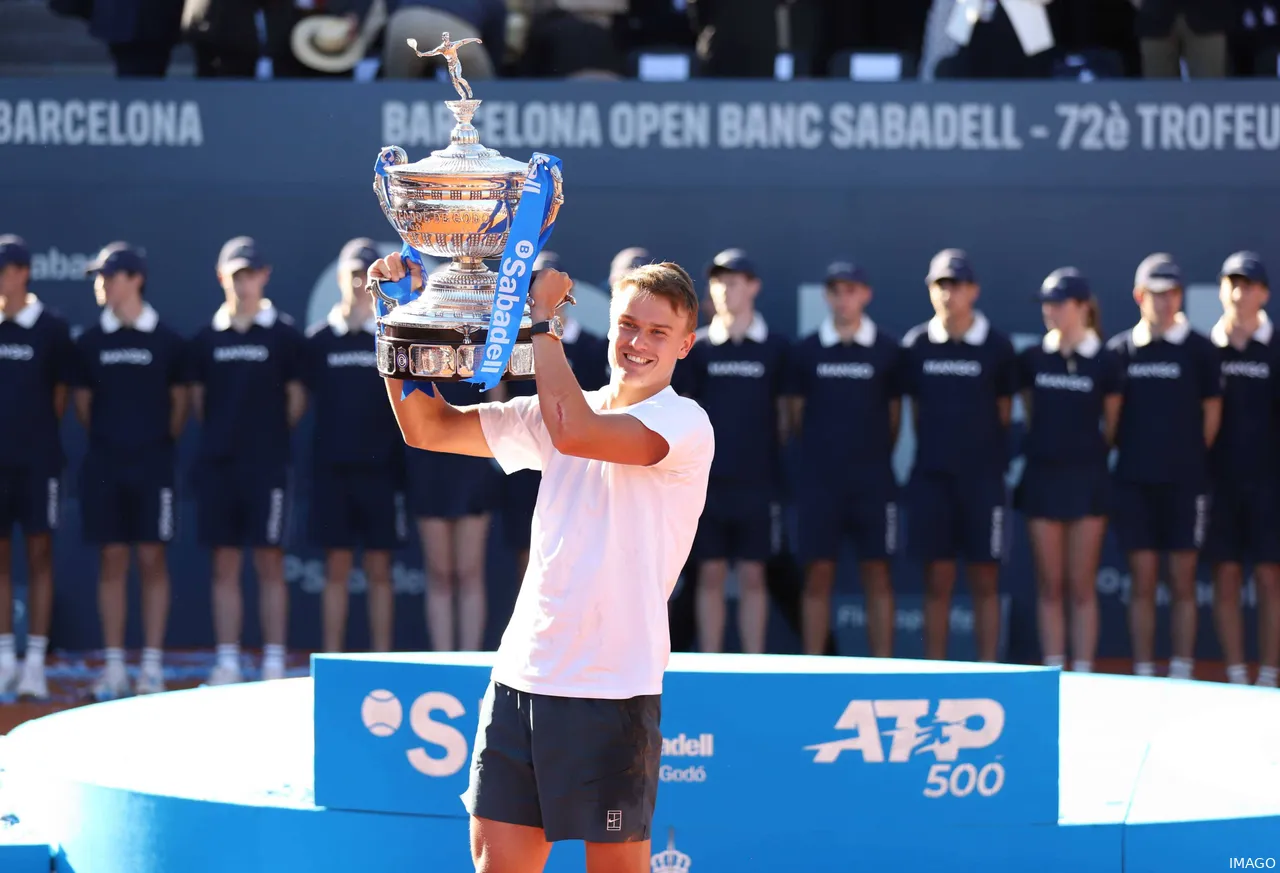
That flexibility, Rune believes, was crucial for both physical recovery and competitive growth. “If you felt you played bad and wanted more matches, you could play a 250 the week after and adjust what didn’t work the week before.”
While Rune understands the reasoning behind the expansion, he feels the ATP has overlooked a specific group. “I understand why they are now two weeks, and I see the financial benefits for everyone and the benefits for the lower-ranked players. We just forget the 32–48 players at the top of the ranking. For us it’s not optimal.”
Still, Rune expressed confidence that adjustments will eventually come. “I am sure the ATP will adjust this as they too have an interest in the top players being fresh.”
“We really want to show our best tennis to the fans”
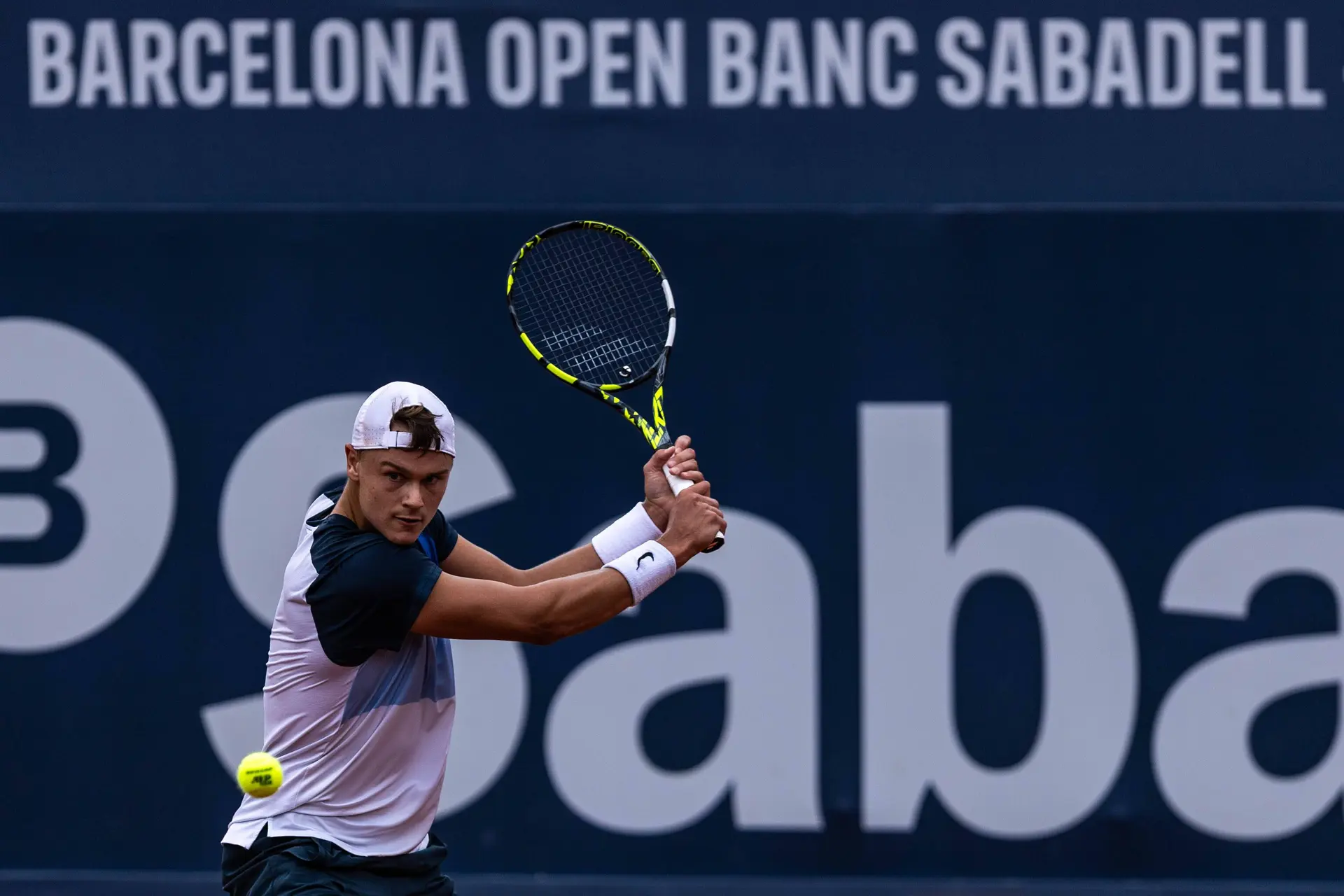
Rune reiterated that his concerns are not about resisting change, but about protecting the quality of the sport. He was clear that fatigue benefits no one. “We don’t want to come and see tired players or injuries occurring in matches because of fatigue. So, it’s a balance. I think there needs to be some acceptance of players needing rest.”
He suggested that relatively small changes could already make a significant difference. “We really want to show our best tennis to the fans, and I think we can do this with small adjustments in the planning of scheduling seeded players in Masters 1000 for week two. This way I think we would not hear players talking about too many mandatory tournaments.”
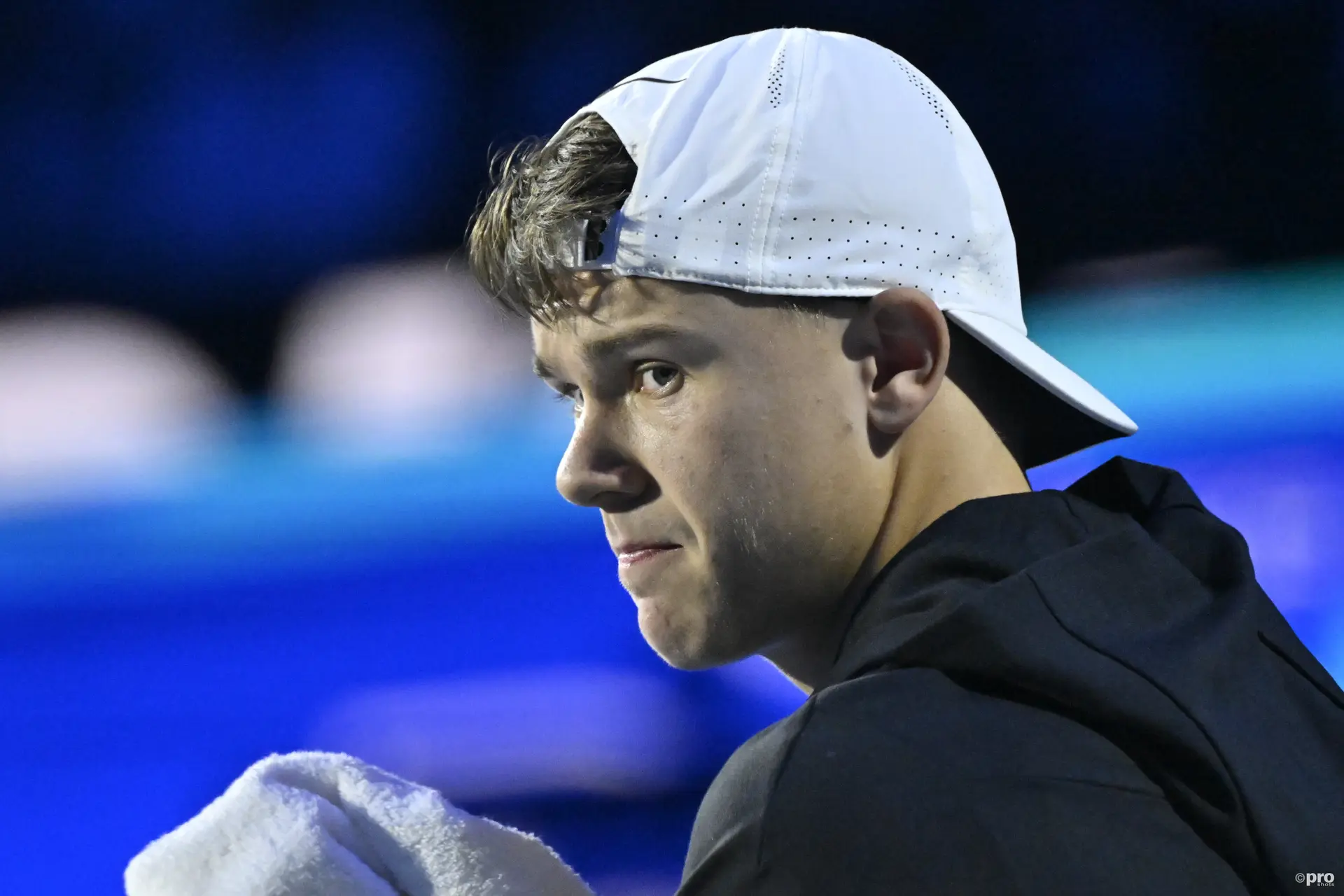
Rune also pointed to the financial structure of tennis as a key reason why health must remain central. “It’s not like football or basketball where you get a yearly salary no matter what. We only earn money when we play. This is why I think both ATP and the players have an interest in small adjustments, so we keep as many players as possible fresh and healthy.”
On a personal level, Rune provided an encouraging update on his Achilles recovery, stressing patience over timelines. “Honestly, it feels really good. First of all, the most important is when is my Achilles ready? And then second of all, is when am I ready as a tennis player? That’s why I’m not going to put a date when I’m going to be back.”
He detailed his current progress while crediting his medical team. “We are in phase three, which is walking with normal shoes. The next step would be learning to jump again and then running after that. My surgeon said it’s going really, really well. I’m setting new standards for Achilles rupture recovery in a way — not because I’m rushing anything, but because I’m following what the specialists are telling me and putting a big effort into it.”

Cristhián AvilaTennis Journalist
Cristhián Ávila is a tennis journalist based in Santiago, Chile, and has been part of the TennisUpToDate team since early 2023. He covers the ATP and WTA Tours as well as all four Grand Slams, producing breaking news, match reports, analysis, and regular liveblogs from major tournaments.
His reporting combines statistical analysis with clear explanation, helping readers understand tactical developments, player form, and broader storylines across the tour. Working fluently in both Spanish and English, Cristhián collaborates with an international editorial team and contributes to comprehensive global coverage. As part of his work, he has conducted interviews and media interactions with leading figures in the sport, including Caroline Wozniacki and John McEnroe.
In his journalism, Cristhián places strong emphasis on careful sourcing, editorial accuracy, and updating articles promptly when new, verified information becomes available. His coverage is grounded in research, context, and direct engagement with professional tennis.
claps 0visitors 0
Just In

Popular News
Latest Comments
- A healthy Qinwen may be hard to stop next season. She was already scaring her opponents before her medical leave(s). Unfortunately, Zheng insisted on singing again. On the positive side -- Mirra did not sing!! ;~}
 mandoist11-10-2026
 - Where is it written that athletes, entertainers... People in general... are mandated to keep looking at -- or even using [anti]Social Media? Public & private figures consistently complain and reveal their concerns about negativity and violence thrown at them -- yet they insist on participating. Avoid it, don't use it, don't read it. It's okay to occasionally look up at the World instead beating your eyes & thumbs to death on The Inventions out there.mandoist11-10-2026
- great articlestennisseserver07-10-2026
- Medvedev was leading Djokovic 7-5, 3-5 when an attempted return..' NO you ignorants, Djokovic was leading .weiss05-10-2026
- No more bullshit "Wildcards" to these two. Qualify like everyone else -- there will be cameras there, too. Time to scream... WTF ????!!!!mandoist29-09-2026
- Let's not BS the general public -- Sabalenka started showing cracks in her game last season. Her losses and near-losses started at about the same time she began being distracted by Fame (constant Selfies, making TV commercials, magazine shoots, endless Social Media nonsense, etc., etc.) One would think even Saba could recognize the parallels with others who failed before her -- Raducanu, Giorgi, Bouchard to name a few.mandoist25-09-2026
- Gross!! Hey Raducanu, Giorgi, and Bouchard -- reserve a seat at your Social Media Selfie table for Saba + Naomi. They're heading in your direction soon enough.mandoist24-09-2026
- And then these same players will complain about how lengthy their season’s were and need more time-off. I’m all for more tennis but the amount of tennis we get now is actually kind of crazy! We all need a break, especially the players.DaveyWavey23-09-2026
- You should do a comparison article for "different kinds of justice" the courts decide for tennis players. I can think of at least three players who received very small bans of a few months, however Tara Moore has been fighting for her literal survival the past few years. It seems odd considering she is not a "name" player, unlike the other cases.DaveyWavey22-09-2026
- PRIZE MONEY & POINTS Winner - $185,500 Finalist - $114,500 Semi-Finalist - $66,003 Quarter-Finalist - $35,000 Round of 16 - $18,045 Round of 32 - $13,005 Winner - 500 Finalist - 325 Semi-Finalist - 195 Quarter-Finalist - 108 Round of 16 - 60 Round of 32 - 1DaveyWavey20-09-2026

Loading