Match-fixing ban extended to three years after appeal as tennis corruption case takes new turn
ATPThursday, 16 July 2026 at 02:30
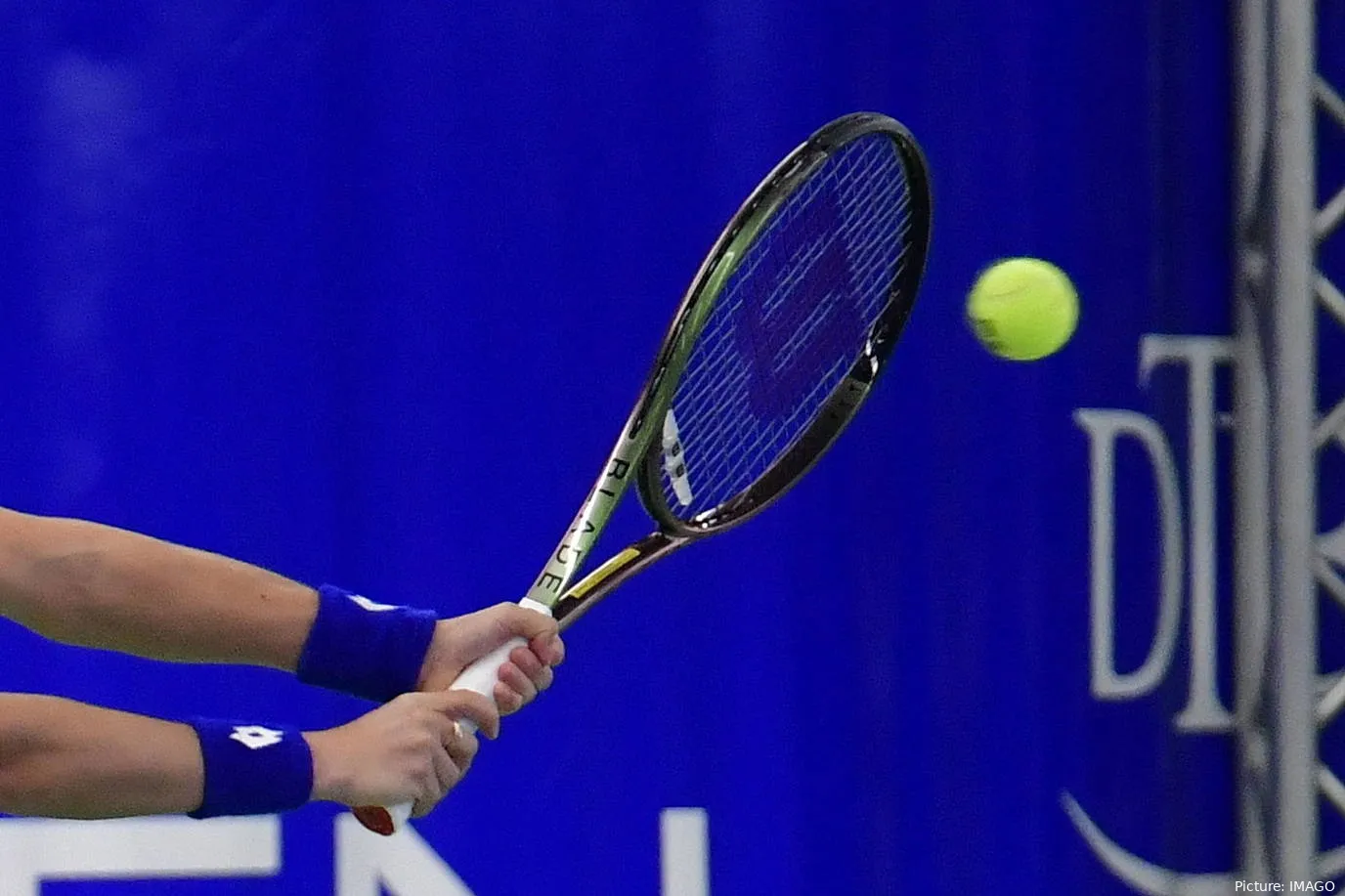
French tennis player Samuel Bensoussan has seen his suspension from the sport extended to three years after the Court of Arbitration for Sport (CAS) reviewed his match-fixing case. The International Tennis Integrity Agency (ITIA) confirmed the updated sanction on Wednesday, following appeals from both the player and the integrity body.
The 34-year-old player was initially handed a one-year and 11-month ban after being found involved in fixing singles and doubles matches at lower-level tournaments. The violations were linked to an organised crime syndicate based in Belgium that operated a wider match manipulation network within professional tennis.
The Frenchman, whose career-high ATP singles ranking was No. 405 in June 2018, appealed the original punishment and requested that the sanction be overturned. Meanwhile, the ITIA argued that the penalty should have been significantly stronger, seeking a suspension of six and a half years.
After reviewing the case, CAS decided to increase Bensoussan’s ban but stopped short of the maximum sanction requested by the ITIA. The three-person panel also ruled that he would not be required to repay the €1,000 that investigators alleged he received for fixing one of the matches in question.
Investigation exposed large-scale tennis corruption network
The CAS decision highlighted the wider scope of the investigation, stating that authorities had uncovered a criminal organisation responsible for corrupting at least 181 players around the world and manipulating a minimum of 375 tennis matches.
The Belgian-based syndicate behind the operation had already been targeted in a criminal case, with its leader receiving a five-year prison sentence. Bensoussan’s case is part of a broader effort by tennis authorities to combat match manipulation, particularly at lower-tier professional events where players can be more vulnerable to outside pressure due to financial difficulties and limited resources.
The ITIA continues to investigate and prosecute integrity violations across all levels of professional tennis, with sanctions ranging from fines and suspensions to permanent bans depending on the severity of each offence. For Bensoussan, the revised three-year suspension represents a significant setback and keeps him away from competition for a longer period than originally determined.

Cristhián AvilaTennis Journalist
Cristhián Ávila is a tennis journalist based in Santiago, Chile, and has been part of the TennisUpToDate team since early 2023. He covers the ATP and WTA Tours as well as all four Grand Slams, producing breaking news, match reports, analysis, and regular liveblogs from major tournaments.
His reporting combines statistical analysis with clear explanation, helping readers understand tactical developments, player form, and broader storylines across the tour. Working fluently in both Spanish and English, Cristhián collaborates with an international editorial team and contributes to comprehensive global coverage. As part of his work, he has conducted interviews and media interactions with leading figures in the sport, including Caroline Wozniacki and John McEnroe.
In his journalism, Cristhián places strong emphasis on careful sourcing, editorial accuracy, and updating articles promptly when new, verified information becomes available. His coverage is grounded in research, context, and direct engagement with professional tennis.
claps 0visitors 0
Just In

Popular News
Latest Comments
- Well done to the author of this article!! A meltdown is what Coco experienced at the US Open the year she was chirping at her box, very near to tears, double faults were in great supply and she simply could not get a handle on that match. THAT AP is a meltdown!!Rapunzel12-07-2026
- This sensible approach helped Muchova... and look where she will find herself tomorrow (Wimbledon Final). Iga's wise to escape... especially to Nature and so. The wilderness (forests, lakes, mountains) has been my "Church" and escape from The Noise since I was a kid. She'll do well in the end.
 mandoist10-07-2026
 - "Like if it was hotter, I probably would have won, I'm not gonna lie." Geezus...mandoist08-07-2026
- This one has totally lost the plot. She is about to cross the racism line in her hatred for Russian people. NEWSFLASH DARLING -- Russian majority of citizens (and your ex-Colleagues whom you shamed) are not who you should be aiming at. Grow up.mandoist08-07-2026
- Why do all these "experts" feel the need to publicly "tell players" what they need to do, or what they're doing wrong?? How about this -- if you're so concerned with a player's situation actually take the time to contact the team in question and talk directly to them. Yapping in public media is rarely, if ever, helpful.mandoist07-07-2026
- Gee... preferential treatment all the way to the end? STOP IT WTA & WIMPLEDON !!! This entire WILLIAMS CHARADE is 100% unfair to young upcoming players who legitimately earned a shot at a Wildcard. The whole scenario with these freebies to The Williams' is pathetic and barely within the rules (which have been bent like a pretzel to accomodate them). The lamest excuse this time is "...she is a top draw". How does that apply to Wimbledon which is sold-out in advance? Stop enabling this abhorrent "Look at me" behavior. If they want to make believe they can compete -- LET THEM PLAY QUAILIFIERS LIKE EVERYONE ELSE.mandoist06-07-2026
- Is it not clear there is a mental issue here? I mean, her judgement is very suspect given her personal life 'experiences'.mandoist06-07-2026
- Are you kidding me with this soft "article"??? WTF?? Djerkovic should be DISQUALIFIED just as anyone else at WimPledon would have been for his behavior!! So what you should be writing about is how the stuffed shirts on Wimpledon's executive board and ATP can no longer hide, nor lie about, their FAVORITISM. We now have seen (and heard) that, as in politics and world of CEO's, "who" you are can afford Elitists the luxury of escaping the usual penalties according to their own bona fide rules/reg's. Not totally surprising coming from organizations which perform special rule-breaking stunts as giving the undeserving, unranked Williams' some young upcoming player's Wildcards. Neither Williams earned these WC's... let them enter via Qualifiers like anyone else!!!mandoist06-07-2026
- Real fans of the sport, that's who.mandoist06-07-2026
- I agree with Reilly, who cares about doubles reallySakkariFan2305-07-2026

Loading