“Maybe I can't play like I used to”: Daniil Medvedev reflects on the doubts that haunted him before his Almaty breakthrough
ATP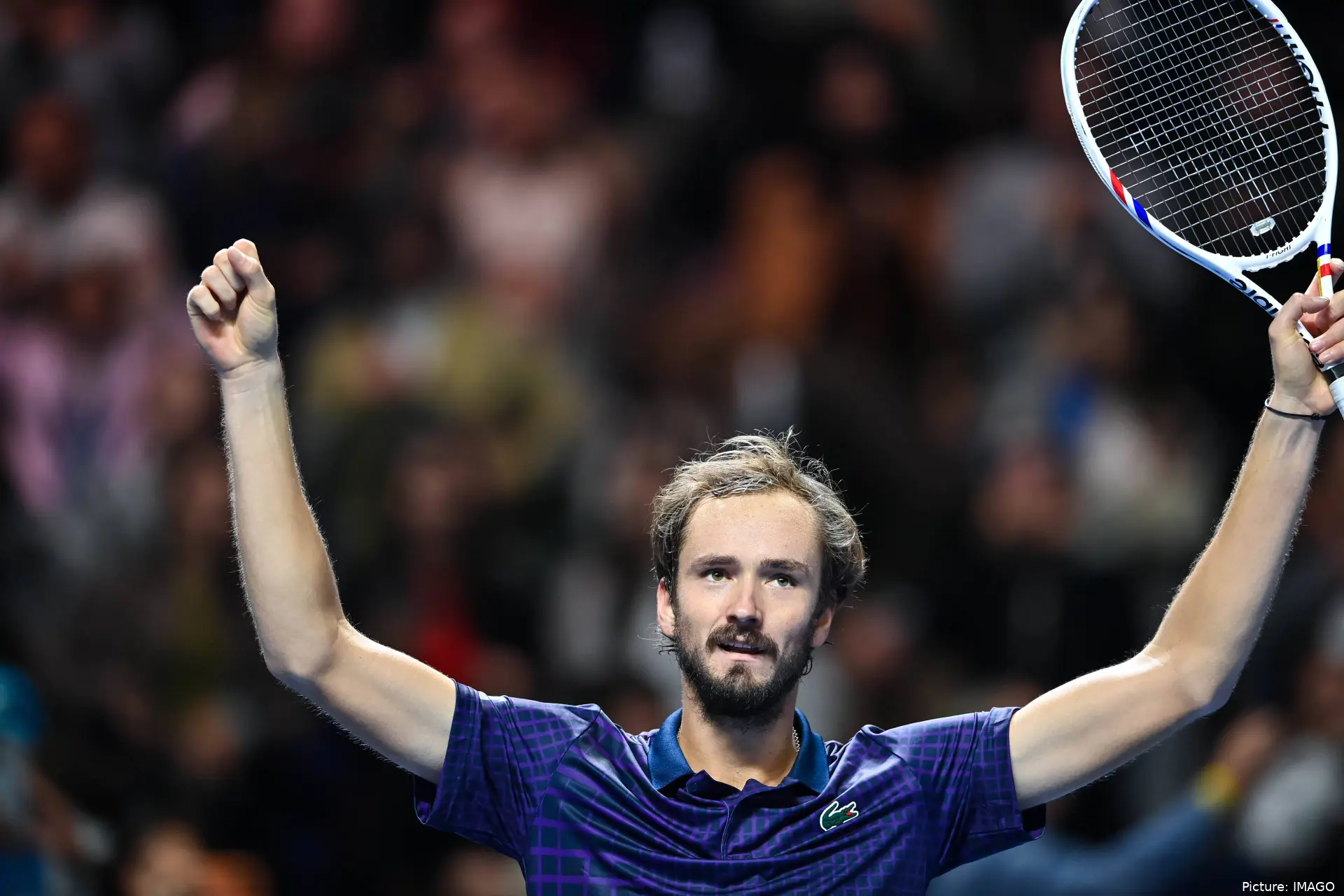
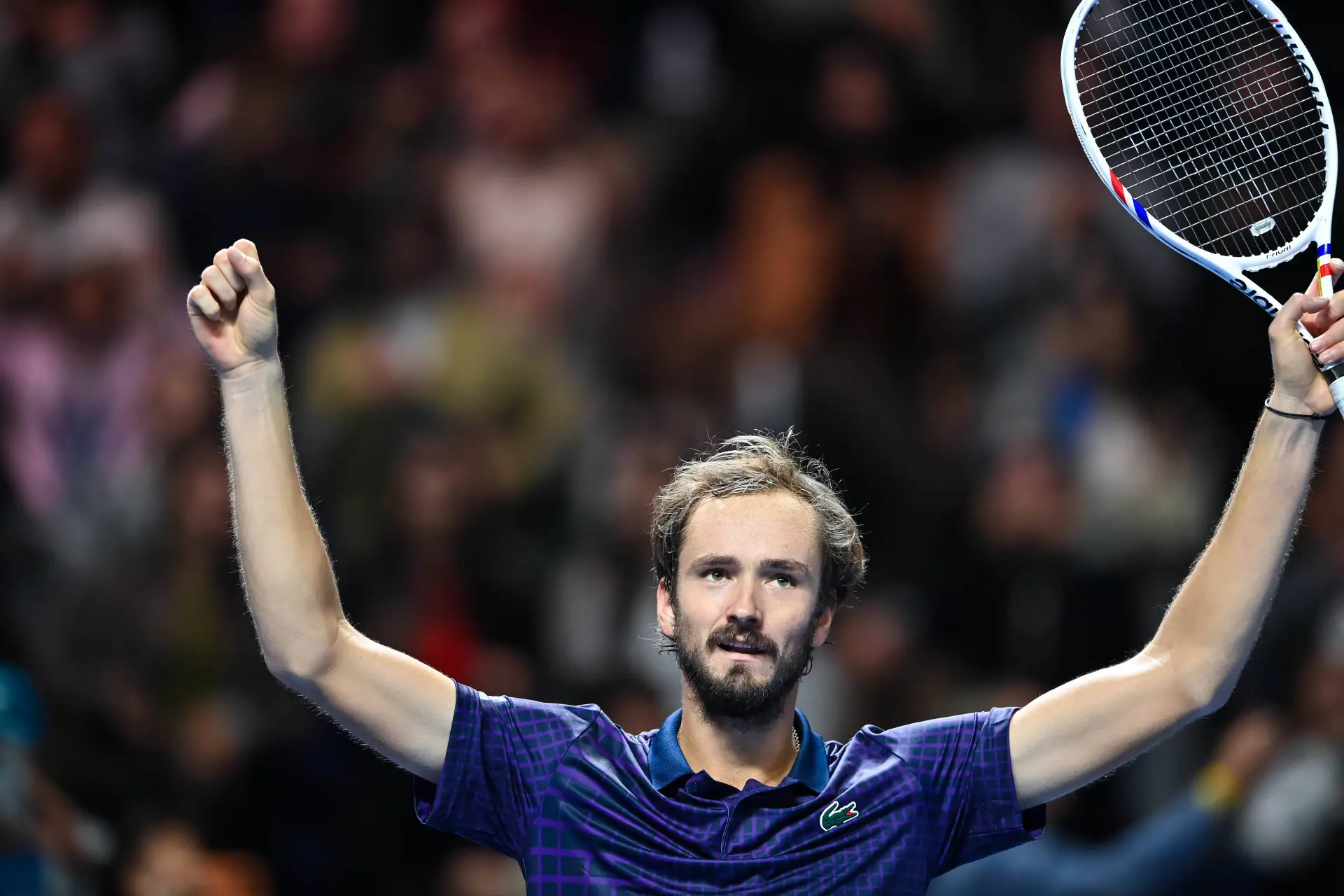
Daniil Medvedev has returned to the elite with a recent title in Almaty, but the journey has been fraught with self-doubt and an outburst of anger that forced a radical change. The former World No. 1 doesn't shy away from discussing his fears about aging, his new philosophy on risk, and the inevitable separation from his lifelong coach, Gilles Cervara.
The recent Asian Swing was, above all, a psychological battle. Medvedev confesses in an interview with Bolshe that doubts about his future had set in after the American swing. "There was a moment of fear [in the American swing], thinking: 'Maybe I can't play like I used to.' I'm 29, and there are examples of tennis players... who couldn't play the same way anymore. But in Monaco, I trained at a level where, probably, no one except Sinner or Alcaraz would have beaten me. That's when I said: 'Ah, okay, I still know how.'"
Medvedev is known for his analytical mind, even when it comes to risky plays. The Russian asserts that risk must always be justified, and it is often the only option against the elite. "Risk is risk, but in my head, it is justified by something. The more confidence you have, the more you risk. Hence the phrase: 'He who doesn't risk doesn't drink champagne.' It's true and not true, but if you have no confidence and you risk with everything you can, you'll still lose and feel worse."
The player explains this logic regarding his second serve, especially against aggressive returners: if you are going to lose the point with a soft second serve, it's better to risk a double fault in exchange for a possible ace.
The US Open Incident: "I had no inner core"
The most critical moment of his season was the match against Benjamin Bonzi, where he lost his composure. The Russian now explains the outburst stemmed from internal weakness. "I felt that my inner self, my 'inner core', was not there for that match. That's why everything happened. It helped me realize that 'Ok, I have to change something in myself and around me right now'."
He used the crowd to his advantage after the decision, but stressed he regrets the spectacle it created for his opponent. "I was not upset with the photographer. I was upset with the decision... I thought it was very unfair to him [Bonzi] to lose that match, and in a way, I’m glad I didn’t win it."
The fallout, which included a large fine, brought Medvedev's view on public perception into sharp focus. "I apologized to the people I felt I needed to apologize to. I don't think I need to apologize to the whole world... I prefer to be who I am on court, and be a good person in life, than the opposite."
He also compared the financial penalty to gambling: "You don't feel the money while you are playing," he noted, explaining that the ATP fine system is structured so players must pay out of their prize money.

Daniil Medvedev won the Almaty Open title after 29 months without trophies. During that time he lost 6 finals in-a-row.
The break with Cervara and the new structure
The decision to separate from Gilles Cervara after a decade of work was a conscious one made after the US Open, not an emotional outburst. "We talked. It was an excellent conversation between two adults who understand everything perfectly and are very happy about what they achieved together. I think we will always remain on great terms."
Following the separation, Medvedev put himself in the role of "boss of my own firm," calling potential candidates, including Thomas Johansson. The key for the new team is not to alter the essence of his game.
"My game is fine. I was World Number One with it, it's fine. There are just small details that we can correct or polish. This has not changed, and will not change my tennis life." Johansson will travel extensively, while Rohan [Goetzke] will provide an outside perspective. The focus is now on perfecting his net and volley game, ensuring that the movements are automatic and do not require conscious thought during crucial points.


Cristhián AvilaTennis Journalist
Cristhián Ávila is a tennis journalist based in Santiago, Chile, and has been part of the TennisUpToDate team since early 2023. He covers the ATP and WTA Tours as well as all four Grand Slams, producing breaking news, match reports, analysis, and regular liveblogs from major tournaments.
His reporting combines statistical analysis with clear explanation, helping readers understand tactical developments, player form, and broader storylines across the tour. Working fluently in both Spanish and English, Cristhián collaborates with an international editorial team and contributes to comprehensive global coverage. As part of his work, he has conducted interviews and media interactions with leading figures in the sport, including Caroline Wozniacki and John McEnroe.
In his journalism, Cristhián places strong emphasis on careful sourcing, editorial accuracy, and updating articles promptly when new, verified information becomes available. His coverage is grounded in research, context, and direct engagement with professional tennis.
claps 1visitors 1
Just In

Popular News
Latest Comments
- A healthy Qinwen may be hard to stop next season. She was already scaring her opponents before her medical leave(s). Unfortunately, Zheng insisted on singing again. On the positive side -- Mirra did not sing!! ;~}
 mandoist11-10-2026
 - Where is it written that athletes, entertainers... People in general... are mandated to keep looking at -- or even using [anti]Social Media? Public & private figures consistently complain and reveal their concerns about negativity and violence thrown at them -- yet they insist on participating. Avoid it, don't use it, don't read it. It's okay to occasionally look up at the World instead beating your eyes & thumbs to death on The Inventions out there.mandoist11-10-2026
- great articlestennisseserver07-10-2026
- Medvedev was leading Djokovic 7-5, 3-5 when an attempted return..' NO you ignorants, Djokovic was leading .weiss05-10-2026
- No more bullshit "Wildcards" to these two. Qualify like everyone else -- there will be cameras there, too. Time to scream... WTF ????!!!!mandoist29-09-2026
- Let's not BS the general public -- Sabalenka started showing cracks in her game last season. Her losses and near-losses started at about the same time she began being distracted by Fame (constant Selfies, making TV commercials, magazine shoots, endless Social Media nonsense, etc., etc.) One would think even Saba could recognize the parallels with others who failed before her -- Raducanu, Giorgi, Bouchard to name a few.mandoist25-09-2026
- Gross!! Hey Raducanu, Giorgi, and Bouchard -- reserve a seat at your Social Media Selfie table for Saba + Naomi. They're heading in your direction soon enough.mandoist24-09-2026
- And then these same players will complain about how lengthy their season’s were and need more time-off. I’m all for more tennis but the amount of tennis we get now is actually kind of crazy! We all need a break, especially the players.DaveyWavey23-09-2026
- You should do a comparison article for "different kinds of justice" the courts decide for tennis players. I can think of at least three players who received very small bans of a few months, however Tara Moore has been fighting for her literal survival the past few years. It seems odd considering she is not a "name" player, unlike the other cases.DaveyWavey22-09-2026
- PRIZE MONEY & POINTS Winner - $185,500 Finalist - $114,500 Semi-Finalist - $66,003 Quarter-Finalist - $35,000 Round of 16 - $18,045 Round of 32 - $13,005 Winner - 500 Finalist - 325 Semi-Finalist - 195 Quarter-Finalist - 108 Round of 16 - 60 Round of 32 - 1DaveyWavey20-09-2026

Loading