“The boss can’t be a machine”: Nicolas Jarry slams electronic line-calling after Chile Open defeat
ATP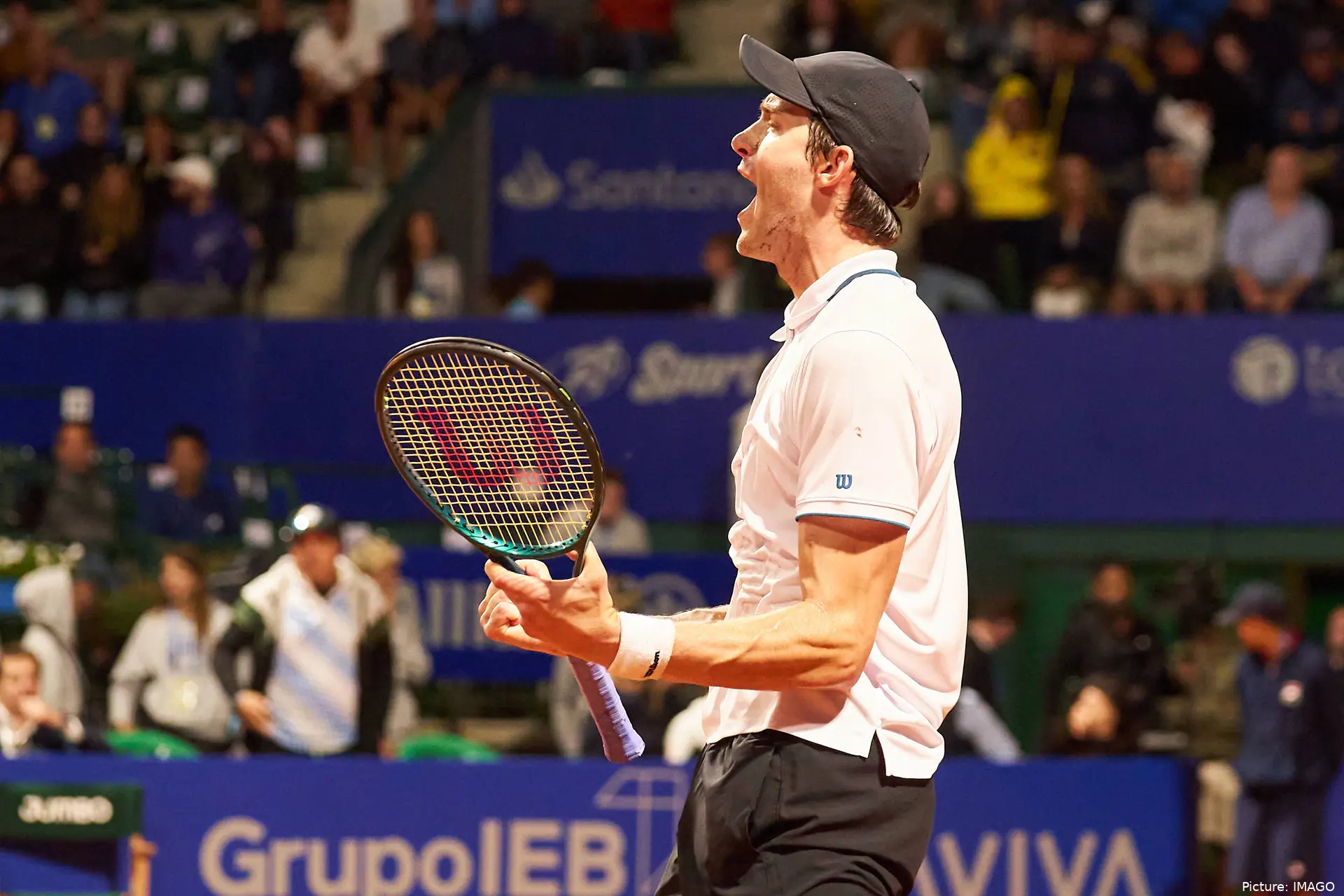
Nicolas Jarry’s difficult season continued at the Chile Open, where the world No. 155 fell in the first round to Croatia’s Dino Prizmic (No. 120) after more than two and a half hours of play. His 6–3, 5–7, 6–2 defeat marked another setback for the Chilean, who has now gone nine consecutive matches without a win. He has not recorded a victory since reaching the Wimbledon quarterfinals last summer.
Playing in Santiago with strong local support, Jarry showed competitive stretches but struggled to sustain momentum against the 20-year-old. The match was tight through two sets, with long rallies and physical exchanges, yet critical moments again went against the former world No. 16. The loss deepens a run that has seen his ranking drop significantly over recent months.
The tension peaked late in the match on the penultimate point, with Prizmic serving at 5–2 in the deciding set. Jarry disputed an electronic line call that ruled a ball out, insisting the shot had clipped the line. As the match was drawing to a close, he voiced his frustration on court: “The ball touched the line and the system called it out. As simple as that.” The automated system upheld the decision, leaving no room for further review under current regulations.
Jarry’s frustration continued immediately after the final point. After greeting Prizmic at the net and before shaking hands with the chair umpire, he complained with irony: “Let’s make machines more important than humans, right? Congrats!” As he left the court, he took out his phone and photographed the mark in question, a gesture that recalled Alexander Zverev’s public criticism of electronic line-calling at the Madrid Masters last year.

“The boss can’t be a machine”
In his post-match press conference, Jarry directed his criticism at the ATP and the margin of error associated with electronic line-calling. He argued that the system had made a decisive mistake at a crucial moment, repeating his view that the ball had landed in. “The ball touched the line and the system called it out,” he said, maintaining that the technology had failed him.
Jarry broadened his comments to reflect what he described as a wider concern among players. He stated that he was not alone in questioning the system’s reliability, adding that “there are many” who have voiced similar doubts. His frustration centred on what he perceives as a lack of human oversight in key decisions.
“The ball touched the line and the system called it out. It’s not just me, there are many players who criticise Hawk-Eye," the 30-year-old Chilean said. "I don’t understand why the ATP wants a machine to be above human beings. It doesn’t make sense to me that the boss is a machine, it’s ridiculous.”
The remarks underline an ongoing debate within professional tennis regarding the balance between technology and officiating. While electronic systems have largely replaced line judges at many ATP events, including in Santiago, some players continue to question the transparency and tolerance margins built into the software.
Losing streak deepens in home tournament
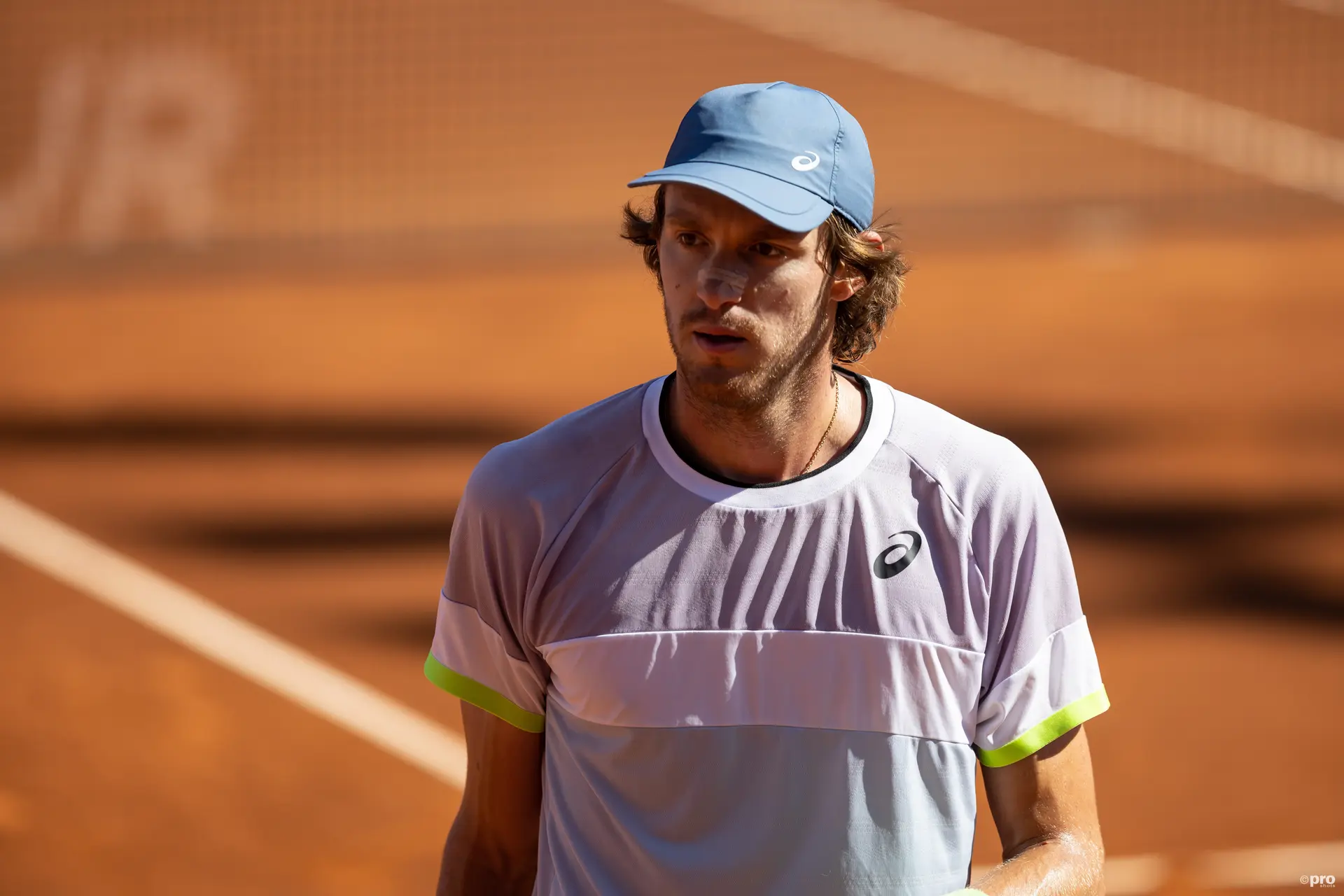
The controversy unfolded in a tournament with personal significance for Jarry. The Chile Open is organised by his aunt, Catalina Fillol, adding a layer of visibility to his first-round defeat. However, tournament organisers have limited authority over the implementation of electronic line-calling, which follows ATP guidelines across the tour.
Jarry’s current run now stands at nine consecutive defeats, stretching back to last summer. Since his quarterfinal appearance at Wimbledon, results have not followed. Injuries, form fluctuations and difficult draws have combined to halt the progress that once placed him inside the top 20. The loss to Prizmic extends a slide that has been both competitive and psychological.
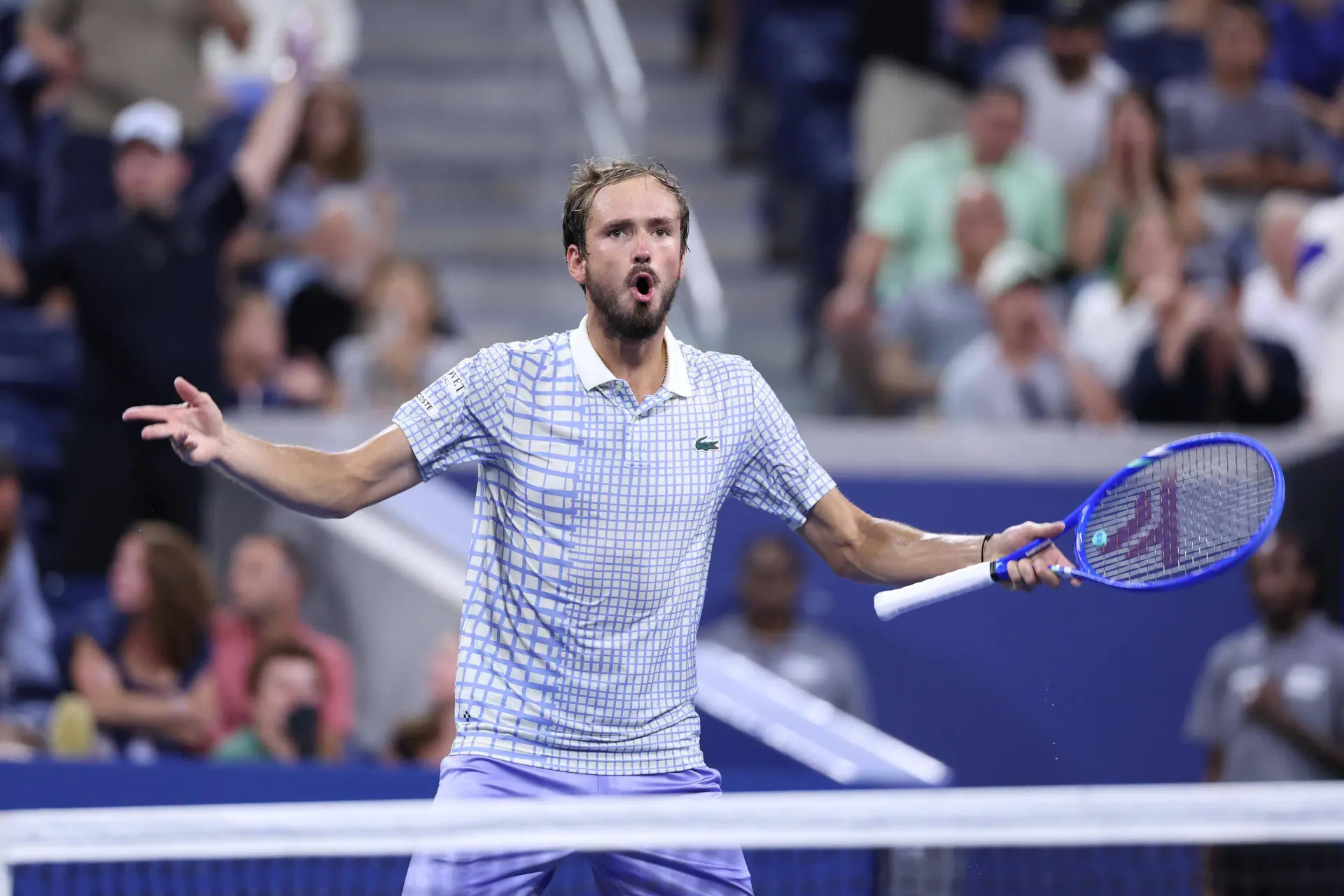
Despite the support from the Santiago crowd, Jarry was unable to convert key opportunities. The match featured narrow margins, but once again the closing stages slipped away. “I don’t understand why the ATP wants a machine to be above human beings,” said the former world No. 16. “It doesn’t make sense to me that the boss is a machine, it’s ridiculous.”
Jarry now turns his focus to Challenger events after failing to qualify for the Sunshine Double at Indian Wells and the Miami Open. He will look to rebuild confidence when he competes in the qualifying draw of the Challenger in Punta Cana in two weeks, attempting to reset both his form and his trajectory.

Cristhián AvilaTennis Journalist
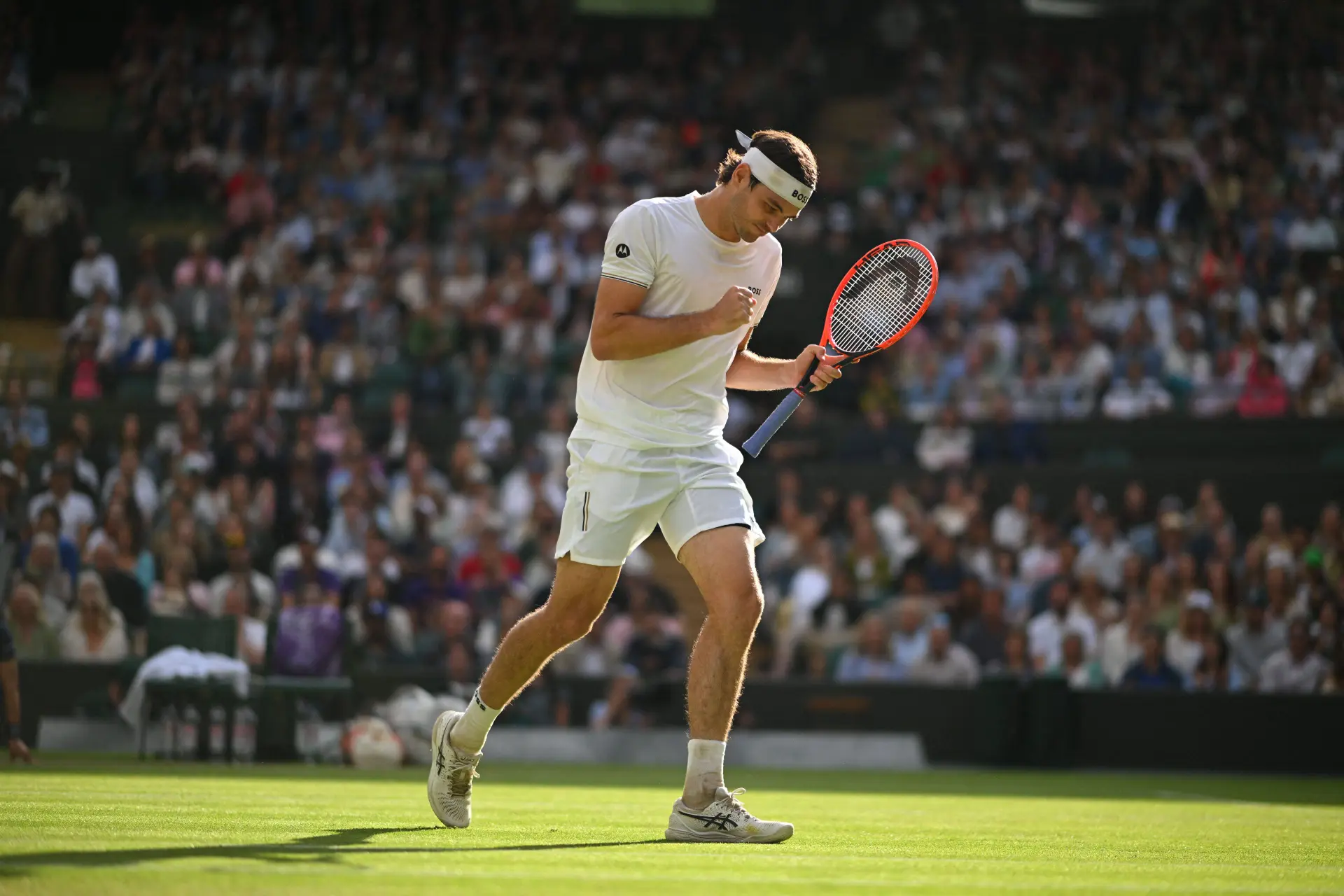
Cristhián Ávila is a tennis journalist based in Santiago, Chile, and has been part of the TennisUpToDate team since early 2023. He covers the ATP and WTA Tours as well as all four Grand Slams, producing breaking news, match reports, analysis, and regular liveblogs from major tournaments.
His reporting combines statistical analysis with clear explanation, helping readers understand tactical developments, player form, and broader storylines across the tour. Working fluently in both Spanish and English, Cristhián collaborates with an international editorial team and contributes to comprehensive global coverage. As part of his work, he has conducted interviews and media interactions with leading figures in the sport, including Caroline Wozniacki and John McEnroe.
In his journalism, Cristhián places strong emphasis on careful sourcing, editorial accuracy, and updating articles promptly when new, verified information becomes available. His coverage is grounded in research, context, and direct engagement with professional tennis.
claps 0visitors 0
Just In

Popular News
Latest Comments
- A healthy Qinwen may be hard to stop next season. She was already scaring her opponents before her medical leave(s). Unfortunately, Zheng insisted on singing again. On the positive side -- Mirra did not sing!! ;~}
 mandoist11-10-2026
 - Where is it written that athletes, entertainers... People in general... are mandated to keep looking at -- or even using [anti]Social Media? Public & private figures consistently complain and reveal their concerns about negativity and violence thrown at them -- yet they insist on participating. Avoid it, don't use it, don't read it. It's okay to occasionally look up at the World instead beating your eyes & thumbs to death on The Inventions out there.mandoist11-10-2026
- great articlestennisseserver07-10-2026
- Medvedev was leading Djokovic 7-5, 3-5 when an attempted return..' NO you ignorants, Djokovic was leading .weiss05-10-2026
- No more bullshit "Wildcards" to these two. Qualify like everyone else -- there will be cameras there, too. Time to scream... WTF ????!!!!mandoist29-09-2026
- Let's not BS the general public -- Sabalenka started showing cracks in her game last season. Her losses and near-losses started at about the same time she began being distracted by Fame (constant Selfies, making TV commercials, magazine shoots, endless Social Media nonsense, etc., etc.) One would think even Saba could recognize the parallels with others who failed before her -- Raducanu, Giorgi, Bouchard to name a few.mandoist25-09-2026
- Gross!! Hey Raducanu, Giorgi, and Bouchard -- reserve a seat at your Social Media Selfie table for Saba + Naomi. They're heading in your direction soon enough.mandoist24-09-2026
- And then these same players will complain about how lengthy their season’s were and need more time-off. I’m all for more tennis but the amount of tennis we get now is actually kind of crazy! We all need a break, especially the players.DaveyWavey23-09-2026
- You should do a comparison article for "different kinds of justice" the courts decide for tennis players. I can think of at least three players who received very small bans of a few months, however Tara Moore has been fighting for her literal survival the past few years. It seems odd considering she is not a "name" player, unlike the other cases.DaveyWavey22-09-2026
- PRIZE MONEY & POINTS Winner - $185,500 Finalist - $114,500 Semi-Finalist - $66,003 Quarter-Finalist - $35,000 Round of 16 - $18,045 Round of 32 - $13,005 Winner - 500 Finalist - 325 Semi-Finalist - 195 Quarter-Finalist - 108 Round of 16 - 60 Round of 32 - 1DaveyWavey20-09-2026

Loading