Internationaux de Strasbourg Day Three Round-up | Emma Raducanu out in straight sets as Fernandez and Mboko progress
WTA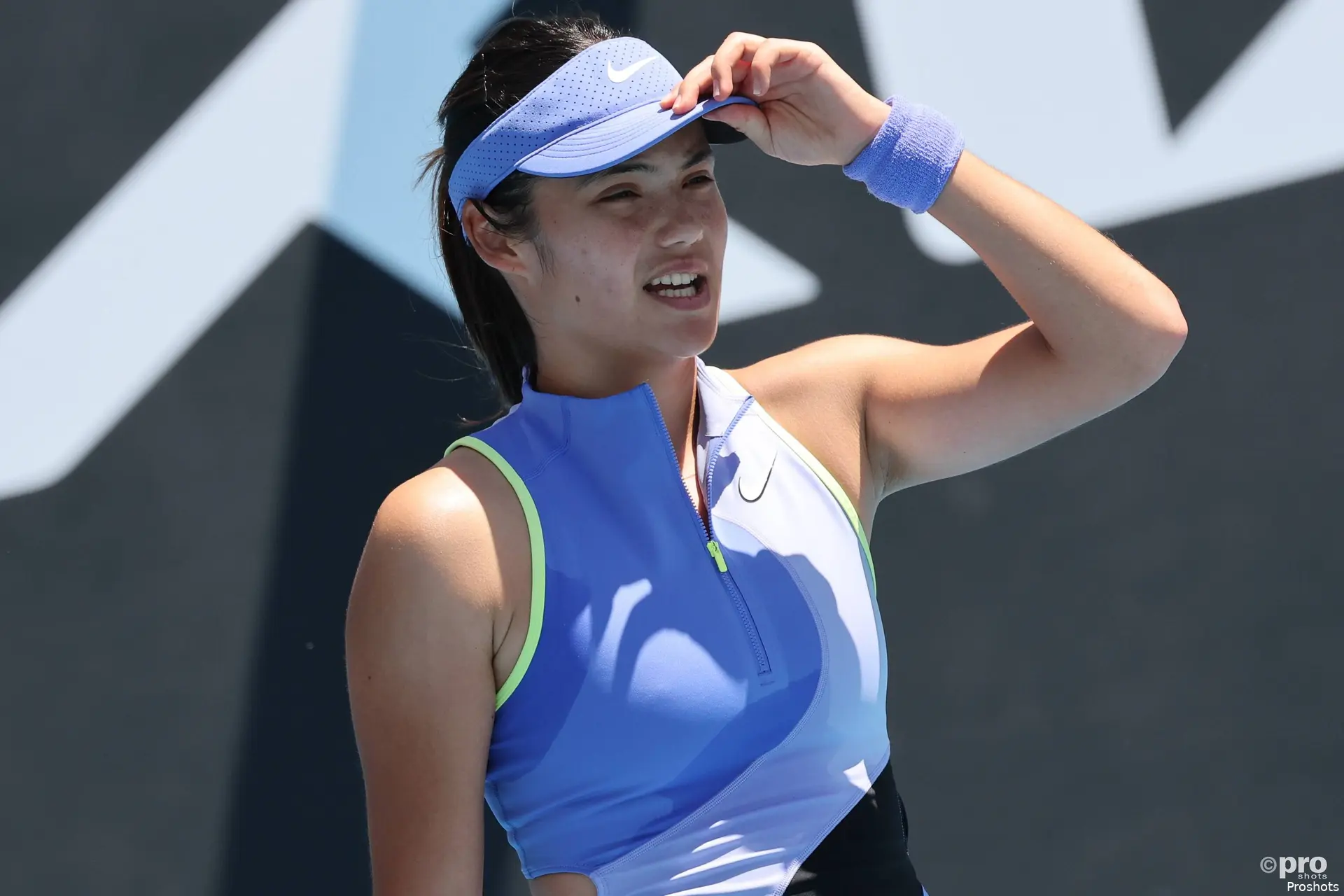
The Internationaux de Strasbourg Round of 16 delivered a structurally uneven day of results, with Emma Raducanu eliminated by Diane Parry in straight sets and Leylah Fernandez forced to work through a physically and tactically demanding three-set win over Magdalena Frech. The Strasbourg Round of 16 also featured a notable comeback from Ann Li, who overturned Ekaterina Alexandrova in a match defined by shifting serve efficiency.
Across the Strasbourg Round of 16 draw, Daria Kasatkina produced one of the most controlled performances of the day against Peyton Stearns, while Victoria Mboko maintained a stable baseline structure to defeat Lois Boisson. The combined outcomes significantly reduced seeded presence and redistributed draw balance heading into the quarter-final stage.
Raducanu eliminated by Parry in baseline-controlled contest
Diane Parry def. Emma Raducanu 6-4, 7-6
Raducanu and Parry opened with extended neutral exchanges, with neither player immediately able to generate separation on serve. The early phase was characterised by low first-strike frequency, as both players prioritised rally construction from the baseline rather than immediate aggression. Parry, however, gradually increased return depth, forcing Raducanu further behind the baseline and lengthening service games.
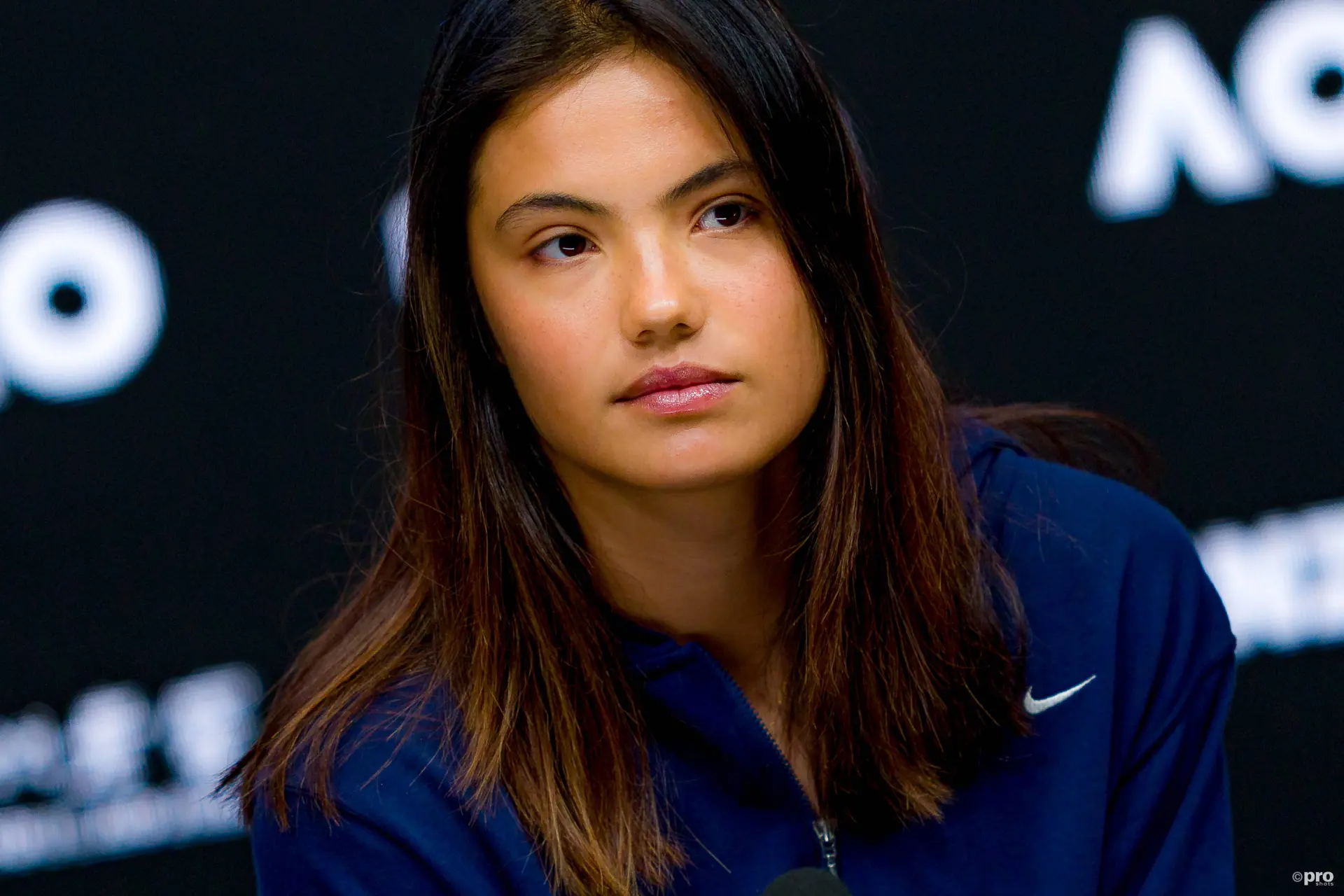
The decisive tactical adjustment came through Parry’s positioning on return, where she stepped closer to the baseline to take time away from Raducanu’s second serve. This reduced Raducanu’s ability to construct controlled service holds and created sustained scoreboard pressure. The shift did not produce a large number of winners, but instead increased forced errors in extended neutral rallies.
Raducanu’s second-serve point efficiency declined in key games, particularly under pressure situations where Parry consistently extended rallies beyond the fifth shot. That structural imbalance carried into the tie-break, where Parry’s return depth and consistency under neutral pressure proved decisive. Parry progresses in the Strasbourg Round of 16 after a match defined more by pattern disruption than outright aggression.

Emma Raducanu competing at the 2025 China Open
Kasatkina dismantles Stearns through return pressure control
Daria Kasatkina def. Peyton Stearns 6-1, 6-3
Kasatkina established immediate return dominance, positioning deep behind the baseline to neutralise Stearns’ first-serve patterns and extend baseline exchanges beyond initial strike phases. The opening set was shaped by Kasatkina’s ability to absorb pace and redirect depth into central court zones, preventing Stearns from accessing early winners.
The key shift in the second set was Kasatkina’s increased aggression on second-serve returns, stepping forward earlier in the rally to compress Stearns’ time on the ball. This forced Stearns into more defensive service games, reducing her ability to build momentum through hold sequences. Kasatkina’s rally tolerance remained consistent, allowing her to convert neutral situations into extended pressure cycles.
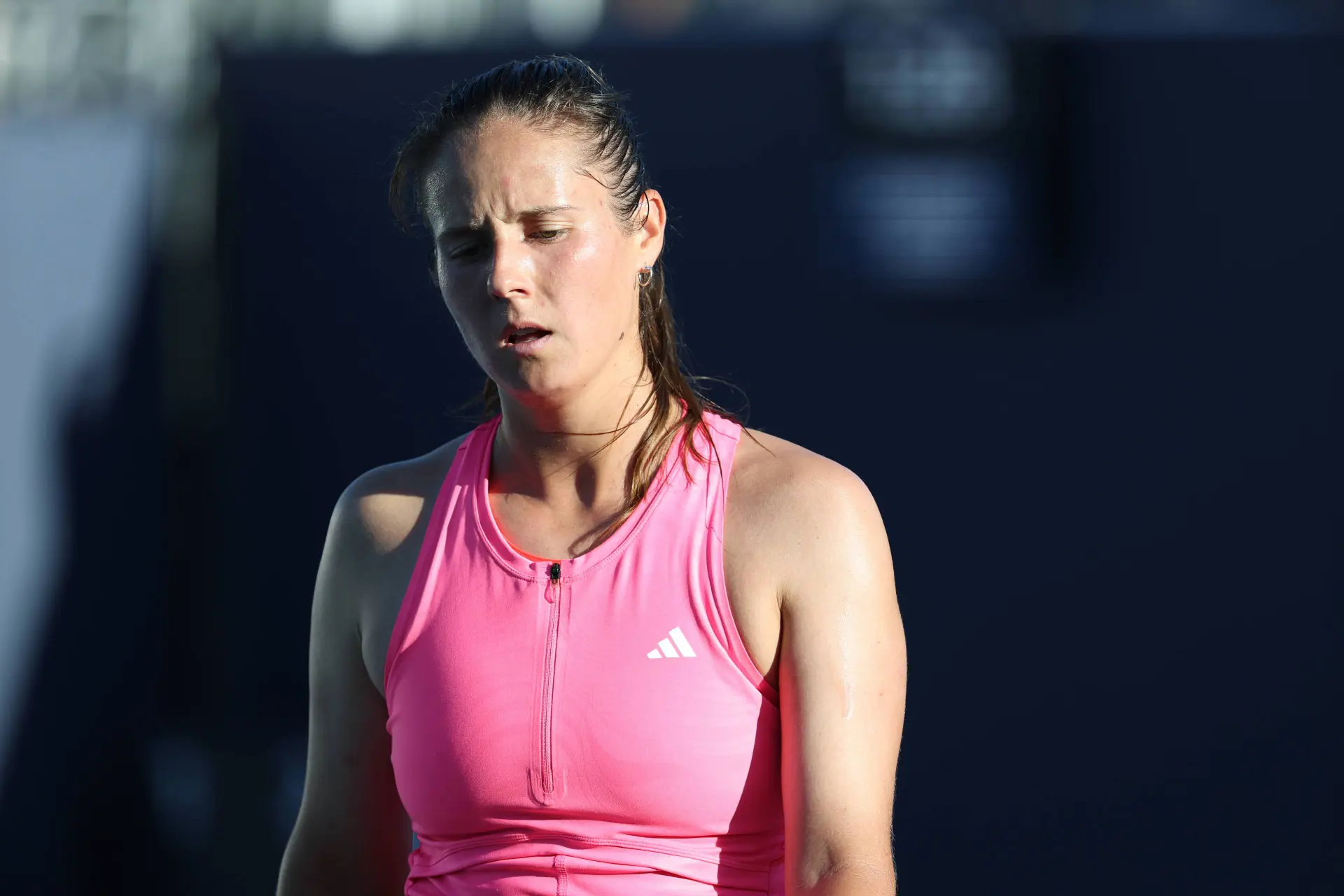
Statistically, Kasatkina’s high first-return quality and strong break conversion rate created continuous scoreboard separation. Stearns’ inability to generate free points on serve was the primary determinant of the result. Kasatkina moves through the Strasbourg Round of 16 with a structurally efficient performance that required minimal tactical adjustment once control was established.
Ann Li overturns Alexandrova through return recalibration
Ann Li def. Ekaterina Alexandrova 4-6, 6-4, 6-3
Alexandrova began the match with high first-serve effectiveness, using short point construction and serve-plus-one patterns to control early exchanges. Li was initially pushed into defensive court positions, particularly on second-serve returns where Alexandrova generated early scoreboard pressure through free points.
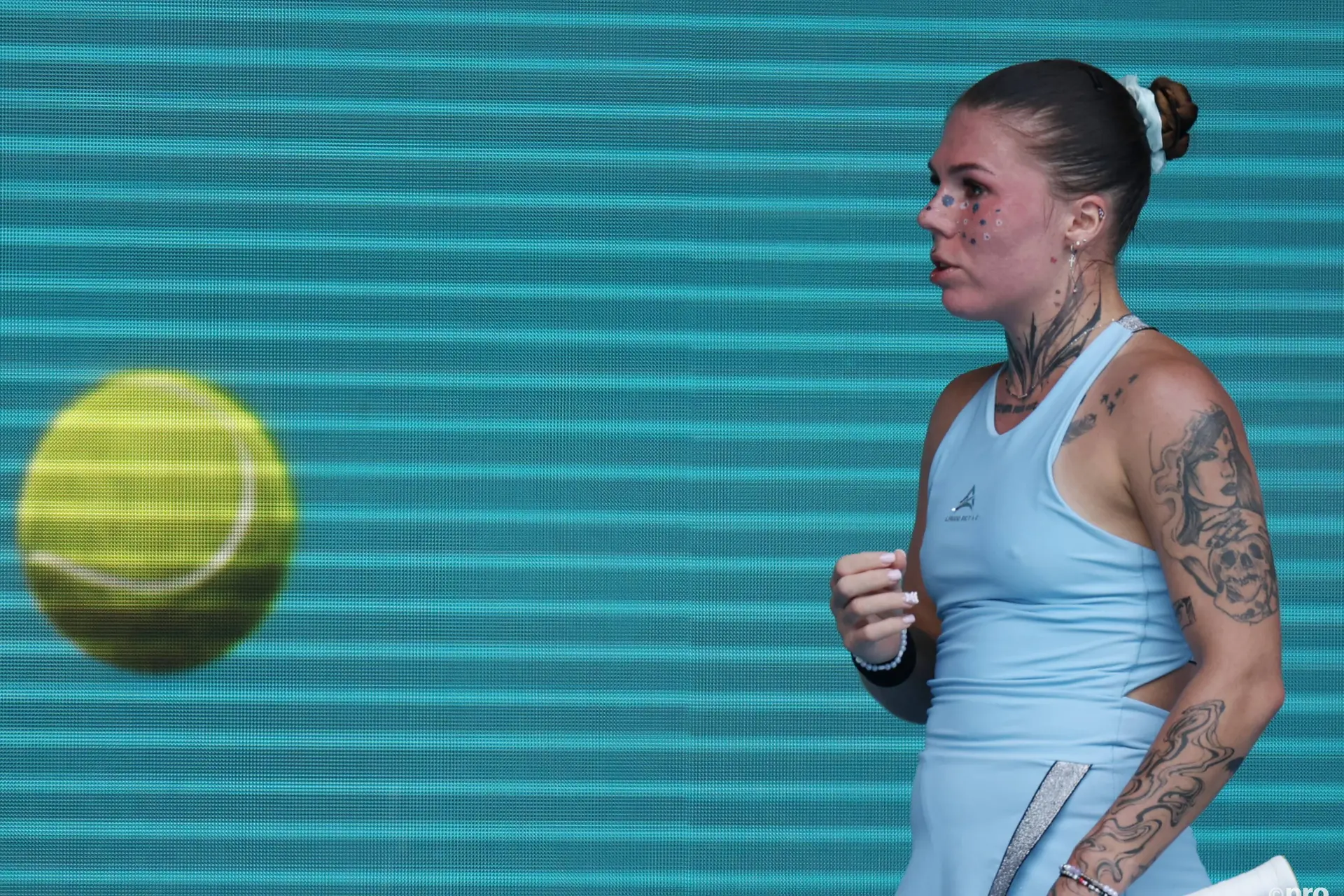
The turning point emerged when Li adjusted her return position, taking the ball earlier and increasing depth into Alexandrova’s backhand wing. This disrupted serve rhythm and extended rallies into neutral baseline exchanges, where Alexandrova’s first-strike advantage became less effective. The second set shifted decisively as Li improved return consistency in pressure games.
In the final set, Alexandrova’s first-serve percentage dropped, which amplified Li’s ability to apply return pressure across consecutive service games. The match increasingly moved away from serve dominance into baseline attrition, where Li’s consistency and reduced unforced error profile became decisive. She advances in the Strasbourg Round of 16 after reversing an early set deficit through sustained tactical adaptation.
Fernandez overcomes Frech in momentum-based three-set shift
Leylah Fernandez def. Magdalena Frech 4-6, 6-3, 6-4
Frech opened with a structured defensive baseline approach, extending rallies and targeting Fernandez’s second serve to limit first-strike opportunities. The opening set was shaped by Frech’s ability to neutralise aggression and force longer service holds under controlled rally conditions.
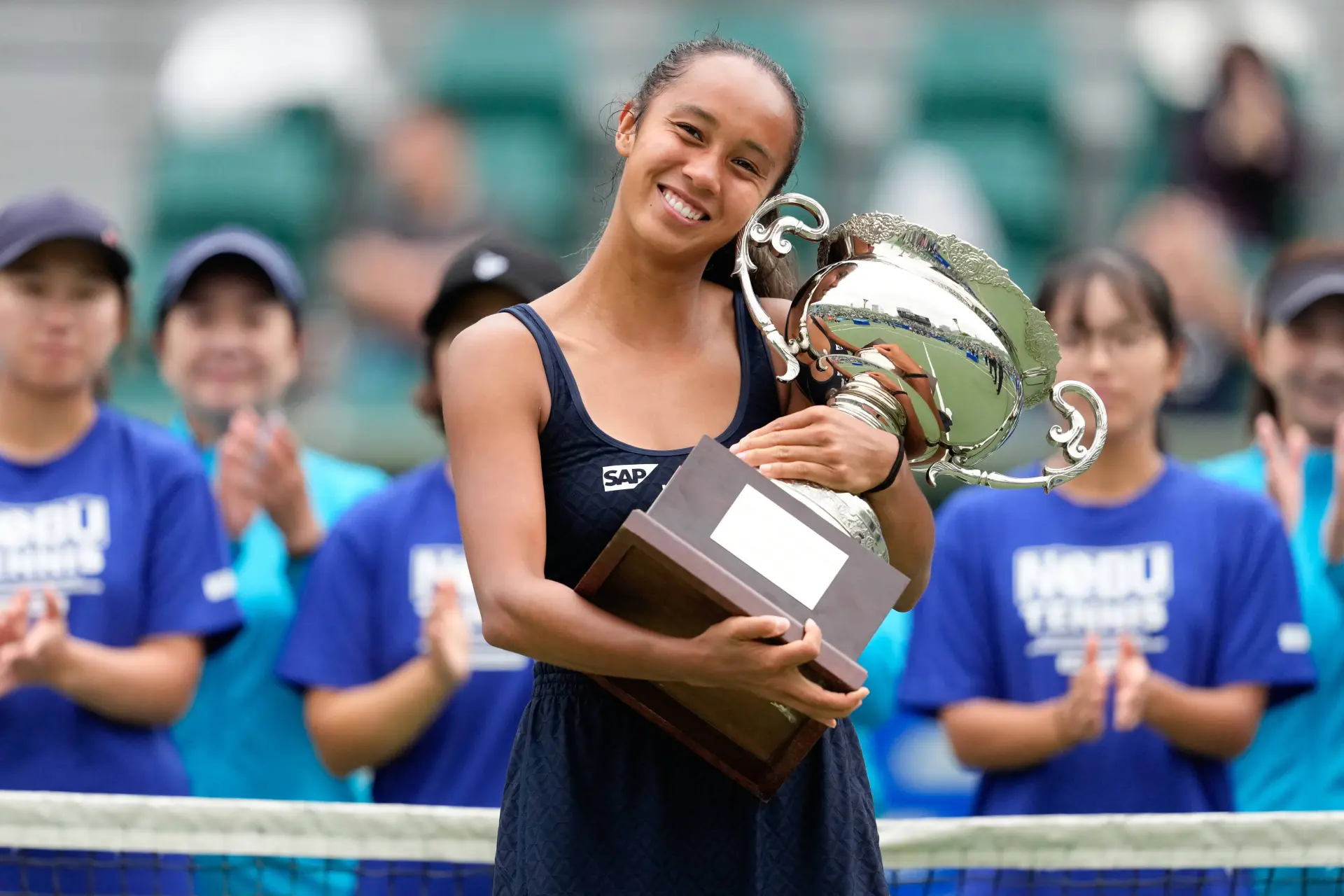
Fernandez’s adjustment came in the second set through earlier return positioning, particularly on second-serve returns where she reduced rally length and increased early neutral pressure. This altered the rhythm of Frech’s service games, creating more break-point exposure and shifting baseline control toward Fernandez.
In the deciding set, Fernandez improved first-serve stability in key games, particularly under pressure situations where extended rallies previously favoured Frech. The difference emerged in late-game efficiency, where Fernandez converted higher-value points in longer exchanges. She progresses through the Strasbourg Round of 16 after a match defined by gradual structural rebalancing rather than a single momentum swing.

Victoria Mboko maintains baseline structure against Boisson
Victoria Mboko def. Lois Boisson 6-4, 6-3
Mboko began by targeting Boisson’s second serve to establish early return pressure, generating the first separation in a tightly held opening phase. The match initially featured balanced service games, but Mboko’s deeper return position began to push Boisson into longer defensive sequences.
Read also
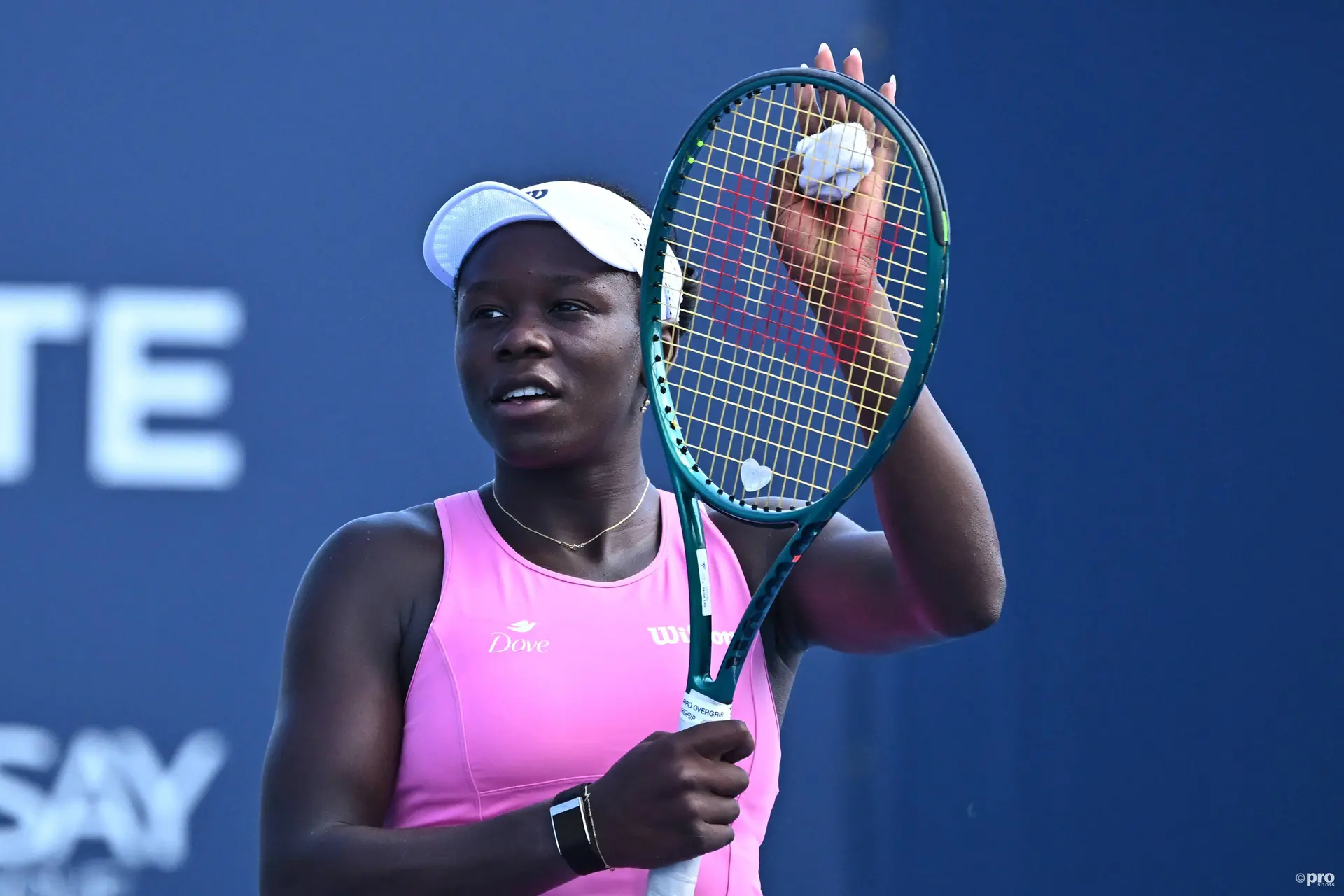
The key adjustment was Mboko’s improved first-serve placement, which reduced returnable second balls and stabilised her service games. This prevented Boisson from building sustained return pressure and limited her ability to shift momentum during neutral exchanges. The baseline pattern increasingly favoured Mboko’s consistency.
Statistically, Mboko’s lower error count in extended rallies and improved service hold efficiency were decisive factors. Boisson struggled to generate consistent break opportunities after the opening set. Mboko advances in the Strasbourg Round of 16 with controlled progression and minimal structural disruption.

Shuai Zhang completes comeback over Bucsa
Shuai Zhang def. Cristina Bucsa 2-6, 7-6, 7-5
Bucsa dominated the opening set through aggressive return positioning and sustained pressure on Zhang’s second serve, forcing extended defensive patterns and limiting serve construction. Early control came from return tempo rather than serve dominance.
Zhang responded by shortening rally length and increasing first-serve percentage, stabilising her service games and reducing Bucsa’s return impact in neutral exchanges. The second-set tie-break reflected this structural shift, as Zhang gained control of high-pressure points through serve reliability.
In the final set, Zhang’s improved execution in critical service games proved decisive, particularly in late-stage holds where Bucsa’s return pressure diminished. The match closed through marginal differences in serve efficiency under pressure, allowing Zhang to complete the comeback in the Strasbourg Round of 16.

Samuel GillEditor-in-Chief
Samuel Gill is the Chief Content Officer (CCO) of TennisUpToDate.com, a role he has held since 2020. He is responsible for editorial governance across the platform, including setting content standards, overseeing accuracy and consistency, and guiding long-term editorial strategy. Since joining, he has contributed more than 10,000 articles and editorial pieces across the TennisUpToDate network, playing a central role in the daily operation and development of the site.
Based in Leicester, Samuel has a broad background in tennis media. In his current role, he works closely with editors and writers to ensure coverage meets clear journalistic standards, with particular attention to verification, consistency, and timely updates when new information becomes available.
claps 0visitors 0
Just In

Popular News
Latest Comments
- A healthy Qinwen may be hard to stop next season. She was already scaring her opponents before her medical leave(s). Unfortunately, Zheng insisted on singing again. On the positive side -- Mirra did not sing!! ;~}
 mandoist11-10-2026
 - Where is it written that athletes, entertainers... People in general... are mandated to keep looking at -- or even using [anti]Social Media? Public & private figures consistently complain and reveal their concerns about negativity and violence thrown at them -- yet they insist on participating. Avoid it, don't use it, don't read it. It's okay to occasionally look up at the World instead beating your eyes & thumbs to death on The Inventions out there.mandoist11-10-2026
- great articlestennisseserver07-10-2026
- Medvedev was leading Djokovic 7-5, 3-5 when an attempted return..' NO you ignorants, Djokovic was leading .weiss05-10-2026
- No more bullshit "Wildcards" to these two. Qualify like everyone else -- there will be cameras there, too. Time to scream... WTF ????!!!!mandoist29-09-2026
- Let's not BS the general public -- Sabalenka started showing cracks in her game last season. Her losses and near-losses started at about the same time she began being distracted by Fame (constant Selfies, making TV commercials, magazine shoots, endless Social Media nonsense, etc., etc.) One would think even Saba could recognize the parallels with others who failed before her -- Raducanu, Giorgi, Bouchard to name a few.mandoist25-09-2026
- Gross!! Hey Raducanu, Giorgi, and Bouchard -- reserve a seat at your Social Media Selfie table for Saba + Naomi. They're heading in your direction soon enough.mandoist24-09-2026
- And then these same players will complain about how lengthy their season’s were and need more time-off. I’m all for more tennis but the amount of tennis we get now is actually kind of crazy! We all need a break, especially the players.DaveyWavey23-09-2026
- You should do a comparison article for "different kinds of justice" the courts decide for tennis players. I can think of at least three players who received very small bans of a few months, however Tara Moore has been fighting for her literal survival the past few years. It seems odd considering she is not a "name" player, unlike the other cases.DaveyWavey22-09-2026
- PRIZE MONEY & POINTS Winner - $185,500 Finalist - $114,500 Semi-Finalist - $66,003 Quarter-Finalist - $35,000 Round of 16 - $18,045 Round of 32 - $13,005 Winner - 500 Finalist - 325 Semi-Finalist - 195 Quarter-Finalist - 108 Round of 16 - 60 Round of 32 - 1DaveyWavey20-09-2026

Loading