“It was always there: I never won a Slam”: Madison Keys on the mental weight before her Australian Open title
WTA
Madison Keys has detailed the long-standing psychological pressure that shaped much of her career before winning the Australian Open, describing a prolonged period in which her results at the top level did not align with her own sense of achievement.
Speaking on the Tennis Insider Club podcast with Caroline Garcia, the American reflected on years inside the elite tier of women’s tennis marked by consistent performance but persistent dissatisfaction.
Despite reaching the world’s top 10 and contesting the US Open final in 2017, Keys said the absence of a Grand Slam title created a structural sense of incompletion. That gap, she explained, became increasingly difficult to process as internal expectations merged with external narratives about her potential.
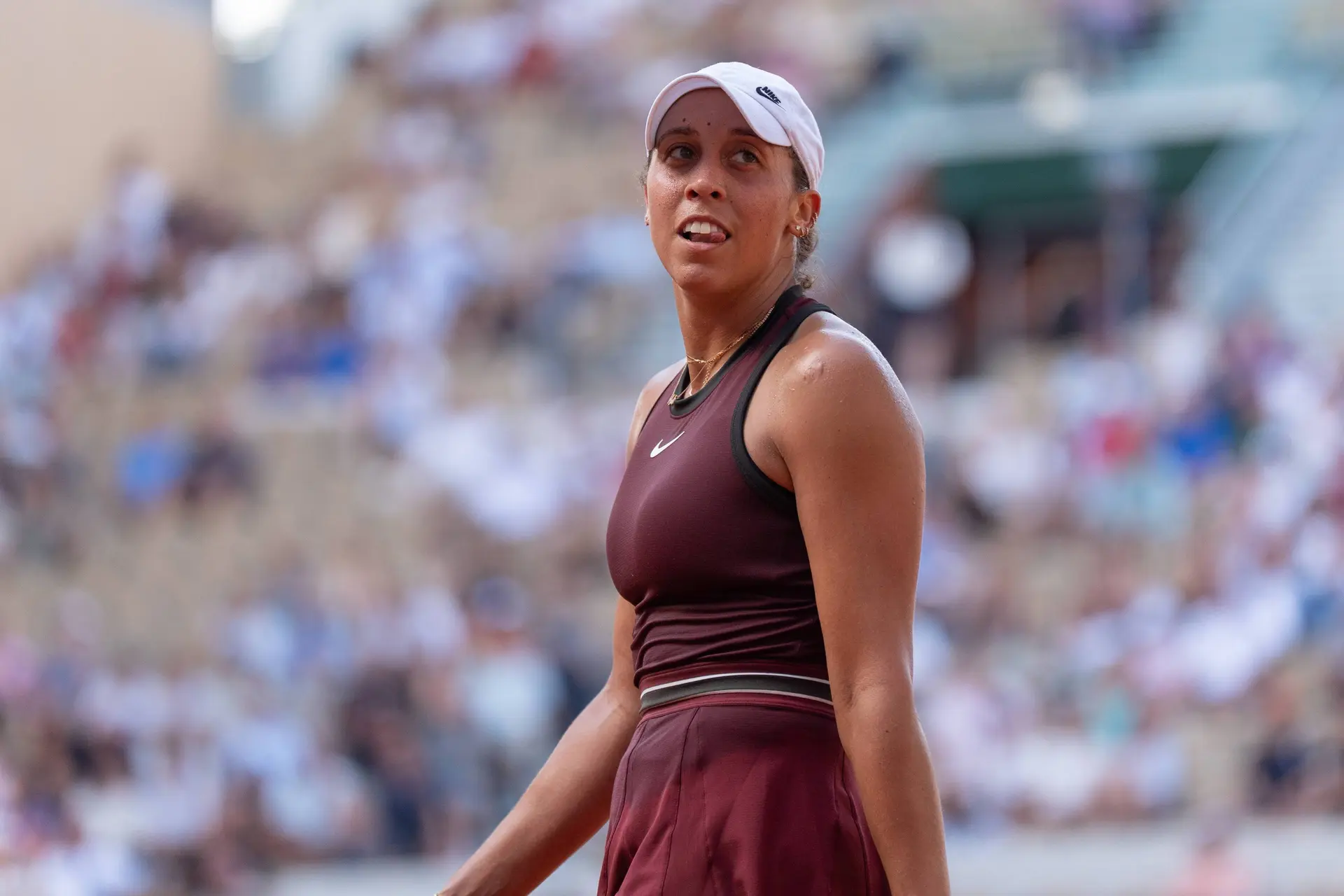
Her eventual Australian Open title came after a deliberate psychological reset built around therapy and an effort to separate identity from results. “I just felt like no matter what I’ve done, if I retired today, I would kind of feel like a failure… I just never won a Slam," Keys explained to Garcia. "I got to the point where I said, I don’t care anymore. I’m just going to play tennis how I want to play it and whatever happens, happens. And then I won the Australian Open. And it was so amazing.”
Early development and rapid rise to professional tennis
Keys described her introduction to tennis as indirect and largely unstructured, growing up in a small American town with limited exposure to the sport. Her first real connection came after watching Venus Williams at Wimbledon, an image that initially attracted her visually before becoming the trigger for her involvement in tennis.
Early practice was informal, consisting of hitting against a garage door with her mother feeding balls after school. From there, she transitioned quickly into structured coaching, and by age 10 moved to Florida to train at the Evert Tennis Academy, where her technical foundation was significantly reworked.

“I grew up in a very small town. There’s not a lot of tennis going on… I walked through their bedroom and Venus was playing. And I said, I really like that dress. I want one. My mom said, you have to play the sport. And I said, okay, sign me up.”
At the academy, Keys underwent repeated technical changes, particularly to her forehand mechanics. Even so, she achieved strong junior results, winning major titles at 12 and turning professional at just 14. “They tricked me into playing a tournament and I won… I was like, okay, we can play tennis. I like tournaments.”
Injury, US Open final and emotional overload in 2017
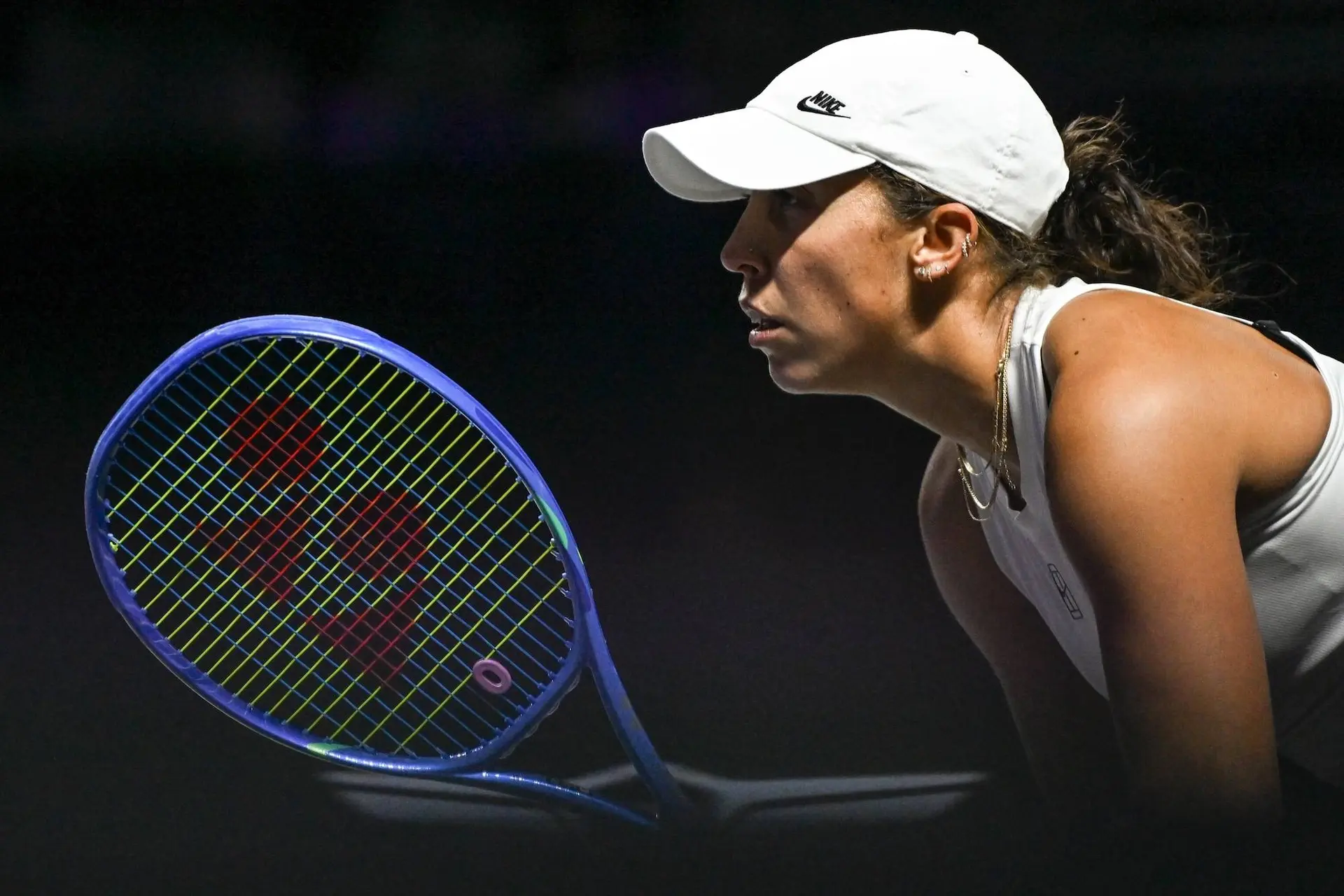
Keys identified 2017 as a decisive turning point, beginning with wrist surgery during Roland Garros and a rapid return to competition that she later admitted was premature. She returned to Wimbledon still managing pain, which affected her technical decisions and overall consistency.
That instability carried into the US Open swing, where she entered with limited expectations due to form and fitness. However, she produced a strong run through multiple high-intensity night matches “I had been playing with pain for so long in my wrist that I didn’t really make great decisions anymore," the former world No. 5 said. "I never really gave myself enough time to feel healthy again before I got back on the court.”
Her run ended in a first Grand Slam final against Sloane Stephens. Keys described the experience less in tactical terms and more as emotional overload, shaped by exhaustion and the scale of the moment. “I was so emotionally tired, so overwhelmed, so nervous. It felt like it was so much work to get there, and then it was gone so fast, and I played so not how I wanted to.”
Therapy, identity shift and Australian Open breakthrough
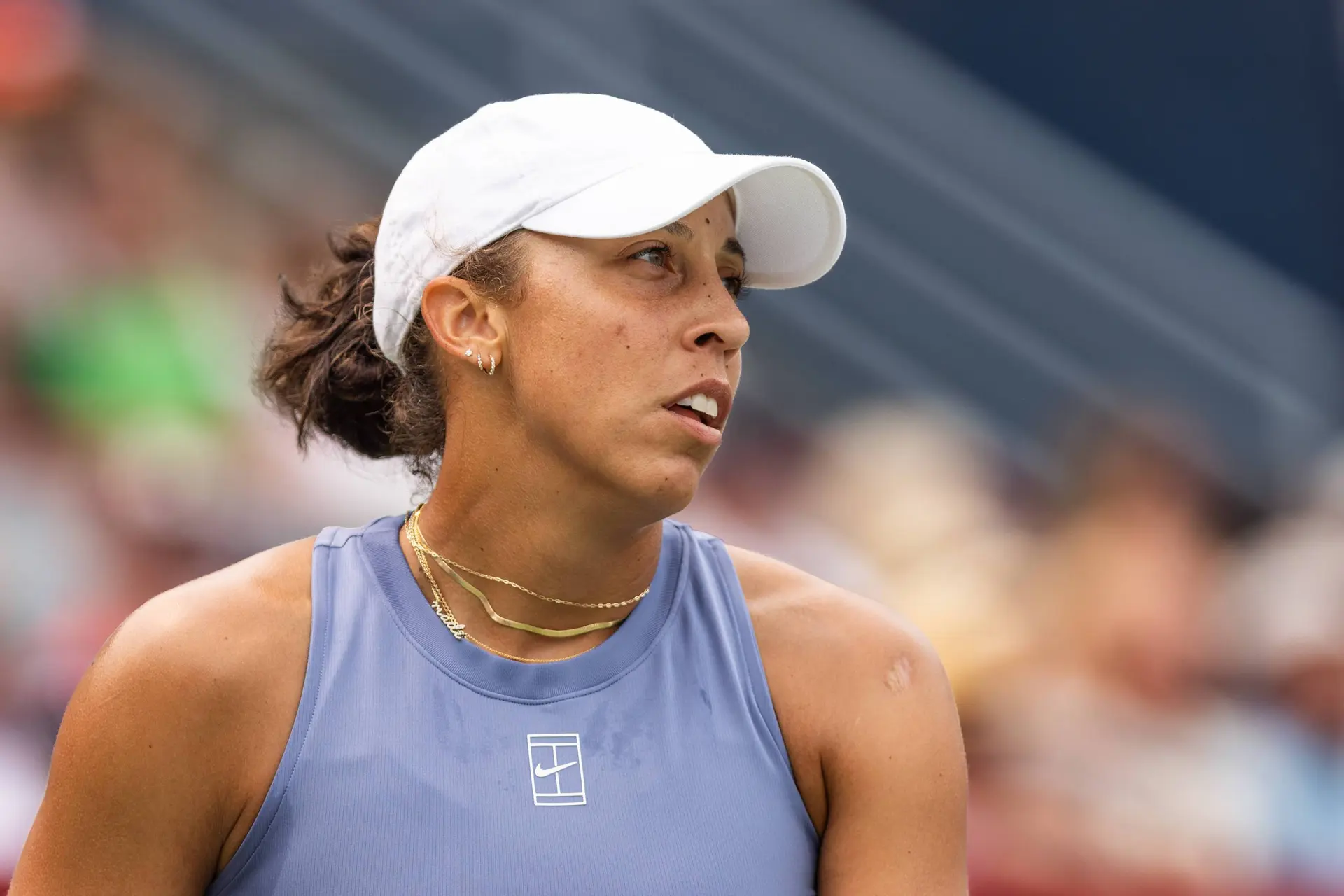
Following that period, Keys began a longer process of psychological restructuring focused on how she defined success. She recalled a key moment in which she admitted she would feel like a failure without a Grand Slam title, despite a career already defined by consistent elite results.
That admission, she said, highlighted how deeply external expectations had been internalised and led her to seek professional support. The subsequent work focused on separating identity from performance outcomes, particularly in a sport where weekly competition constantly resets narratives around success and failure.
“I just felt like no matter what I’ve done, I still feel like if I retired today I would feel like a failure… and it was something that would always hold me back if I kept thinking that way.”

Keys said the objective was not to remove ambition but to reduce emotional volatility linked to results. She described how losses against lower-ranked opponents previously had a disproportionate impact on her sense of self, reinforcing a cycle of instability.
Before her Australian Open win, she said she reached a more neutral competitive mindset in which outcomes no longer dictated emotional state in the same way. That shift coincided with her first Grand Slam title. “I just said, I don’t care anymore. I’m just going to play tennis how I want to play it and whatever happens, happens.”
She added that winning the title brought both relief and immediate recalibration of expectations, with external pressure quickly shifting toward repetition of success rather than reflection on the achievement itself.

Cristhián AvilaTennis Journalist
Cristhián Ávila is a tennis journalist based in Santiago, Chile, and has been part of the TennisUpToDate team since early 2023. He covers the ATP and WTA Tours as well as all four Grand Slams, producing breaking news, match reports, analysis, and regular liveblogs from major tournaments.
His reporting combines statistical analysis with clear explanation, helping readers understand tactical developments, player form, and broader storylines across the tour. Working fluently in both Spanish and English, Cristhián collaborates with an international editorial team and contributes to comprehensive global coverage. As part of his work, he has conducted interviews and media interactions with leading figures in the sport, including Caroline Wozniacki and John McEnroe.
In his journalism, Cristhián places strong emphasis on careful sourcing, editorial accuracy, and updating articles promptly when new, verified information becomes available. His coverage is grounded in research, context, and direct engagement with professional tennis.
claps 0visitors 0
Just In

Popular News
Latest Comments
- A healthy Qinwen may be hard to stop next season. She was already scaring her opponents before her medical leave(s). Unfortunately, Zheng insisted on singing again. On the positive side -- Mirra did not sing!! ;~}
 mandoist11-10-2026
 - Where is it written that athletes, entertainers... People in general... are mandated to keep looking at -- or even using [anti]Social Media? Public & private figures consistently complain and reveal their concerns about negativity and violence thrown at them -- yet they insist on participating. Avoid it, don't use it, don't read it. It's okay to occasionally look up at the World instead beating your eyes & thumbs to death on The Inventions out there.mandoist11-10-2026
- great articlestennisseserver07-10-2026
- Medvedev was leading Djokovic 7-5, 3-5 when an attempted return..' NO you ignorants, Djokovic was leading .weiss05-10-2026
- No more bullshit "Wildcards" to these two. Qualify like everyone else -- there will be cameras there, too. Time to scream... WTF ????!!!!mandoist29-09-2026
- Let's not BS the general public -- Sabalenka started showing cracks in her game last season. Her losses and near-losses started at about the same time she began being distracted by Fame (constant Selfies, making TV commercials, magazine shoots, endless Social Media nonsense, etc., etc.) One would think even Saba could recognize the parallels with others who failed before her -- Raducanu, Giorgi, Bouchard to name a few.mandoist25-09-2026
- Gross!! Hey Raducanu, Giorgi, and Bouchard -- reserve a seat at your Social Media Selfie table for Saba + Naomi. They're heading in your direction soon enough.mandoist24-09-2026
- And then these same players will complain about how lengthy their season’s were and need more time-off. I’m all for more tennis but the amount of tennis we get now is actually kind of crazy! We all need a break, especially the players.DaveyWavey23-09-2026
- You should do a comparison article for "different kinds of justice" the courts decide for tennis players. I can think of at least three players who received very small bans of a few months, however Tara Moore has been fighting for her literal survival the past few years. It seems odd considering she is not a "name" player, unlike the other cases.DaveyWavey22-09-2026
- PRIZE MONEY & POINTS Winner - $185,500 Finalist - $114,500 Semi-Finalist - $66,003 Quarter-Finalist - $35,000 Round of 16 - $18,045 Round of 32 - $13,005 Winner - 500 Finalist - 325 Semi-Finalist - 195 Quarter-Finalist - 108 Round of 16 - 60 Round of 32 - 1DaveyWavey20-09-2026

Loading