“The brutal truth is sport doesn’t work like that”: Iga Swiatek reflects on Roland Garros struggles
ATPTuesday, 16 June 2026 at 00:30
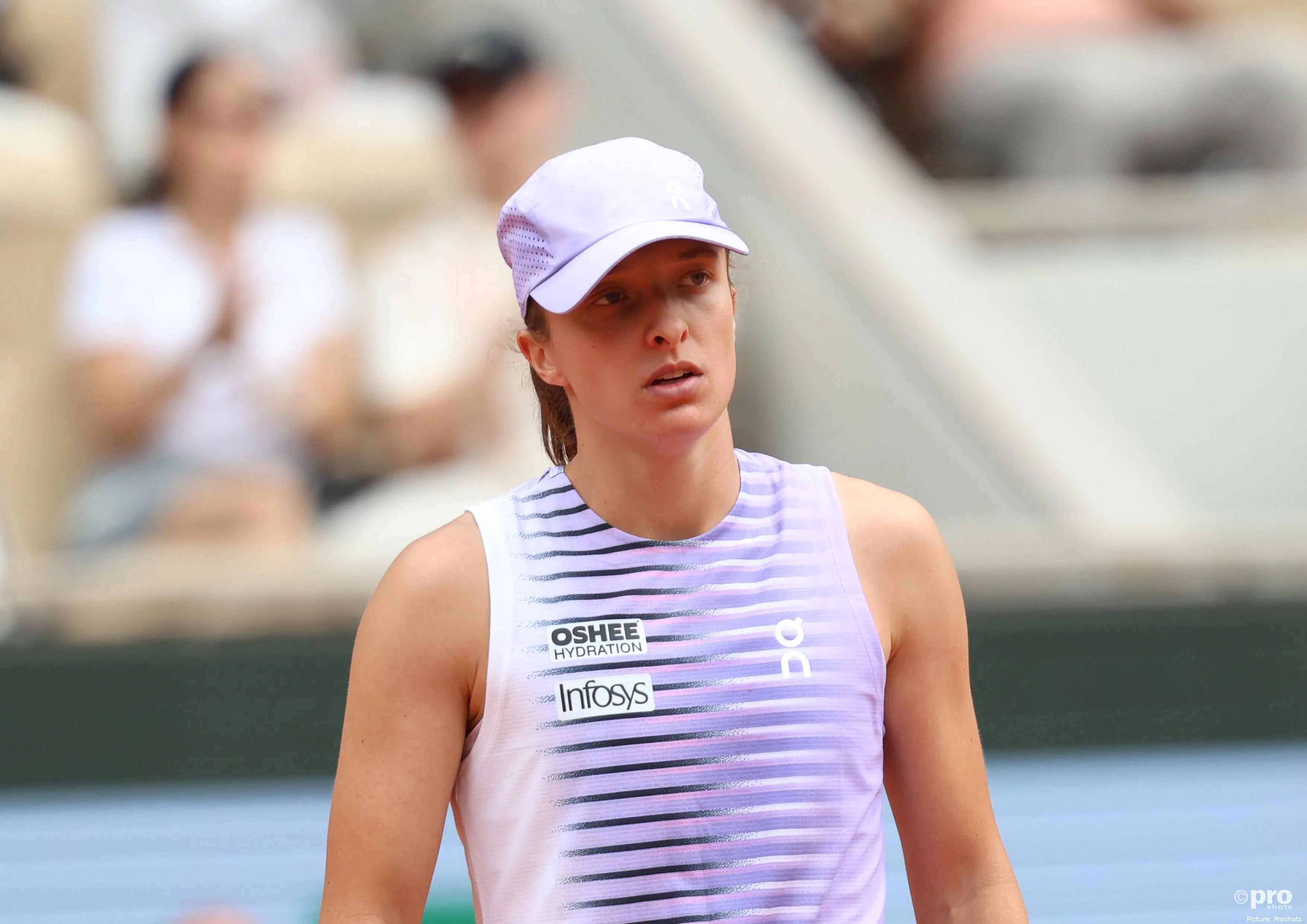
Iga Swiatek reflected on her form following a difficult Roland Garros campaign, where the six-time Grand Slam champion exited earlier than expected – after a fourth-round defeat to Marta Kostyuk – and did not reach the closing stages of the tournament.
The defending Wimbledon champion has only recently begun training on grass and acknowledged that the adjustment remains at an early stage. She stressed that the transition requires patience and incremental work rather than immediate expectations of high-level performance on a surface that demands different movement and timing.
Swiatek also pointed to a changing competitive environment over the past two seasons, with increased scrutiny and fluctuating expectations linked to inconsistent results and adjustments within her team structure. She framed the current phase as part of a broader development process rather than a reaction to a single tournament outcome.
Despite recent results, the former world No. 1 emphasised that her focus remains on long-term progression, with performance assessed over extended cycles rather than isolated defeats or short-term setbacks.
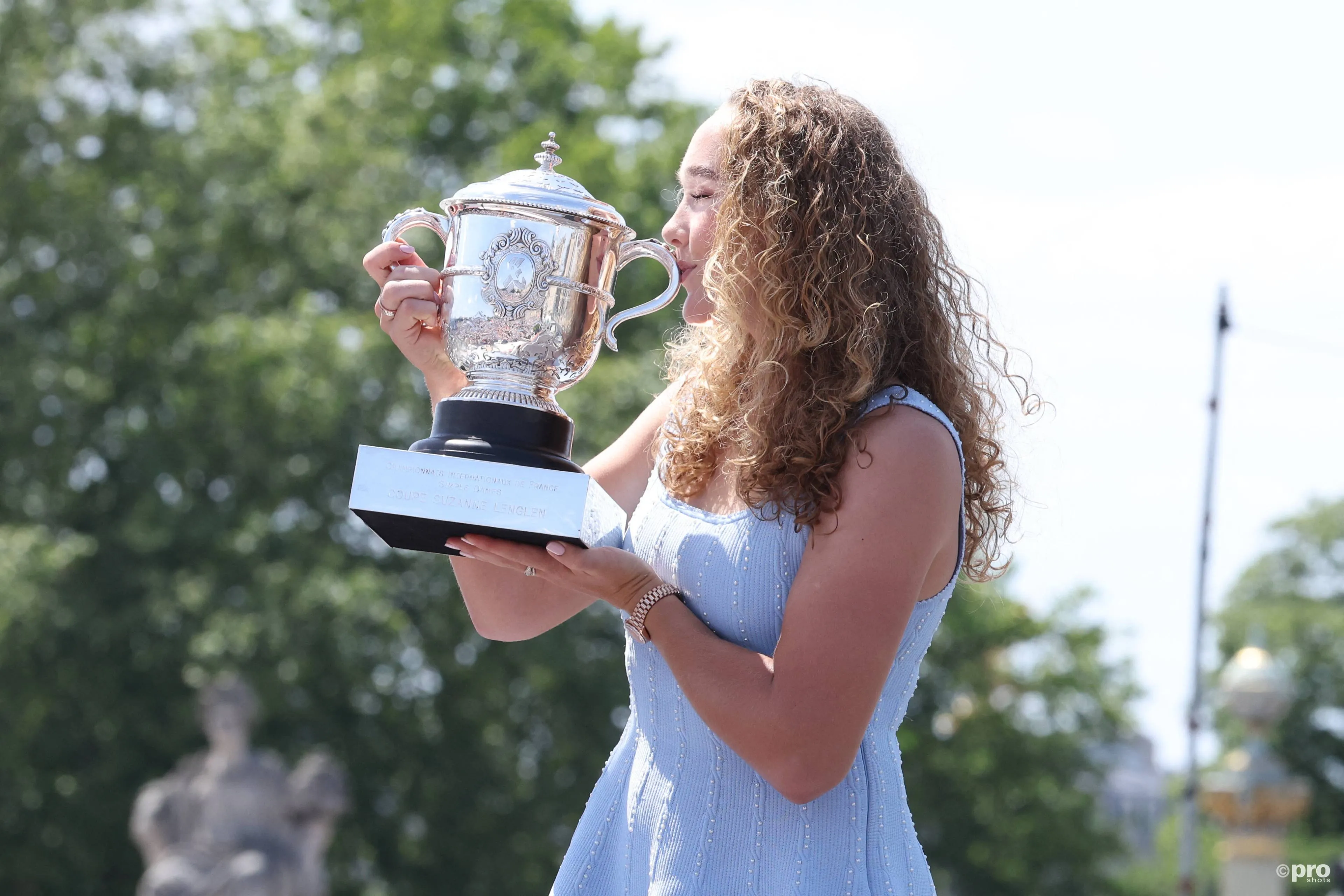
Roland Garros reflection and performance reality
Swiatek described Roland Garros as an example of the complexity of elite tennis, rejecting the idea that outcomes can be reduced to a single technical or isolated cause. She highlighted the relationship between preparation, execution and context at the highest level of the sport.
“The brutal truth is sport doesn’t work like that,” Iga Swiatek said in an interview with WP SportoweFakty. “I was lucky to experience early success, so now I’m trying to be more patient, trust the process I started in April, and believe I’m on the right path to improving my tennis, but that does not mean every defeat should define me.”

She added that the experience reinforced the need to separate short-term results from long-term development, particularly during surface transitions between clay and grass. Swiatek stressed that her current focus is not reactive adjustment but structured improvement across training blocks and tournament cycles.
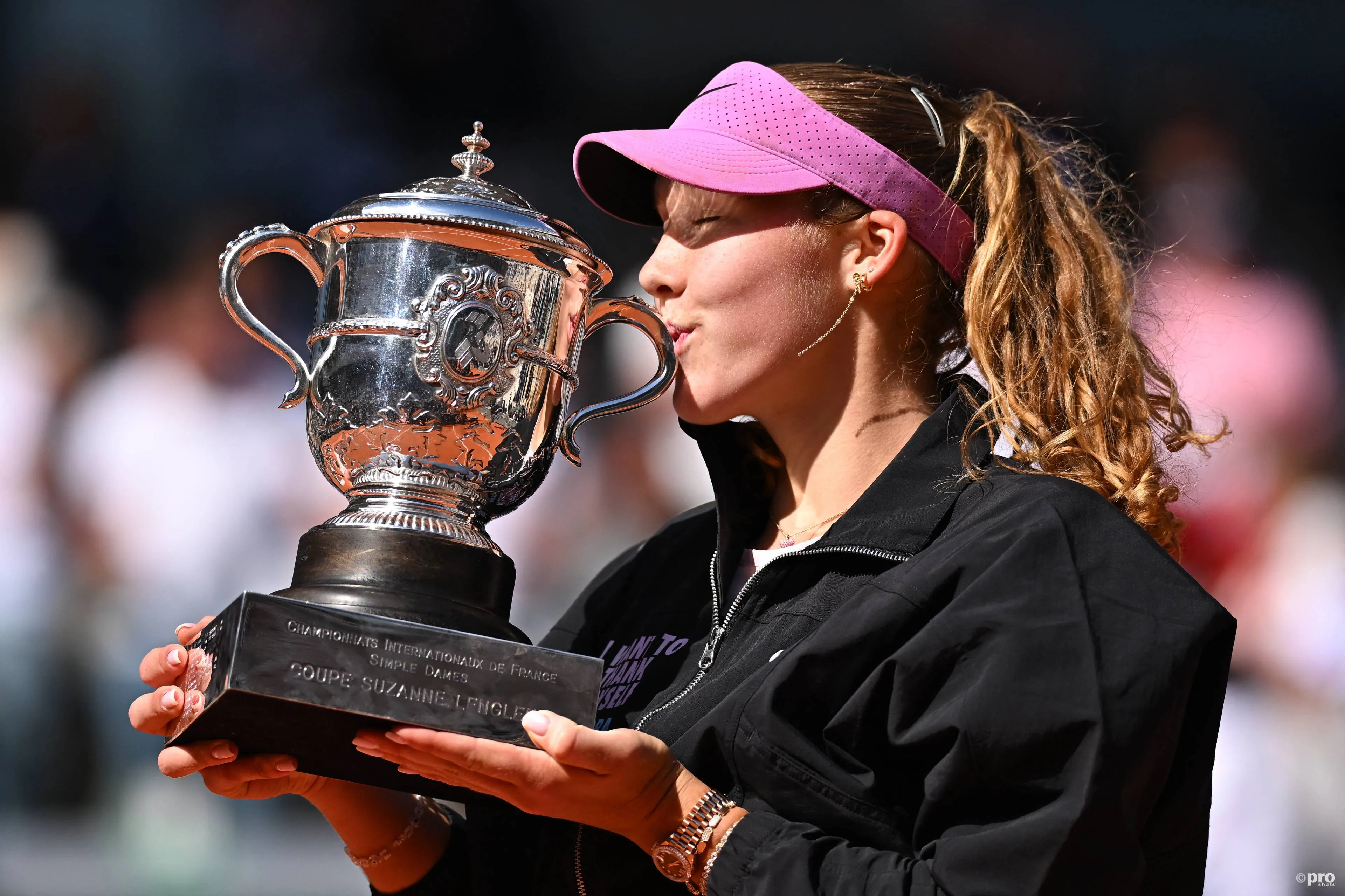
Pressure, scrutiny and emotional impact
The six-time Grand Slam champion also addressed the psychological demands of competing under sustained public scrutiny, linking the most difficult periods to withdrawals and high-profile defeats that triggered significant online reaction.
“Yes, it has affected me, especially at the end of 2024 when I didn’t go to tournaments in China because I couldn’t," the world No. 3 added. "I received so much hate for withdrawing that I would never have expected it. 2025 was also not easy. The last two years have been much harder in that respect.”

She explained that visibility at the top level amplifies both support and criticism, creating a volatile environment in which public perception can shift quickly depending on results. “It’s not easy to function in this environment. There were moments when it affected me deeply and even on court I struggled to get rid of it.”
Swiatek added that she now limits exposure to external commentary, particularly on social media, as it does not contribute constructively to her preparation or performance. “Anyone who says they are completely unaffected is probably not being fully honest. It can still hurt sometimes.”
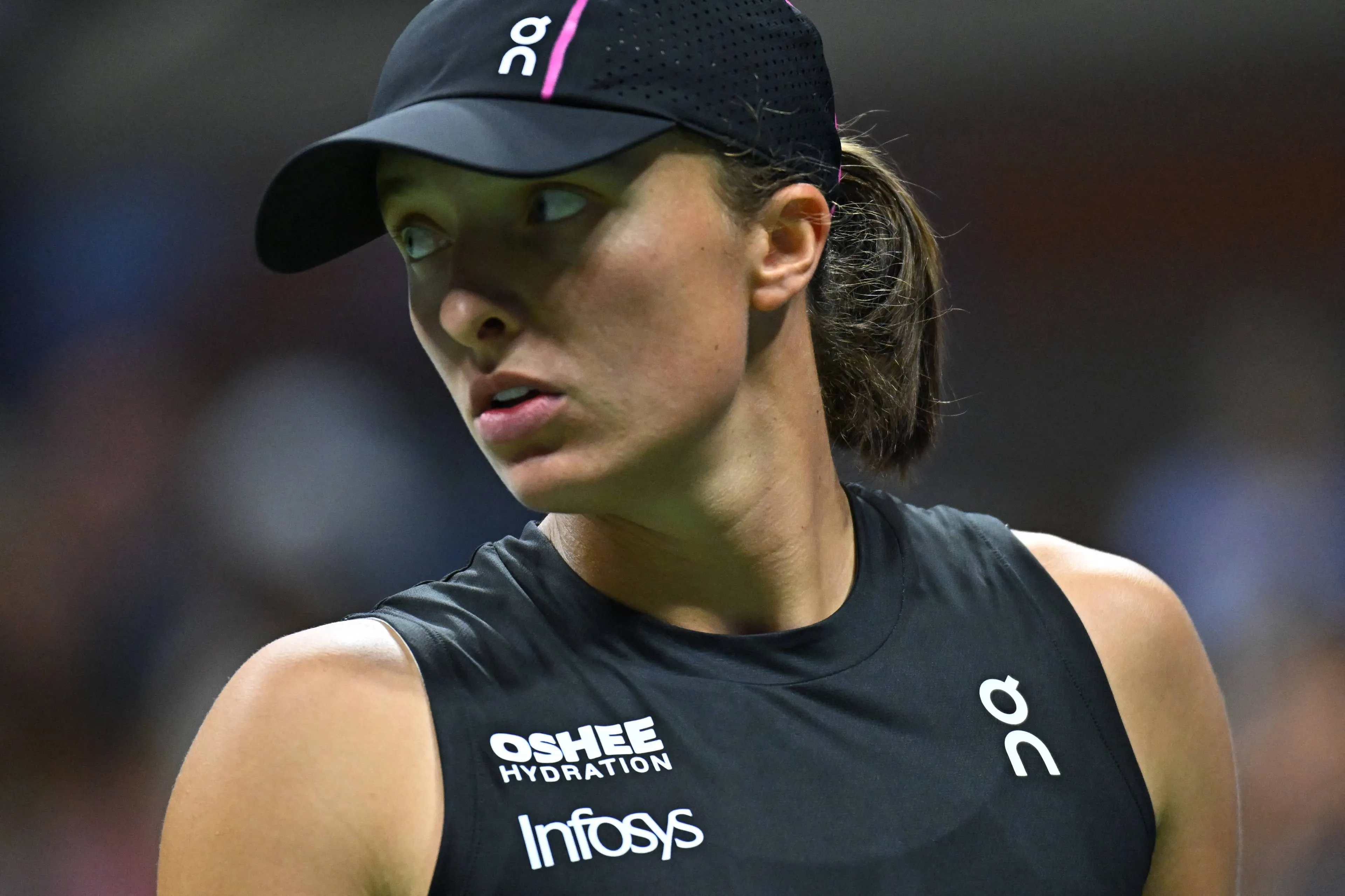
Wimbledon defence and process-driven approach
Looking ahead to Wimbledon, Swiatek maintained a controlled outlook on expectations as defending champion, stressing that her preparation on grass remains in an early phase and that adaptation is the main priority.
“There is always a chance. But if anyone could accurately measure that chance, they would make a lot of money in betting markets. I’ve only just started practicing on grass, this is my third day, and it’s going well.”
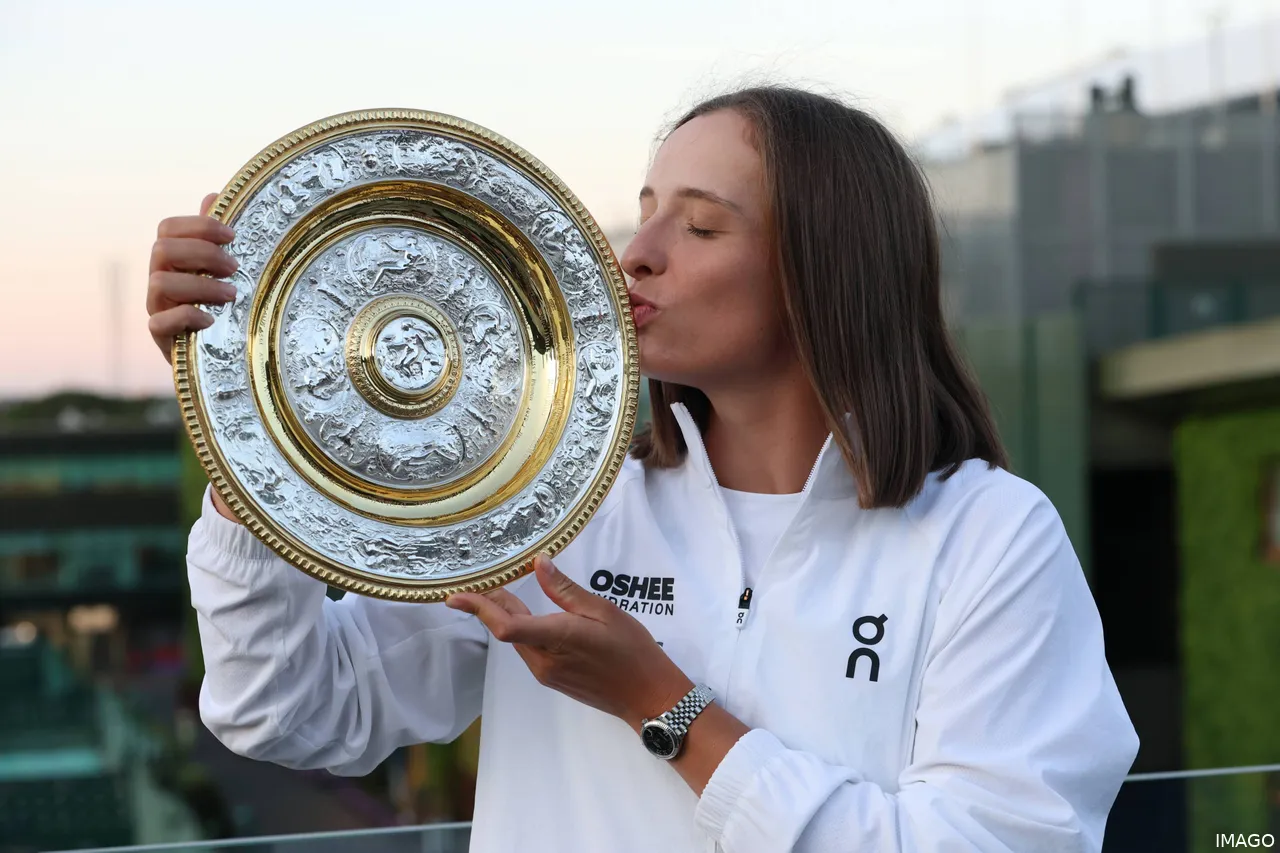
Iga Swiatek kisses Wimbledon trophy after coming out on top at SW19
She noted that returning as defending champion changes external perception, but not her internal preparation logic, which remains centred on daily work and gradual improvement.
Despite that, she stressed continuity in her approach and rejected the idea that recent results define her current level. “What happened last year doesn’t affect where I am now. I’m building things day by day, improving step by step.”

claps 0visitors 0
Just In

Popular News
Latest Comments
- We have been witnessing the repercussions of the hasty pro-tennis back-to-back-to-back scheduling. Causing exhaustion and other negative health related issues. Most obvious are the too frequent anti-climactic "Finals" -- especially WTA where Finals have resulted in too many sub-par contests. WTA will never admit their mistakes, intentional or not.
 mandoist15-06-2026
 - Yep, part-time Emma is maintaining.mandoist15-06-2026
- The important thing is, she's still managing to do enough to maintain her sponsorships.mandoist15-06-2026
- Nick back, Serena back. Life is great 😀
 AceOfBase10-06-2026
 - Swiatek an underdog for the WTA race. Nuts. What happened to her. I thought she would dominatethe WTA for 10 years or so.AceOfBase10-06-2026
- I love it. Go SerenaAceOfBase10-06-2026
- Nole nailed it. Unreal to win a Grand Slam while living with diabetes.
 MrAndreeva08-06-2026
 - Did John or any of these analysts see how far Cobolli was sitting away from Arnaldi??? Oh my God!!! Must they find an issue with every little thing players say and do??? All viruses are not contagious! They are just speculating!! If it was contagious the doctor would have advised him to stay away from people!!!Rapunzel07-06-2026
- Lightenup Cornet, it was a jokeAceOfBase07-06-2026
- Fun opening of her speech 😁AceOfBase07-06-2026

Loading