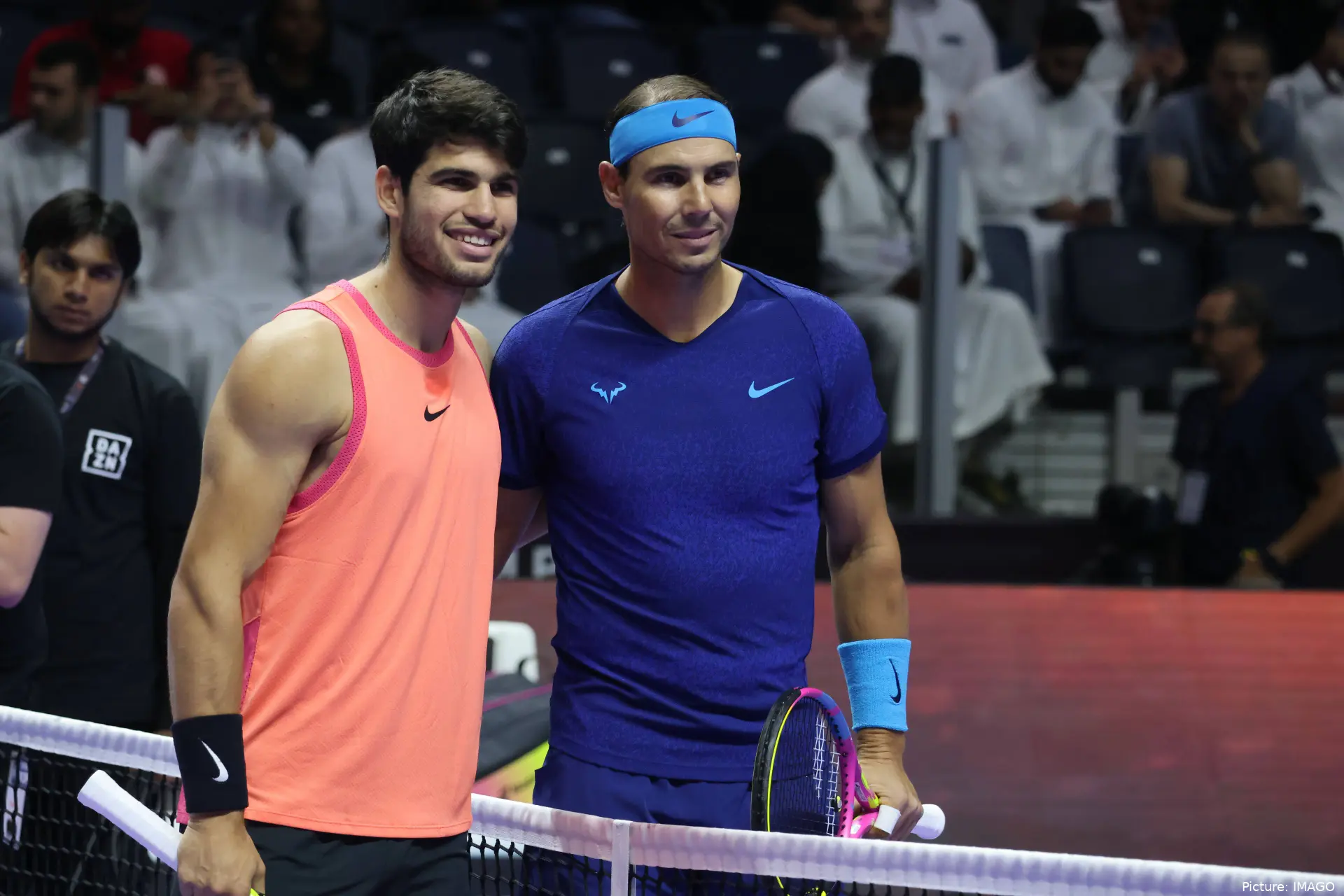
It is fair to say that tennis has been blessed with some
tantalising rivalries throughout the years. Ranging from the ‘Big Three’
regularly locking horns, Bjorn-McEnroe, Sampras-Agassi, Navratilova-Evert, Serena
Williams–Venus Williams, Alcaraz-Sinner to name a few.
All some have one thing in common: they are some of the best
players to have graced the sport, regularly competing on the big stage for the most
prestigious and coveted titles tennis has to offer and winning them in masses.
Each of these greats ruled over in their respected eras,
normally there being a few in the men’s and women’s game clashing on a regular
basis in some tennis classics that give birth to these bitter rivalries.
Currently, the most prominent one is Alcaraz and Sinner, who
have faced off in countless Grand Slam and Masters 1000 finals in the past few
years, hushed slightly in 2026 due to untimely injuries and surprising results.
But there is always the question of how these tennis players
would fare in a different generation. Would Alcaraz cope with McEnroe’s serve
and volleying. How would Aryna Sabalenka’s devastating power match up against a
prime Serena Williams. Would Sinner stand a chance against prime Roger Federer
on Centre Court. All of these questions will never be answered, but it is an
interesting topic of conversation that let tennis fans imagination run wild.
Carlos Alcaraz v Rafael Nadal
| Category | Prime Nadal | Prime Alcaraz |
| Forehand | ⭐⭐⭐⭐⭐ | ⭐⭐⭐⭐⭐ |
| Backhand | ⭐⭐⭐⭐⭐ | ⭐⭐⭐⭐½ |
| Serve | ⭐⭐⭐⭐ | ⭐⭐⭐⭐½ |
| Return | ⭐⭐⭐⭐⭐ | ⭐⭐⭐⭐⭐ |
| Movement | ⭐⭐⭐⭐⭐ | ⭐⭐⭐⭐⭐ |
| Defence | ⭐⭐⭐⭐⭐ | ⭐⭐⭐⭐⭐ |
| Net game | ⭐⭐⭐⭐ | ⭐⭐⭐⭐⭐ |
| Variety | ⭐⭐⭐⭐½ | ⭐⭐⭐⭐⭐ |
| Mentality | ⭐⭐⭐⭐⭐ | ⭐⭐⭐⭐⭐ |
| Physicality | ⭐⭐⭐⭐⭐ | ⭐⭐⭐⭐⭐ |
| Clay | 10/10 | 9.5/10 |
| Hard court | 9.5/10 | 9.5/10 |
| Grass | 9/10 | 9.5/10 |
Two Spanish maestro’s who paths crossed at the complete
opposite times in their careers who would have delighted a whole generation
with their skill on the court. While Alcaraz is one of the top players in this
current world we live in, there was a time where his Spanish predecessor was
the one on top in a much different landscape.
If these two were to match up in their prime, the elephant
in the room would be the chosen surface. Clay is Alcaraz’s favourite and
possibly strongest surface, but even him at his absolute best may struggle to
contain Nadal at Roland Garros.
The huge forehand with an abundance of top spin would pin
Alcaraz back on the backhand, no matter what surface this is being competed on.
This would open the court as he routinely would then come in for the kill.
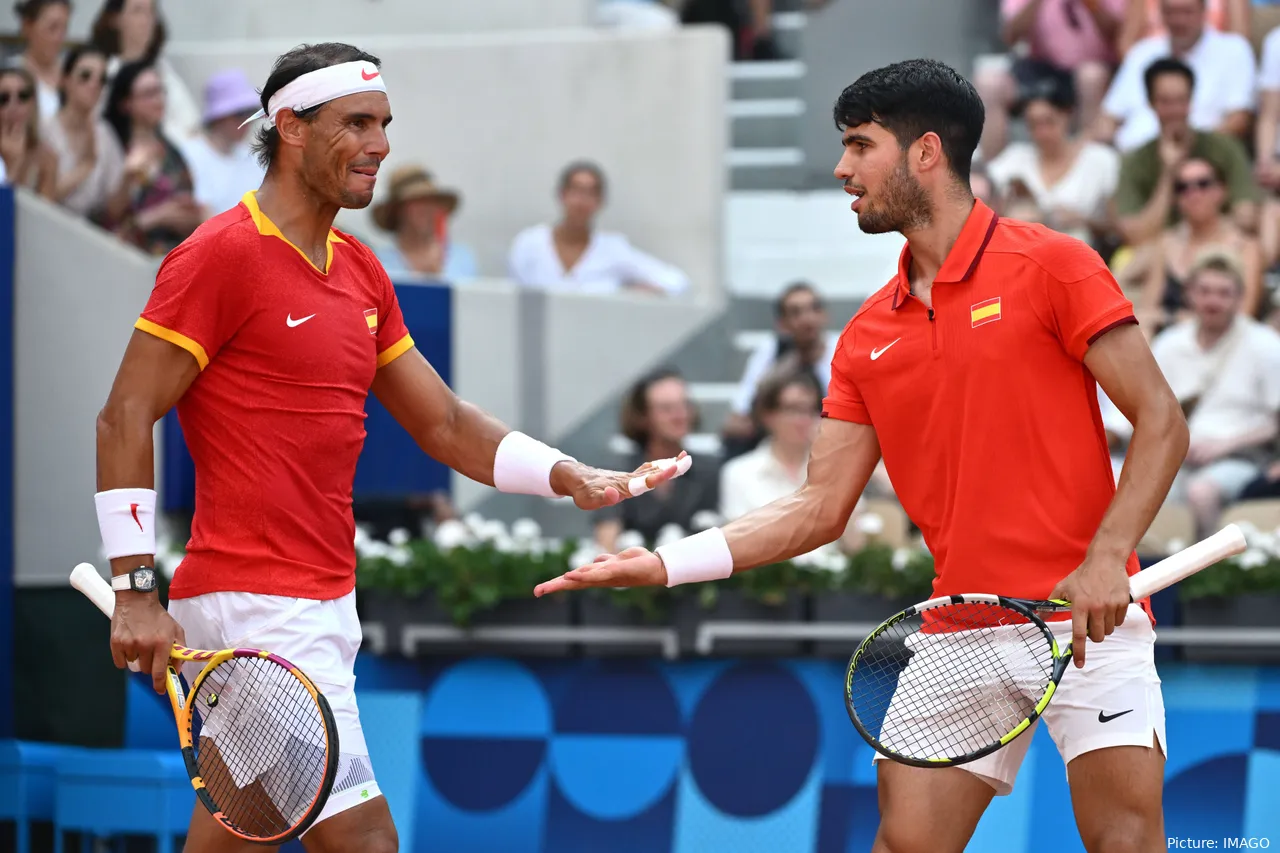
Carlos Alcaraz and Rafael Nadal competing in their prime would be one of the most intense and followed rivalries in tennis
This with most opponents would be a job well done, but with
Alcaraz the task may be a little bit harder. The 23-year-old himself can
generate a huge amount of power, especially also on that forehand side which is
one of his many strengths. There is the danger that he gets on top in the
rallies and puts Nadal on the defensive, against the run of play. On his day,
he could also resist the pressure that the 22-time Grand Slam champion puts on
him. That added variety so well utilised would give his opponent something to
think about, possibly switching up the odds.
| Surface | Hypothetical advantage |
| 🟠 Clay | Nadal 60–40 |
| 🟢 Grass | Alcaraz 55–45 |
| 🔵 Hard | Alcaraz 52–48 |
While Nadal was world class on all surfaces, clay was the
one that stood out the most and he would be favourite against Alcaraz in Paris
or Madrid, etc. However, on hardcourt or grass, there is an argument that the advantage
would swing towards Alcaraz, although the margins are so slim. If his serve was
on song, and in his prime you expect it would be, Alcaraz would be the one to
beat on grass while on hardcourt there is a shot for the more youthful Spaniard
if he can resist the power coming back his way, which is easier said than done.
Overall, Nadal would probably have the edge in the rivalry
but there is still the argument that Alcaraz can surpass the level and
achievements of his fellow countryman as the years go on, possibly swinging the
pendulum the other way.
Read also
Federer-Sinner
| Category | Prime Federer | Prime Sinner |
| Forehand | ⭐⭐⭐⭐⭐ | ⭐⭐⭐⭐⭐ |
| Backhand | ⭐⭐⭐⭐⭐ | ⭐⭐⭐⭐⭐ |
| Serve | ⭐⭐⭐⭐⭐ | ⭐⭐⭐⭐½ |
| Return | ⭐⭐⭐⭐½ | ⭐⭐⭐⭐⭐ |
| Movement | ⭐⭐⭐⭐⭐ | ⭐⭐⭐⭐⭐ |
| Defence | ⭐⭐⭐⭐½ | ⭐⭐⭐⭐⭐ |
| Net game | ⭐⭐⭐⭐⭐ | ⭐⭐⭐⭐ |
| Variety | ⭐⭐⭐⭐⭐ | ⭐⭐⭐⭐ |
| Mentality | ⭐⭐⭐⭐⭐ | ⭐⭐⭐⭐⭐ |
| Power | ⭐⭐⭐⭐½ | ⭐⭐⭐⭐⭐ |
| Timing | ⭐⭐⭐⭐⭐ | ⭐⭐⭐⭐⭐ |
| Grass | 10/10 | 9/10 |
| Hard | 9.5/10 | 9.5/10 |
| Clay | 9/10 | 9.5/10 |
In his pomp, there were times that Federer looked completely
unstoppable. In another reality, maybe a Sinner coming up against him would
give him something else to think about.
When looking at the Sinner game, it feels like that is the
one to test Federer the most compared to others. His baseline game would be
difficult for Federer to combat, drawing him into longer rallies while all the
time Sinner would continue to barrage him with some powerful shots. Whether on
the forehand, backhand or the depth, he claw back at Federer’s aggressive
nature on court.
The variety of Federer’s game would be something that tests
Sinner. Trying to abrupt the point by coming into the net, slicing and taking
the ball early, he can keep Sinner second-guessing about his next move while dictating
the play, keeping the Italian darting around the court.

Jannik Sinner, the World No.1, is the dominant force on the current ATP Tour. That would be different if Roger Federer would be strutting his stuff
| Surface | Hypothetical advantage |
| 🟢 Grass | Federer 60–40 |
| 🔵 Hard | Federer 52–48 |
| 🟠 Clay | Sinner 55–45 |
The overall feel is that grass and clay would have its
outright favourites. A master on the grass, Federer has won more titles at
Wimbledon (eight) than anyone else, trumping Sinner’s two albeit having a much longer
career at this point in time. On clay, the narrative would slightly turn
towards Sinner with it suiting the physical nature while allowing his big
weapons to carry him over the finishing line.
This leaves hardcourt in which Sinner has also stamped his authority
on, especially indoors. Federer would be a constant pest, messing up his
baseline rhythm with his usual variety on court and could capitalise on this if
the 25-year-old cannot settle. Overall, the rivalry would be extremely
competitive across all three surfaces and would be a challenge for both. Federer
may have the slight upper hand if Sinner is unable to deal with the variety on
display, similarities brought up in the current day against Alcaraz. However,
when both are in their peak conditions there is very little splitting the duo.

Williams v Swiatek
| Category | Prime Serena | Prime Świątek |
| Serve | ⭐⭐⭐⭐⭐ | ⭐⭐⭐⭐ |
| Return | ⭐⭐⭐⭐⭐ | ⭐⭐⭐⭐⭐ |
| Forehand | ⭐⭐⭐⭐⭐ | ⭐⭐⭐⭐⭐ |
| Backhand | ⭐⭐⭐⭐⭐ | ⭐⭐⭐⭐⭐ |
| Power | ⭐⭐⭐⭐⭐ | ⭐⭐⭐⭐½ |
| Movement | ⭐⭐⭐⭐½ | ⭐⭐⭐⭐⭐ |
| Defence | ⭐⭐⭐⭐⭐ | ⭐⭐⭐⭐⭐ |
| Mentality | ⭐⭐⭐⭐⭐ | ⭐⭐⭐⭐⭐ |
| Net game | ⭐⭐⭐⭐½ | ⭐⭐⭐⭐ |
| Variety | ⭐⭐⭐⭐⭐ | ⭐⭐⭐⭐ |
| Spin | ⭐⭐⭐⭐ | ⭐⭐⭐⭐⭐ |
| Big-match ability | ⭐⭐⭐⭐⭐ | ⭐⭐⭐⭐⭐ |
| Grass | 10/10 | 8.5/10 |
| Hard | 10/10 | 9.5/10 |
| Clay | 9.5/10 | 10/10 |
23-time Grand Slam champion Williams is widely recognised as
one of, if not, the greatest female tennis player to ever grace the court. You
just need to look at the trophies and titles won in her glorious career which
to this day still continues following her well documented comeback.
This makes her the favourite against any player, including former
World No.1 Swiatek. However, a Swiatek at her very best will offer a lot of
grief to Williams in what would have been a rivalry for the ages.
There is no limit to Swiatek’s potential with her still only
25-years-old and with more gears to climb, something that has not been happening
of late. Nevertheless, when at her absolute best she is a force to be reckoned
with, even with the great Williams. The Pole’s forehand would be her most important weapon,
generating a lot of spin to trouble the Williams game. This would be most
effective on clay in a physical battle but could be made useful in any setting.
However, that alone would not be enough to quieten Williams down.

Serena Williams won 23 Grand Slam titles, only Margaret Court and Novak Djokovic have collected more singles major triumphs
In her pomp, Williams could get these high balls back mesmerically,
dampening Swiatek’s game plan. This would call upon her seeking more variety in
her height, direction and pace. For Williams, the power alone was enough to
blow most players away. Taking the ball early would disrupt the rhythm of
Swiatek. If she could dictate the game and rallies in not dragging out too
long, she has the upper hand.
| Surface | Hypothetical advantage |
| 🟢 Grass | Serena 65–35 |
| 🔵 Hard | Serena 55–45 |
| 🟠 Clay | Świątek 55–45 |
Her serve comes in crucial with this. A level above what
Swiatek can produce, she is more effective at shortening rallies which even
makes the second serve deadly. To combat this on the other side of the court is
one of the most effective returners on the WTA Tour. This could allow Swiatek
to prevent the Williams’ serve from being as big of a threat, but when switching
the roles the six-time Grand Slam champion is then very vulnerable.
On clay, you would have to put Swiatek as the favourite. Grass
is a completely different story with Williams likely to be the one to beat
although Swiatek’s 2025 Wimbledon run shows her capabilities on the surface.
Hardcourt would again lean to Williams, making her the person who would likely
be on top in this imaginary rivalry. There is always the threat that Swiatek could
cause a surprise from time to time, but the consistency and class of Williams cannot
be dismissed.
Sabalenka-Sharapova
| Category | Prime Sharapova | Prime Sabalenka |
| Serve | ⭐⭐⭐⭐½ | ⭐⭐⭐⭐⭐ |
| Return | ⭐⭐⭐⭐⭐ | ⭐⭐⭐⭐⭐ |
| Forehand | ⭐⭐⭐⭐½ | ⭐⭐⭐⭐⭐ |
| Backhand | ⭐⭐⭐⭐⭐ | ⭐⭐⭐⭐⭐ |
| Power | ⭐⭐⭐⭐½ | ⭐⭐⭐⭐⭐ |
| Movement | ⭐⭐⭐⭐ | ⭐⭐⭐⭐½ |
| Defence | ⭐⭐⭐⭐½ | ⭐⭐⭐⭐½ |
| Mentality | ⭐⭐⭐⭐⭐ | ⭐⭐⭐⭐½ |
| Net game | ⭐⭐⭐⭐ | ⭐⭐⭐⭐ |
| Variety | ⭐⭐⭐⭐ | ⭐⭐⭐½ |
| Consistency | ⭐⭐⭐⭐⭐ | ⭐⭐⭐⭐½ |
| Big-match ability | ⭐⭐⭐⭐⭐ | ⭐⭐⭐⭐⭐ |
| Grass | 9.5/10 | 9/10 |
| Hard | 9.5/10 | 9.5/10 |
| Clay | 9/10 | 9/10 |
The current World No.1 Sabalenka has built a reputation on the WTA Tour of being an absolute machine, hitting the life out balls with so much raw power. A playstyle like this would be fascinating against so many former greats of the game, but Maria Sharapova is one that could turn the tables.
Both players are similar to an extent. The power they can both generate from their trusted baseline positions are a reliable way of winning tennis matches. The power is more emphasised with Sabalenka with a thunderous forehand capable of blowing tennis players away, including Sharapova.
To battle against this, the Russian enjoyed a brilliant return game that could stifle out the much tinkered Sabalenka serve, another source of tremendous power. This is the key battle which can determine the contests. The first serve percentage needs to be high for Sabalenka to shorten the points and not allow Sharapova to get her nose in front on the second serve. From there, the five-time Grand Slam champion can drag rallies out longer which would suit her style more.

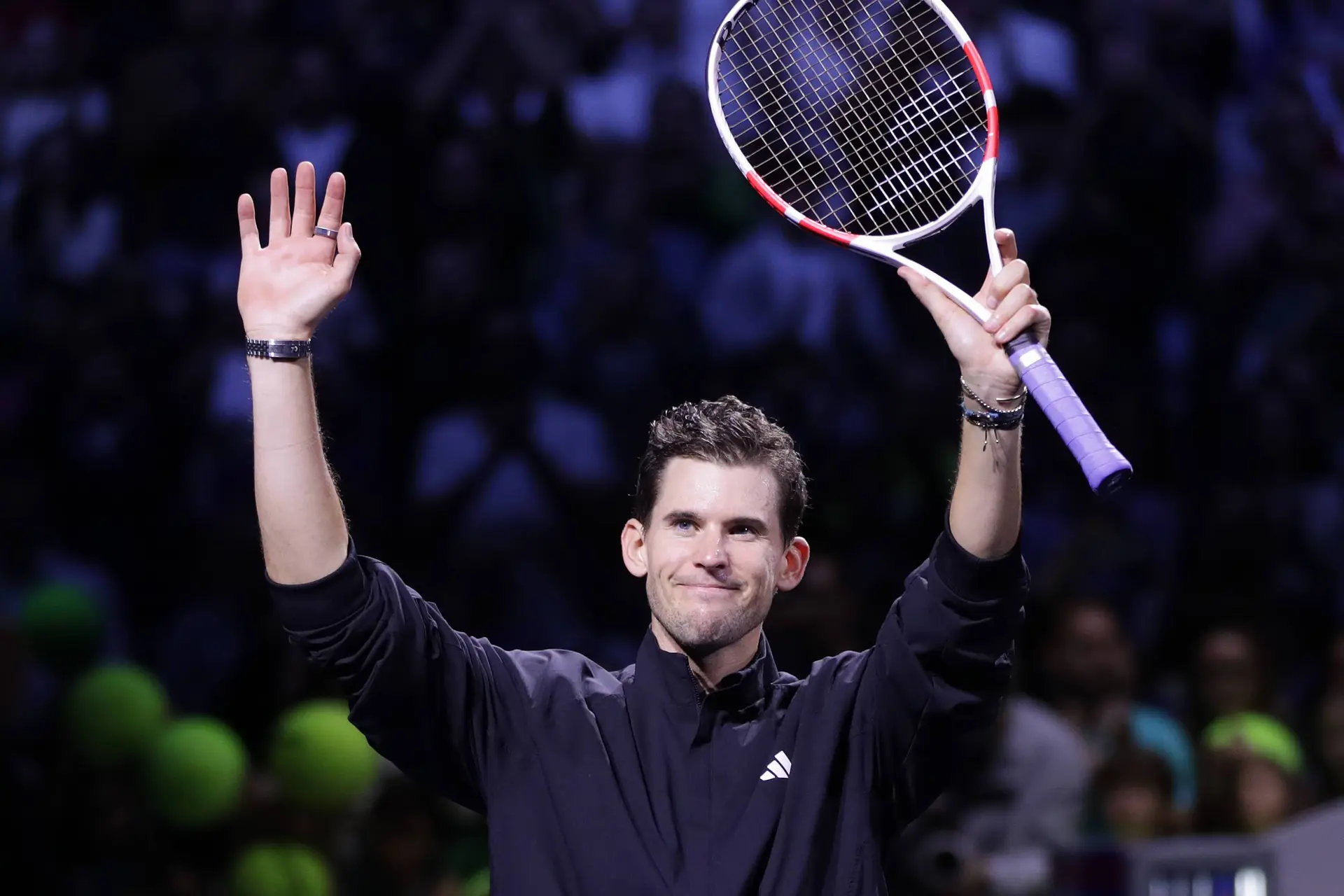
Aryna Sabalenka's sheer power and force on court puts off most tennis players
The mental side of these matches would be the killer blow, and this has been brought up in relation to Sabalenka's recent slip ups. Her poor form has resulted in some surprising collapses while a number of big final defeats do not look great on her CV. When at her best, she can be a great big-match player, as shown by her accolades, but compared to Sharapova this is crucial. A three-set match in a tense Grand Slam final favours Sharapova and turns her into a relentless monster on court.
| Surface | Hypothetical advantage |
| 🟢 Grass | Sharapova 55–45 |
| 🔵 Hard | Sabalenka 55–45 |
| 🟠 Clay | Sabalenka 55–45 |
If they had gone toe to toe in the same generation, Sabalenka's ability to create so much power would be the pivotal factor. She would cope better with the physical exchanges on clay with a peak Sabalenka on hardcourt a mesmerising viewing experience. Sharapova would possibly have the slight edge on grass, and you would be bold to rule her out completely on the other surfaces.
Overall, the fascinating about this is that Sharapova would be one of the few players that would not feel intimidated about the power of Sabalenka. There is one thing saying it and another playing against it, but that is a key factor that would make this rivalry one of the ages.

Lucas MichaelTennis Journalist
Lucas Michael is a tennis journalist based in Cambridge, UK, specializing in comprehensive coverage of the ATP and WTA tours. For the past 1.5 years, he has been a core contributor to TennisUpToDate, where he has authored more than 3,000 data-driven match reports, deep-dive analysis pieces, and engaging liveblogs.
Lucas pairs real-time statistical analysis with on-the-ground reporting, frequently traveling to tournaments to cover the action firsthand from the press box and player press conferences. This blend of advanced metrics and direct access allows him to provide sharp context regarding player form, tactical trends, and breaking tour developments.
He holds a BA (Hons) in Sports Journalism. Grounded in core journalistic ethics, Lucas places a strict emphasis on meticulous sourcing, editorial accuracy, and a commitment to updating live content swiftly as verified information emerges.
claps 0visitors 0
Just In

Popular News
Latest Comments
- great articlestennisseserver07-10-2026
- Medvedev was leading Djokovic 7-5, 3-5 when an attempted return..' NO you ignorants, Djokovic was leading .weiss05-10-2026
- No more bullshit "Wildcards" to these two. Qualify like everyone else -- there will be cameras there, too. Time to scream... WTF ????!!!!
 mandoist29-09-2026
 - Let's not BS the general public -- Sabalenka started showing cracks in her game last season. Her losses and near-losses started at about the same time she began being distracted by Fame (constant Selfies, making TV commercials, magazine shoots, endless Social Media nonsense, etc., etc.) One would think even Saba could recognize the parallels with others who failed before her -- Raducanu, Giorgi, Bouchard to name a few.mandoist25-09-2026
- Gross!! Hey Raducanu, Giorgi, and Bouchard -- reserve a seat at your Social Media Selfie table for Saba + Naomi. They're heading in your direction soon enough.mandoist24-09-2026
- And then these same players will complain about how lengthy their season’s were and need more time-off. I’m all for more tennis but the amount of tennis we get now is actually kind of crazy! We all need a break, especially the players.DaveyWavey23-09-2026
- You should do a comparison article for "different kinds of justice" the courts decide for tennis players. I can think of at least three players who received very small bans of a few months, however Tara Moore has been fighting for her literal survival the past few years. It seems odd considering she is not a "name" player, unlike the other cases.DaveyWavey22-09-2026
- PRIZE MONEY & POINTS Winner - $185,500 Finalist - $114,500 Semi-Finalist - $66,003 Quarter-Finalist - $35,000 Round of 16 - $18,045 Round of 32 - $13,005 Winner - 500 Finalist - 325 Semi-Finalist - 195 Quarter-Finalist - 108 Round of 16 - 60 Round of 32 - 1DaveyWavey20-09-2026
- Pegula withdrew from this Singapore event
 tennishappens19-09-2026
 - Serena Williams chose her tournaments. It's not such a bad idea.MuswellHillbilly17-09-2026

Loading