“To win a Slam you must beat the best”: Alexander Zverev downplays Roland Garros opportunity after Alcaraz injury
ATPSunday, 26 April 2026 at 02:30
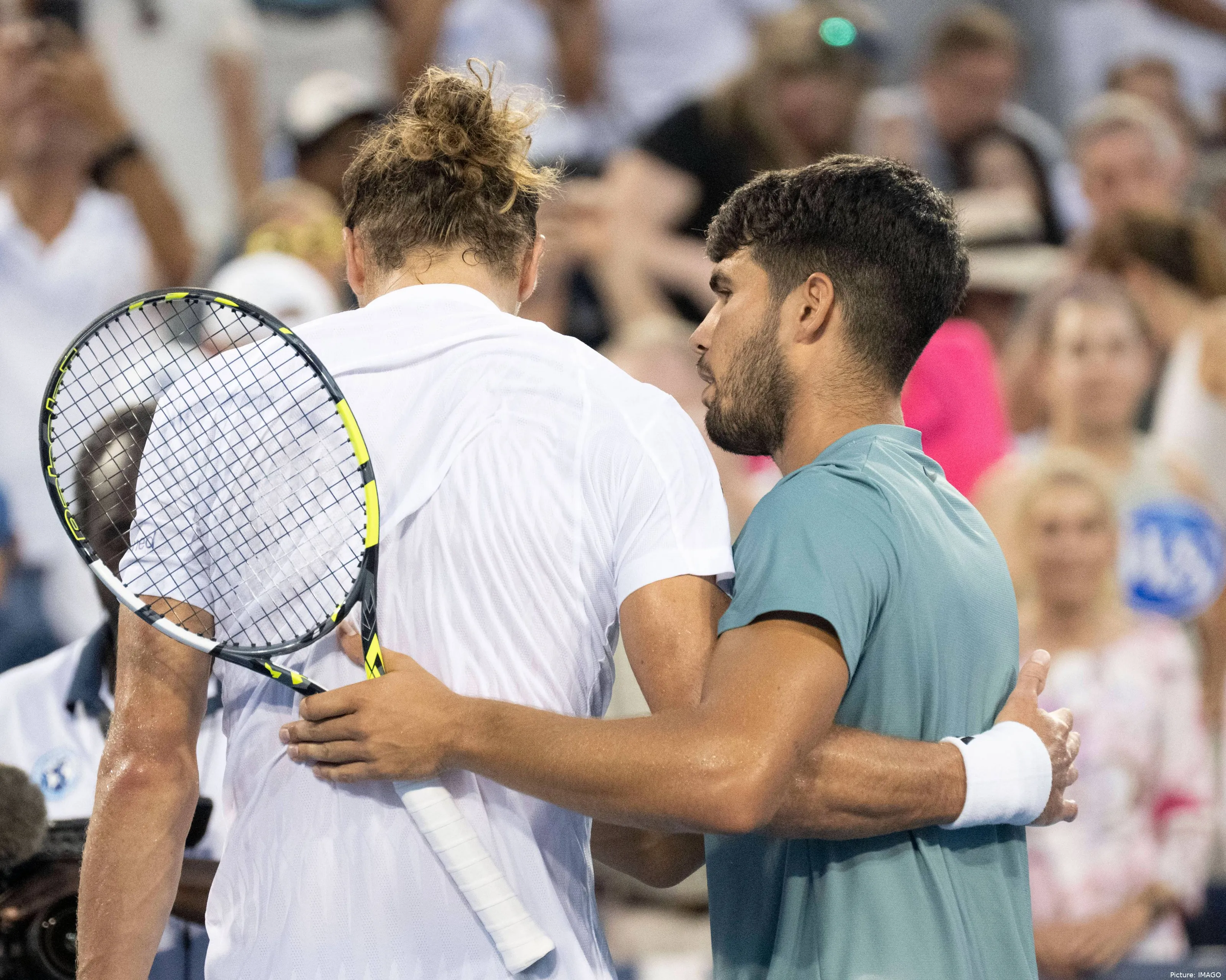
Alexander Zverev began his campaign at the Madrid Open with a controlled but uneven victory over Mariano Navone, overcoming the Argentine 6-1, 3-6, 6-3 in his opening match. The second seed delivered a near-flawless first set before a drop in concentration shifted momentum, forcing him into a more competitive third set to secure progression into the Round of 32.
The German arrived in Madrid seeking rhythm on clay after a mixed start to the European swing. He reached the semi-finals at the Monte-Carlo Masters, losing to Jannik Sinner, and followed with a quarter-final exit in Munich. Madrid represents his third clay-court event of the season, positioned as a key preparation phase ahead of Roland Garros.
Zverev’s record in Madrid reinforces his status as a contender. A two-time champion in 2018 and 2021, and runner-up in 2022, the conditions have historically suited his game. Despite earlier exits in recent editions, his consistency at Masters 1000 level this season—reaching semi-finals at Indian Wells, Miami and Monte Carlo—places him among the most stable performers on tour entering the second quarter of the year.
The broader context of his campaign has shifted following the injury to Carlos Alcaraz, a development that reshapes the competitive landscape heading into Paris. Zverev addressed the situation directly after his win, framing it less as an opportunity and more as a loss for the sport, while maintaining focus on his own trajectory.
Read also
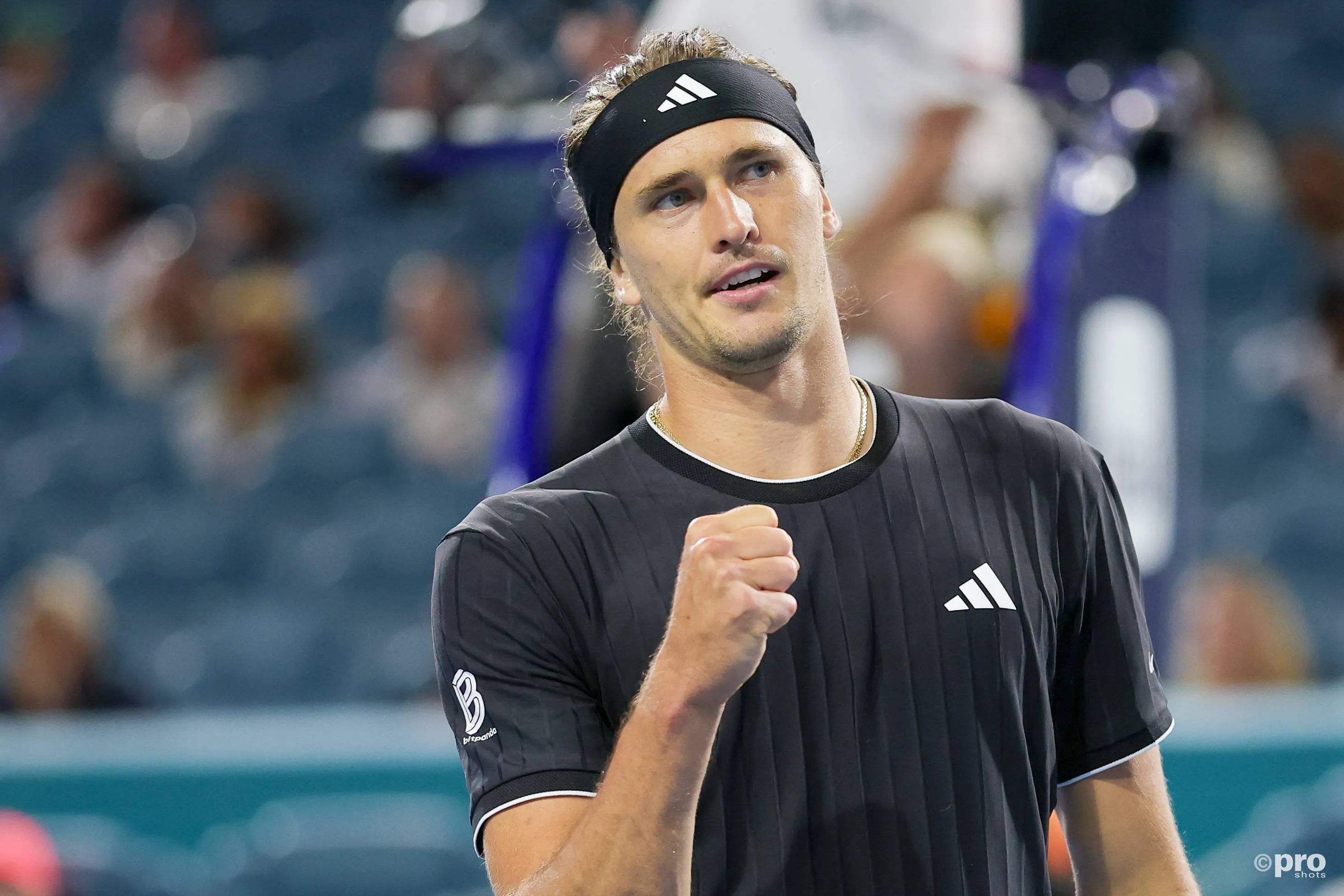
Reaction to Alcaraz absence and Roland Garros outlook
Zverev rejected the notion that Alcaraz’s absence significantly alters his approach to Roland Garros, emphasising that a Grand Slam title requires defeating the strongest opposition available. While acknowledging the Spaniard’s importance to the sport, he also pointed to Sinner’s current form as the defining benchmark on tour.
“It’s sad. Sad for tennis. But as he said himself, he’s very young and his career will be very long, and I think that’s what he’s prioritisin," the German said during his press-conference. "It’s never good to miss big tournaments—we need him, tennis is more exciting with him.”
“People sometimes say top players are happy when others are out, but that’s not true. I’ve been in that situation, injured and unable to play the big tournaments, and it’s not a good feeling," the world No. 3 added. "I wish him a very quick recovery. Hopefully he comes back earlier than expected and can think about Roland Garros, and if not, I hope to see him at 100% on the grass.”

The German framed the Roland Garros discussion around competitive integrity rather than draw dynamics. “Yes, but it’s the wrong way to look at it," claimed Zverev. "For me, to win a Slam you have to beat the best players in the world."
"In recent months, Sinner has been the best player in the world and he’s still there, he’s the big favourite. I don’t want others to be missing. I’m going to compete the same way, I’ll try to win, but it’s better when everyone is present.”

Match analysis: fluctuations against Navone
Zverev’s opening performance in Madrid was defined by clear contrasts between sets. He dominated the first with efficient serving and baseline control, limiting Navone’s opportunities and dictating tempo. However, the second set exposed lapses in concentration, allowing the Argentine—more comfortable on clay—to extend rallies and disrupt rhythm.
“Ups and downs. The good moments were very high, like the first set, which was almost perfect, and the bad ones were very low, like the start of the second set.”
“I lost concentration a bit, but there are positives. I feel I was serving extremely well, especially in the first set, and in the end I recovered my level and won in three sets, which is what matters most.”
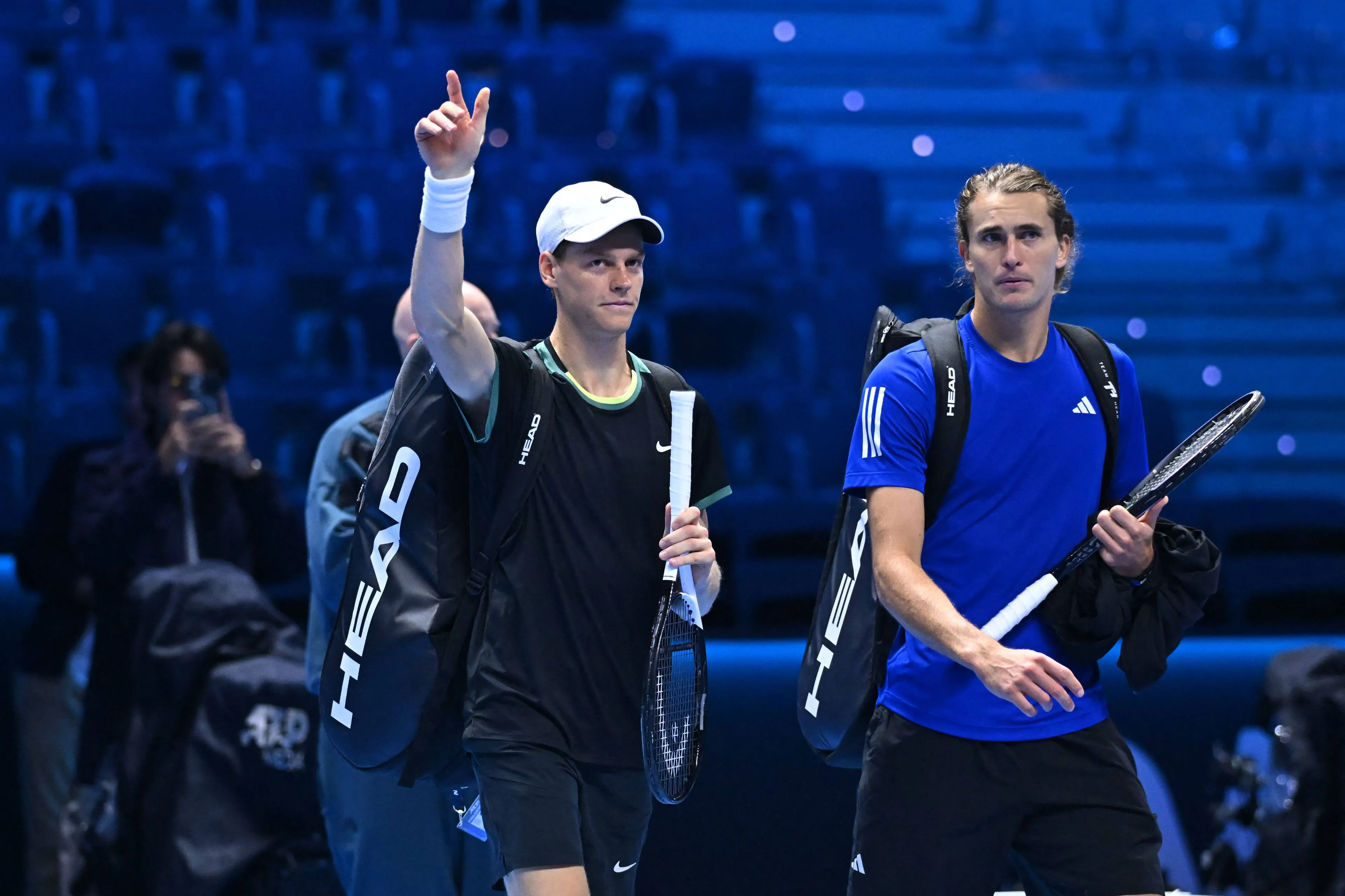
Navone, who recently claimed the title at Tiriac Open in Bucharest, his first clay-court title, used that dip to level the match. Zverev’s response in the deciding set restored control, with improved serving patterns and more consistent depth allowing him to close without further complications.
“I think this is his home, his surface, where he grew up and where he knows how to play tennis," the 2-time Madrid Open champino added. "He won a tournament two weeks ago, so he’s obviously playing very well. He’s a great player, but I felt today it was more about me—staying focused and imposing my game.”
Positioning within the clay-court season
Zverev’s progression in Madrid sets up a Round of 32 meeting with Terence Atmane, a match that will test his ability to maintain consistency across rounds. His broader objective remains Roland Garros, where he is considered among the primary challengers behind Sinner.
The German’s clay-court profile continues to rely on his baseline solidity and first-serve efficiency. While fluctuations remain a factor, his consistent results at Masters 1000 level this season indicate a player capable of sustaining deep runs across surfaces.
Madrid provides a controlled environment to refine those elements. With two titles at the event and conditions that suit his game, Zverev enters the next phase of the tournament with a clear objective: stabilise performance patterns and convert his current consistency into a stronger push heading into Paris.

Cristhián AvilaTennis Journalist
Cristhián Ávila is a tennis journalist based in Santiago, Chile, and has been part of the TennisUpToDate team since early 2023. He covers the ATP and WTA Tours as well as all four Grand Slams, producing breaking news, match reports, analysis, and regular liveblogs from major tournaments.
His reporting combines statistical analysis with clear explanation, helping readers understand tactical developments, player form, and broader storylines across the tour. Working fluently in both Spanish and English, Cristhián collaborates with an international editorial team and contributes to comprehensive global coverage. As part of his work, he has conducted interviews and media interactions with leading figures in the sport, including Caroline Wozniacki and John McEnroe.
In his journalism, Cristhián places strong emphasis on careful sourcing, editorial accuracy, and updating articles promptly when new, verified information becomes available. His coverage is grounded in research, context, and direct engagement with professional tennis.
claps 0visitors 0
Just In
Popular News

Latest Comments
- When is this Williams shitshow going to be stopped??? STEALING WILDCARDS from young, promising talents is disgusting, I don't care how big an Ego someone has. Dignity & Integrity are obviously out the window. Williams Family needs the spotlight so bad -- install a little theater at home, with professioal studio lighting, an applause track, and enjoy your needy selves.
- Sad? I'm laughing at what a loser you are.
- Somebody please help this child!!! I really think Emma needs to take a few months off from tennis (rankings ne damned!), find a coach she can work with permanently and focus on the weak areas of her game; take a mental reset and come back strong. This see saw situation needs to STOP!
- Nice article: to the point, covers the situation without additional commentary, and flows nicely. This is a breath of fresh air! Thank you -
- Don't be sad. It's just that no one really looks at this site
- What would you know about having a life? 🤣
- Enough of pathetic trolls like you. Putting legend in quotation marks when you spend all day commenting on every post like a complete loser.😂
- If the argument centers on tennis fans, the decision is straightforward. Paula Badosa should not receive wildcards. The risk of paying for a match ticket only to see her retire midway is simply too high. 😁
- Boo-Hoo for BJK and Poland. Sometimes "Life" takes priority over everything else.
- Seems her Groomer is calling the shots again.



Loading