"We had to make a decision. There was no other option—it was either that or risk being killed" - Marco Trungelliti 'regrets nothing' from fight against match fixing
ATP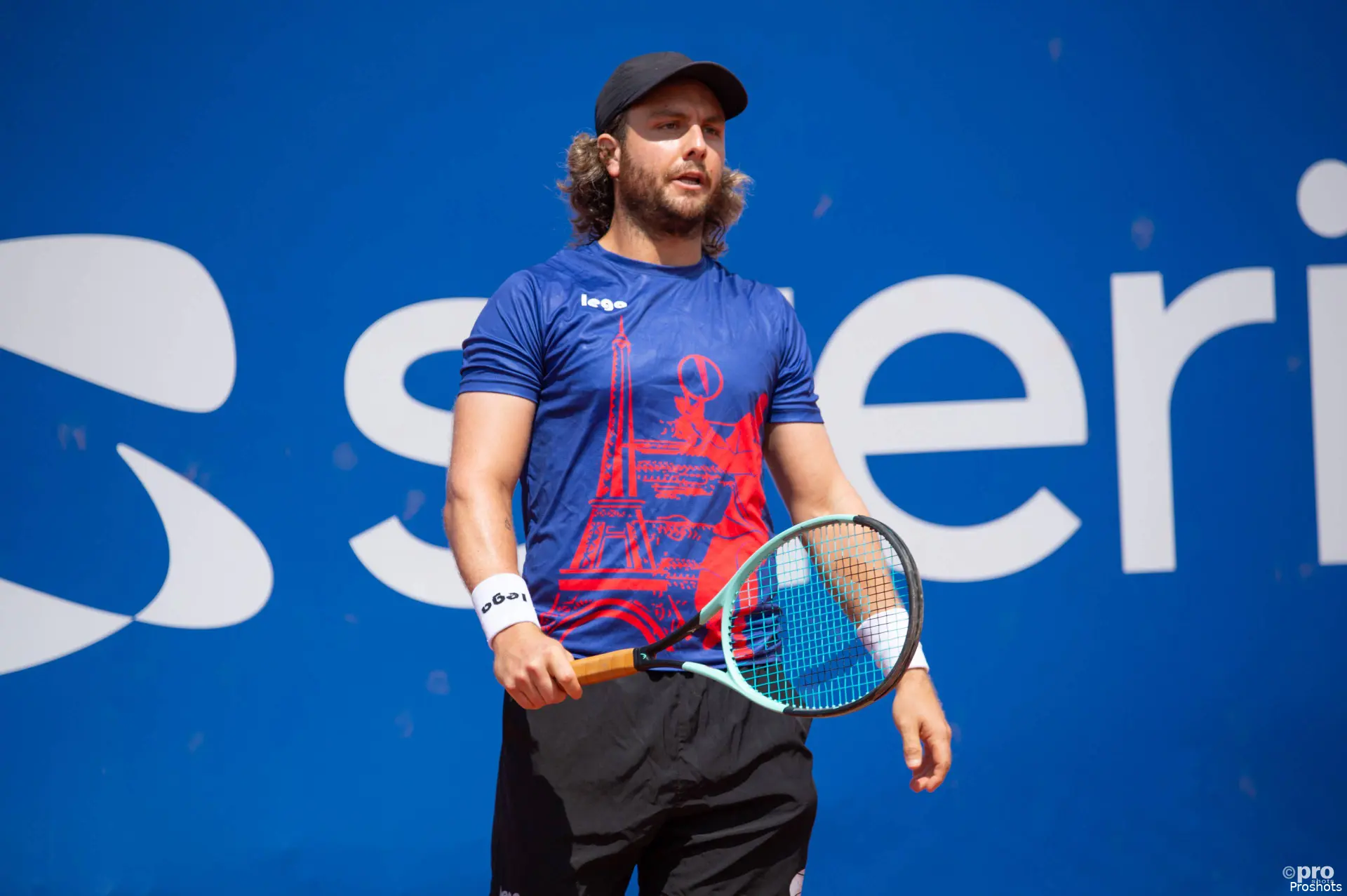
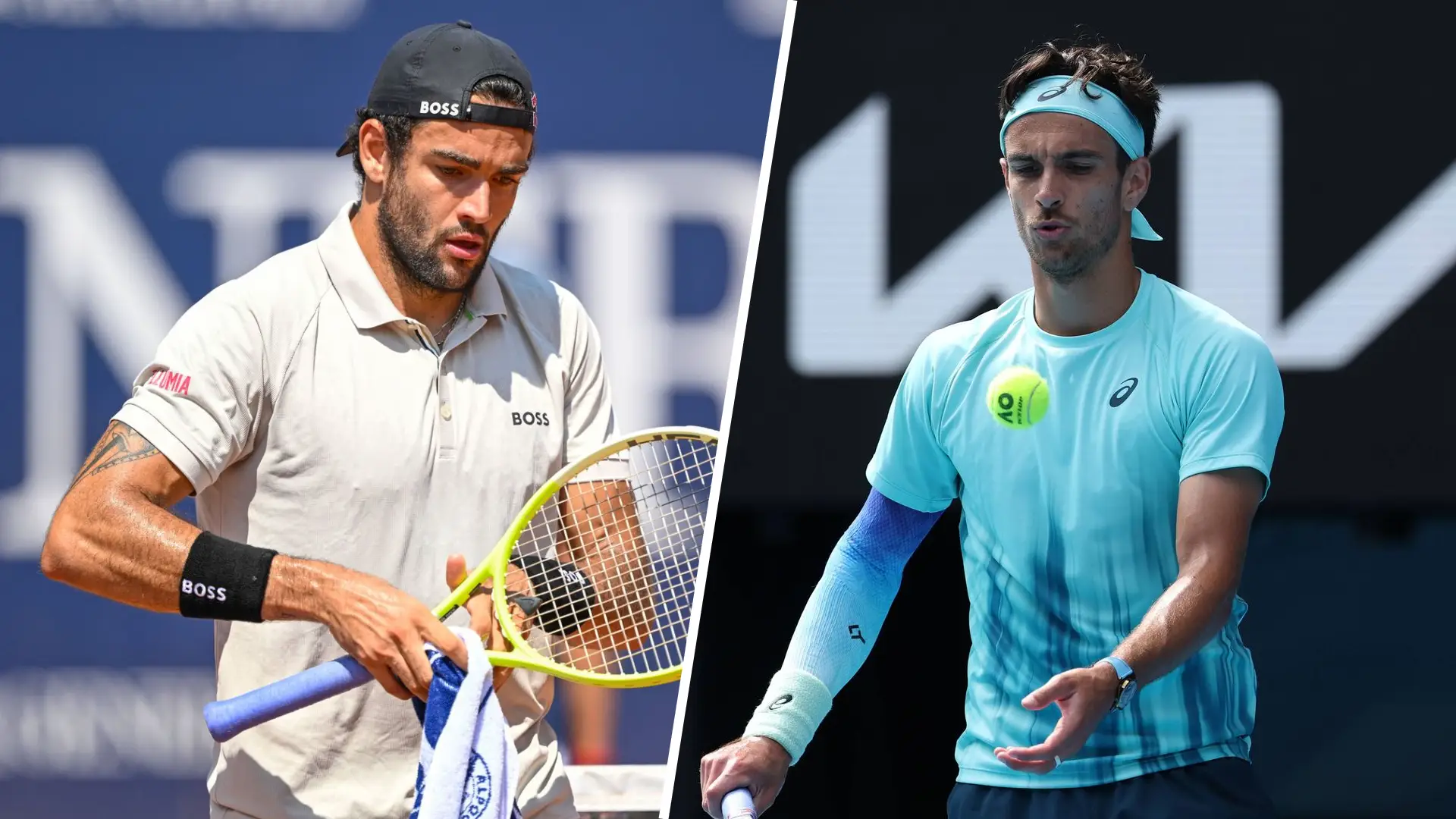
Marco Trungelliti's tennis career has been a rollercoaster ride. He is back in the headlines after taking down Corentin Moutet in three sets to reach his first ATP semi-final in over 400 weeks at the Grand Prix Hassan II. However, his time in the sport has been less than straightforward with his ongoing battle against match fixing, leading him to leave his native Argentina worrying for his life.
In 2018, his tennis career would be swarmed by threats of match fixing. He fought bravely against the spreading threat common in tennis at lower levels, participating in investigations. He was described as a 'snitch' and a 'rat' after his involvement got the likes of Patricio Heras, Federico Coria, and Nicolás Kicker suspended from the sport for a certain period of time. Now unsafe in Argentina, he lives abroad with his family looking to turn his back on a threatening situation.
He dearly needed help, but it never came from the likes of the ATP and ITF. This was even after he was labelled as a snitch in the locker rooms at Roland Garros in 2018 amid the match fixing scandal. “That changed nothing. I don’t think the ATP Tour and the International Tennis Federation are really fighting corruption," he told L'Equipe in 2023. "They’ve set up a program, yes, but nobody cares! From time to time, they publish a statement saying they’ve caught a few players, but it’s nothing compared to all those fixing matches. We all know some of them—they don’t even hide it—and they’re still on tour, quietly. Players, coaches, fitness trainers, agents… it’s a whole system. A lot of people are involved."
Why it is a popular method of making money
There is a reason why it is such a popular method with money easy to make in huge bundles. "This is the easiest way to make money. Those who take the risk have nothing to lose. You can easily make €4,000 a month by fixing matches. The organisers know all this very well… and it suits them perfectly because it feeds the system and keeps it viable.”
It is so common in these Challenger and Future tournaments, even known to supervisors. However, on their own they are powerless and there seems to be no help coming their way.
Read also

“Players fix matches in Futures tournaments, earn money, very few get caught because nobody cares, and thanks to that they keep playing," he commented. "The same happens in Challenger events—there are always cases. It involves so many players… I think at least one match per day is fixed across the circuit. You just have to go to some Futures events—it’s crazy what you see. Some supervisors know, but they can’t do anything. They’re alone against a system. Everything is set up so nothing changes, so no one truly fights it. And if you try anyway, what happened to me will happen to you.”
Having to leave Argentina permanently
It was a fight he was seemingly fighting by himself. That was a harrowing situation for him, and the consequences emerged from this. “The last tournament I played in Argentina was in Buenos Aires in 2019," he explained. "The previous one, in Córdoba, we had issues with the family of Federico Coria. That’s when we decided to leave because of them. His father threatened my wife. We were at the tournament site. For me, that was unacceptable. We felt there was total impunity."
The decision to leave his home country was a tough pill to swallow, but the right one to make if he was going to protect his family not only from threat and violence, but their lives.
"If we still lived in Argentina, honestly, we would be very afraid," he said. "We had to make a decision. There was no other option—it was either that or risk being killed. It may sound exaggerated, but it could have happened. That’s what I felt. Being threatened by Coria’s father in the players’ lounge was too much. Nobody did anything. We went to talk to the tournament manager, and he said he couldn’t do much, except maybe talk to him.”
'Nobody cared about me'
Other tennis players who have been in similar situations to Trungelliti. From the events that has had happen to him, many players did not follow in the Argentine's footsteps in fear of that occurring to them.
“Nobody cared about me—I was completely abandoned," he admitted. "Because of my story, how many players now think: ‘If someone approaches me to fix a match, there’s no way I’ll report it after what Marco went through’? I’ve heard that a lot over the past five years: ‘Man, no way I’d do what you did because the ATP doesn’t care.’ And I think that’s exactly the message the ATP wanted to send: ‘If you report something, we don’t care what happens to you afterward.’ Same with the ITIA and ITF.
It was the cruel reality from the part of the world he was from. "If you live in a country where you can rob a bank without going to prison, you’ll keep doing it. It’s the same on the tour with match-fixing."
Regretting nothing
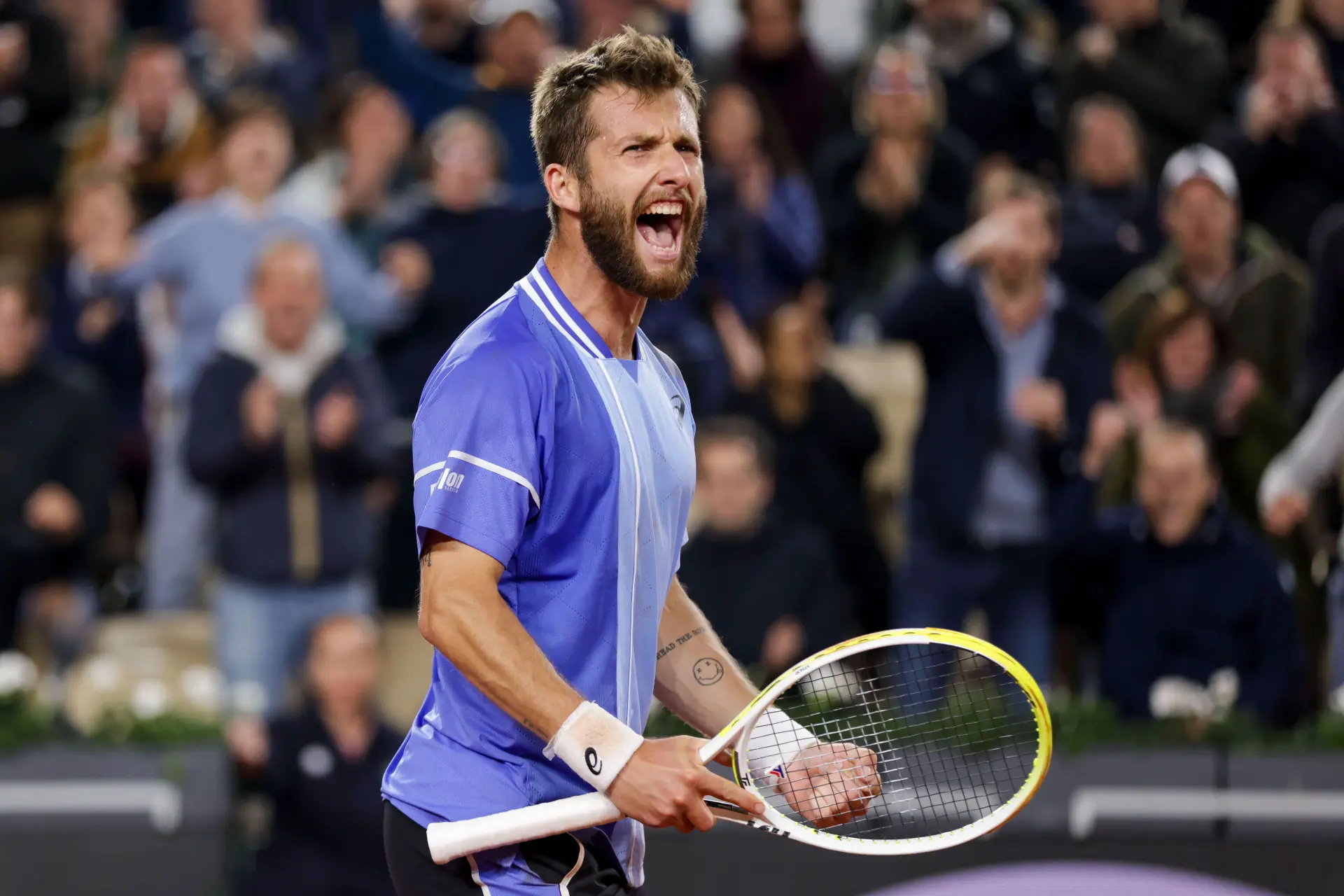
Despite everything he has been through, Trungelliti has absolutely zero regrets from what he did. “I regret nothing," he adamantly stated. "It was very clear in my mind. I knew what I had to do from the start. Apparently, I’m the exception… For me to feel proud, the ATP and ITF would have to genuinely fight match-fixing. Maybe one day…”
He overlooked huge sums of money, but did not allow himself to even get tempted. "I was offered $50,000 to fix a match. Fifty thousand dollars for one hour of work. If you even start thinking about it, you’re already in trouble. That’s usually what happens."
Fortunately, his love of the sport prevailed. "You have to really love the game not to accept," he explained. "But that love also depends on what you earn. If you have nothing, your passion fades because the sport doesn’t give back what you put in. You train eight hours a day, eat well, don’t go out, don’t party—all that to earn nothing, or even lose €2,000 a month. Eventually, your love for tennis disappears. It creates terrible feelings.”
Solutions to increasing problem
In recent times, there has been a clampdown in terms of dealing with people acquited with match fixing. Long suspensions have sent a message to others showing the consequences. For Trungelliti, he was firm with his argument that an increase in prize money would abolish the problem to an extent.
“Increase prize money. If you’re ranked in the top 200 and make $200,000 a year, you’re unlikely to take that risk. Or reduce expenses—have tournaments cover them. At an ATP 250, food and treatment are included. At Challenger level, you pay for everything."
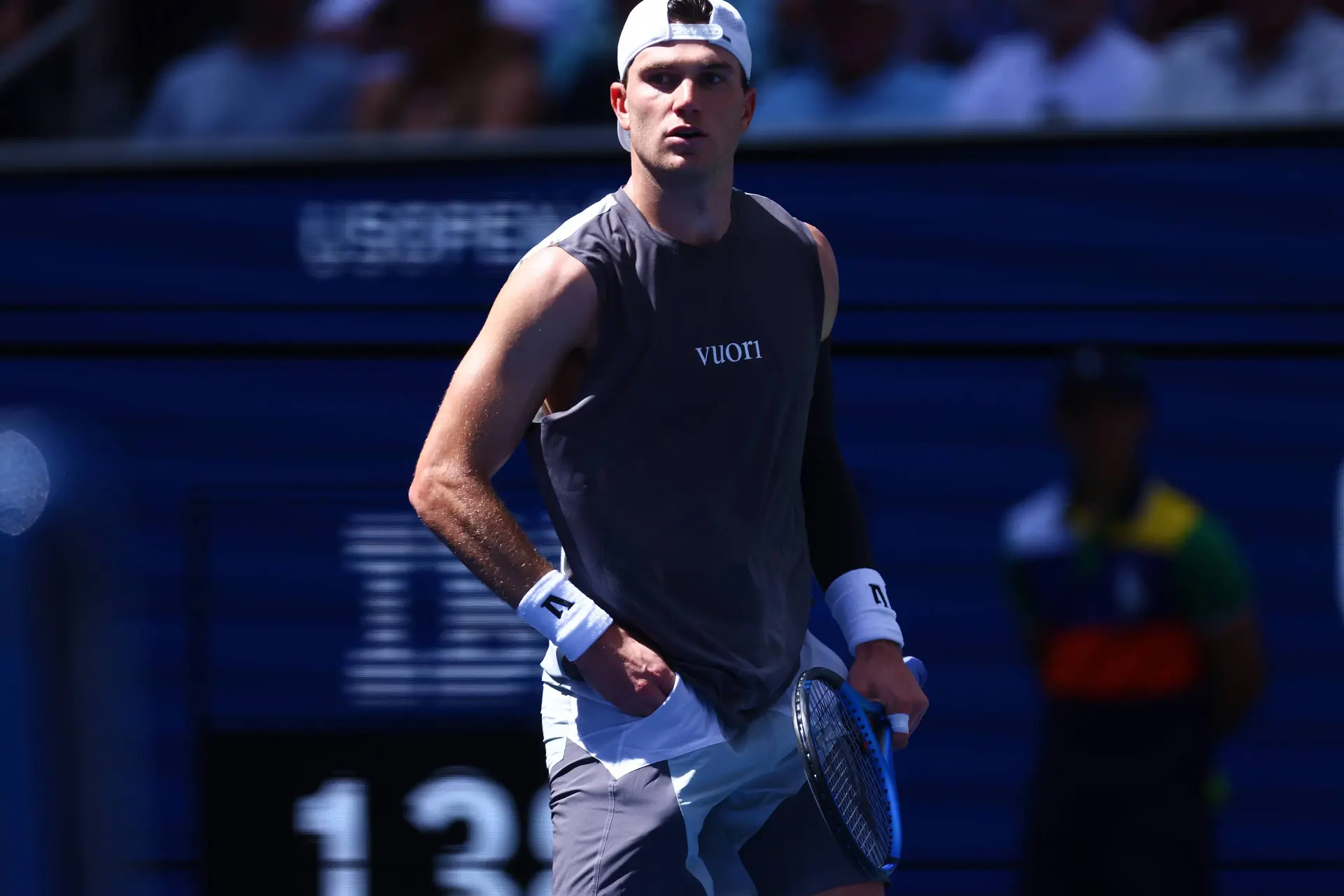
It is brutal to compete in Challenger tournaments, with the money earned usually going straight back into funding their fleeting tennis career. It can be easily undone with poor form or injury with support severely lacking. "We’ve discussed this with tour officials," he said. "They do their job, but the top executives—like Gaudenzi or his staff—never show up when we ask for basic things like free laundry or stringing. Many players restring three or four rackets per match. At €20–25 per racket, it’s impossible to make money unless you go deep in tournaments. And when you get injured, you get no support.”
That is the harsh reality, and the life Trungelliti has been committed to. "If I stop tomorrow, I have nothing. That’s hard to accept. I’m a solid player who has played Grand Slams. I’m not asking to live comfortably forever, but at least to have some savings. If I get seriously injured tomorrow and can’t return, then I’ve wasted 15 years. Being top 150 in a sport played by so many people should pay well—but it doesn’t. I hope the Professional Tennis Players Association will put pressure on the ATP to improve things.”
Trungelliti has already earned €31,955 from the Grand Prix Hassan II, making it a very profitable venture into Africa. It has a lot more benefits as well. Now debuting in the top 100, this will offer the qualifier chances of playing in other ATP events, including entry into Grand Slams without going through the qualifying process with guaranteed money before even hitting a ball. This is thanks to his heroics in Morocco, something he did not have the luxury of having three years ago.

Lucas MichaelTennis Journalist
Lucas Michael is a tennis journalist based in Cambridge, UK, specializing in comprehensive coverage of the ATP and WTA tours. For the past 1.5 years, he has been a core contributor to TennisUpToDate, where he has authored more than 3,000 data-driven match reports, deep-dive analysis pieces, and engaging liveblogs.
Lucas pairs real-time statistical analysis with on-the-ground reporting, frequently traveling to tournaments to cover the action firsthand from the press box and player press conferences. This blend of advanced metrics and direct access allows him to provide sharp context regarding player form, tactical trends, and breaking tour developments.
He holds a BA (Hons) in Sports Journalism. Grounded in core journalistic ethics, Lucas places a strict emphasis on meticulous sourcing, editorial accuracy, and a commitment to updating live content swiftly as verified information emerges.
claps 0visitors 0
Just In



Popular News

Latest Comments
- Lena... Takin' care of business
 mandoist25-10-2026
 - Can you please stop publishing this nonsense? Stick to Tennis.mandoist25-10-2026
- Does Sinner need that 4.5 mil? I doubt it. He can make that with three modelling gigs!😅🤣Rapunzel21-10-2026
- Did "People Magazine" purchase this website? This nonstop storyline is bullshit.mandoist21-10-2026
- Listen... this is of no concern to anyone but these two. Deal with your own issues -- most of us have our own. Thanks, media, for these insignificant follow-ups which are meaningless.mandoist21-10-2026
- This is so very very sad, for all three of them. I truly thought they had an unbreakable bond, but life throws up so many differing challenges. Having your homeland suffering in such a terrible way, makes happiness lose out to guilt as well. Our thoughts are with them. X💔bjsexton20-10-2026
- I have lost all respect for Svitolina! Could she not have waited until he had played at the Paris Masters!!! She is selfish and don't give a damn about Gael. That is NOT how love is demonstrated Elina!!Rapunzel19-10-2026
- Perhaps convenient tennis tour sex is not a strong enough experience in which to base a marriage?mandoist19-10-2026
- Fight the Good Fight... Tennis (sports in general) need more Humans such as yourself.mandoist18-10-2026
- When is WTA going to mandate Genetic Testing (DNA) ???mandoist18-10-2026

Loading