“We started from zero — now he’s a Masters champion”: Valentin Vacherot’s brother and coach shares emotional Shanghai story
ATP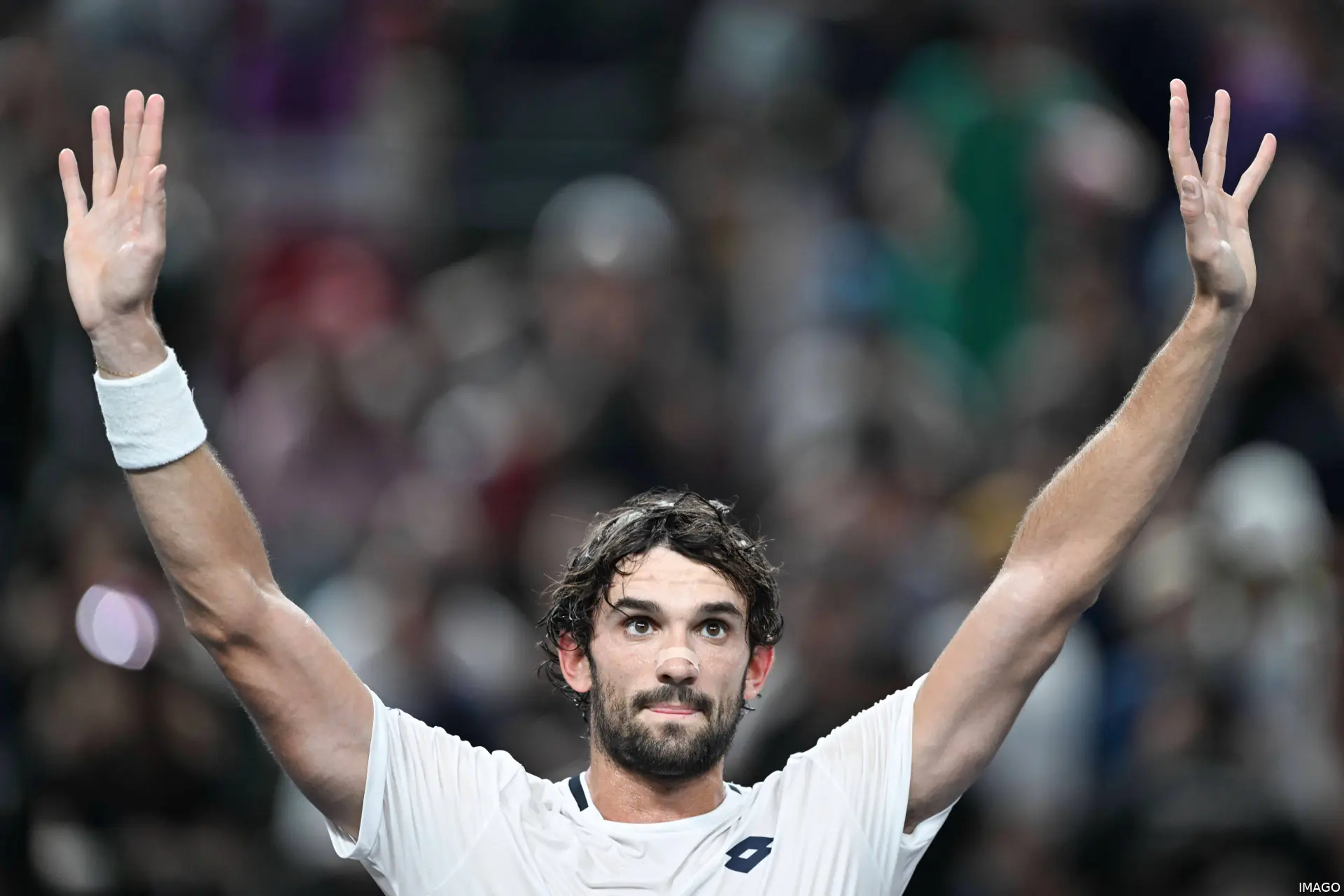
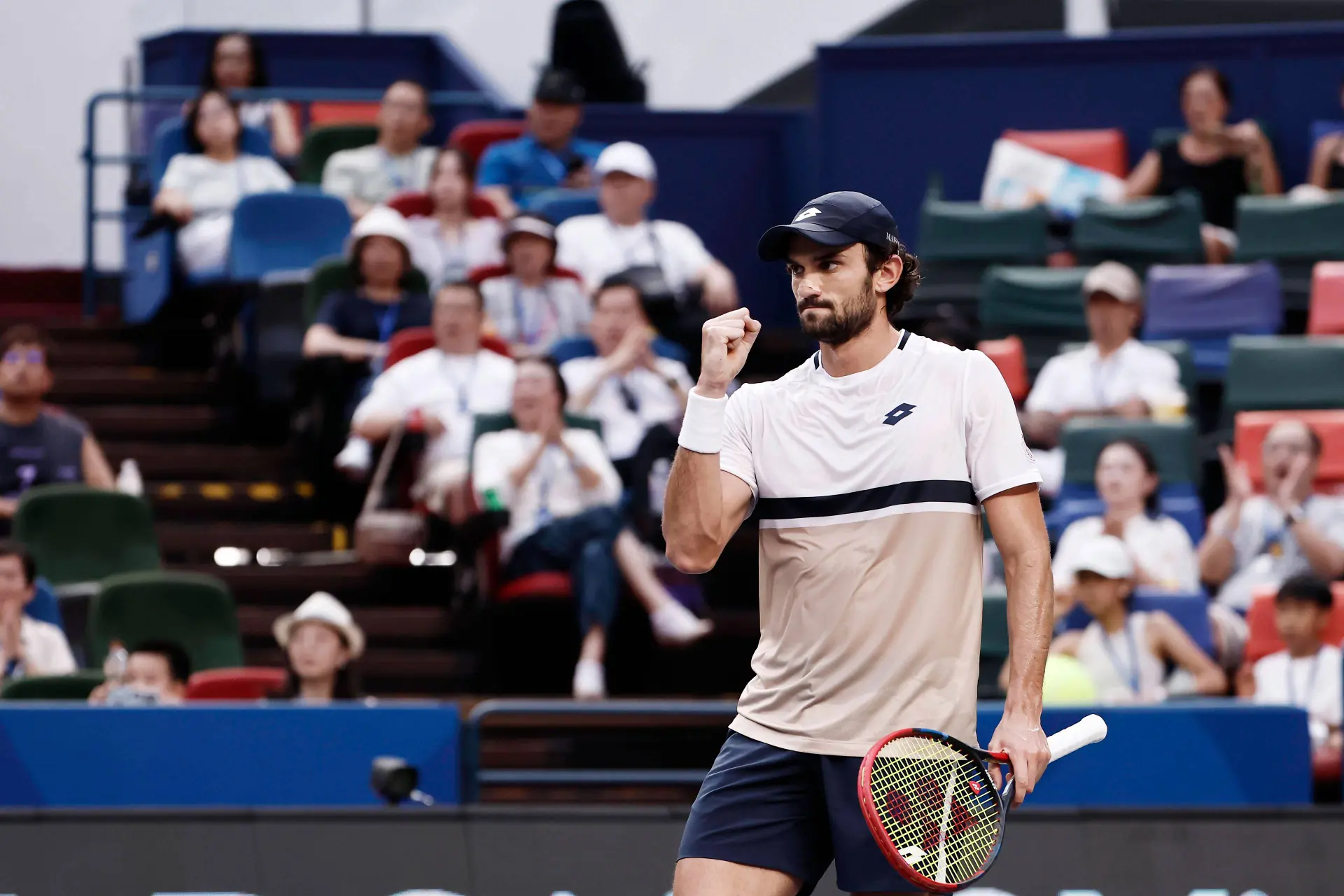
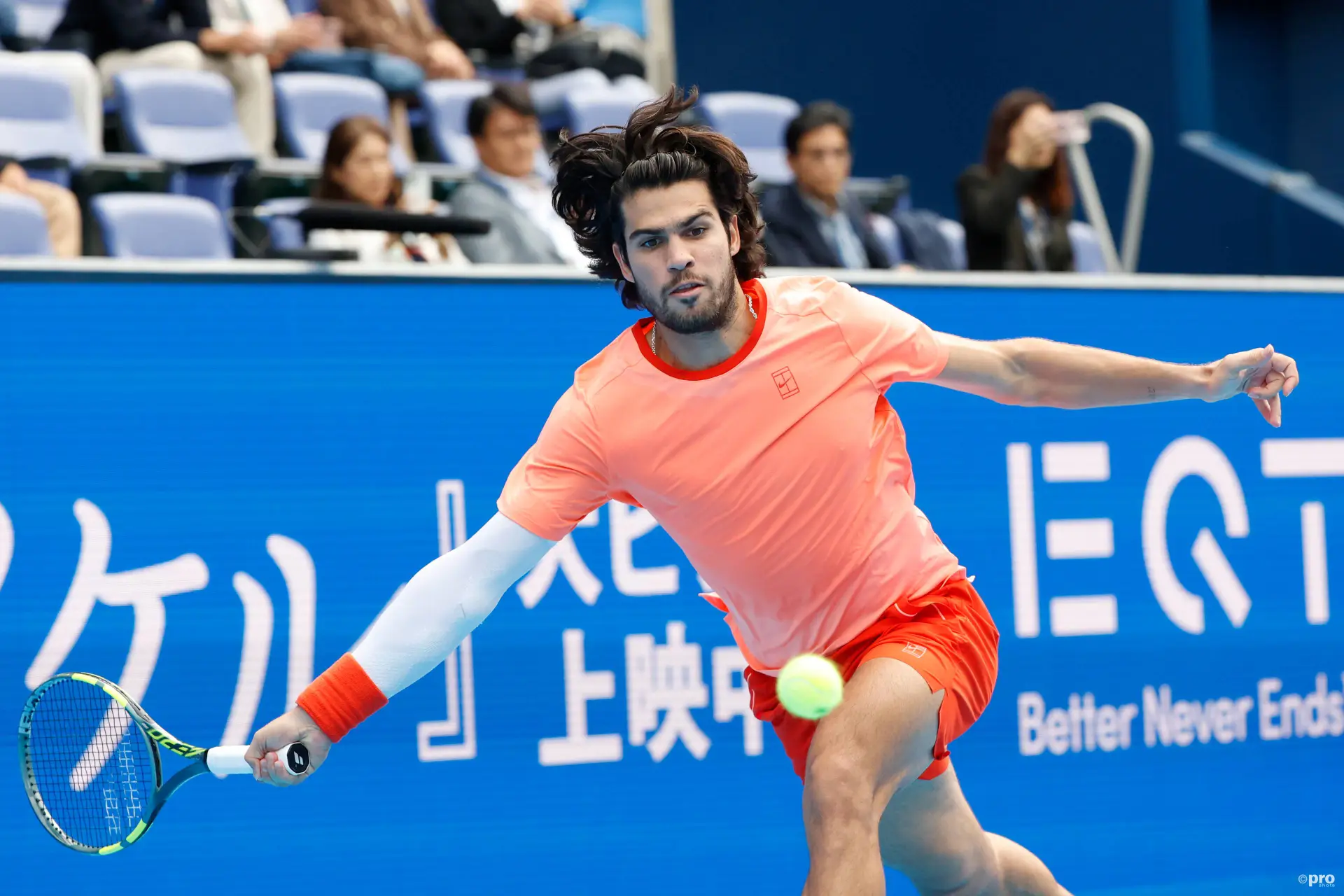
Valentin Vacherot’s victory at the 2025 Shanghai Masters was the kind of story tennis fans dream about — and rarely witness. Ranked No. 204 and coming through qualifying, the 26-year-old from Monaco stunned the sport by winning his first ATP title, and not just any trophy but a Masters 1000. No player ranked that low had ever lifted a Masters title since the category was created in 1990.
It wasn’t just the ranking that made it historic, but the quality of his run. Vacherot toppled Alexander Bublik, Tomas Machac, Tallon Griekspoor, Holger Rune, Novak Djokovic and, finally, his cousin Arthur Rinderknech. His straight-sets win over Djokovic shook the tennis world, while the emotional all-family final against Rinderknech sealed what many called the Cinderella story of the season.
The title also rewrote history for Monaco: never before had a player from the principality won an ATP singles trophy. With the victory, Vacherot leapt roughly 160 places to around world No. 40 and earned over a million dollars in prize money. For his coach and half-brother Benjamin Balleret, though, the emotions went far beyond statistics — this was the culmination of years of sacrifice, faith, and doubt.
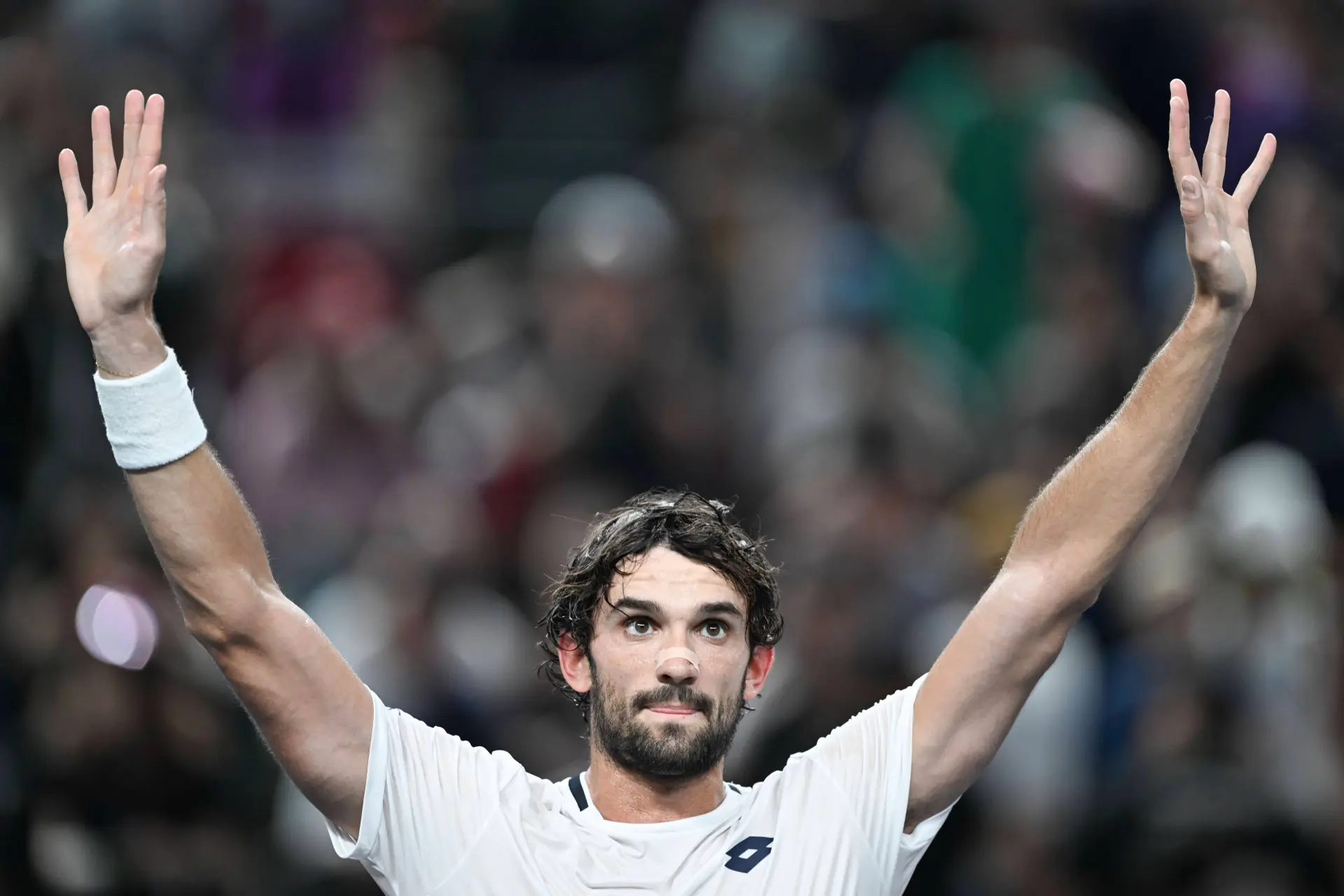
“When Val turned 18 he wanted to be a professional tennis player, but he was not mature enough in the head and also in the fitness,” Balleret recalled. “He was so skinny. He was not developed physically. The family, we discussed it, and we advised him to go to America to college — to learn about tennis, to practice, to have a great coach with Steve Denton. So he listened to us.”
From College courts to coaching lessons
Balleret admits that, at the time, he doubted how far his brother could go. “In my mind it was, okay, he’s going to go to Futures, he’s going to lose. Even if I help him, it’s going to take years for him to develop enough to reach the top 100 or top 50. That was my feeling and my idea about Val.”
While Vacherot was learning the ropes at Texas A&M, Balleret was building his own reputation as a coach. “I started with Gilles Müller, who believed in me at the time, and we did two and a half amazing years together,” he said. “I learned — I mean, coaching, you learn every day. You don’t learn two years and then you’re a great coach. Then with Pierre-Hugues Herbert we had almost five years and it was again great. He’s an amazing person, and I also learned a lot.”
Those years gave him the perspective he would later bring back to the family project. “I always had in mind that, if Val came back from college still wanting to be a pro, I would help him,” Balleret explained. “And I wanted to help because he’s my brother. It doesn’t matter if you have the best qualities or not — if you really work and you want it so much, then you have to go all the way. You never know what can happen. If you are 200, you can be 150. If you are 150, you can be 100. Just always put another goal, another goal.”
Starting from zero
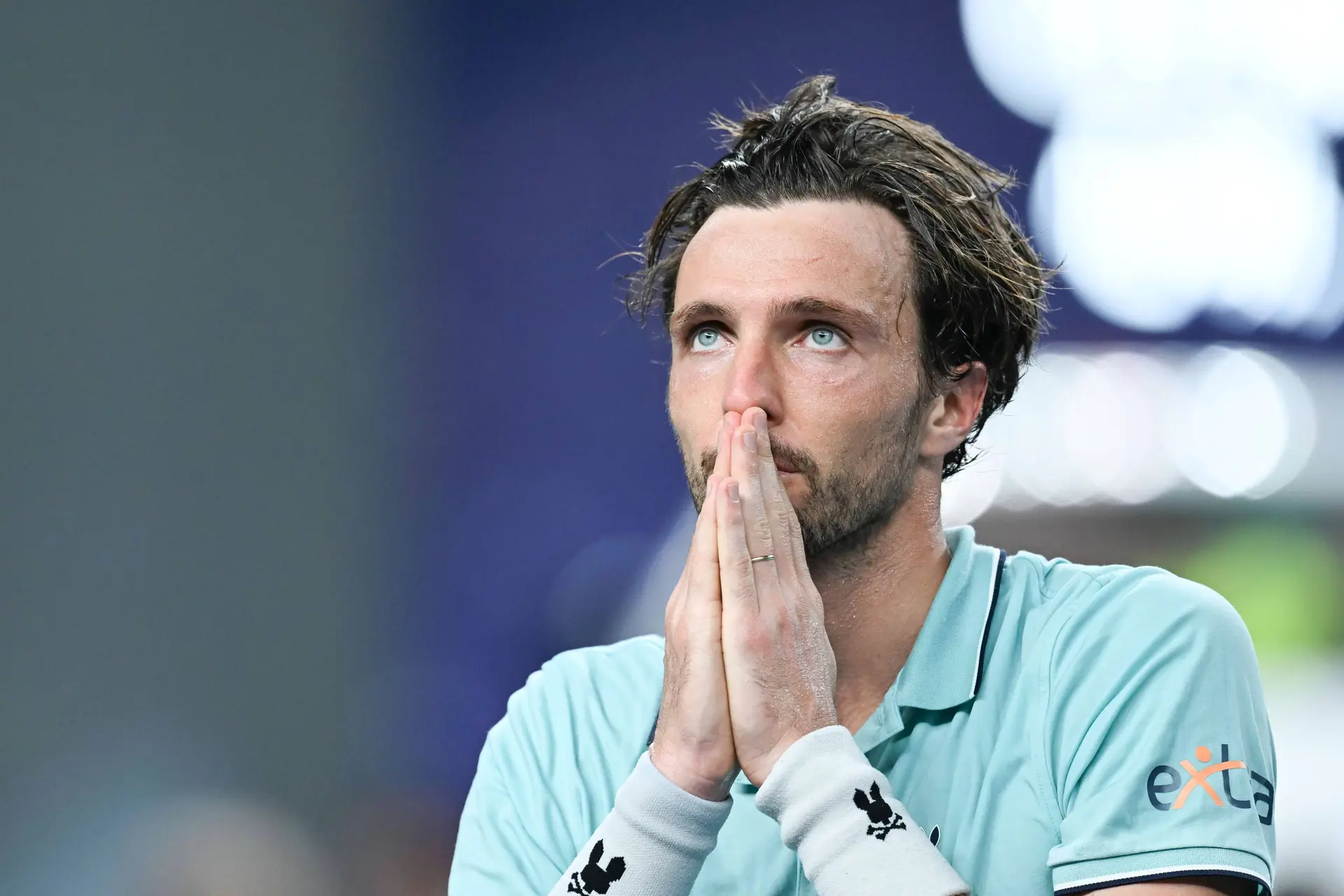
That chance came in the summer of 2021. “At the end, he came back, and we went from zero,” Balleret said. “It’s also why you see so much emotion today — because it’s been such a long way. Sometimes you lose a little bit of faith. You have bad losses. It’s difficult emotionally because it’s family; it’s not only a player you work with, which is already difficult because you want it so much. But when it’s your brother, it’s even more.”
The grind was slow and often thankless — small tournaments, long travel, modest wins. Yet each step built belief. “We had ups and downs but we kept working," Balleret continued. "The important thing was to stay patient, to focus on the next step, to believe in the process. Now, to be here in front of you guys today as Val is a Masters 1000 champion — it’s just unbelievable.”
The words carried the raw emotion of a man who had not only guided a player but shared the same bloodline and dreams. As Vacherot lifted the trophy, cameras caught Balleret wiping away tears — the kind of moment that transcends the sport.
A story of patience, family, and belief
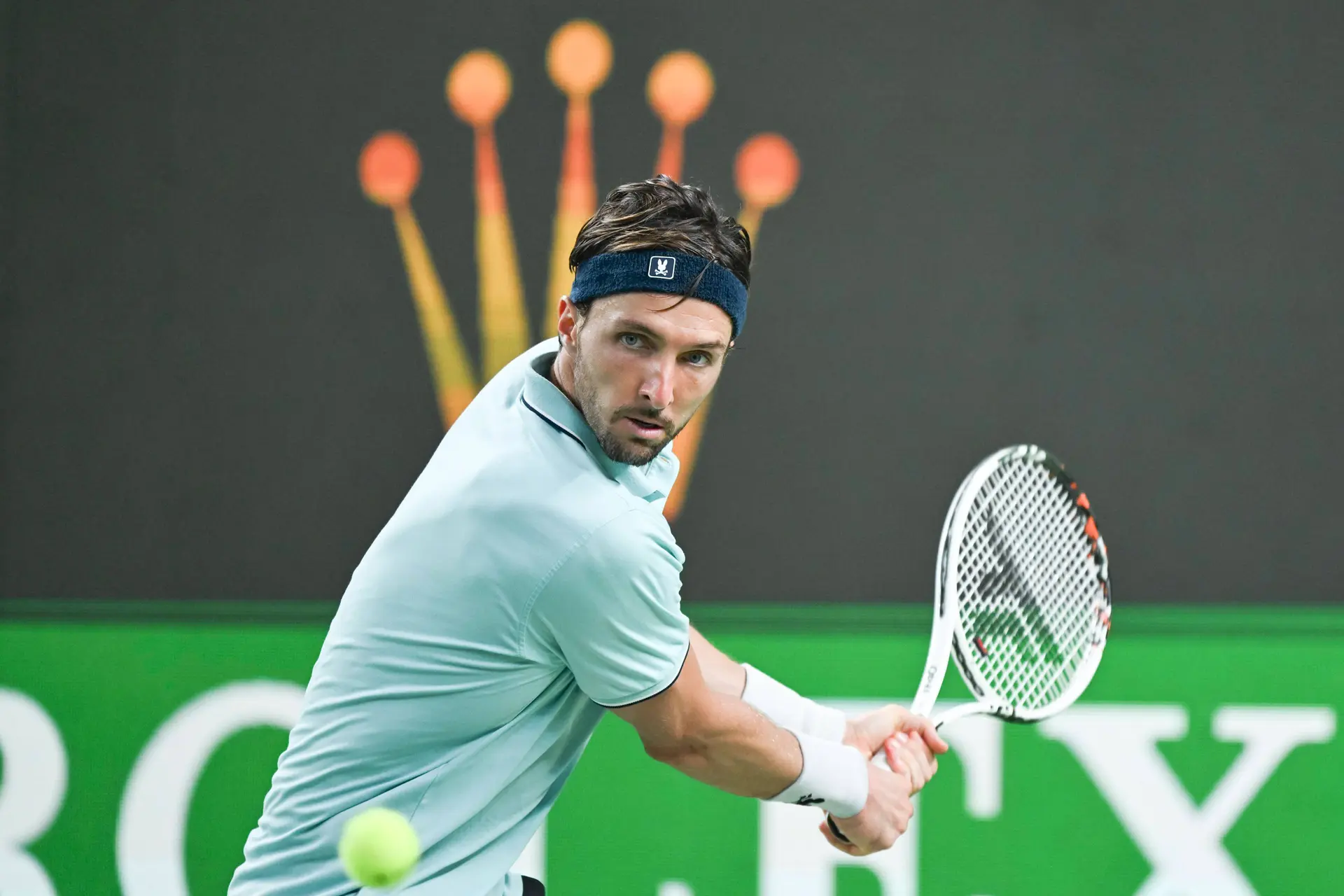
The win in Shanghai instantly changed Vacherot’s career, but the story behind it may inspire players far beyond Monaco. “For me it doesn’t matter if you reach No. 200 or No. 50," Balleret added. "What matters is that you go full to reach your potential. You never know what can happen.”
Vacherot’s climb from overlooked college player to Masters champion is a reminder that late bloomers can still make miracles. From his family’s decision to send him to Texas, to the nights grinding in qualifiers, to the moment he beat Djokovic, every chapter carried the same thread: faith and hard work.

Cristhián AvilaTennis Journalist
Cristhián Ávila is a tennis journalist based in Santiago, Chile, and has been part of the TennisUpToDate team since early 2023. He covers the ATP and WTA Tours as well as all four Grand Slams, producing breaking news, match reports, analysis, and regular liveblogs from major tournaments.
His reporting combines statistical analysis with clear explanation, helping readers understand tactical developments, player form, and broader storylines across the tour. Working fluently in both Spanish and English, Cristhián collaborates with an international editorial team and contributes to comprehensive global coverage. As part of his work, he has conducted interviews and media interactions with leading figures in the sport, including Caroline Wozniacki and John McEnroe.
In his journalism, Cristhián places strong emphasis on careful sourcing, editorial accuracy, and updating articles promptly when new, verified information becomes available. His coverage is grounded in research, context, and direct engagement with professional tennis.
claps 0visitors 0
Just In


Popular News
Latest Comments
- A healthy Qinwen may be hard to stop next season. She was already scaring her opponents before her medical leave(s). Unfortunately, Zheng insisted on singing again. On the positive side -- Mirra did not sing!! ;~}
 mandoist11-10-2026
 - Where is it written that athletes, entertainers... People in general... are mandated to keep looking at -- or even using [anti]Social Media? Public & private figures consistently complain and reveal their concerns about negativity and violence thrown at them -- yet they insist on participating. Avoid it, don't use it, don't read it. It's okay to occasionally look up at the World instead beating your eyes & thumbs to death on The Inventions out there.mandoist11-10-2026
- great articlestennisseserver07-10-2026
- Medvedev was leading Djokovic 7-5, 3-5 when an attempted return..' NO you ignorants, Djokovic was leading .weiss05-10-2026
- No more bullshit "Wildcards" to these two. Qualify like everyone else -- there will be cameras there, too. Time to scream... WTF ????!!!!mandoist29-09-2026
- Let's not BS the general public -- Sabalenka started showing cracks in her game last season. Her losses and near-losses started at about the same time she began being distracted by Fame (constant Selfies, making TV commercials, magazine shoots, endless Social Media nonsense, etc., etc.) One would think even Saba could recognize the parallels with others who failed before her -- Raducanu, Giorgi, Bouchard to name a few.mandoist25-09-2026
- Gross!! Hey Raducanu, Giorgi, and Bouchard -- reserve a seat at your Social Media Selfie table for Saba + Naomi. They're heading in your direction soon enough.mandoist24-09-2026
- And then these same players will complain about how lengthy their season’s were and need more time-off. I’m all for more tennis but the amount of tennis we get now is actually kind of crazy! We all need a break, especially the players.DaveyWavey23-09-2026
- You should do a comparison article for "different kinds of justice" the courts decide for tennis players. I can think of at least three players who received very small bans of a few months, however Tara Moore has been fighting for her literal survival the past few years. It seems odd considering she is not a "name" player, unlike the other cases.DaveyWavey22-09-2026
- PRIZE MONEY & POINTS Winner - $185,500 Finalist - $114,500 Semi-Finalist - $66,003 Quarter-Finalist - $35,000 Round of 16 - $18,045 Round of 32 - $13,005 Winner - 500 Finalist - 325 Semi-Finalist - 195 Quarter-Finalist - 108 Round of 16 - 60 Round of 32 - 1DaveyWavey20-09-2026

Loading