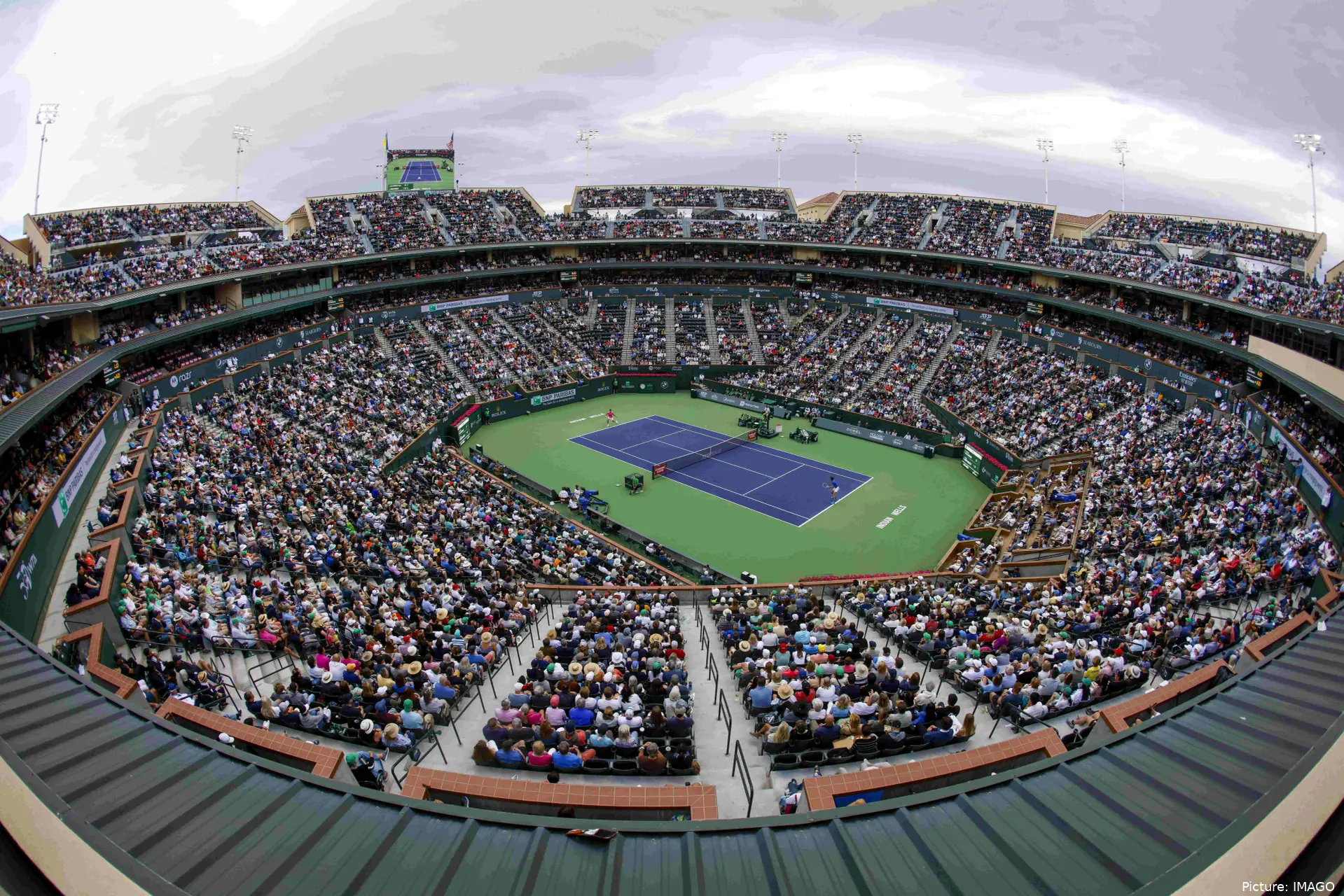
A packed stadium under bright lights makes an easy headline. A Grand Slam night session carries an energy that even casual fans recognize, and that attention often spills into betting markets through sheer visibility. Yet tennis rarely disappears after the trophy ceremony. The tours keep moving, storylines keep evolving, and matchups keep arriving from different time zones with almost no downtime.
That steady cadence creates a different kind of peak. It is less like a single mountain and more like a range, built from weekly form shifts, travel fatigue, surface changes, and the way confidence can swing after one tight match. For experienced followers, the question becomes less about which moment matters most and more about which part of the calendar produces the sharpest focus.
Why Grand Slams Create the Loudest Surges
Grand Slams concentrate attention because they simplify the narrative. The best players show up, the media coverage thickens, and each round feels like a clear step toward a known destination. Tennis also changes character at this level. Pressure rises, margins tighten, and the longer match format in men’s singles forces different physical and tactical questions than a typical tour week.
Betting interest often spikes here because information feels easier to trust. Public form looks clearer, the courts stay consistent through the event, and players speak more openly about health and expectations. Markets also move faster, because more people watch the same points at the same time. That creates a feedback loop where visibility drives activity, and activity drives even more attention.
Even so, the loudest moments can blur judgment. Bigger stages produce bigger narratives, and narratives can pull focus away from matchup specifics. Anyone tracking tennis seriously knows the sport loves ambushes. A “safe” favorite can arrive undercooked, and an unseeded player can look ordinary until one surface fits perfectly.
Promotions and bonuses should match the sport’s rhythm
Tennis runs on repetition. That means many adult bettors interact with markets repeatedly across a season, rather than only during the majors. In that environment, legitimate, high-quality promotions gradually shape expectations and behaviour over time, especially when they are presented transparently, such as through clearly explained offers like a BetMGM bonus code. A good promotion sets clear terms, reflects local rules, and avoids vague conditions that create confusion when a match gets delayed, suspended, or rescheduled.
For adults who choose to bet where it is legal, promotions are placed inside a wider checklist that prioritizes legitimacy over hype. The tour schedule creates plenty of temptations, so discipline starts with the basics.
- Confirm the operator holds a license in the relevant jurisdiction and displays it clearly.
- Read the key terms in plain language, especially how withdrawals work and how voided matches get handled.
- Treat any “limited time” messaging as noise, then evaluate the offer at the same pace as any other decision.
That approach connects directly to the calendar question. Grand Slams bring short bursts of mass attention, while weekly tours reward consistent process. Promotions only add value when they align with that process and stay transparent from start to finish.
Weekly tours keep betting interest strong for different reasons
Tour-level events sustain engagement because they reward context. Travel schedules, quick turnarounds, and surface switches can matter as much as ranking. A player can look sharp in one region, then struggle a week later after a long flight and different ball speed. Doubles can signal how someone moves, and early round matches often reveal more about physical readiness than press conferences ever will.
This is where experienced followers often feel the true pulse of tennis betting. The market has to price more uncertainty. That uncertainty creates constant debate about what matters most right now. Recent workload matters, but so does matchup style. A heavy topspin baseliner can force uncomfortable contact points on certain courts, and a big server can turn many sets into a small number of deciding moments.
Weekly tours also keep fan attention alive through ongoing arcs. A coaching change shows up in patterns, not slogans. A confidence dip becomes visible through cautious second serves, passive court position, or rushed decisions on key points. These signals emerge most clearly when the calendar keeps giving new samples.
The industry backdrop shaping how people engage
The global sports betting industry has expanded its footprint, improved its product design, and tightened its compliance posture in many places. That shift matters for tennis because the sport runs globally and the audience travels across jurisdictions, both physically and online. Rules vary widely, so operators and media outlets often tailor what they show, which markets they list, and how they message risk.
At the same time, integrity work has become more central to how the sport protects itself. Tennis faces unique vulnerabilities at lower tiers, where visibility drops and incentives can distort behavior. Industry stakeholders, including sportsbooks, data providers, and regulators, increasingly emphasize monitoring and reporting systems to flag irregular patterns. That creates a climate where legitimacy becomes part of the product, not a footnote.
This broader context also explains why peaks look different depending on where someone lives. In some markets, the majors dominate because media coverage dominates. In others, year-round engagement stays high because regulated access, reliable data feeds, and consistent broadcast distribution keep tennis in constant rotation.
So where does interest really peak?
Grand Slams deliver the biggest surges because they gather the widest crowd around the same matches. Weekly tours deliver the steadiest intensity because they reward those who follow the sport closely and treat each event as a new information set. Tennis creates both kinds of peaks, and that is exactly why betting interest rarely disappears between the biggest stages.
For serious followers, the calendar offers a practical takeaway. Treat Grand Slams as moments of maximum spotlight, then treat the weekly tours as the real engine that keeps attention alive. The sport’s rhythm never stops, and neither does the need for careful, adult-only, legally compliant engagement.

Samuel GillEditor-in-Chief
Samuel Gill is the Chief Content Officer (CCO) of TennisUpToDate.com, a role he has held since 2020. He is responsible for editorial governance across the platform, including setting content standards, overseeing accuracy and consistency, and guiding long-term editorial strategy. Since joining, he has contributed more than 10,000 articles and editorial pieces across the TennisUpToDate network, playing a central role in the daily operation and development of the site.
Based in Leicester, Samuel has a broad background in tennis media. In his current role, he works closely with editors and writers to ensure coverage meets clear journalistic standards, with particular attention to verification, consistency, and timely updates when new information becomes available.
claps 0visitors 0
Just In

Popular News
Latest Comments
- Fight the Good Fight... Tennis (sports in general) need more Humans such as yourself.
 mandoist18-10-2026
 - When is WTA going to mandate Genetic Testing (DNA) ???mandoist18-10-2026
- Hey, Dan... you just wake up from a coma? Regardless -- Thanks for the comedy this morning!mandoist18-10-2026
- Two Things: 1. Stop allowing these Spoiled Trust-Fund Elitists to behave badly. Your little hand-slaps do not deter them. 2. STOP the incessantly annoying "towel wiping" nonsense!!!!mandoist15-10-2026
- A healthy Qinwen may be hard to stop next season. She was already scaring her opponents before her medical leave(s). Unfortunately, Zheng insisted on singing again. On the positive side -- Mirra did not sing!! ;~}mandoist11-10-2026
- Where is it written that athletes, entertainers... People in general... are mandated to keep looking at -- or even using [anti]Social Media? Public & private figures consistently complain and reveal their concerns about negativity and violence thrown at them -- yet they insist on participating. Avoid it, don't use it, don't read it. It's okay to occasionally look up at the World instead beating your eyes & thumbs to death on The Inventions out there.mandoist11-10-2026
- great articlestennisseserver07-10-2026
- Medvedev was leading Djokovic 7-5, 3-5 when an attempted return..' NO you ignorants, Djokovic was leading .weiss05-10-2026
- No more bullshit "Wildcards" to these two. Qualify like everyone else -- there will be cameras there, too. Time to scream... WTF ????!!!!mandoist29-09-2026
- Let's not BS the general public -- Sabalenka started showing cracks in her game last season. Her losses and near-losses started at about the same time she began being distracted by Fame (constant Selfies, making TV commercials, magazine shoots, endless Social Media nonsense, etc., etc.) One would think even Saba could recognize the parallels with others who failed before her -- Raducanu, Giorgi, Bouchard to name a few.mandoist25-09-2026

Loading