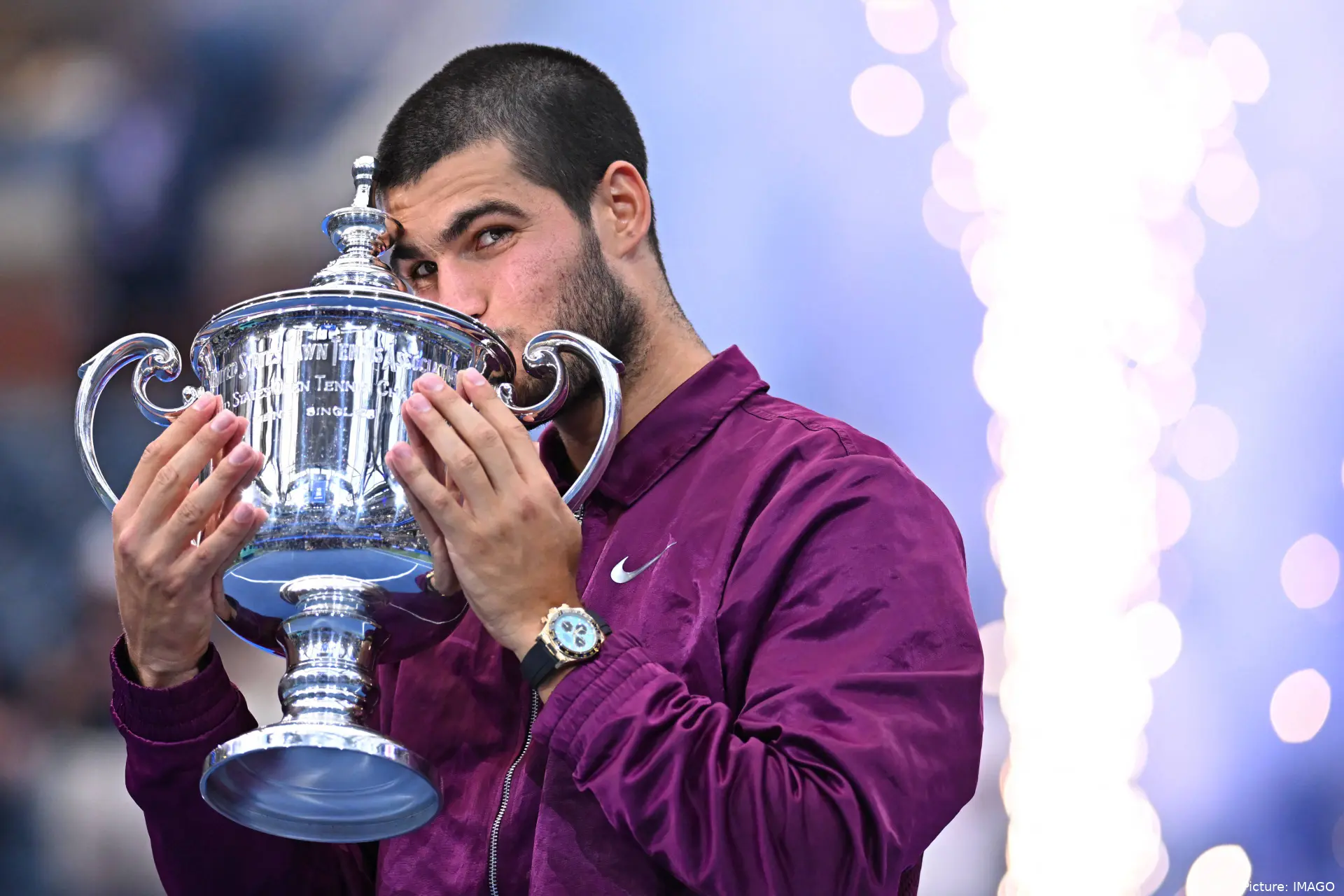
Every September in New York, the sport of tennis gives us its most raucous, dramatic, unpredictable stage. The US Open is loud, chaotic, glorious—and in almost every sense, the perfect finale. The champion hoists the trophy on Sunday night under the lights in Arthur Ashe, the confetti rains down, and yet… the tour just keeps going.
Asia swing absolutely no one outside of Asia cares about. European indoor swing. A couple of random ATP 250s. A late-fall WTA stop or two. By the time we get to the Tour Finals in Turin or the WTA Finals in Saudi Arabia of all places, players are physically shot, fans are emotionally flatlined, and the entire sport feels like a movie that doesn’t know when to roll credits. It’s time for tennis to stop pretending the calendar is fine, when it’s profoundly broken. The season is too long, too scattered, and too punishing. A simple fix is staring us in the face: end the tennis year at the conclusion of the US Open.
How it would work
Keep January in Australia, with one tweak: no ATP or WTA points events can begin until January 2. That still gives Australia its rightful opening slot on the calendar without forcing players to jet-lag themselves into oblivion before New Year’s champagne has even gone flat. Run the year exactly as it does now—Australian Open, spring hard courts, clay swing, Roland Garros, grass, Wimbledon, summer hard courts, U.S. Open. After the U.S. Open trophy ceremony? Curtain. Season over.
Two exceptions:
- The ATP Finals in Turin and the WTA Finals in Saudi Arabia still happen of course, but they begin two weeks after the U.S. Open ends.
- That’s it. No other tournaments. No points, no money events, no desperate autumn scheduling patchwork.
That might sound radical. But in reality, it would give tennis something it hasn’t had in decades: a defined season.
Why it matters
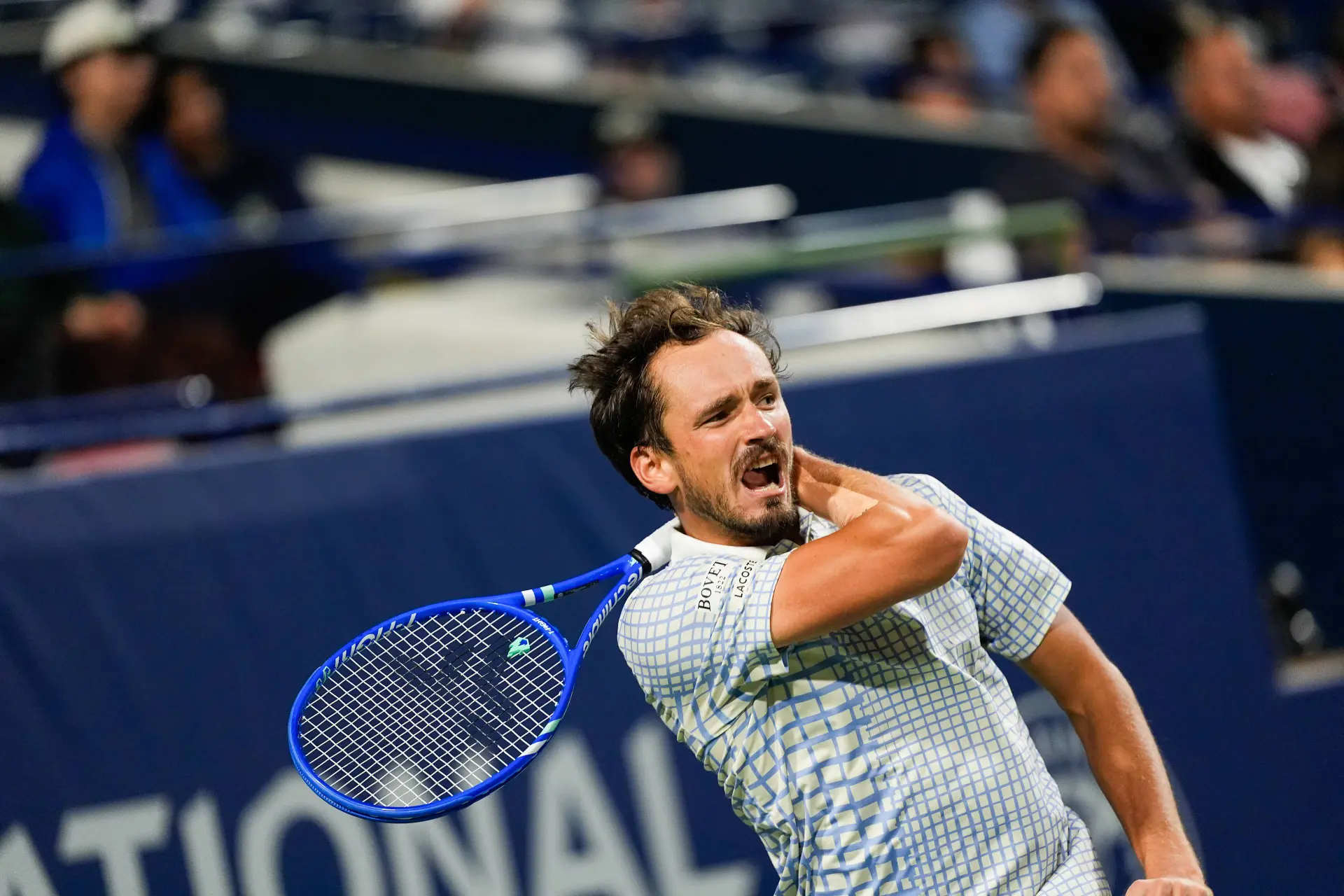
The current structure injures players and kills careers. The grind is merciless. You win the U.S. Open, you have maybe a week of downtime, and suddenly you’re on a plane to Asia to defend ranking points at some 500. By the time players get two weeks off in November, the Australian swing is basically around the corner. There’s no meaningful off-season. Which means there’s no meaningful time to recover, train, rebuild, or even breathe.
Sports that survive, and thrive, understand rhythm. The NBA has an off-season. The NFL has an off-season. Baseball has an off-season. The absence is part of the drama: fans miss it, players recover, narratives reset. Tennis? Tennis just staggers along like a zombie that refuses to die, even as it devours the energy of the very athletes who keep it alive.
Look at the injury list. Look at the number of stars who burn out young. Look at how many top players openly dread the fall schedule. Fans aren’t dumb—they know those matches don’t matter. They’re exhibitions in all but name.
The money question
The obvious critique: this takes away income from players who depend on those post-Open tournaments. That’s fair. But the bigger truth is this: the current system isn’t serving anyone particularly well. Tournaments in October are sparsely attended, rarely televised outside niche streaming, and watched by far fewer eyeballs than Wimbledon or even a 250 in February. The money flowing through those events is already thin, and it’s not making up for the toll on players’ bodies.
If the tours are serious about sustainability, they can redirect resources. Prize money can be spread more equitably during the first eight months of the year. Appearance fees for exhibitions can help players who want to earn outside the tour system, as can relaxing rules to allow more players into 250- and 125--level events.
The brutal irony is that the current “money swing” in the fall costs players more in health than it earns them in prize.
Why the sport needs closure
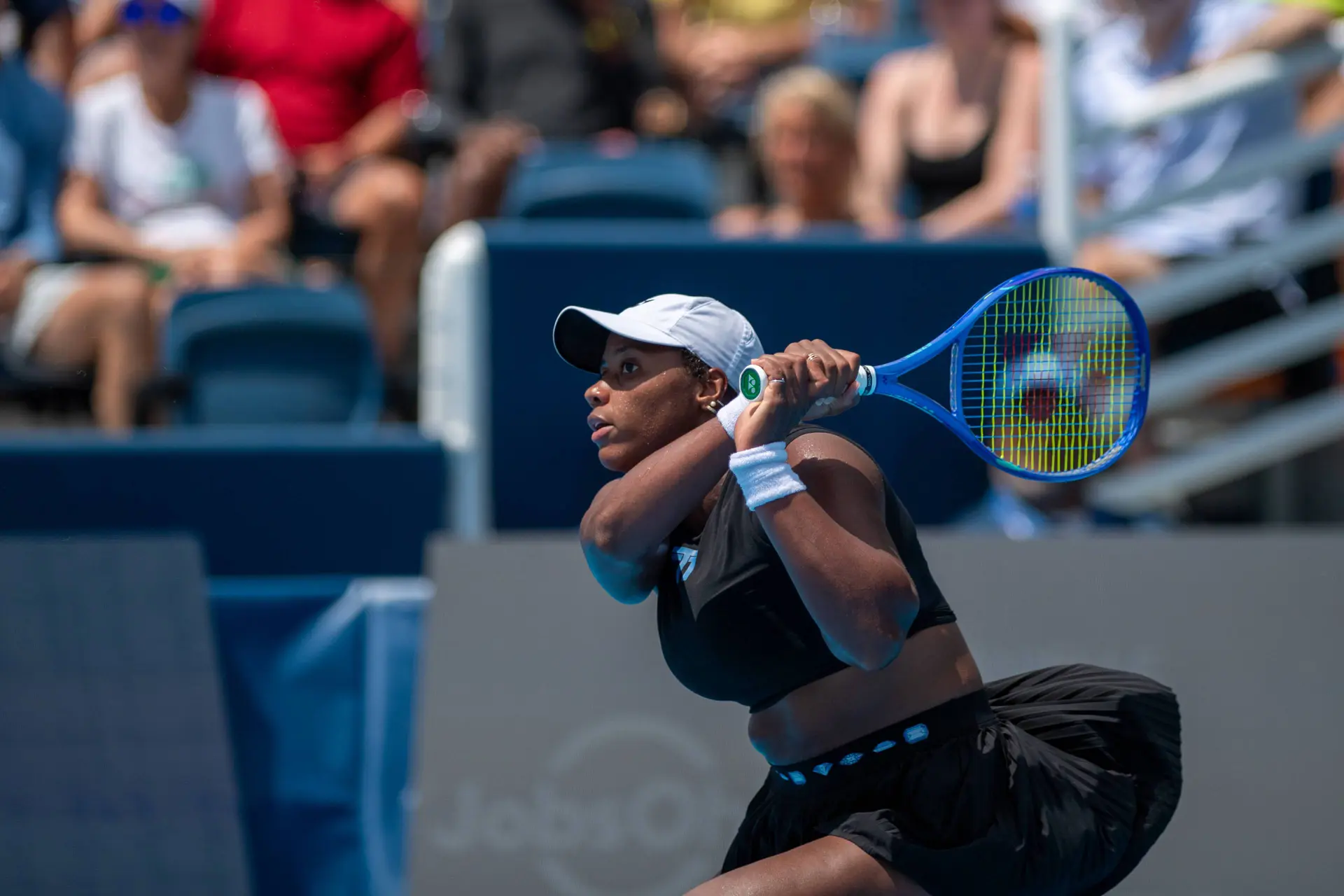
Ending the season at the U.S. Open gives tennis what it’s missing: an immensely important clean narrative arc. Think of how it would feel: Australia sets the stage, Roland Garros delivers the grit, Wimbledon brings the magic, and New York ends the story. A season with three acts and a finale. Fans could track it. Media could frame it. Players could live it. And when the Tour Finals roll around, they’d actually feel like a postseason celebration—an All-Star coronation of the best eight, not a tacked-on obligation.
Right now, the Finals are a dessert served after the meal has already gone cold. Under this system, they’d be exactly what they should be: the one last exclamation point after the season has ended.
Stop hurting the game
The reason this matters isn’t just the health of the players—it’s the health of the sport itself. Tennis can’t keep injuring its stars, watching them skip events, or grinding them into early retirements. A shorter, sharper season would build anticipation. It would protect athletes. It would create urgency. Most importantly, it would remind everyone that this sport is supposed to be a story. Right now, the narrative just dribbles into nothingness every autumn. That’s not a story. That’s a leak.
The call
The tours like to talk about innovation. They like to talk about “growing the game.” Here’s their chance. Grow it by ending it. Create a season that has structure, stakes, and sanity.
Let the U.S. Open be the full stop it deserves to be. Let Turin and Saudi serve as the encore. Then let the players rest. Let them heal. Let fans miss the game enough to be ravenous when it returns in January.
Because the truth is simple: tennis doesn’t need more tournaments. It needs more sense. And the most sensible thing the sport could do is admit what everyone watching already knows—by the end of New York, the story is done.
Aron SolomonGuest Author
A Pulitzer Prize-nominated journalist for his groundbreaking op-ed in The Independent exposing the NFL’s “race-norming” policies, Aron Solomon, JD, is a globally recognized thought leader in law, media, and strategy.
As Chief Strategy Officer for AMPLIFY, he leverages his deep expertise to shape the future of legal marketing. Aron has taught entrepreneurship at McGill University and the University of Pennsylvania and was honored as a Fastcase 50 recipient, recognizing him among the world’s top legal innovators. A prolific commentator on law, business, and culture, his insights regularly appear in Newsweek, The Hill, Crunchbase News, and Literary Hub.
He has also been featured in The New York Times, Fast Company, Fortune, Forbes, CBS News, CNBC, USA Today, ESPN, TechCrunch, BuzzFeed, Venture Beat and countless other leading global media outlets. We are proud to have Aron on board at TennisUpToDate, where his deep tennis expertise enriches the site with sharp, original columns that connect the sport to wider cultural debates.
claps 1visitors 1
Just In


Popular News
Latest Comments
- Two Things: 1. Stop allowing these Spoiled Trust-Fund Elitists to behave badly. Your little hand-slaps do not deter them. 2. STOP the incessantly annoying "towel wiping" nonsense!!!!
 mandoist15-10-2026
 - A healthy Qinwen may be hard to stop next season. She was already scaring her opponents before her medical leave(s). Unfortunately, Zheng insisted on singing again. On the positive side -- Mirra did not sing!! ;~}mandoist11-10-2026
- Where is it written that athletes, entertainers... People in general... are mandated to keep looking at -- or even using [anti]Social Media? Public & private figures consistently complain and reveal their concerns about negativity and violence thrown at them -- yet they insist on participating. Avoid it, don't use it, don't read it. It's okay to occasionally look up at the World instead beating your eyes & thumbs to death on The Inventions out there.mandoist11-10-2026
- great articlestennisseserver07-10-2026
- Medvedev was leading Djokovic 7-5, 3-5 when an attempted return..' NO you ignorants, Djokovic was leading .weiss05-10-2026
- No more bullshit "Wildcards" to these two. Qualify like everyone else -- there will be cameras there, too. Time to scream... WTF ????!!!!mandoist29-09-2026
- Let's not BS the general public -- Sabalenka started showing cracks in her game last season. Her losses and near-losses started at about the same time she began being distracted by Fame (constant Selfies, making TV commercials, magazine shoots, endless Social Media nonsense, etc., etc.) One would think even Saba could recognize the parallels with others who failed before her -- Raducanu, Giorgi, Bouchard to name a few.mandoist25-09-2026
- Gross!! Hey Raducanu, Giorgi, and Bouchard -- reserve a seat at your Social Media Selfie table for Saba + Naomi. They're heading in your direction soon enough.mandoist24-09-2026
- And then these same players will complain about how lengthy their season’s were and need more time-off. I’m all for more tennis but the amount of tennis we get now is actually kind of crazy! We all need a break, especially the players.DaveyWavey23-09-2026
- You should do a comparison article for "different kinds of justice" the courts decide for tennis players. I can think of at least three players who received very small bans of a few months, however Tara Moore has been fighting for her literal survival the past few years. It seems odd considering she is not a "name" player, unlike the other cases.DaveyWavey22-09-2026

Loading