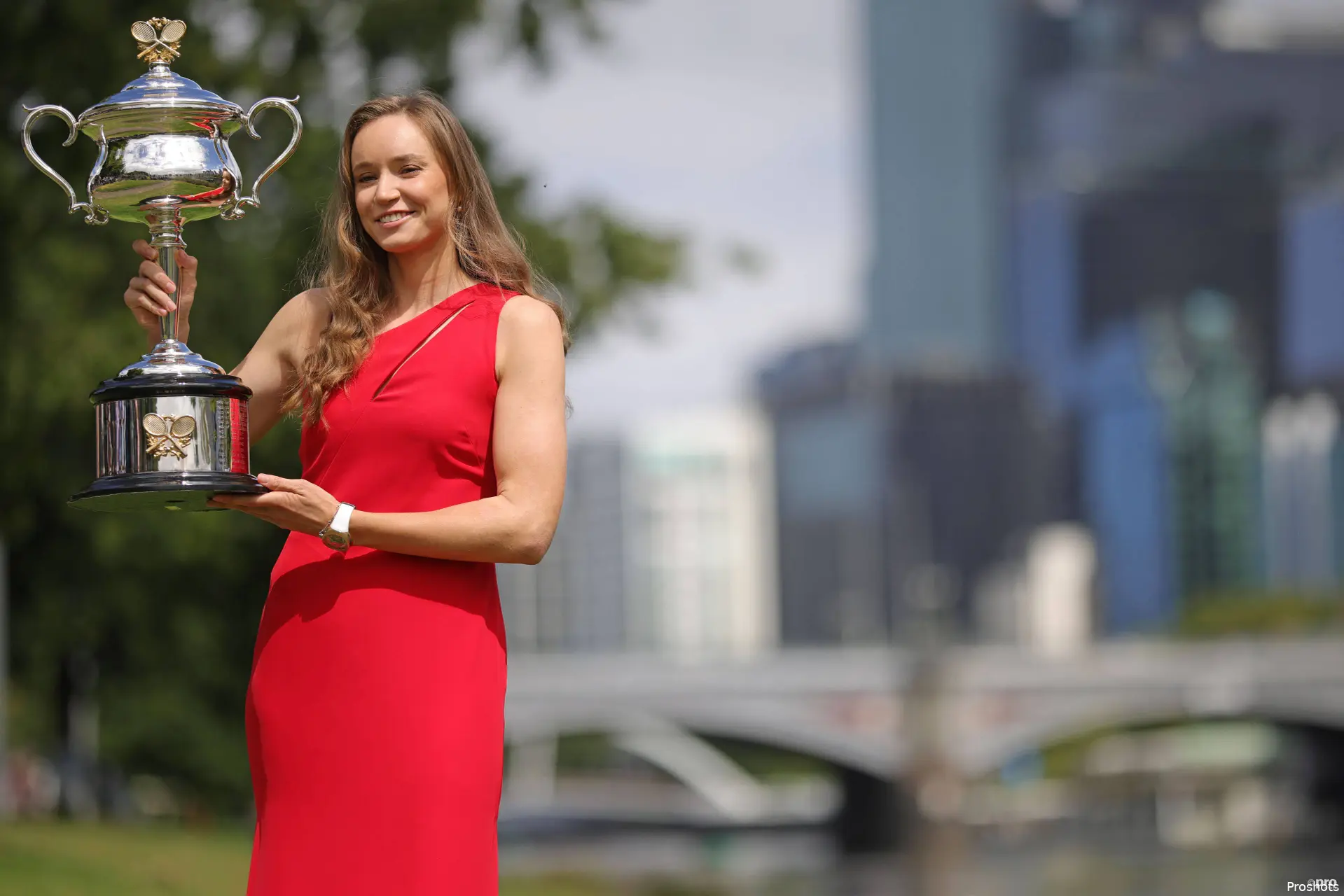
Indian Wells starts next week, and if you’re looking for the player whose game is running hottest right now, it’s Elena Rybakina.
Not just playing well. Not just surviving draws. Carrying form. There’s a difference.
Not chasing form — carrying it
A lot of players arrive at big tournaments hoping to find something. Timing. Confidence. A groove on serve. A clean strike off the backhand. They’re searching.
Rybakina doesn’t look like she’s searching. She looks like she already found it. When a player is chasing form, you see adjustments mid-match. You see tentative second serves. You see stretches of safe rallying while they try to “feel” their way into rhythm.
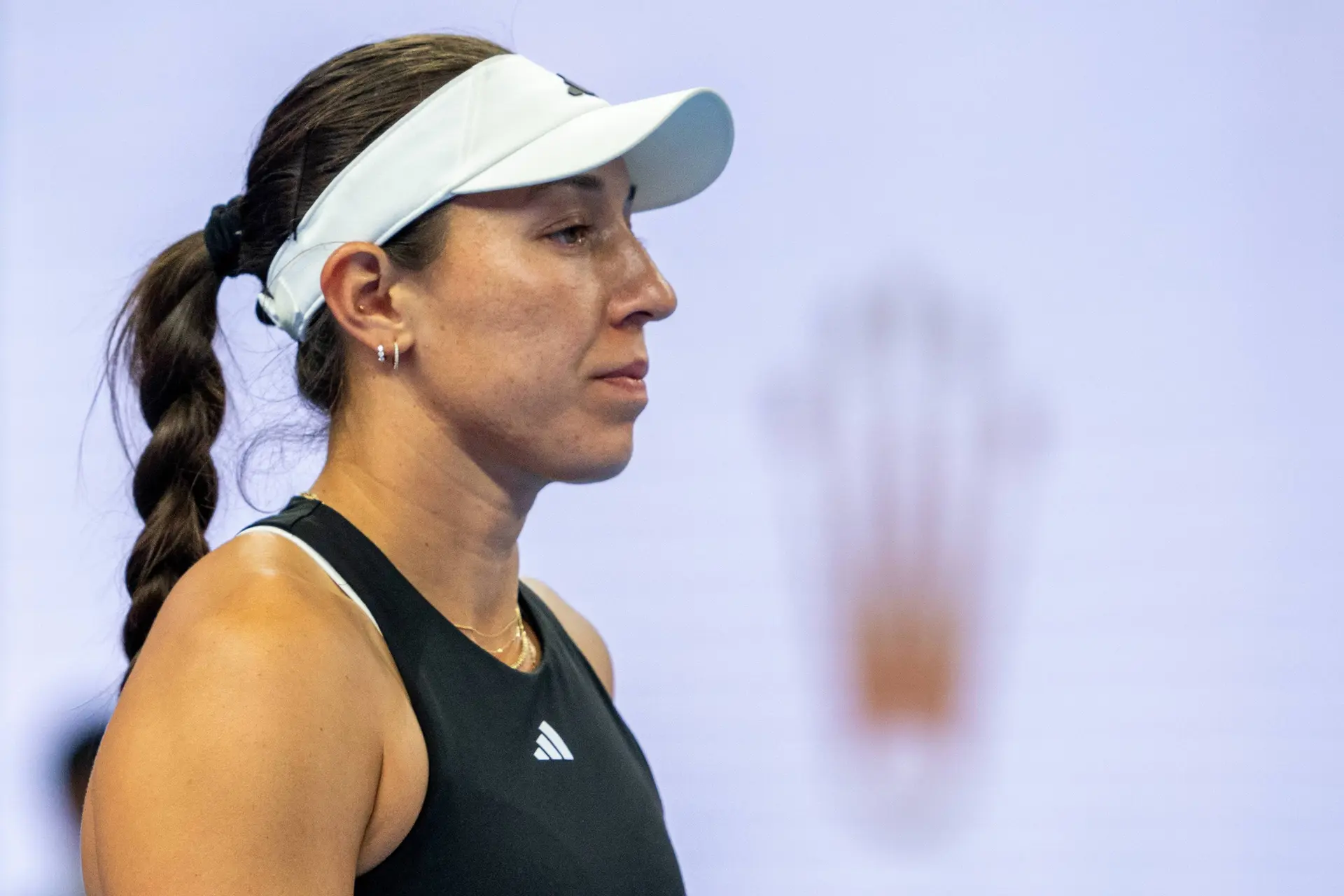
When a player is carrying form, the decisions are automatic. Rybakina right now is decisive. The first serve is struck with full commitment. The backhand down the line isn’t a bailout shot, it’s an assertion. She steps inside the baseline because she expects to win the exchange.
That mindset travels well to Indian Wells.
Why it matters in the desert
Indian Wells is not just another hard-court event. The surface is slower, the bounce is high, and the air is dry. Power alone is not enough. You need repeatable power. Controlled aggression. The ability to sustain pressure over longer rallies without forcing.
This is where carrying form becomes decisive. If you’re confident in your timing, the high bounce becomes an opportunity, not a nuisance. If you trust your depth, you can flatten the ball through the court without overhitting. If your serve is landing cleanly, you hold comfortably and apply scoreboard pressure. Rybakina’s game right now feels built for that equation.

Elena Rybakina, the Australian Open champion.
Yes, the field is deep
Aryna Sabalenka can overwhelm anyone in the world when her serve and forehand synchronize. Jessica Pegula is playing disciplined, intelligent tennis and rarely beats herself. Iga Swiatek’s movement and defensive transitions make her dangerous at any major event. Amanda Anisimova has the kind of shotmaking that can derail even the most established contender.
But here’s the difference: they are playing well. Rybakina looks settled. There is a calm to her power right now. Sabalenka’s power can surge and dip. Pegula’s game thrives on structure. Swiatek’s game builds gradually. Rybakina’s feels immediate and repeatable.
The Sabalenka contrast
If this tournament comes down to a collision of heavy hitters, the comparison will be obvious. Sabalenka’s explosiveness versus Rybakina’s precision power.
At the moment, Rybakina’s margin looks cleaner. Her swings are compact. Her contact point is earlier. She is not trying to hit through opponents. She is simply doing it.
That subtle distinction is everything at Indian Wells, where patience and timing are constantly tested.
The confidence factor
Carrying form also changes how a player handles pressure moments. Break point down. Tight tiebreak. A long deuce game after missing a couple of first serves.
A player chasing rhythm might retreat slightly. Add spin. Buy time. A player carrying form goes bigger. Rybakina right now looks like she trusts her game under stress. There’s no visible hesitation between points. No overprocessing. Just execution.
The prediction
Pegula could make a deep run. Swiatek could grind her way into the later rounds. Sabalenka could blitz the field if everything clicks.
But if we are identifying the player whose game is most synchronized with the present moment, it’s Rybakina. She’s not trying to peak at Indian Wells. She’s arriving already peaking. And in a tournament that rewards conviction as much as power, that may be the most important edge of all.
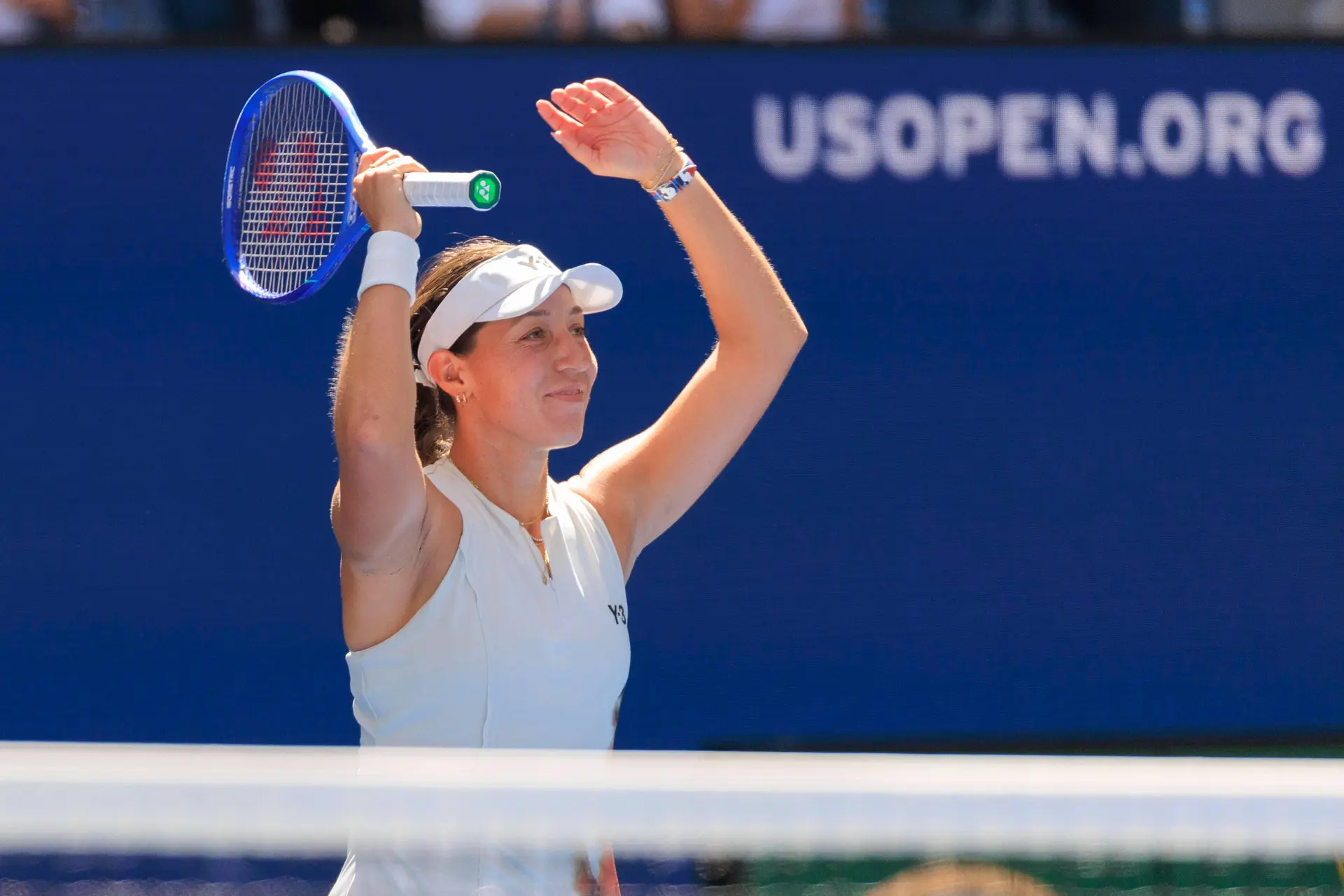

Aron SolomonGuest Author
A Pulitzer Prize-nominated journalist for his groundbreaking op-ed in The Independent exposing the NFL’s “race-norming” policies, Aron Solomon, JD, is a globally recognized thought leader in law, media, and strategy.
As Chief Strategy Officer for AMPLIFY, he leverages his deep expertise to shape the future of legal marketing. Aron has taught entrepreneurship at McGill University and the University of Pennsylvania and was honored as a Fastcase 50 recipient, recognizing him among the world’s top legal innovators. A prolific commentator on law, business, and culture, his insights regularly appear in Newsweek, The Hill, Crunchbase News, and Literary Hub.
He has also been featured in The New York Times, Fast Company, Fortune, Forbes, CBS News, CNBC, USA Today, ESPN, TechCrunch, BuzzFeed, Venture Beat and countless other leading global media outlets. We are proud to have Aron on board at TennisUpToDate, where his deep tennis expertise enriches the site with sharp, original columns that connect the sport to wider cultural debates.
claps 9visitors 2
Just In

Popular News
Latest Comments
- great articlestennisseserver07-10-2026
- Medvedev was leading Djokovic 7-5, 3-5 when an attempted return..' NO you ignorants, Djokovic was leading .weiss05-10-2026
- No more bullshit "Wildcards" to these two. Qualify like everyone else -- there will be cameras there, too. Time to scream... WTF ????!!!!
 mandoist29-09-2026
 - Let's not BS the general public -- Sabalenka started showing cracks in her game last season. Her losses and near-losses started at about the same time she began being distracted by Fame (constant Selfies, making TV commercials, magazine shoots, endless Social Media nonsense, etc., etc.) One would think even Saba could recognize the parallels with others who failed before her -- Raducanu, Giorgi, Bouchard to name a few.mandoist25-09-2026
- Gross!! Hey Raducanu, Giorgi, and Bouchard -- reserve a seat at your Social Media Selfie table for Saba + Naomi. They're heading in your direction soon enough.mandoist24-09-2026
- And then these same players will complain about how lengthy their season’s were and need more time-off. I’m all for more tennis but the amount of tennis we get now is actually kind of crazy! We all need a break, especially the players.DaveyWavey23-09-2026
- You should do a comparison article for "different kinds of justice" the courts decide for tennis players. I can think of at least three players who received very small bans of a few months, however Tara Moore has been fighting for her literal survival the past few years. It seems odd considering she is not a "name" player, unlike the other cases.DaveyWavey22-09-2026
- PRIZE MONEY & POINTS Winner - $185,500 Finalist - $114,500 Semi-Finalist - $66,003 Quarter-Finalist - $35,000 Round of 16 - $18,045 Round of 32 - $13,005 Winner - 500 Finalist - 325 Semi-Finalist - 195 Quarter-Finalist - 108 Round of 16 - 60 Round of 32 - 1DaveyWavey20-09-2026
- Pegula withdrew from this Singapore event
 tennishappens19-09-2026
 - Serena Williams chose her tournaments. It's not such a bad idea.MuswellHillbilly17-09-2026

Loading