"Comes a point when every tennis pro knows enough is enough": Jessica Pegula demands improvements to player welfare and Grand Slams
WTA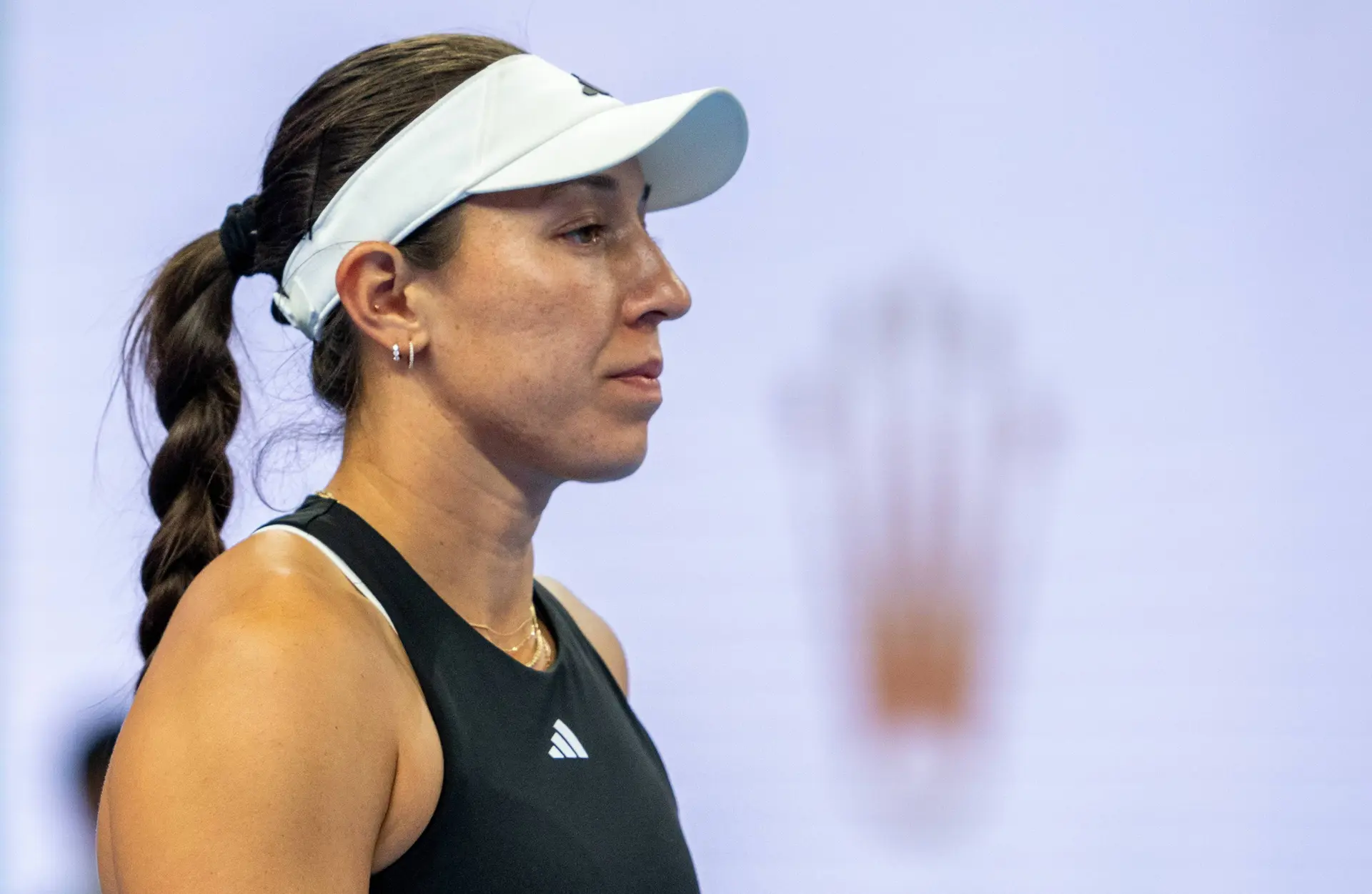
A hot topic in the tennis world including at the WTA Finals where Iga Swiatek and Aryna Sabalenka said they sent letters to the Grand Slams about player welfare and revenue sharing. Amid that, Jessica Pegula who also sent a letter penned an op-ed about the situation.
Pegula spoke eloquently about the fact that in the men's tour so tennis as a whole. players are being pushed to their absolute limits without ever actually having a seat at the table to discuss issues.
Players like the American who has won nine singles titles and has long been a fixture of the top five of the sport have called for it to also be more of a share throughout the draw so those at the bottom who are struggling to survive are able to make ends meet. Essentially the share of the sports success in the view of both ATP and WTA top stars is seen as something that shouldn't be a restricted view.
But now the season has winded down, Pegula sees it as a perfect time to reignite debate and get around the table to hash out the issues with players revolting not only about this but also prize money in the past year especially at the Grand Slams which are seen as the golden goose events but don't supply what even the tour events do in terms of welfare.
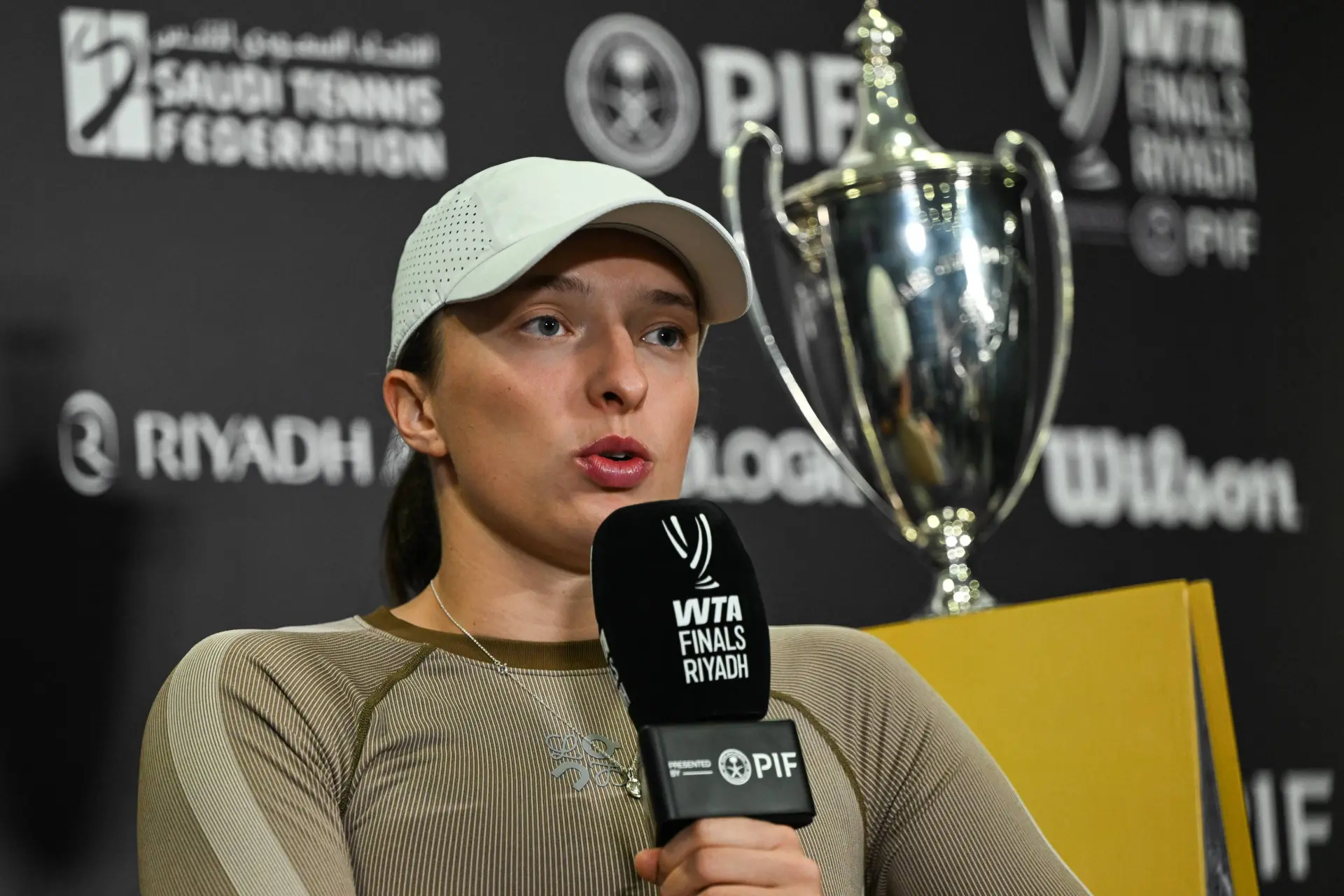
"In tennis, we are talking about players reaching their limit — the physical, mental and emotional toll," she said in the Sports Business Journal.
"Since the end of lockdown, there has been huge demand from fans, broadcasters and sponsors for live sports and related content. Sports have been competing with one another to satisfy that demand. So far, so good.
"Yet those demands have to be balanced against the welfare of the main actors in the drama — athletes. At times, it feels that we are little more than assets to be sweated for revenue growth. But we are human beings and there must be limits to the demands placed on us."
Pegula cited the fact that Jack Draper for instance has long spoke about the amount of injuries that occur on the men's tour and also Taylor Fritz. Holger Rune was used by many as an example too after tearing his achilles in Stockholm last month, a freak injury that underlined the need for player protection due to the amount of tournaments that are played. She also discussed how she would change it herself.
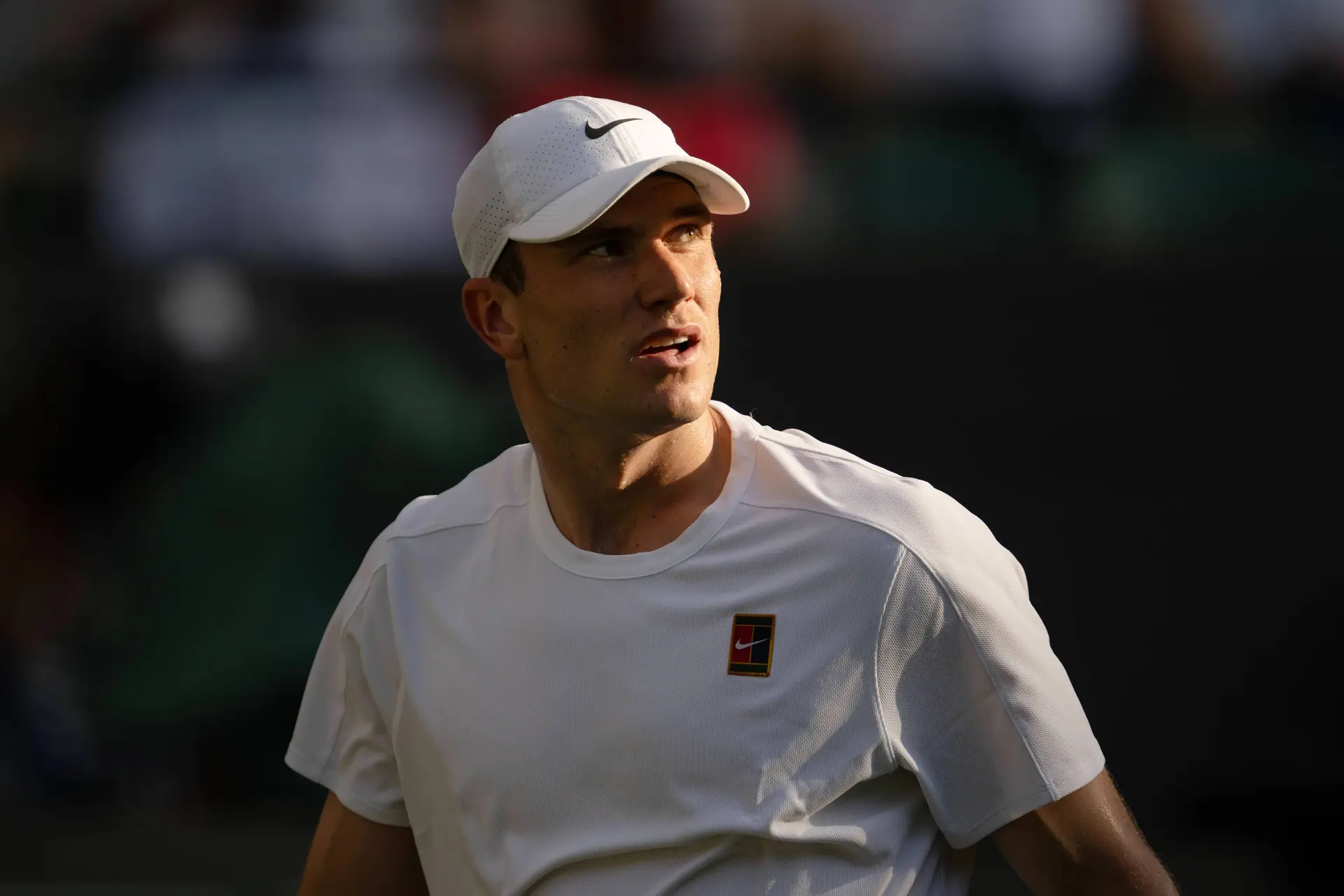
"I’m not alone in thinking this," she penned. "Noting a wave of end-of-season injuries among fellow professionals, Britain’s Jack Draper said last month: “We are pushing our bodies to do things that they aren’t supposed to in elite sport. … However, the tour and the calendar have to adapt if any of us are going to achieve some sort of longevity.” That was echoed by Taylor Fritz, who referred to “the weekly grind [becoming] even more physically demanding and tough on the body.”
"They’re right. Adapting the calendar is an important issue, and conversations about this and the creation of a “Premium Tour” have been going on between the WTA and ATP tours and the Grand Slams. Yet we are no closer to a conclusion. It’s time to accelerate those negotiations.

Jessica Pegula teamed with Jack Draper at the US Open - both have been vocal about the rigours of the tour and players needing to get their fair share.
"The first way to improve player welfare is to consult players on decisions that affect them. In recent years, we have seen a series of decisions taken — Sunday starts at the Australian and U.S. Opens; the mixed doubles being brought forward and under a new format at the latter; the final set 10-point tie break at all Grand Slams — in which players have had little or no input. That can’t be right."
Enough is enough - Pegula
The American also continued that for her enough is enough especially given that the players are not in the room making decisions that vastly impact them and also that longevity cannot be achieved when playing so much. The same can be said for parenthood in her case and also age. She has often spoke as of late that she has set an age limit on her career and will retire when she becomes a mother.
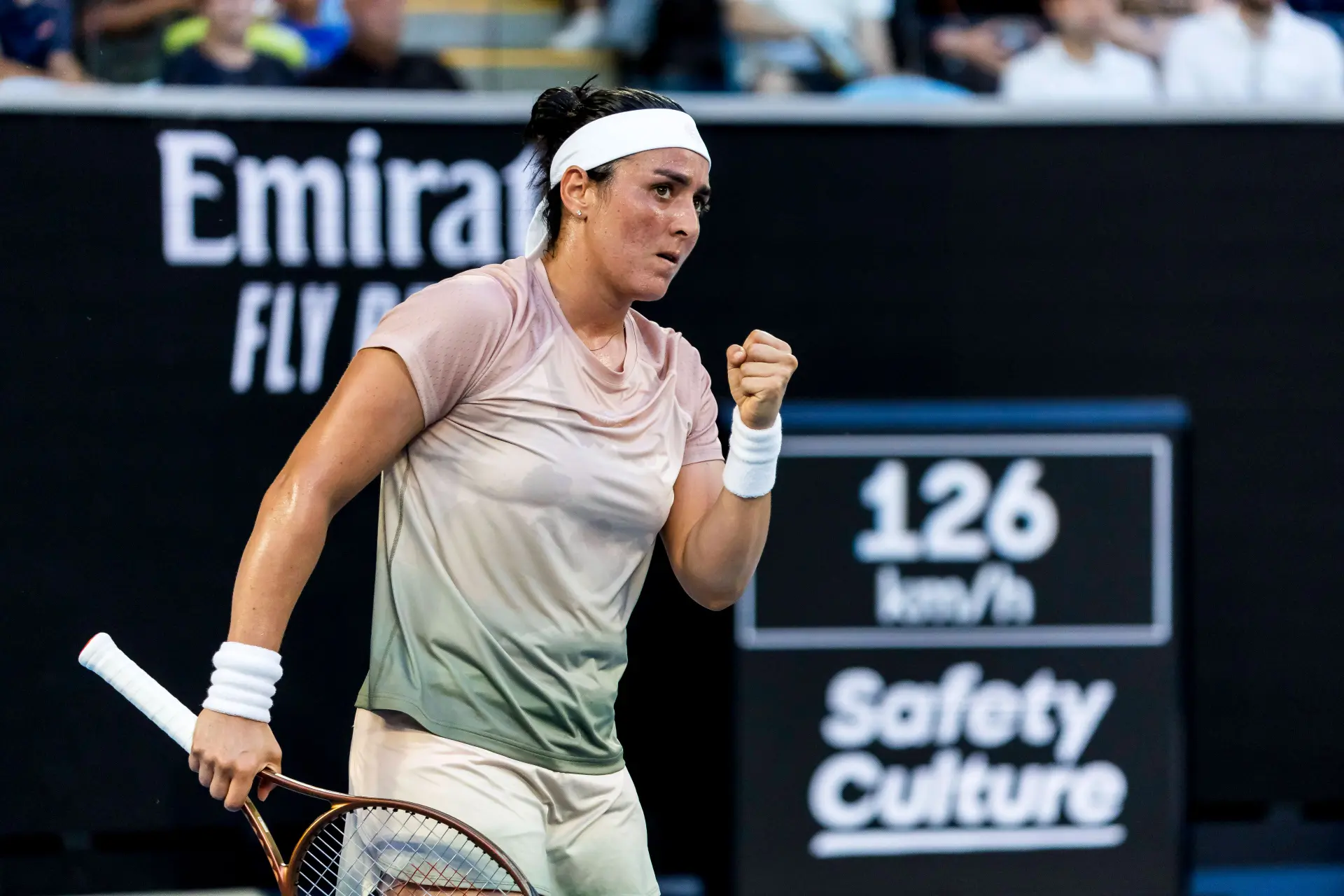
Ons Jabeur who announced today that she will become a mother later in the year has also previously stated that she couldn't feasibly become a mother until she won what she needed to which was Wimbledon. Albeit now she has had a break from the sport amid a slide in the rankings, she has managed to achieve that ambition.
But while the calendar is as it is, Pegula believes more of a say should be given to those who actually provide the product over fat cats in a boardroom.
"Players love the four major championships. They are the pinnacle of the sport, and while they can’t exist without players, credit should go to their leadership teams for elevating them to the biggest events in world sport. I have always enjoyed a good relationship with the USTA, which runs the U.S. Open.
"Most players recognize that tennis can’t stand still and that the Slams need to innovate to appeal to new fans. Yet we can’t do that if we are not in the room when major decisions are taken. That is why we have called for regular and structured dialogue between players and the Slams on changes that alter our working conditions.
"There is another element to player welfare. The kind of longevity Jack wants to achieve is something we all crave. It’s not easily achieved, however: Injuries kick in, parenthood calls, age takes its toll. However long you have in the sport, there comes a point when every tennis pro knows enough is enough."
Looking after the top and bottom
She also added that at the moment the Grand Slams do not contribute a dime to the player welfare benefits and so despite being focal points of the calendar, they are the ones that could end in disaster. But she cited Coco Gauff also in saying that it should trickle down to all players and not just those at the top.
"At the moment, the Slams contribute nothing to player welfare benefits. The ATP and WTA contribute $80 million to such benefits. Yet the Slams are the focal points of the calendar, the tournaments that take the most out of the players physically and emotionally and that also accrue about 80% of revenue in professional tennis. It doesn’t seem a big ask for them to pay their fair share.
"As for prize money, as Coco Gauff put it last month: “As we know in this sport, the Grand Slams are generating the most revenue … When you look at the percentage of that revenue going to prize money, it is not the same as the WTA and ATP, even though they’re generating less revenue than the Slams. It’s important for the whole ecosystem of the sport … We’re not talking about just raising the prize money [at the Slams] for the champion, but trickling all the way down to qualies. Our 200th-best player, 300th-best player are struggling to make ends meet.”
"Well said, Coco. Although it is the top-10 male and female players who have put our names to the proposals, we are trying to drive change for every professional. No one turns pro and goes straight into the top 10. We all know how hard it can be financially when you start out or, for that matter, when you are coming to the end of your career.
"Increasing prize money at the Slams would allow the huge revenues coming into the major championships, since the sport came out of lockdown, to filter to players further down the rankings."
Pegula concluded that players shouldn't have to fight for something so easy to remedy and that in reality the off season is the perfect time now to have these sound debates and call for change.
"In October, Jannik Sinner called on the Slams to respond to our proposals. “We want to work together with the Slams to find solutions that are good for everyone in tennis,” he said. Carlos Alcaraz has also spoken up. “We are all tennis players and we are fighting to have something better for us,” Carlos said last month. When Carlos said “us,” he meant every tennis professional.
"We shouldn’t have to fight. We respect the Slams and want to work collaboratively with them. It’s why, as the season draws to an end and players look forward to a well-earned rest, we are calling on the authorities to use the offseason to fix these issues. While each of our personal journeys is unique, we all want change."

Samuel GillEditor-in-Chief
Samuel Gill is the Chief Content Officer (CCO) of TennisUpToDate.com, a role he has held since 2020. He is responsible for editorial governance across the platform, including setting content standards, overseeing accuracy and consistency, and guiding long-term editorial strategy. Since joining, he has contributed more than 10,000 articles and editorial pieces across the TennisUpToDate network, playing a central role in the daily operation and development of the site.
Based in Leicester, Samuel has a broad background in tennis media. In his current role, he works closely with editors and writers to ensure coverage meets clear journalistic standards, with particular attention to verification, consistency, and timely updates when new information becomes available.
claps 0visitors 0
Just In

Popular News
Latest Comments
- A healthy Qinwen may be hard to stop next season. She was already scaring her opponents before her medical leave(s). Unfortunately, Zheng insisted on singing again. On the positive side -- Mirra did not sing!! ;~}
 mandoist11-10-2026
 - Where is it written that athletes, entertainers... People in general... are mandated to keep looking at -- or even using [anti]Social Media? Public & private figures consistently complain and reveal their concerns about negativity and violence thrown at them -- yet they insist on participating. Avoid it, don't use it, don't read it. It's okay to occasionally look up at the World instead beating your eyes & thumbs to death on The Inventions out there.mandoist11-10-2026
- great articlestennisseserver07-10-2026
- Medvedev was leading Djokovic 7-5, 3-5 when an attempted return..' NO you ignorants, Djokovic was leading .weiss05-10-2026
- No more bullshit "Wildcards" to these two. Qualify like everyone else -- there will be cameras there, too. Time to scream... WTF ????!!!!mandoist29-09-2026
- Let's not BS the general public -- Sabalenka started showing cracks in her game last season. Her losses and near-losses started at about the same time she began being distracted by Fame (constant Selfies, making TV commercials, magazine shoots, endless Social Media nonsense, etc., etc.) One would think even Saba could recognize the parallels with others who failed before her -- Raducanu, Giorgi, Bouchard to name a few.mandoist25-09-2026
- Gross!! Hey Raducanu, Giorgi, and Bouchard -- reserve a seat at your Social Media Selfie table for Saba + Naomi. They're heading in your direction soon enough.mandoist24-09-2026
- And then these same players will complain about how lengthy their season’s were and need more time-off. I’m all for more tennis but the amount of tennis we get now is actually kind of crazy! We all need a break, especially the players.DaveyWavey23-09-2026
- You should do a comparison article for "different kinds of justice" the courts decide for tennis players. I can think of at least three players who received very small bans of a few months, however Tara Moore has been fighting for her literal survival the past few years. It seems odd considering she is not a "name" player, unlike the other cases.DaveyWavey22-09-2026
- PRIZE MONEY & POINTS Winner - $185,500 Finalist - $114,500 Semi-Finalist - $66,003 Quarter-Finalist - $35,000 Round of 16 - $18,045 Round of 32 - $13,005 Winner - 500 Finalist - 325 Semi-Finalist - 195 Quarter-Finalist - 108 Round of 16 - 60 Round of 32 - 1DaveyWavey20-09-2026

Loading