“Diagnosed with cancer”: Aryna Sabalenka’s fiance opens up on the painful journey behind his multimillion-dollar brand
WTA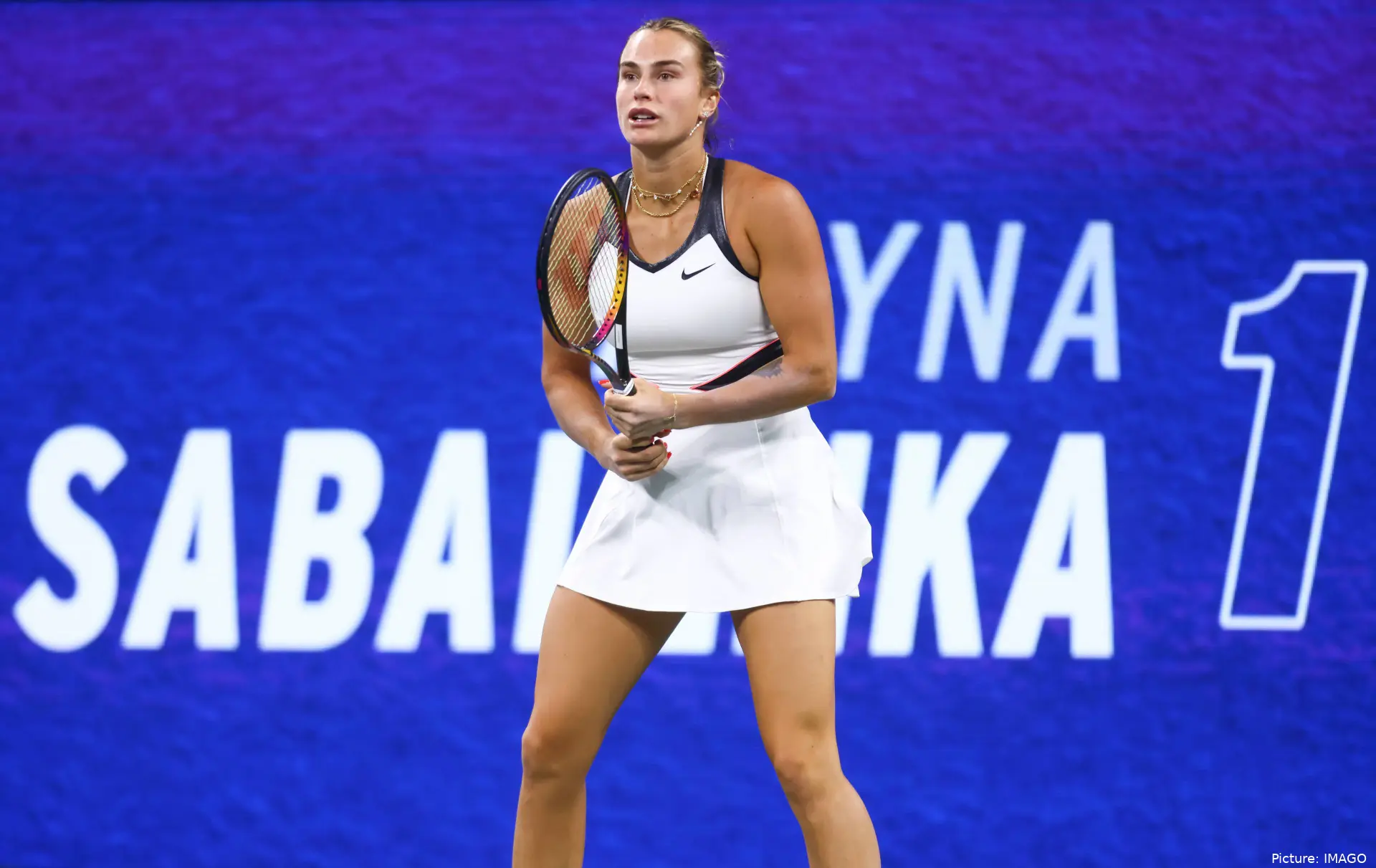
Aryna Sabalenka's fiance, Brazilian entrepreneur Georgios Frangulis, has opened up about the difficult path that led him to build Oakberry into a global brand, recalling how a cancer diagnosis came just as he was preparing to take a major financial risk. His story began in 2016, when he was facing both serious health problems and severe financial uncertainty.
Frangulis was diagnosed with thyroid cancer in August 2016, at a time when he says he had very little money and was preparing to open the first Oakberry location. The entrepreneur ultimately decided to push ahead with the idea despite the risks, betting that customers would connect with an acai-based concept that was still largely unfamiliar in the markets he was targeting.
That decision eventually turned Oakberry into a multimillion-dollar international business. The Brazilian has since expanded the company into a global superfood chain specializing in natural acai bowls and smoothies, but he has repeatedly credited the willingness to take risks — and ignore those who doubted him — as a central part of the company's growth.
Speaking on The Venture Show podcast, Frangulis reflected on the period when the idea was still being dismissed by people around him. Rather than seeing the scepticism as a reason to stop, he said the combination of his circumstances and his belief in the concept forced him to make a decision.
Read also
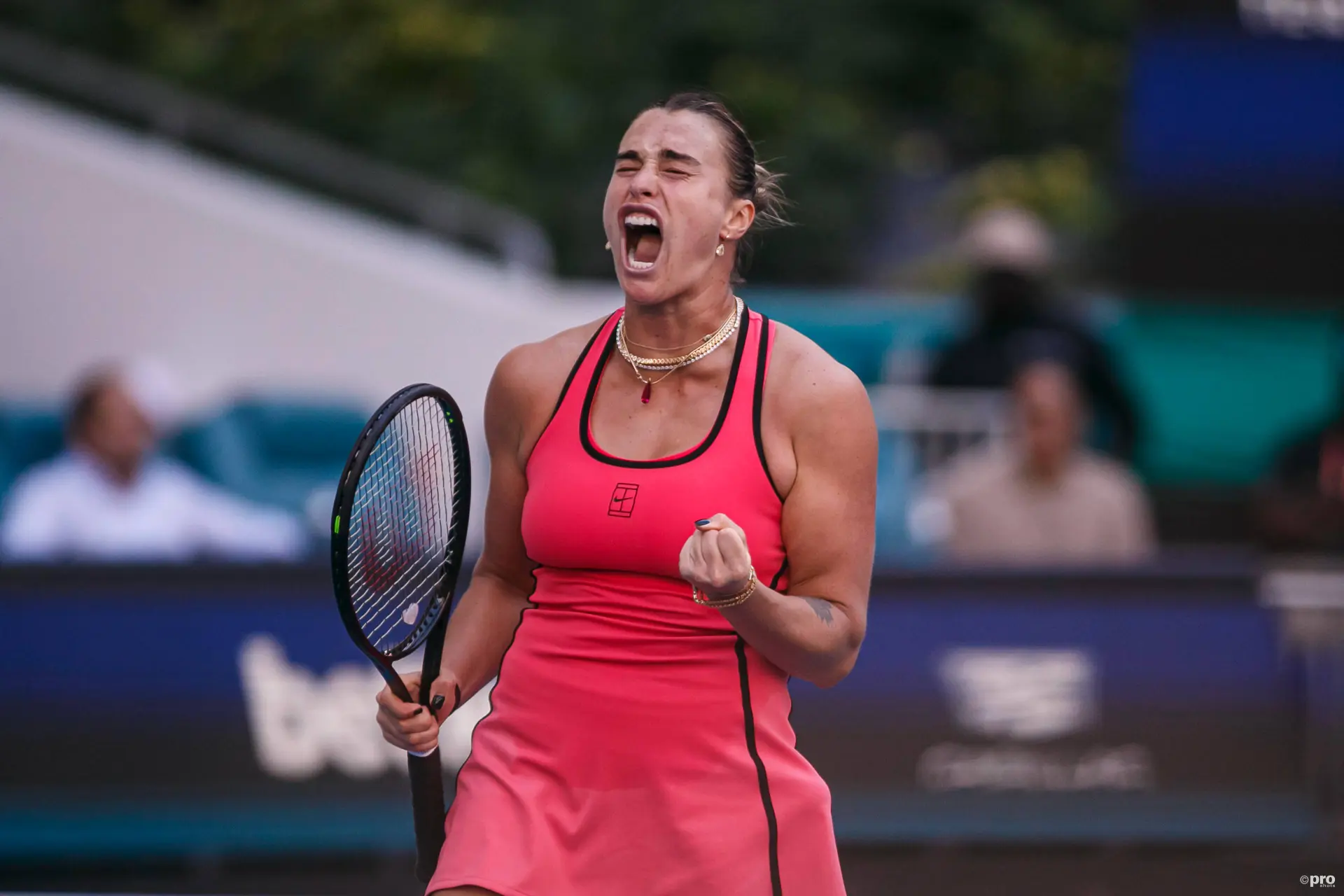
“I was broke, I had no money”: Frangulis recalls the gamble behind Oakberry
Frangulis described just how difficult the starting point was, with his cancer diagnosis arriving while he was attempting to secure the money needed for surgery and to launch the first Oakberry location.
“August 2016, I was diagnosed with thyroid cancer, I was broke, I had no money and I needed surgery and to open my first Oakberry location. You either have to go ‘f*** it’ or you have to think ‘it cannot get any worse’.”
The business idea itself was also considered highly risky. Acai bowls were not yet an established mainstream product in many of the markets where Frangulis wanted to expand, meaning he was effectively asking customers to embrace both a new product and a new brand.
“Nobody thought I could be paying super expensive rent selling Acai bowls because nobody was doing it,” he said. “From Day 1, people really understood what we were trying to do and Oakberry became a thing quite fast.”
That early response became central to Frangulis' belief that the concept could become much bigger. Rather than trying to compete purely on the product, he focused on creating a brand that customers could identify with.
“You have to make people relate to the brand, so they made their choice because of the brand. And then they're gonna choose the product.”
Frangulis also recalled how frequently people around him questioned his ambitions, describing himself as someone who had repeatedly been warned against taking risks.
“My whole life, people thought I was a dreamer or crazy, they're going to try to prevent you from risk, but if you are a risk taker, you have to never listen to the naysayers,” he added.
Sabalenka enters Cincinnati still chasing her next title
Frangulis' comments come as Sabalenka continues her own pursuit of another major title. The world No. 1 has not won a tournament since the Miami Open in March and is enduring her longest Grand Slam title drought in several years.
Her last major triumph came at the 2025 US Open, meaning she will arrive in New York in two weeks' time as defending champion while also trying to hold off Elena Rybakina in the battle for the top ranking.

Sabalenka has made a solid start in Cincinnati, opening her campaign with a 6-2, 7-6(7-2) victory over Australia's Talia Gibson after receiving a first-round bye. She now faces Wang Xinyu in the round of 32.
While Sabalenka remains focused on ending her title drought on court, her fiance's story offers a very different perspective on the risks behind the business empire he has built away from tennis.

Cristhián AvilaTennis Journalist
Cristhián Ávila is a tennis journalist based in Santiago, Chile, and has been part of the TennisUpToDate team since early 2023. He covers the ATP and WTA Tours as well as all four Grand Slams, producing breaking news, match reports, analysis, and regular liveblogs from major tournaments.
His reporting combines statistical analysis with clear explanation, helping readers understand tactical developments, player form, and broader storylines across the tour. Working fluently in both Spanish and English, Cristhián collaborates with an international editorial team and contributes to comprehensive global coverage. As part of his work, he has conducted interviews and media interactions with leading figures in the sport, including Caroline Wozniacki and John McEnroe.
In his journalism, Cristhián places strong emphasis on careful sourcing, editorial accuracy, and updating articles promptly when new, verified information becomes available. His coverage is grounded in research, context, and direct engagement with professional tennis.
claps 0visitors 0
Just In

Popular News
Latest Comments
- Two Things: 1. Stop allowing these Spoiled Trust-Fund Elitists to behave badly. Your little hand-slaps do not deter them. 2. STOP the incessantly annoying "towel wiping" nonsense!!!!
 mandoist15-10-2026
 - A healthy Qinwen may be hard to stop next season. She was already scaring her opponents before her medical leave(s). Unfortunately, Zheng insisted on singing again. On the positive side -- Mirra did not sing!! ;~}mandoist11-10-2026
- Where is it written that athletes, entertainers... People in general... are mandated to keep looking at -- or even using [anti]Social Media? Public & private figures consistently complain and reveal their concerns about negativity and violence thrown at them -- yet they insist on participating. Avoid it, don't use it, don't read it. It's okay to occasionally look up at the World instead beating your eyes & thumbs to death on The Inventions out there.mandoist11-10-2026
- great articlestennisseserver07-10-2026
- Medvedev was leading Djokovic 7-5, 3-5 when an attempted return..' NO you ignorants, Djokovic was leading .weiss05-10-2026
- No more bullshit "Wildcards" to these two. Qualify like everyone else -- there will be cameras there, too. Time to scream... WTF ????!!!!mandoist29-09-2026
- Let's not BS the general public -- Sabalenka started showing cracks in her game last season. Her losses and near-losses started at about the same time she began being distracted by Fame (constant Selfies, making TV commercials, magazine shoots, endless Social Media nonsense, etc., etc.) One would think even Saba could recognize the parallels with others who failed before her -- Raducanu, Giorgi, Bouchard to name a few.mandoist25-09-2026
- Gross!! Hey Raducanu, Giorgi, and Bouchard -- reserve a seat at your Social Media Selfie table for Saba + Naomi. They're heading in your direction soon enough.mandoist24-09-2026
- And then these same players will complain about how lengthy their season’s were and need more time-off. I’m all for more tennis but the amount of tennis we get now is actually kind of crazy! We all need a break, especially the players.DaveyWavey23-09-2026
- You should do a comparison article for "different kinds of justice" the courts decide for tennis players. I can think of at least three players who received very small bans of a few months, however Tara Moore has been fighting for her literal survival the past few years. It seems odd considering she is not a "name" player, unlike the other cases.DaveyWavey22-09-2026

Loading