“Even when you think you’ve won the point, she’s still there”: Diana Shnaider reacts after Chwalinska upset
WTA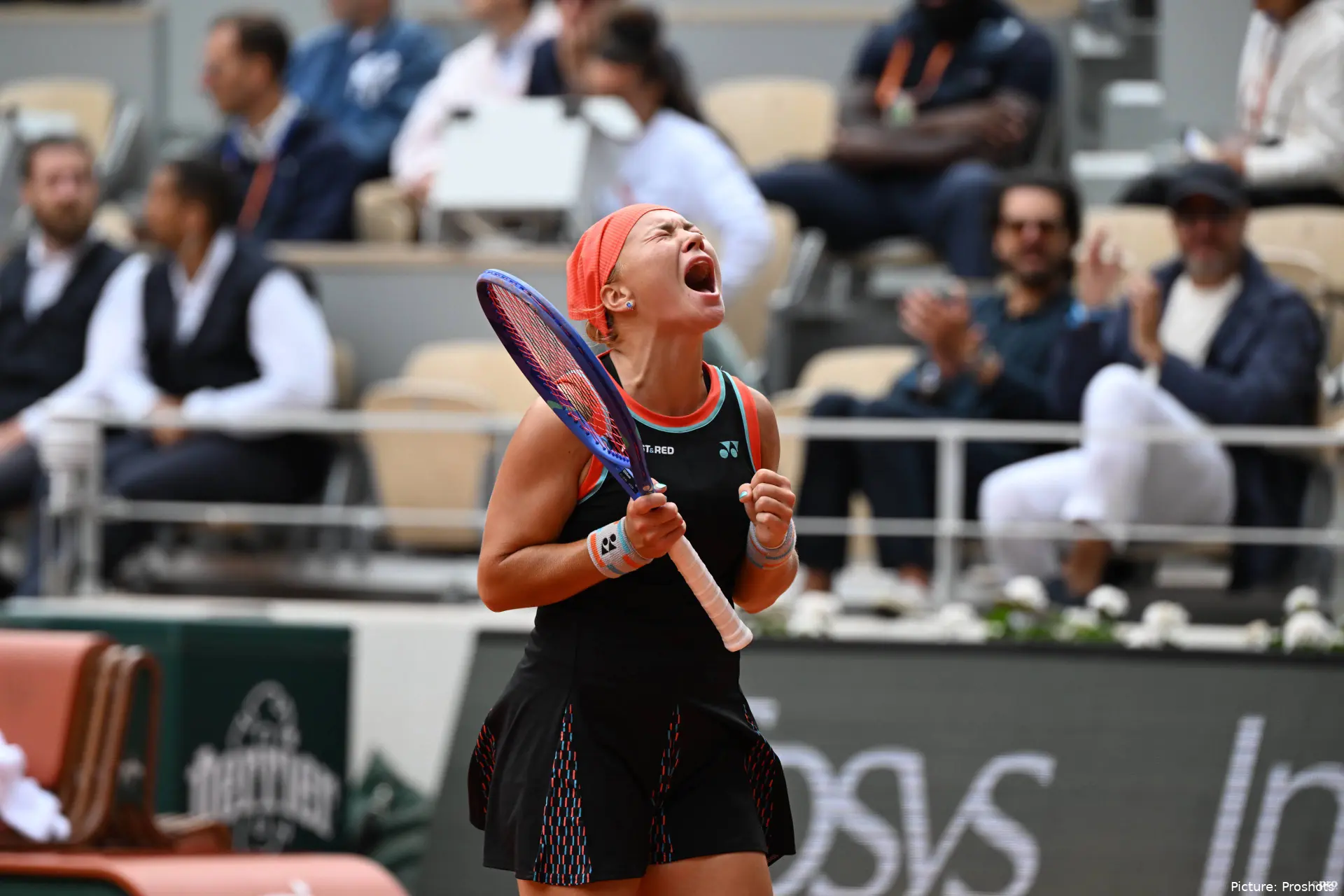
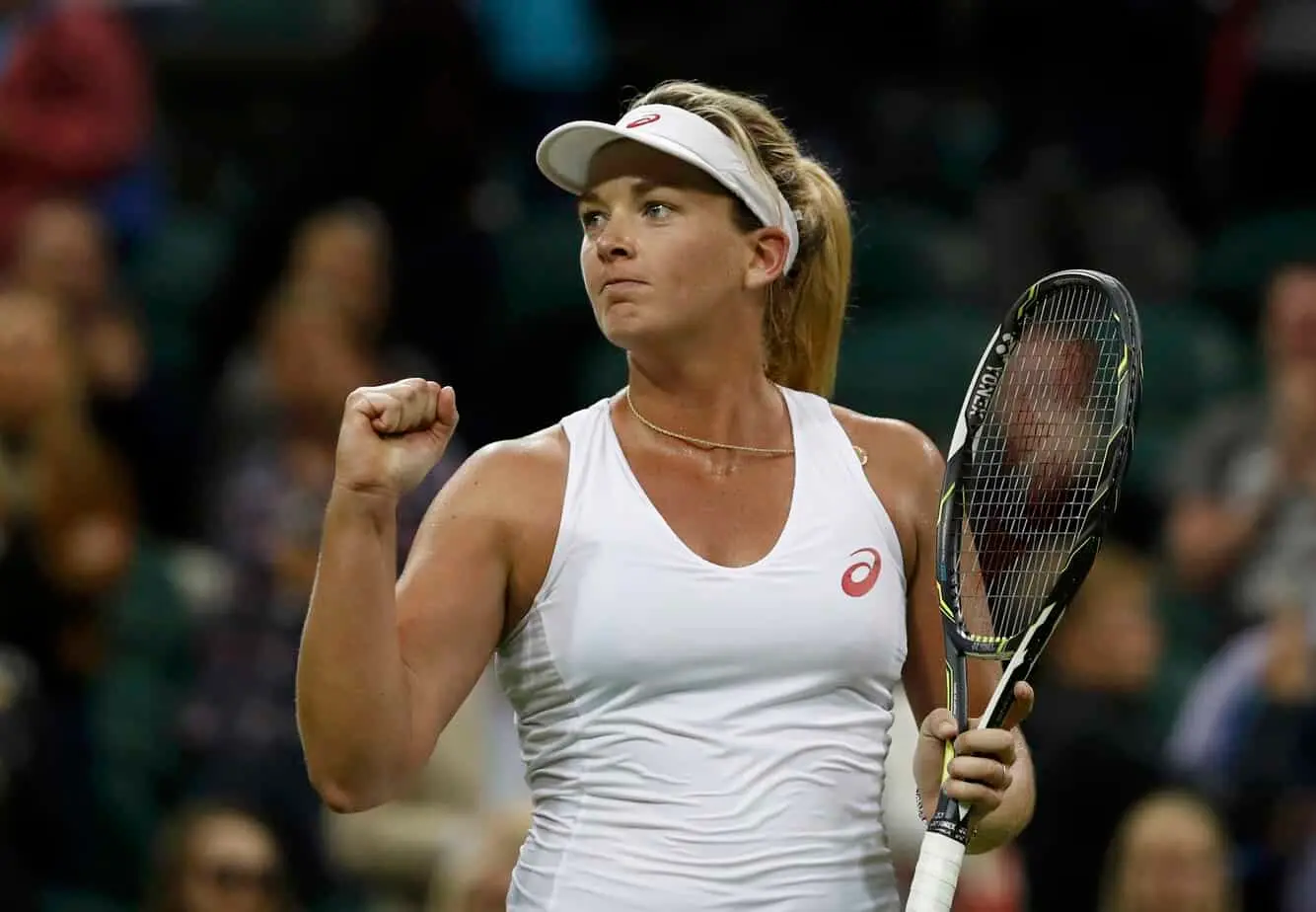
Diana Shnaider acknowledged both the quality of her opponent and the scale of the occasion after her Roland Garros semi-final defeat to qualifier Maja Chwalinska. The world No. 114 produced a major breakthrough in Paris, defeating Shnaider 7-6(7-4), 6-4 to reach her first Grand Slam final and extend her remarkable run through the draw.
Chwalinska’s victory carries significant historical context. She becomes the first qualifier in the Open Era to reach a Roland Garros singles final and only the second qualifier in the last decade to reach a Grand Slam final, following Emma Raducanu’s US Open title run in 2021.
For Shnaider, the defeat ends a strong two-week campaign in Paris where she had been competing at a consistently high level. Despite falling short, she emphasised pride in her performance and the competitive standard of the match.
The Russian also provided a detailed technical assessment of Chwalinska’s game, highlighting her movement, defensive resilience and ability to transition from defence to attack on clay.
Chwalinska’s defensive structure and tactical complexity
Shnaider underlined that the key difficulty in facing Chwalinska lies in the Polish player’s ability to extend points even in seemingly neutral situations. She repeatedly pointed to her movement and anticipation as defining features that shaped the semi-final.
“First of all, she moves incredibly well on the court," the 22-year-old player said in press conference. "She covers a lot of ground and reads the game perfectly. Even when you think you’ve won the point, she’s still there.”

The world No. 114’s ability to extend rallies forced Shnaider into repeated reconstruction of points from neutral positions. According to Shnaider, Chwalinska does not simply return balls but places them into uncomfortable areas, disrupting attacking patterns and forcing errors from players attempting to dictate.
Shnaider also highlighted the Polish player’s variety and tactical flexibility on clay, particularly her ability to shift pace and spin to control rhythm.
“And above all, she doesn’t just put the ball back: she sends it into difficult areas, forcing you to rebuild the rally from the start. She also has great variety in her game and puts a lot of spin on her shots.”
Clay-court adaptability and semi-final reflection
The Russian added that Chwalinska’s skill set is particularly effective on clay, where extended rallies and tactical variation often decide matches. She noted the effectiveness of the left-handed forehand and slice patterns, which repeatedly disrupted her timing during the semi-final.
“Her left-handed forehand is particularly heavy, while her sliced backhand is very effective. She uses low balls, drop shots very well, comes to the net, and covers the court remarkably. Her style is perfectly suited to clay.”
Despite the defeat, Shnaider insisted she leaves Paris with a positive perspective on her performance level across the fortnight. She stressed that the match was played at a high intensity from both players, with small margins deciding key moments.
“These two weeks have been exceptional. I am very proud of myself and what I have accomplished here. Overall, it was a very difficult match. All the credit goes to Maja, she played incredible tennis.”
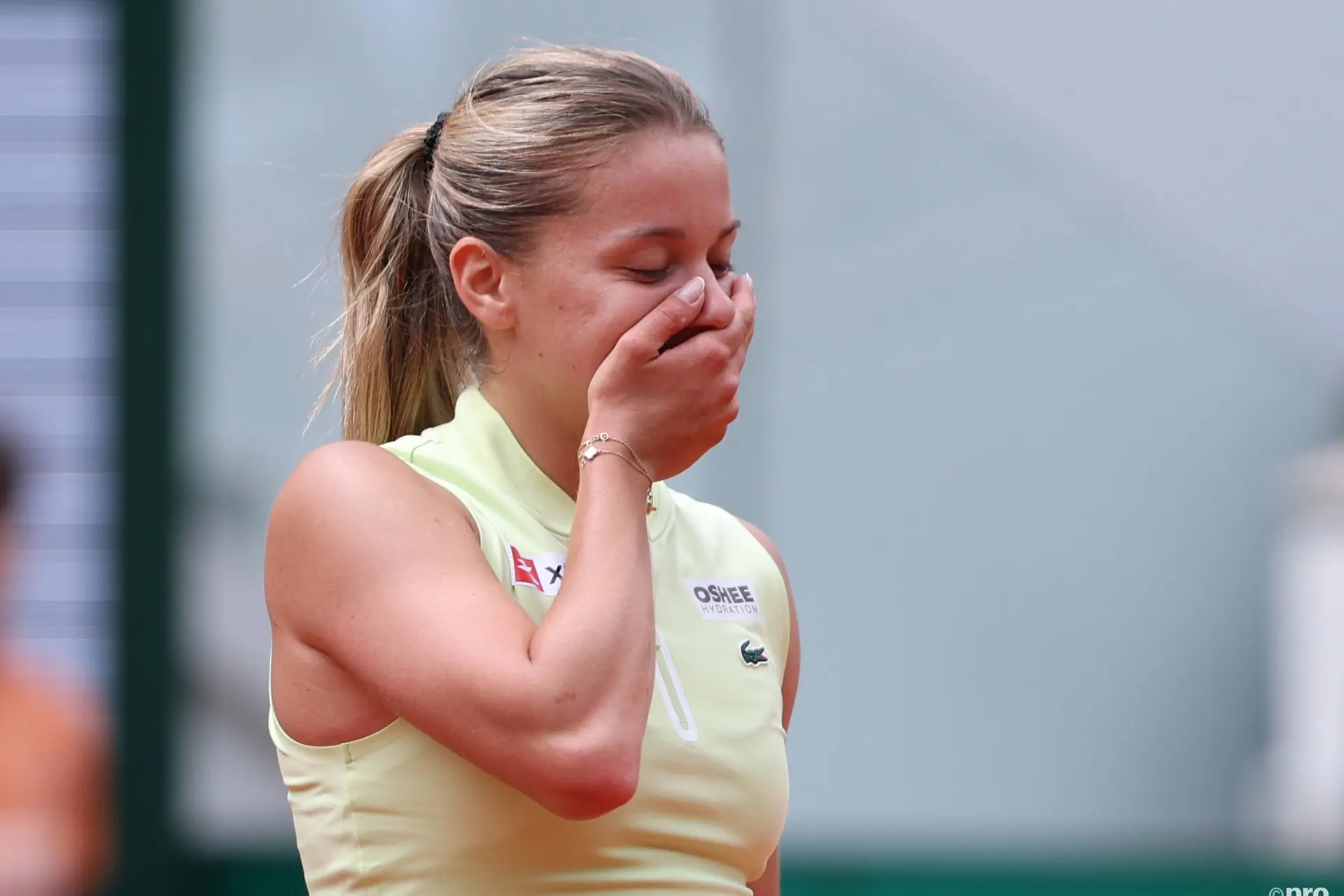
Shnaider added that she felt she competed strongly throughout, but accepted that her opponent was decisive in key phases and fully deserved her place in the final.
“I tried to give my best and to try different things. I left everything on the court. I am proud of how I played and how I fought. She was exceptional today and fully deserves her victory and her place in the finals.”
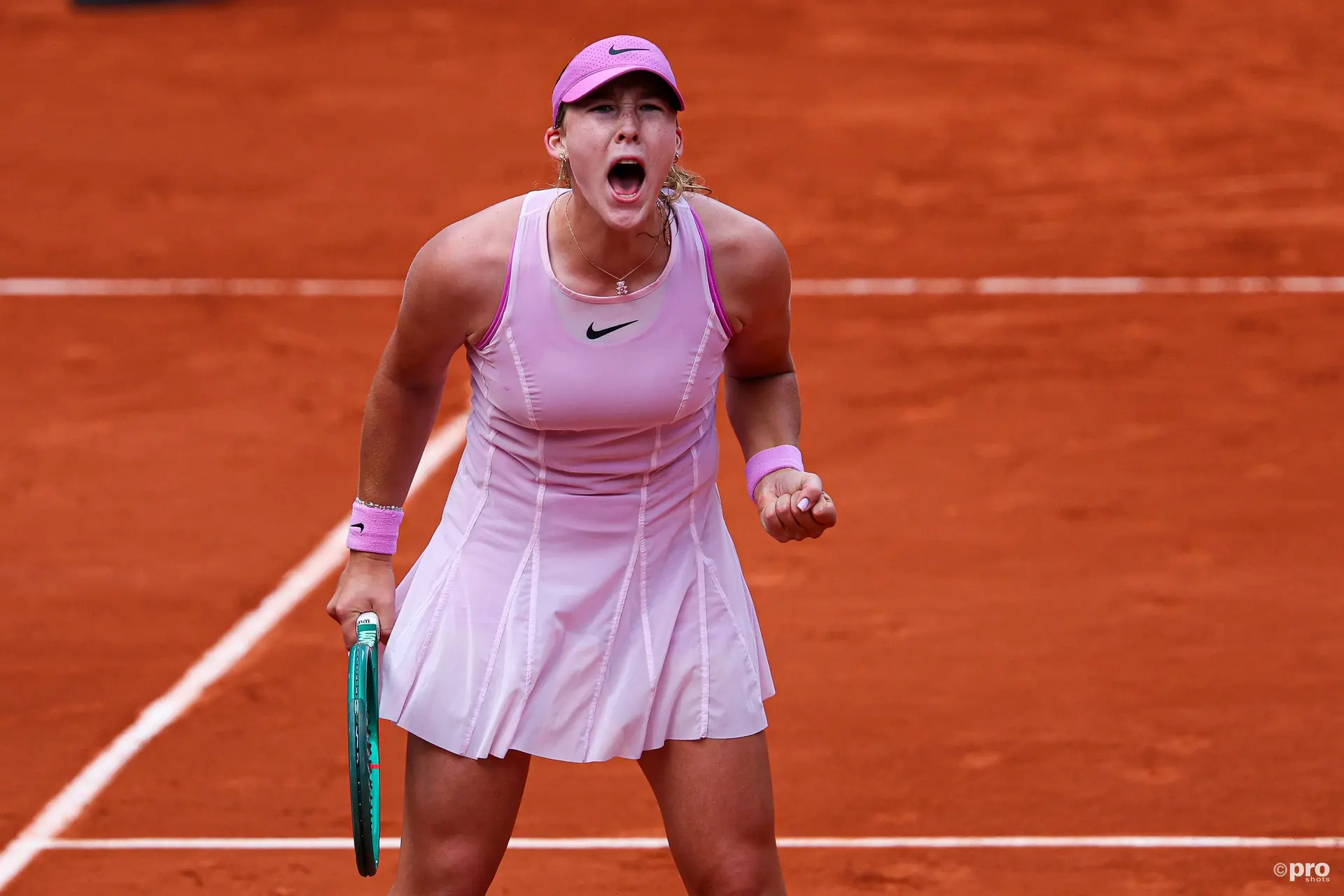
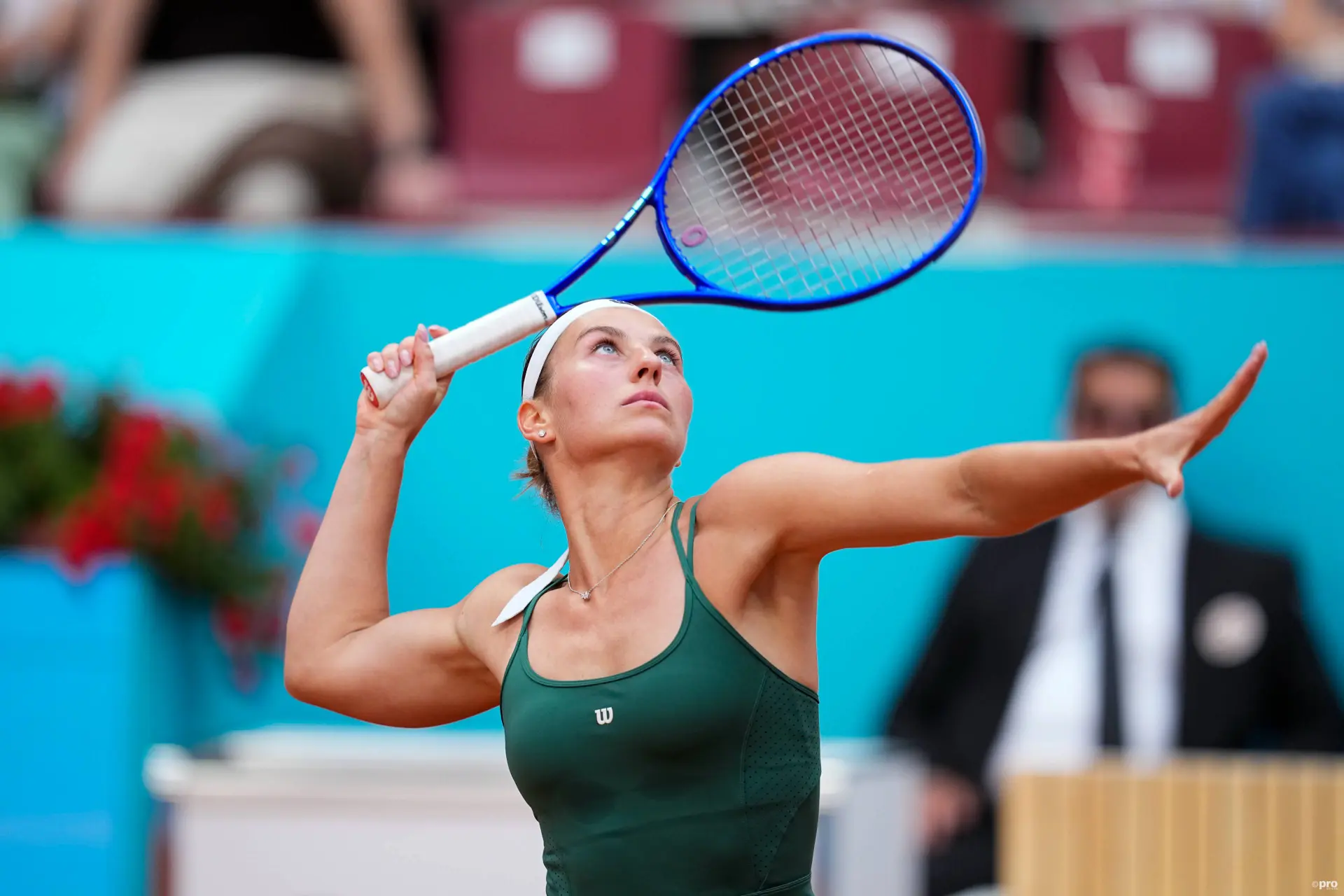
Chwalinska will now face Mirra Andreeva in the Roland Garros final on Saturday, after the Russian defeated Marta Kostyuk 6-1, 6-3 in the other semi-final.

Cristhián AvilaTennis Journalist
Cristhián Ávila is a tennis journalist based in Santiago, Chile, and has been part of the TennisUpToDate team since early 2023. He covers the ATP and WTA Tours as well as all four Grand Slams, producing breaking news, match reports, analysis, and regular liveblogs from major tournaments.
His reporting combines statistical analysis with clear explanation, helping readers understand tactical developments, player form, and broader storylines across the tour. Working fluently in both Spanish and English, Cristhián collaborates with an international editorial team and contributes to comprehensive global coverage. As part of his work, he has conducted interviews and media interactions with leading figures in the sport, including Caroline Wozniacki and John McEnroe.
In his journalism, Cristhián places strong emphasis on careful sourcing, editorial accuracy, and updating articles promptly when new, verified information becomes available. His coverage is grounded in research, context, and direct engagement with professional tennis.
claps 1visitors 1
Just In


Popular News

Latest Comments
- Lena... Takin' care of business
 mandoist25-10-2026
 - Can you please stop publishing this nonsense? Stick to Tennis.mandoist25-10-2026
- Does Sinner need that 4.5 mil? I doubt it. He can make that with three modelling gigs!😅🤣Rapunzel21-10-2026
- Did "People Magazine" purchase this website? This nonstop storyline is bullshit.mandoist21-10-2026
- Listen... this is of no concern to anyone but these two. Deal with your own issues -- most of us have our own. Thanks, media, for these insignificant follow-ups which are meaningless.mandoist21-10-2026
- This is so very very sad, for all three of them. I truly thought they had an unbreakable bond, but life throws up so many differing challenges. Having your homeland suffering in such a terrible way, makes happiness lose out to guilt as well. Our thoughts are with them. X💔bjsexton20-10-2026
- I have lost all respect for Svitolina! Could she not have waited until he had played at the Paris Masters!!! She is selfish and don't give a damn about Gael. That is NOT how love is demonstrated Elina!!Rapunzel19-10-2026
- Perhaps convenient tennis tour sex is not a strong enough experience in which to base a marriage?mandoist19-10-2026
- Fight the Good Fight... Tennis (sports in general) need more Humans such as yourself.mandoist18-10-2026
- When is WTA going to mandate Genetic Testing (DNA) ???mandoist18-10-2026

Loading