“I imagine I’m Federer or Nadal”: Mirra Andreeva explains pre-match mindset
WTAMonday, 20 April 2026 at 18:30
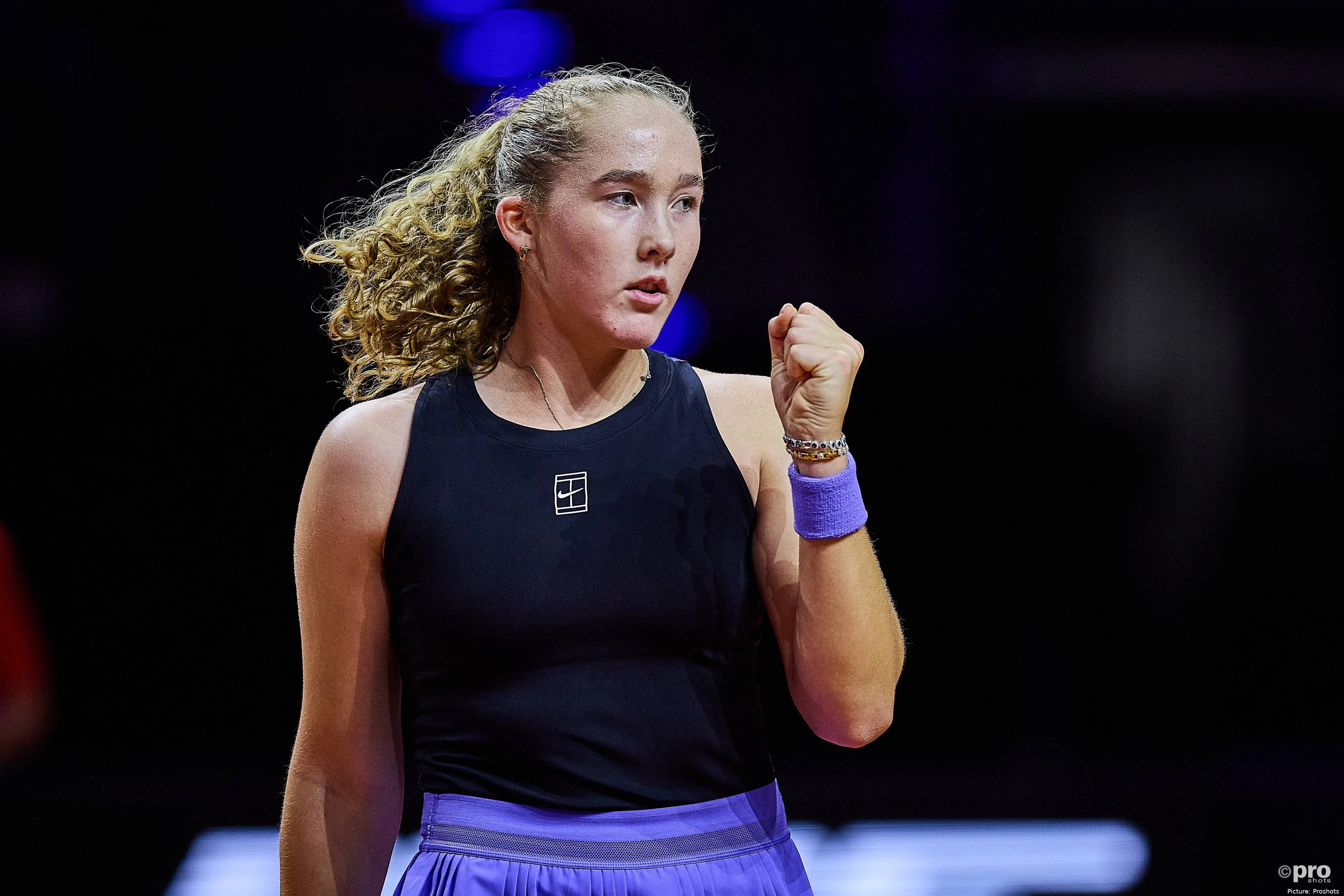
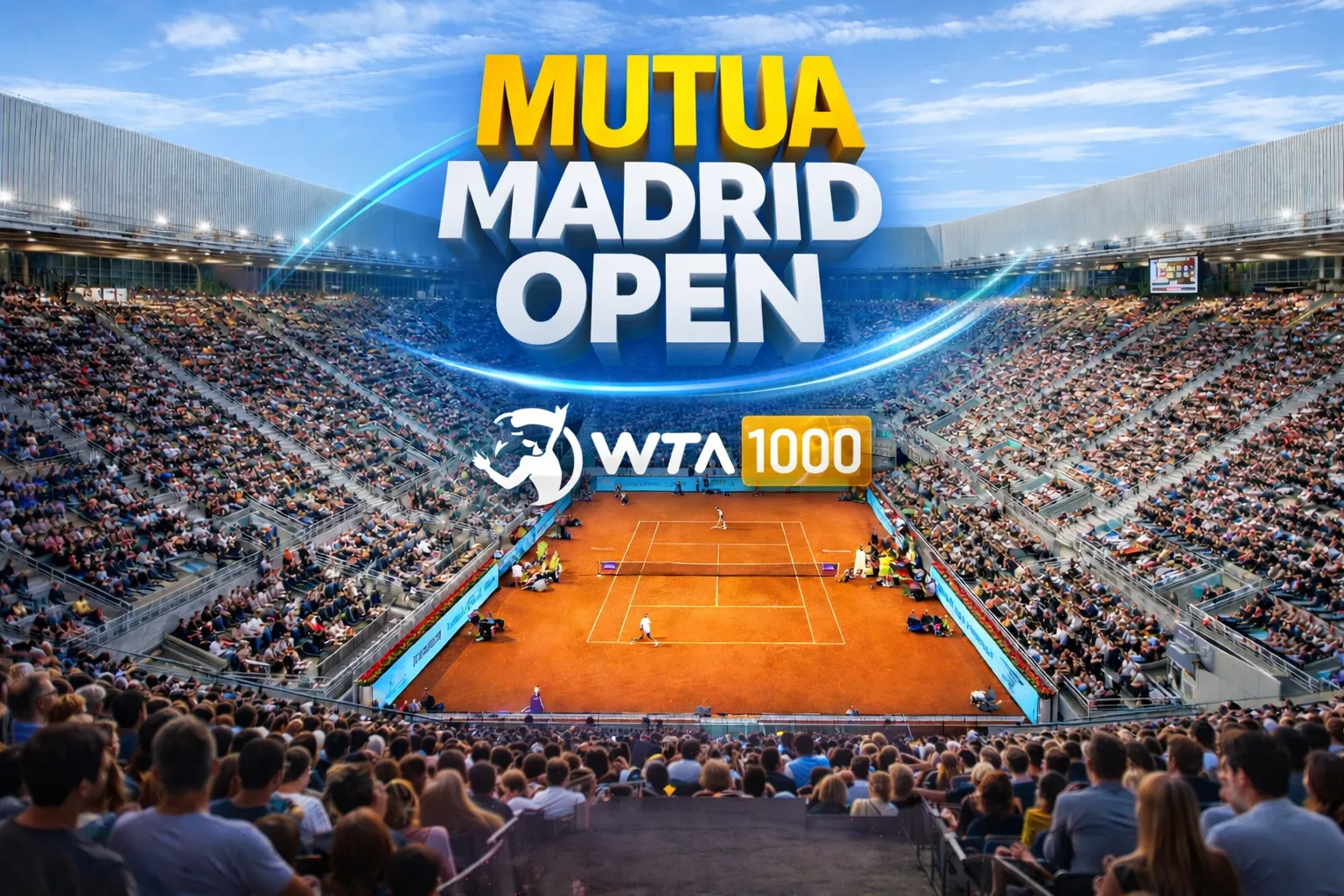
Mirra Andreeva has framed one of the defining aspects of her rise on the WTA Tour, stating that on court, we are completely different people as she continues to compete regularly at the WTA 1000 level before turning nineteen. The Russian returns to the Madrid Open three years after her breakthrough, when she surprisingly reached the fourth round at fifteen years old after obtaining a wildcard and defeating two top-twenty players on the way.
Speaking in a Behind the Curtain feature, Mirra Andreeva focused on the psychological demands of competing at the highest level, pointing to the gap between how players behave during matches and who they are away from the court. The teenager has been characterized by showing a strong and explosive personality inside the court as well as a great sense of humor outside the courts.
Entering Madrid 2023 as a fifteen-year-old wildcard, she defeated Leylah Fernandez, a result that marked her first high-level breakthrough and set the baseline for her subsequent progression at WTA 1000 events. Then she defeated rivals like Beatriz Haddad Maia (13th) and Magda Linette (17th), before falling against the world number two Aryna Sabalenka in the round of sixteen.
In a few years Andreeva became a reality within the tour, already with two WTA 1000 titles in her curriculum. This year she already conquered the WTA 500 trophies in Adelaide and Linz, in addition to finding stability in the top ten, currently positioned as world number eight.
Understanding the ‘two personalities’ of competition
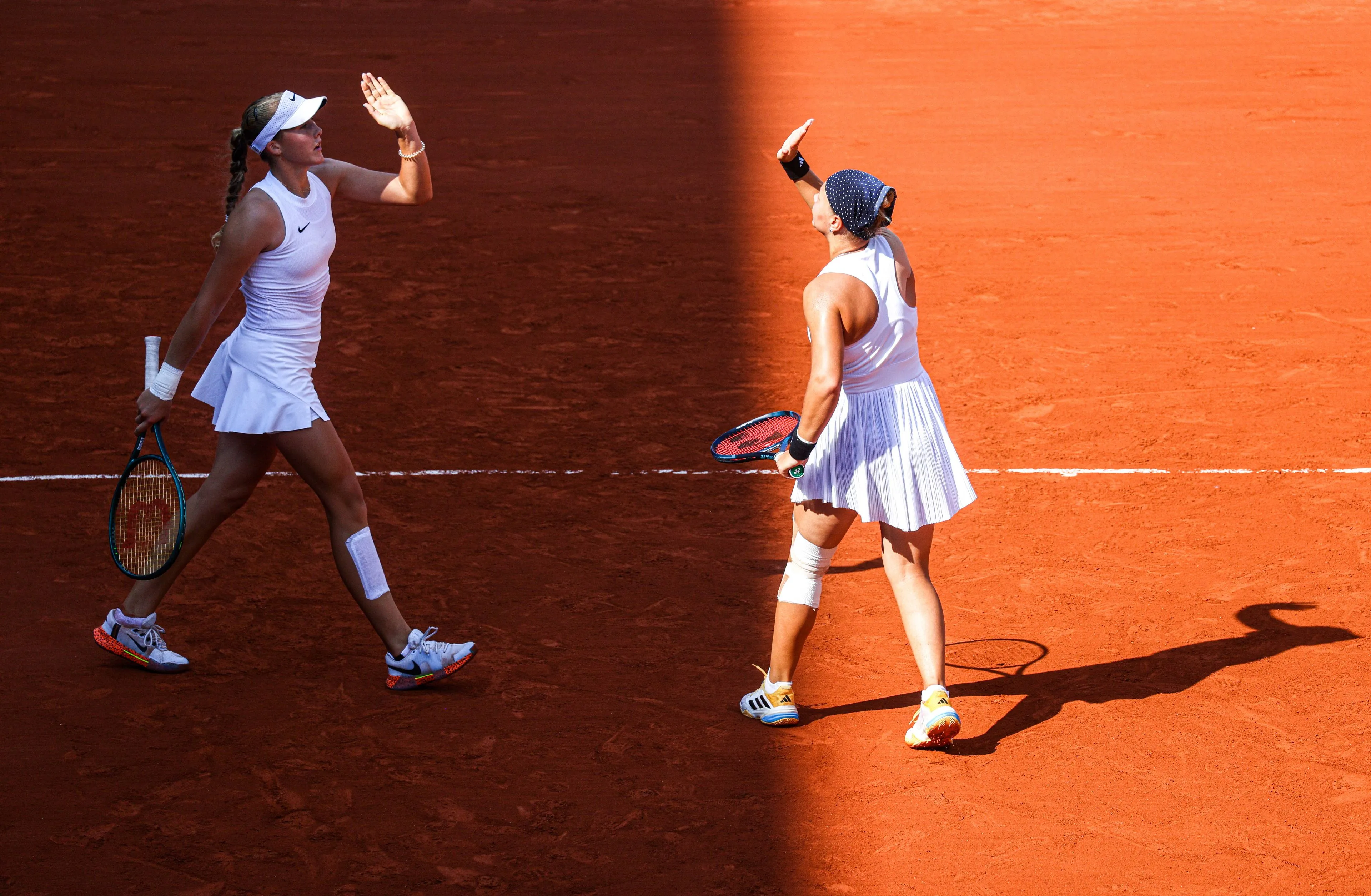
Andreeva’s central argument is built around the idea that the version of a player seen during matches does not fully represent who they are. She pointed to the influence of emotions such as pressure, fear and adrenaline, all of which can alter behaviour in ways that are specific to the competitive environment.
“On court, I think that sometimes we’re completely different people,” the world No. 8 said in an interview with WTA. “People should never judge us when we do something on court because sometimes the emotions, the feelings, maybe the fear or the adrenaline can change us completely. Off the court, we’re completely different people.”
This distinction has become clearer as her experience on tour has increased. What initially appeared as isolated reactions has developed into a consistent pattern, reinforcing her view that elite competition requires a separate mental framework that does not always align with everyday personality traits.
“Tennis has taught me that I actually have probably two personalities in me, on court and off court,” the 2-time WTA 1000 champion added. “That was kind of fun to discover, and I’m still trying to learn who I am on court and who I am off the court.”
From early inspiration to competing against top players
Despite that internal complexity, Andreeva’s motivation remains rooted in early ambition. She frequently recalls her younger self watching leading players and aspiring to reach that level, a reference point that continues to shape her approach in high-level matches.
When facing top-ranked opponents or Grand Slam champions, she reframes those encounters as the fulfilment of a long-term objective rather than a source of additional pressure. “When I go on court and I play against someone that is top ranked or someone that has won a couple of Grand Slams, I always remind myself that that’s what I really wanted since I was really young.”
Mirra Andreeva incorporates a visualization ritual into her pre-match preparation to maintain a high level of competitiveness. "Before a match, usually when I close my eyes, I just try to imagine that I'm Roger or Rafa," Andreeva stated. "Like, you know, those legend players that they fight for every point and they hit those amazing shots that, you know, in the end go into the highlight video."
"I try to imagine that I'm one of those people and just I try to go on court with this kind of mindset and usually have like a silly song that is in my mind that I sing along, you know, throughout my whole match."

Cristhián AvilaTennis Journalist
Cristhián Ávila is a tennis journalist based in Santiago, Chile, and has been part of the TennisUpToDate team since early 2023. He covers the ATP and WTA Tours as well as all four Grand Slams, producing breaking news, match reports, analysis, and regular liveblogs from major tournaments.
His reporting combines statistical analysis with clear explanation, helping readers understand tactical developments, player form, and broader storylines across the tour. Working fluently in both Spanish and English, Cristhián collaborates with an international editorial team and contributes to comprehensive global coverage. As part of his work, he has conducted interviews and media interactions with leading figures in the sport, including Caroline Wozniacki and John McEnroe.
In his journalism, Cristhián places strong emphasis on careful sourcing, editorial accuracy, and updating articles promptly when new, verified information becomes available. His coverage is grounded in research, context, and direct engagement with professional tennis.
claps 0visitors 0
Just In
Popular News
Latest Comments
- Nice article: to the point, covers the situation without additional commentary, and flows nicely. This is a breath of fresh air! Thank you -
- Don't be sad. It's just that no one really looks at this site
- What would you know about having a life? 🤣
- Enough of pathetic trolls like you. Putting legend in quotation marks when you spend all day commenting on every post like a complete loser.😂
- If the argument centers on tennis fans, the decision is straightforward. Paula Badosa should not receive wildcards. The risk of paying for a match ticket only to see her retire midway is simply too high. 😁
- Boo-Hoo for BJK and Poland. Sometimes "Life" takes priority over everything else.
- Seems her Groomer is calling the shots again.
- Bonker Becker's opinion aside... Pro Tennis had better get on te DNA Testing bandwagon before other sports carry that torch and appear to force the WTA's hand in this matter!
- BJK Cup is no longer what it once was in the Big Picture of tennis. Time to retire it?
- Enough of this "legend". Put her out to pasture.



Loading