“I lost the same way in Madrid and Rome as I did here” Coco Gauff reflects on third-round Roland Garros loss
WTA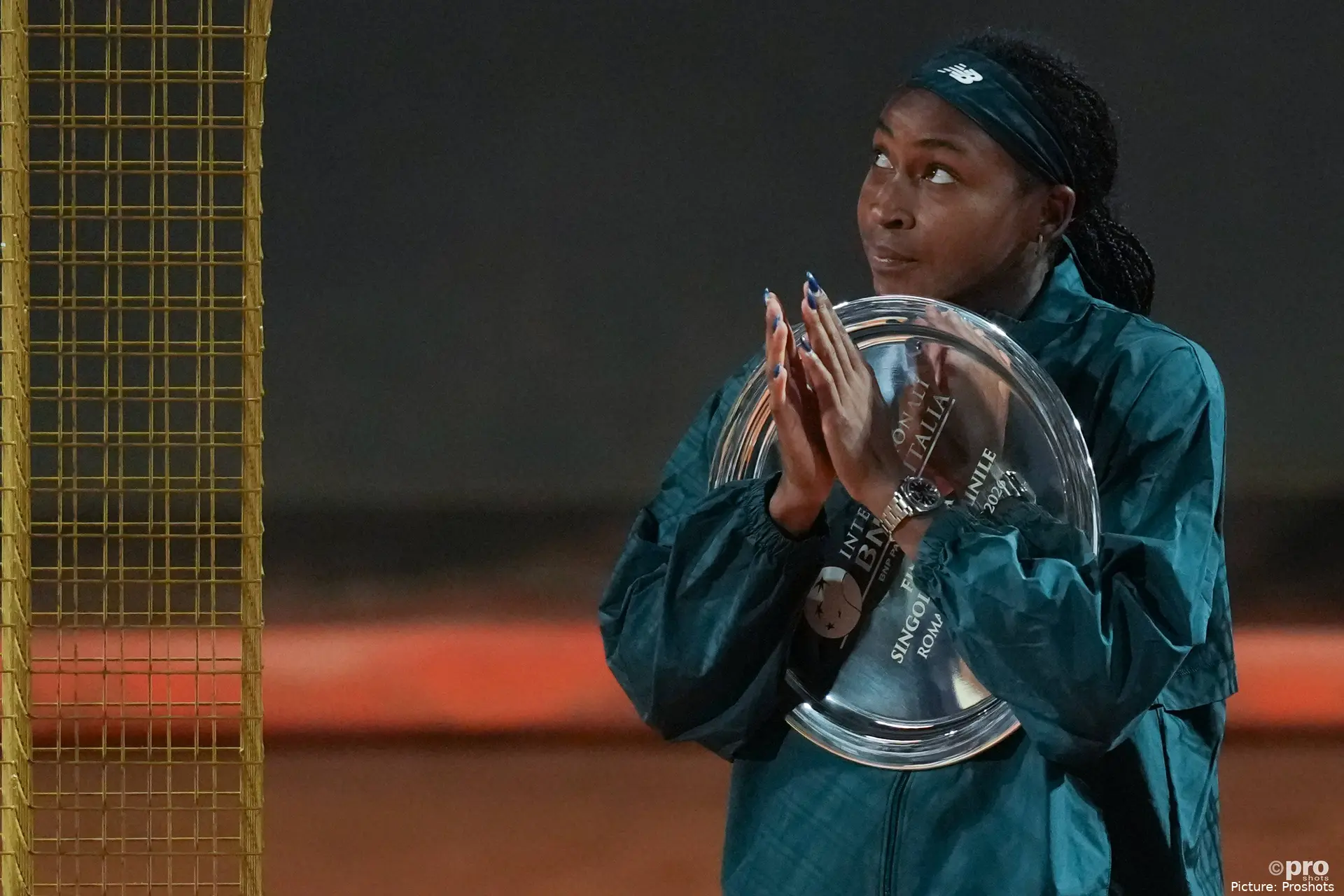
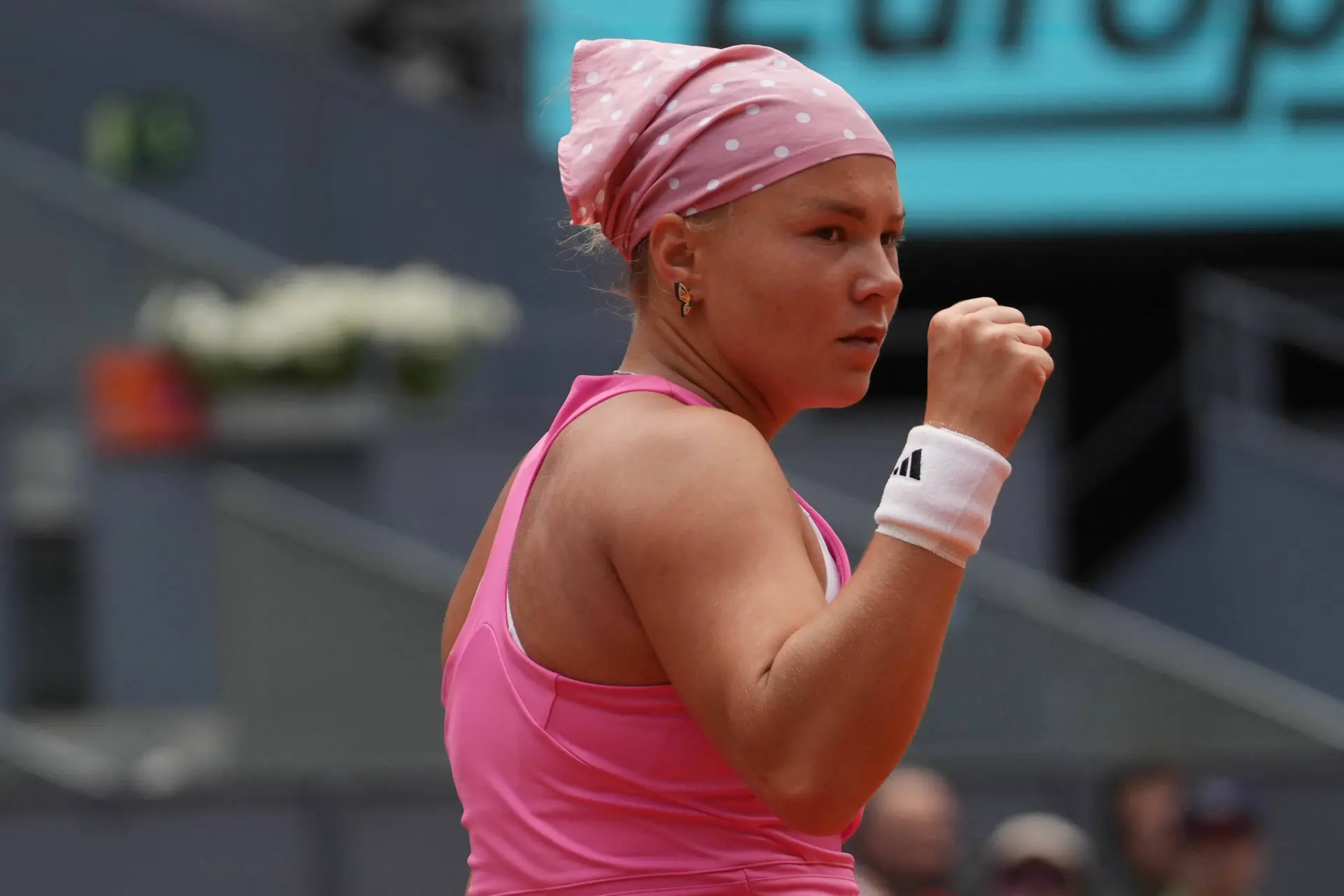
Coco Gauff’s Roland-Garros title defence came to an end in the third round after a 6-4, 6-7(1), 4-6 defeat to Anastasia Potapova, in a match shaped less by sustained dominance than by repeated failures to convert key advantages at decisive moments.
The American, World No. 4 and defending champion, controlled significant phases of the contest, including a set lead and a break advantage in the second set. However, she was unable to consolidate either position, allowing Potapova to recover and force a deciding set, where the momentum fully shifted away from the defending champion.
The result extends a broader issue across Gauff’s clay-court swing, where she has now suffered similar three-set defeats in Madrid and Rome. The player who entered the European clay season as one of the main points defenders ultimately exited early in two of the three most significant tournaments of the swing, without reaching the latter stages expected of her ranking position.
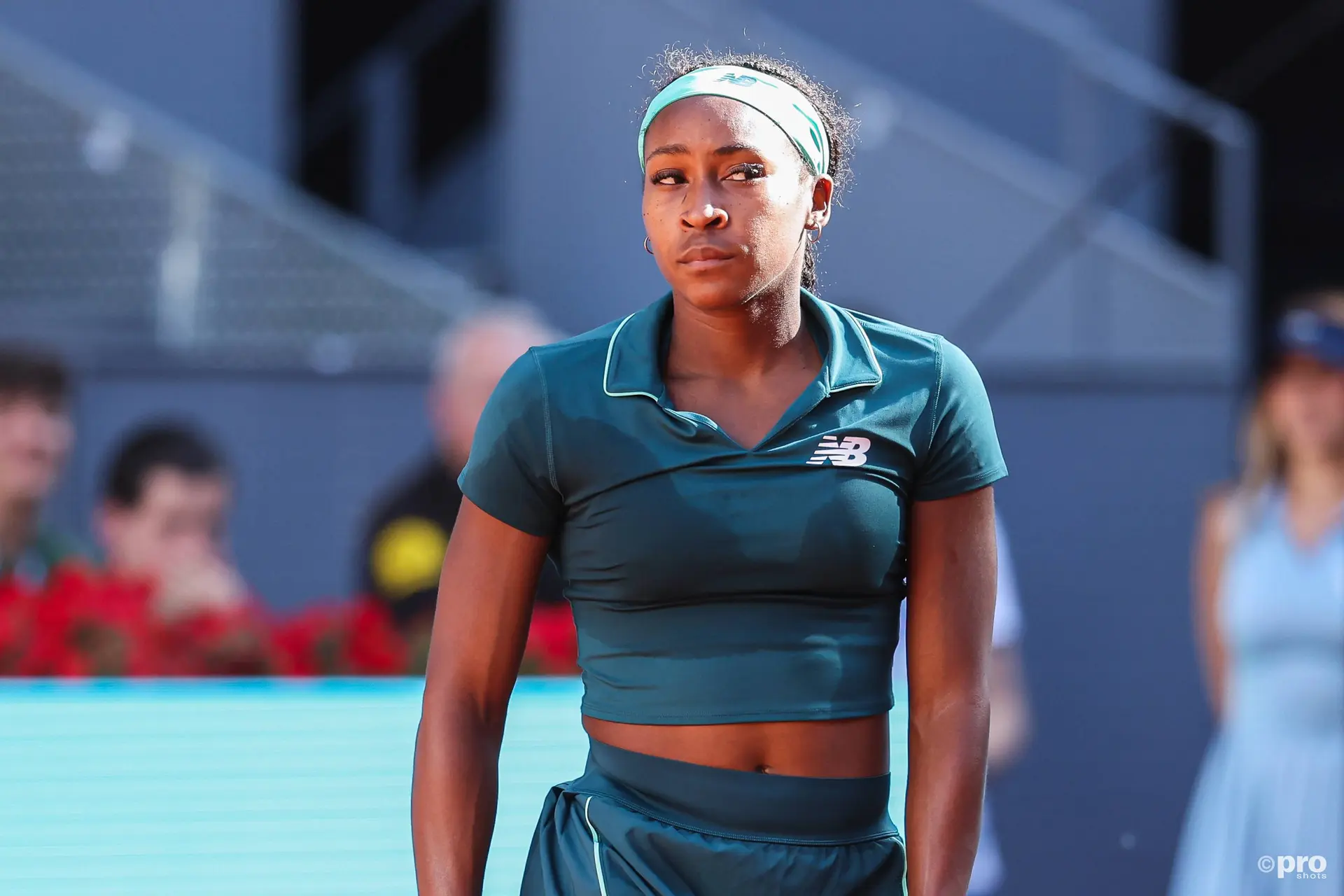
“I lost the same way in Rome as I did here,” Gauff said after her defeat in Paris, directly linking the pattern across tournaments. “You never want to lose the same way back to back times. And I did, and I feel like also in Madrid it was a similar thing, losing the same way.”
Repeated failure to close key moments defines defeat
Gauff’s central explanation focused on execution in pressure situations, particularly during early break-point opportunities where she failed to consolidate scoreboard control. The World No. 3 repeatedly pointed to missed chances as the decisive factor in her 6-4, 6-7(1), 4-6 defeat to Anastasia Potapova in the third round of Roland-Garros.
“I had chances,” she said in press conference. “Just trying to capitalise more on these good points that I’m hitting and not quite finishing. So yeah, that was the difference, that she was able to finish the points and I wasn't.”

She expanded on the issue by referencing a specific passage at 3-0 in the opening set, where multiple break-point opportunities went unused due to backhand errors. That moment, she suggested, shifted the balance of the set despite her early control.
“At 3-0 I had a couple of break points and missed, I think, two or three backhands, which just can’t happen in that scenario,” Gauff said. “I feel like I’m practising well and when the moments get there, I’m not quite translating that.”
The two-time Grand Slam champion described the issue as intermittent rather than structural but acknowledged repetition across multiple events, including Madrid and Rome. “I do it at times and then I also don’t do it,” she said, adding that it remains “a learning experience” as she continues adjusting decision-making in key stages.
Momentum control issues, serve development and ranking impact
Beyond shot execution, Gauff pointed to momentum management as a recurring weakness across her clay-court swing. She led 5-2 in the second set and 3-1 in the third but failed to close either position, allowing Potapova to recover and ultimately dictate the decisive stages of the match.
“I never feel completely comfortable until the match is over,” Gauff said. “That’s maybe the issue too, that when I see the momentum is on my side, I should keep putting my foot on the gas instead of maybe letting up a little bit.”
Read also
The American also addressed her serve performance, which she described as improved in consistency but insufficient in competitive impact. Despite greater confidence in the shot, she was broken multiple times in key phases, undermining its effectiveness as a stabilising tool.
“Who cares how many serves I make in the court if the result is still the same,” the 22-year-old American said. “I have a lot of trust now in my serve, but I got broken a lot of times and I have to correct that.”
Gauff also acknowledged that she did not consistently apply tactical patterns worked on in training, particularly in aggressive serving phases and structured point construction, suggesting this may have contributed to the loss of control in the second set and beyond.
Ranking consequences and broader clay-court regression
The defeat carries immediate ranking consequences, with Gauff projected to fall outside the Top 5 for the first time in more than two years, moving to World No. 6. She also becomes the third-ranked American player behind Jessica Pegula and Amanda Anisimova, reflecting a broader shift in the WTA hierarchy during the clay swing.
The Roland-Garros exit also fits a wider pattern across her recent Grand Slam and clay-court results. It is the second time she has entered a major as defending champion and exited earlier than expected. At the 2024 US Open, where she also defended a title, she was eliminated in the fourth round, while this time in Paris she fell in the third round.
The American acknowledged the contrast between perceived progress and match output under pressure, referencing her previous experience in New York as part of the learning curve.
“I think I learned from my US Open experience, so I don't really think it played a part in the result today,” she said. “I think that's what's more frustrating, because I felt like I learned a lot from that US Open experience and I'm a better player since then, and I just don't think I portrayed that today.”

Cristhián AvilaTennis Journalist
Cristhián Ávila is a tennis journalist based in Santiago, Chile, and has been part of the TennisUpToDate team since early 2023. He covers the ATP and WTA Tours as well as all four Grand Slams, producing breaking news, match reports, analysis, and regular liveblogs from major tournaments.
His reporting combines statistical analysis with clear explanation, helping readers understand tactical developments, player form, and broader storylines across the tour. Working fluently in both Spanish and English, Cristhián collaborates with an international editorial team and contributes to comprehensive global coverage. As part of his work, he has conducted interviews and media interactions with leading figures in the sport, including Caroline Wozniacki and John McEnroe.
In his journalism, Cristhián places strong emphasis on careful sourcing, editorial accuracy, and updating articles promptly when new, verified information becomes available. His coverage is grounded in research, context, and direct engagement with professional tennis.
claps 0visitors 0
Just In



Popular News


Latest Comments
- Does Sinner need that 4.5 mil? I doubt it. He can make that with three modelling gigs!😅🤣Rapunzel21-10-2026
- Did "People Magazine" purchase this website? This nonstop storyline is bullshit.
 mandoist21-10-2026
 - Listen... this is of no concern to anyone but these two. Deal with your own issues -- most of us have our own. Thanks, media, for these insignificant follow-ups which are meaningless.mandoist21-10-2026
- This is so very very sad, for all three of them. I truly thought they had an unbreakable bond, but life throws up so many differing challenges. Having your homeland suffering in such a terrible way, makes happiness lose out to guilt as well. Our thoughts are with them. X💔bjsexton20-10-2026
- I have lost all respect for Svitolina! Could she not have waited until he had played at the Paris Masters!!! She is selfish and don't give a damn about Gael. That is NOT how love is demonstrated Elina!!Rapunzel19-10-2026
- Perhaps convenient tennis tour sex is not a strong enough experience in which to base a marriage?mandoist19-10-2026
- Fight the Good Fight... Tennis (sports in general) need more Humans such as yourself.mandoist18-10-2026
- When is WTA going to mandate Genetic Testing (DNA) ???mandoist18-10-2026
- Hey, Dan... you just wake up from a coma? Regardless -- Thanks for the comedy this morning!mandoist18-10-2026
- Two Things: 1. Stop allowing these Spoiled Trust-Fund Elitists to behave badly. Your little hand-slaps do not deter them. 2. STOP the incessantly annoying "towel wiping" nonsense!!!!mandoist15-10-2026

Loading