"I’m going to completely lose all sense of rationality for like 48 hours": Deflated and crestfallen Amanda Anisimova crashes out of Australian Open
WTA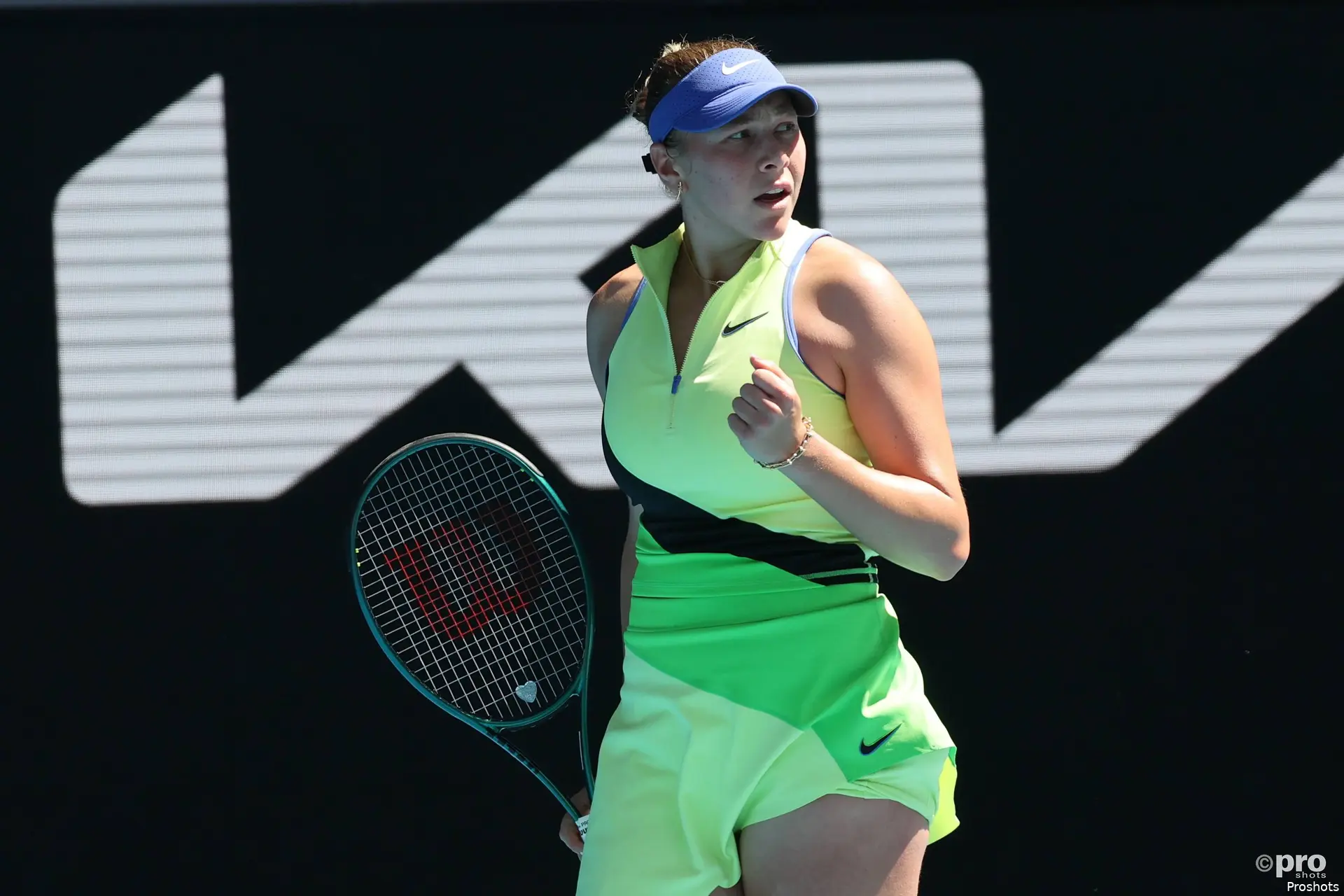
Amanda Anisimova’s run at the 2026 Australian Open came to an end in the quarter-finals on Wednesday, as she was beaten 6–2, 7–6 by Jessica Pegula.
While the result was not the one she hoped for, Anisimova said reaching the last eight still represented a positive tournament overall, while acknowledging the level Pegula brought on the day. “I think making the quarters is a good result,” Anisimova said. “Jess was playing well today. It’s obviously not the outcome I would have wanted.”
Asked about the difficulty of finding her rhythm during the match, Anisimova admitted she struggled to feel the ball and was unable to settle into her usual patterns of play.
“When you’re not feeling it, you try to be consistent, right, to get the ball into the court,” she explained. “I was trying my best to just put the ball in the court and play higher percentage, but I literally missed every ball into the net or served into the stands.”
She credited Pegula’s steadiness for making the situation even harder. “She was playing great tennis. She’s always playing stable. I don’t think there are often times where she’s not playing her best, and I was just playing like that today. I was doing my best trying to get the ball over the net, but every time it would just go into the net.”
Read also
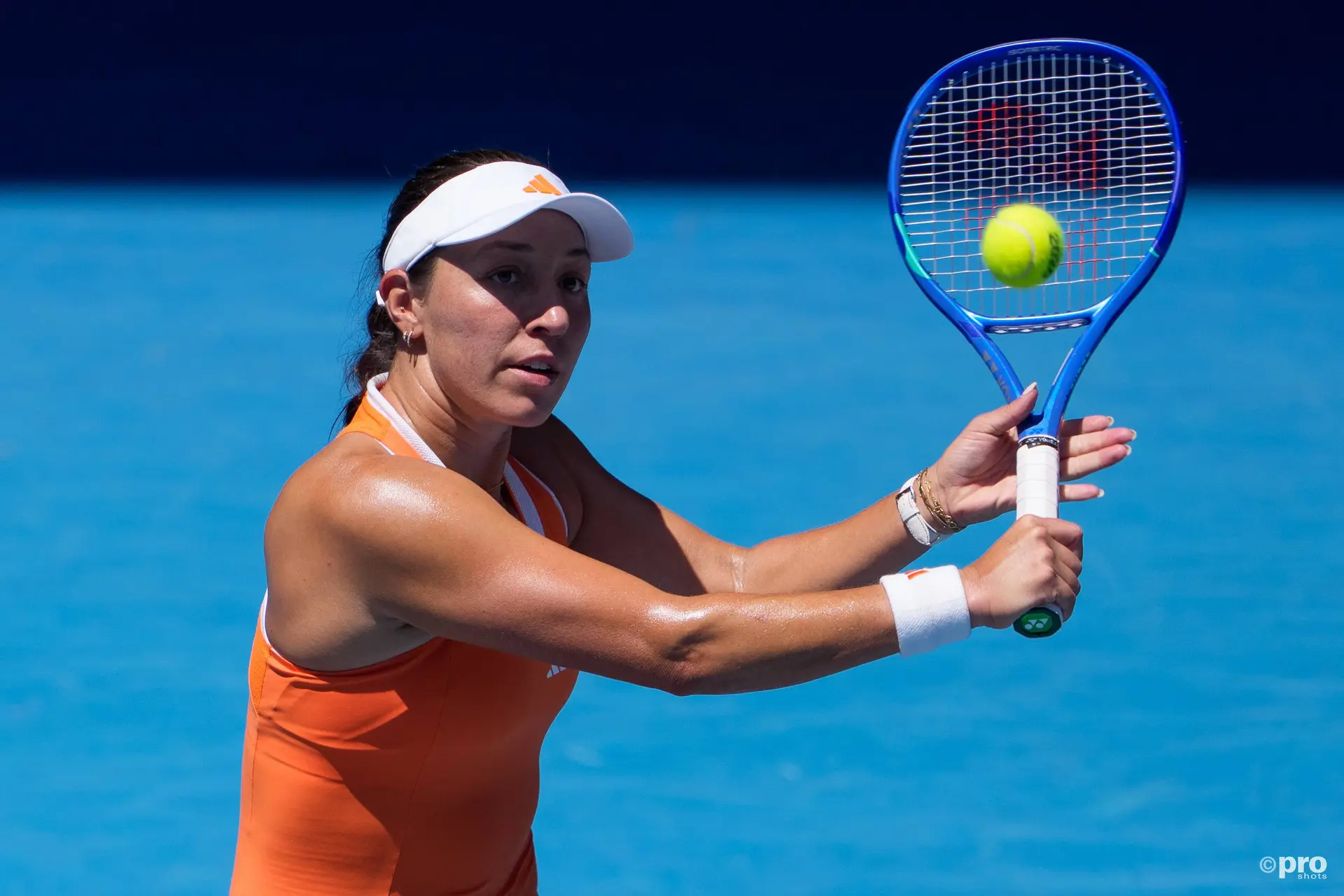
That consistency, Anisimova said, is one of Pegula’s biggest strengths and one of the toughest things to face when her own game is slightly off. “She doesn’t make many mistakes, so if your game is off like today, it obviously makes it a bit more difficult,” she said. “Sometimes I was able to find myself in the match and find my way back into it somehow, but the fact that she plays such consistent tennis, it’s not easy. You have to make at least two or three balls in the court.”
Pegula’s defensive work came as no surprise, with Anisimova instead pointing the focus inward. "That’s how I expected her to play, so it wasn’t surprising,” she said. “If anything, I was just more surprised by my own game.”
Despite the performance, Anisimova revealed there were no warning signs before stepping onto Rod Laver Arena. “I had a great warm-up and I was feeling good. I was feeling calm for the majority of the day,” she said. “Then I was just missing by a little bit every time in the first set — super small margins. Sometimes that’s just the way it is in tennis. It’s really not going your way, or you’re missing by a little bit.”
She added that learning how to respond in those moments will be a key takeaway from the match. “I need to figure out what goes wrong in those moments and how I can clear myself and get myself back in the game, and just play with bigger targets,” she said. “I need to learn from this match and figure out what I did wrong.”
Gauff incident and compartmentalising loss
Anisimova was also asked about the increased behind-the-scenes camera coverage at the tournament, following comments made by Coco Gauff earlier in the week about privacy.
“You kind of know after a few days — four or five days — that obviously you see on the internet just you walking around,” Anisimova said. “So I knew that was there, and I just kept my head down and went to the locker room.”
She acknowledged that while some moments captured can be positive, others can be far more difficult after a loss. “There are good moments, obviously, that people see, and that’s fun. Then when you lose, there are probably not-so-good moments,” she said. “I think the fact that the video of Coco that was posted is tough, because she didn’t have a say in that.”
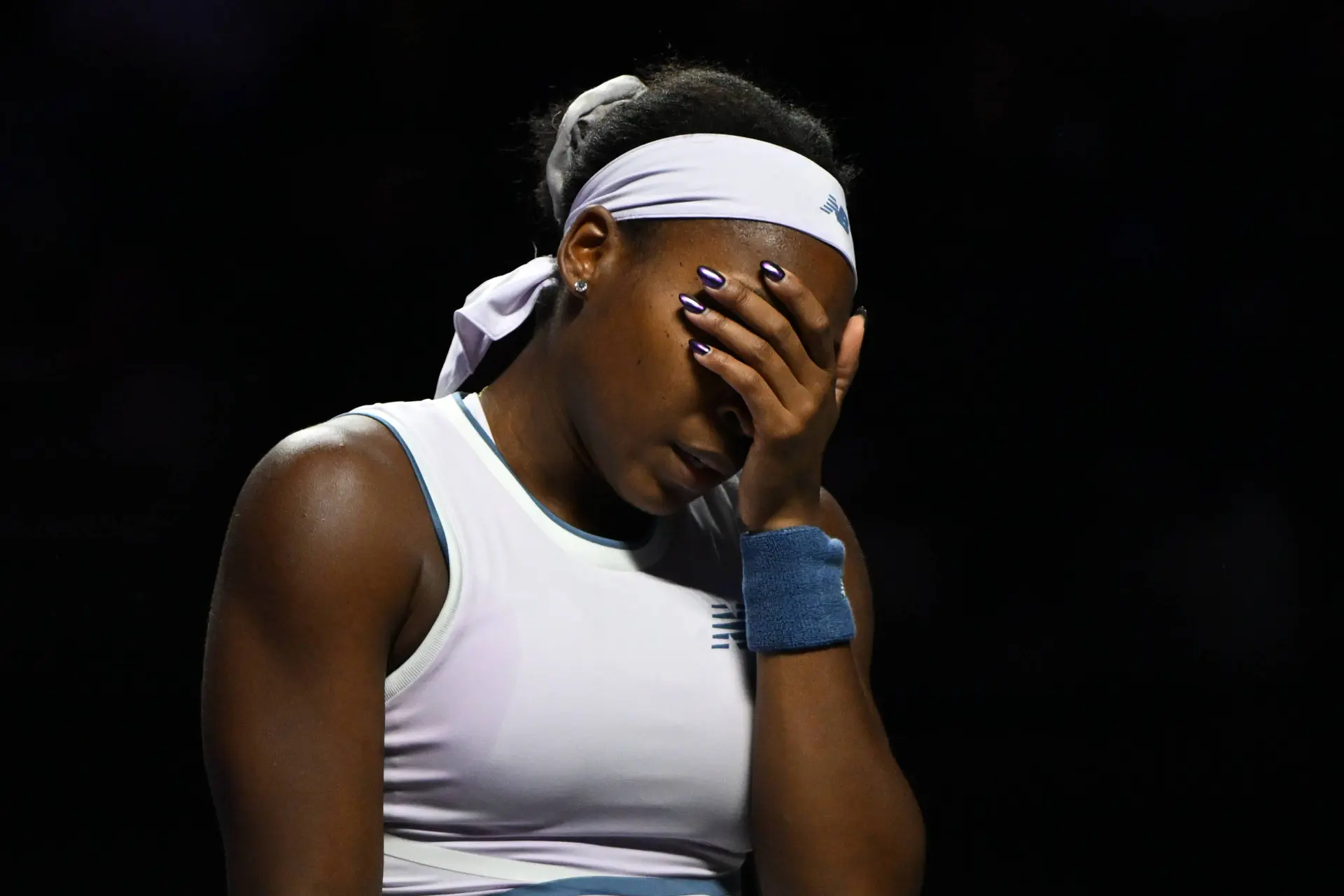
By the later stages of the tournament, Anisimova said she had already adjusted her expectations around privacy. “This deep into the tournament I knew that I didn’t have much privacy, so I just went to the locker room. I knew I was able to just be there.”
Reflecting on the emotional toll of defeat, Anisimova admitted that losses can feel heavier as expectations rise.
“As a tennis player, you can be very irrational,” she said. “Obviously I’m very grateful for the life that I have and the career I have, but you kind of lose your mind after matches like this.”
She added that processing a loss often takes time. “After a day like today, I’m going to completely lose all sense of rationality for like 48 hours,” she said. “That’s just what goes into working so hard for something and then having matches and days like this. It’s different than any other career.”
Despite the disappointment, Anisimova finished by underlining her gratitude for her position in the sport. “That’s what makes tennis very tough, but also we have a great life and I’m grateful for what I do,” she said. “It’s definitely very hard to process and go through, but yeah.”

Samuel GillEditor-in-Chief
Samuel Gill is the Chief Content Officer (CCO) of TennisUpToDate.com, a role he has held since 2020. He is responsible for editorial governance across the platform, including setting content standards, overseeing accuracy and consistency, and guiding long-term editorial strategy. Since joining, he has contributed more than 10,000 articles and editorial pieces across the TennisUpToDate network, playing a central role in the daily operation and development of the site.
Based in Leicester, Samuel has a broad background in tennis media. In his current role, he works closely with editors and writers to ensure coverage meets clear journalistic standards, with particular attention to verification, consistency, and timely updates when new information becomes available.
claps 0visitors 0
Just In


Popular News



Latest Comments
- Does Sinner need that 4.5 mil? I doubt it. He can make that with three modelling gigs!😅🤣Rapunzel21-10-2026
- Did "People Magazine" purchase this website? This nonstop storyline is bullshit.
 mandoist21-10-2026
 - Listen... this is of no concern to anyone but these two. Deal with your own issues -- most of us have our own. Thanks, media, for these insignificant follow-ups which are meaningless.mandoist21-10-2026
- This is so very very sad, for all three of them. I truly thought they had an unbreakable bond, but life throws up so many differing challenges. Having your homeland suffering in such a terrible way, makes happiness lose out to guilt as well. Our thoughts are with them. X💔bjsexton20-10-2026
- I have lost all respect for Svitolina! Could she not have waited until he had played at the Paris Masters!!! She is selfish and don't give a damn about Gael. That is NOT how love is demonstrated Elina!!Rapunzel19-10-2026
- Perhaps convenient tennis tour sex is not a strong enough experience in which to base a marriage?mandoist19-10-2026
- Fight the Good Fight... Tennis (sports in general) need more Humans such as yourself.mandoist18-10-2026
- When is WTA going to mandate Genetic Testing (DNA) ???mandoist18-10-2026
- Hey, Dan... you just wake up from a coma? Regardless -- Thanks for the comedy this morning!mandoist18-10-2026
- Two Things: 1. Stop allowing these Spoiled Trust-Fund Elitists to behave badly. Your little hand-slaps do not deter them. 2. STOP the incessantly annoying "towel wiping" nonsense!!!!mandoist15-10-2026

Loading

