"In some of those quarterfinals I lost previously, I felt helpless": Confident Jessica Pegula flicks the switch after previous major Quarter-Final woes
WTA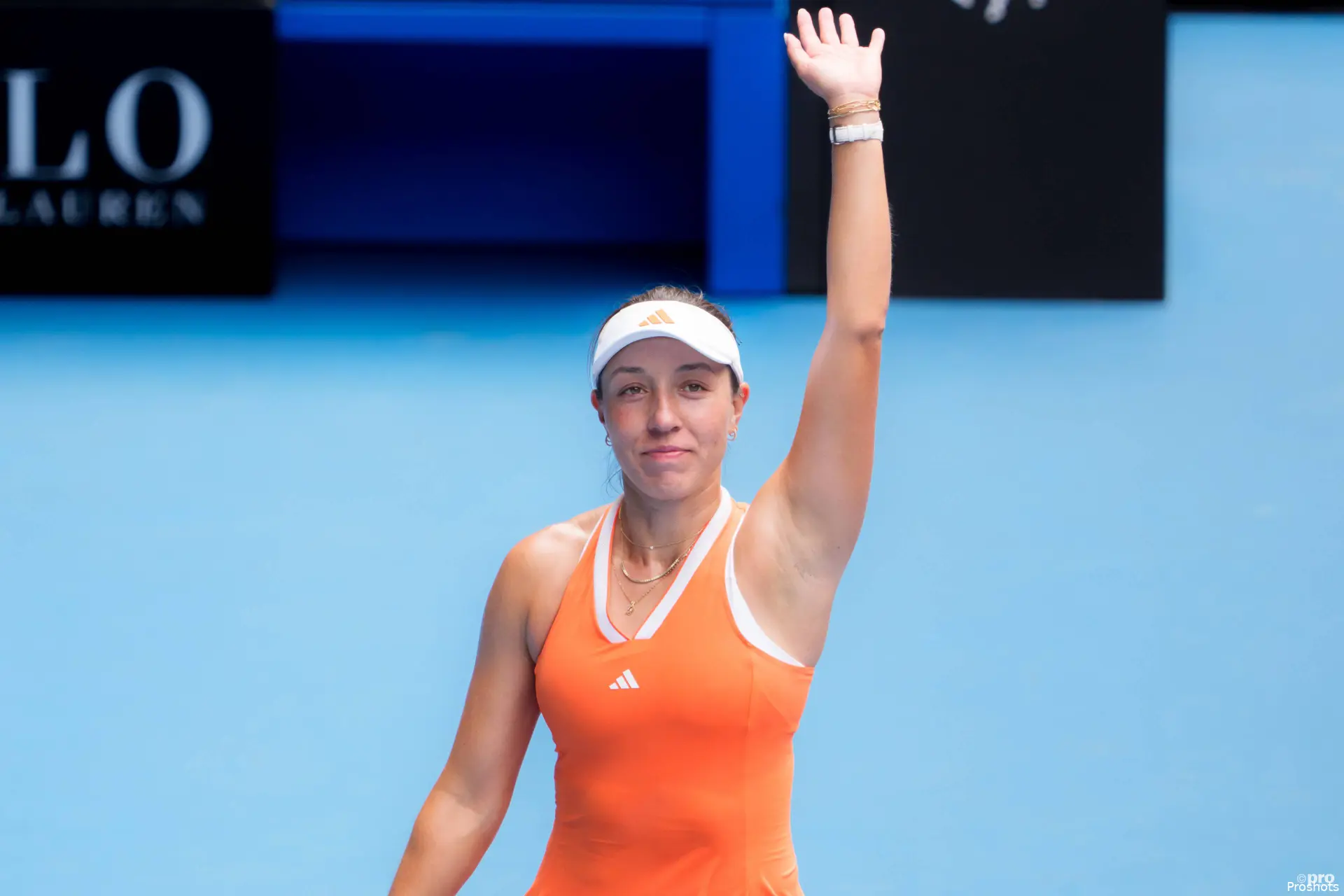
Jessica Pegula booked her place in her first Australian Open semi-final with a 6–2, 7–6 victory over Amanda Anisimova, producing a composed and resilient performance to continue her strong start to the 2026 season.
Speaking after the match, Pegula said she was pleased with both her level and her ability to handle momentum swings, particularly late in the contest.
“I’m really happy with my performance today,” Pegula said in his press conference. “From start to finish there were a lot of momentum swings, but I came out playing really well and serving really well. I was able to hold on there in the second set, get that break back and take it in two. I think I showed some good mental resilience at the end, not to get frustrated.”
Pegula acknowledged that her positive head-to-head record against Anisimova gave her added belief going into the match, even though the two had not faced each other since Anisimova established herself as a top-10 player. “It definitely helps when you have a good record against somebody,” she said. “You kind of know that you can beat them no matter the ranking, and that’s always in the back of your head.”
She added that she was curious to see how Anisimova’s game had evolved. “We didn’t play each other in Beijing, we didn’t play each other in the finals, so I was interested to see what she was doing differently as a top player,” Pegula said. “I knew that was going to be a challenge.”
Read also
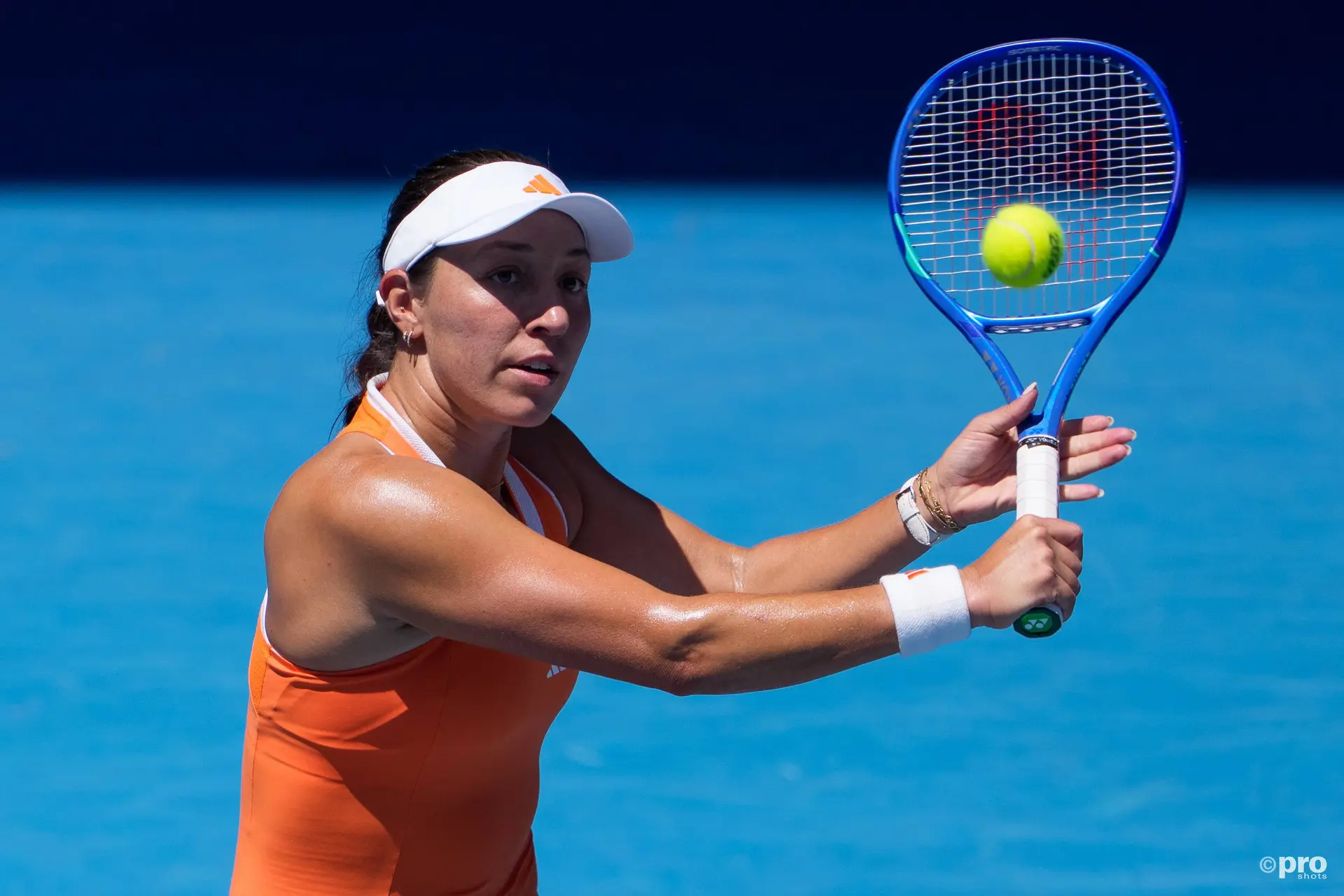
Ultimately, Pegula said she relied heavily on the tactical work she has been developing with her team. "I honestly relied a lot on my strategy and stuff that I’ve been working on with my team to pull me through there at the end,” she said. “She’s definitely playing better — moving a bit better, and her rally tolerance seems higher — but I’m happy with me trusting my game plan and picking up on some things.”
At 31, Pegula’s run to the semi-finals continues a trend of her best Grand Slam results coming later in her career, something she believes reflects growth both mentally and tactically.
“When I look back at other quarterfinal matches that I had lost, I don’t know if mentally I was really there,” she said. “I think I was happy just to be there, and then I put a little bit too much pressure on myself to get to the next match.”
Experience of defeat has led to success
She believes experience has changed how she handles those moments. “I’ve become a better player where I just know how to be in this position more,” Pegula said. “I have more tools. When you feel like you have more in the tool shed and things aren’t going great, that’s a lot of confidence.”
In contrast to earlier defeats, Pegula said she no longer feels powerless when matches begin to slip away. “In some of those quarterfinals I lost previously, I felt helpless,” she explained. “You’re just competing and hoping something changes. In some of those matches, I just wasn’t the better player. I’m proud of myself for how I’ve been able to consistently still improve.”
Pegula also reflected on the changing depth at the top of the women’s game, suggesting the current era may be more competitive than ever. “I honestly think the level’s higher now than probably before when I was making some of those quarters,” she said. “Aryna wasn’t as dominant, Rybakina maybe wasn’t as dominant, and Iga was dominating a bit. Now we have all these girls — Amanda.”
Rather than working harder, Pegula believes working smarter has been key to her longevity. “I actually think I work a little less hard and a lot smarter,” she said. “I’ve really honed in on how to become better.”
That clarity, she explained, ties closely to her personality and mental approach on court. “I don’t really panic. I don’t get too emotional. I don’t get too upset about things,” Pegula said. “That’s where the stability comes from — maturing and growing into your personality.”
Over the last several years, she feels she has learned to lean into those traits rather than fight them. “I think the way I think about the game is different than a lot of people, and that’s my strength,” she said. “I’ve leaned into my stability, my mental toughness, and my ability to stay calm and really owned that.”
Pegula was also forthright when asked about backstage camera coverage at the tournament, echoing concerns raised earlier by Coco Gauff and Iga Świątek. “I’m not a fan of the cameras,” she said. “Can you just let the girls have a moment to themselves?”
She described the current level of surveillance as excessive. “It’s in every single hallway,” Pegula said. “The only place you’re not being recorded is when you’re showering or going to the bathroom. That’s something we need to cut back on for sure.”

Jessica Pegula in her match at the Australian Open against Madison Keys
Gauff racquet smash, coping with loneliness and Rybakina next
From a player council perspective, she said the issue is longstanding but feels worse this year. “Coco wasn’t wrong when she said the only private place is the locker room, which is crazy,” Pegula said. “You feel like you’re under a microscope constantly, and then moments get taken out of context and posted online when they should be private.”
Despite the serious topic, Pegula’s lighter side emerged when discussing her relationships on tour and her strong record against fellow Americans. “I’ll take those bragging rights,” she laughed. “I’d definitely rather have that record than not.”
She credited her friendliness with helping her cope with the grind of tour life. “Being away from home is really tough,” Pegula said. “When you can have a group of people you can talk to and just be yourself with, it really helps.”
Looking ahead to the semi-finals, Pegula knows the challenge only increases. She is set to face Elena Rybakina, whom she recently played in Riyadh. “She was playing really good tennis and obviously won the event,” Pegula said. “Anyone that serves like she does is always going to be in the match. It doesn’t get any easier from here.”
Still, Pegula remains grounded in the same approach that carried her through the quarter-finals. “I’m going to look at some stuff I did in Riyadh and see what I can change,” she said. “Another big hitter — there’s not a lack of those on the tour these days.”

Samuel GillEditor-in-Chief
Samuel Gill is the Chief Content Officer (CCO) of TennisUpToDate.com, a role he has held since 2020. He is responsible for editorial governance across the platform, including setting content standards, overseeing accuracy and consistency, and guiding long-term editorial strategy. Since joining, he has contributed more than 10,000 articles and editorial pieces across the TennisUpToDate network, playing a central role in the daily operation and development of the site.
Based in Leicester, Samuel has a broad background in tennis media. In his current role, he works closely with editors and writers to ensure coverage meets clear journalistic standards, with particular attention to verification, consistency, and timely updates when new information becomes available.
claps 0visitors 0
Just In


Popular News


Latest Comments
- Does Sinner need that 4.5 mil? I doubt it. He can make that with three modelling gigs!😅🤣Rapunzel21-10-2026
- Did "People Magazine" purchase this website? This nonstop storyline is bullshit.
 mandoist21-10-2026
 - Listen... this is of no concern to anyone but these two. Deal with your own issues -- most of us have our own. Thanks, media, for these insignificant follow-ups which are meaningless.mandoist21-10-2026
- This is so very very sad, for all three of them. I truly thought they had an unbreakable bond, but life throws up so many differing challenges. Having your homeland suffering in such a terrible way, makes happiness lose out to guilt as well. Our thoughts are with them. X💔bjsexton20-10-2026
- I have lost all respect for Svitolina! Could she not have waited until he had played at the Paris Masters!!! She is selfish and don't give a damn about Gael. That is NOT how love is demonstrated Elina!!Rapunzel19-10-2026
- Perhaps convenient tennis tour sex is not a strong enough experience in which to base a marriage?mandoist19-10-2026
- Fight the Good Fight... Tennis (sports in general) need more Humans such as yourself.mandoist18-10-2026
- When is WTA going to mandate Genetic Testing (DNA) ???mandoist18-10-2026
- Hey, Dan... you just wake up from a coma? Regardless -- Thanks for the comedy this morning!mandoist18-10-2026
- Two Things: 1. Stop allowing these Spoiled Trust-Fund Elitists to behave badly. Your little hand-slaps do not deter them. 2. STOP the incessantly annoying "towel wiping" nonsense!!!!mandoist15-10-2026

Loading