“It shows that a lot of us are on the same page”: Coco Gauff backs player media protest at Roland Garros
WTAFriday, 22 May 2026 at 23:30
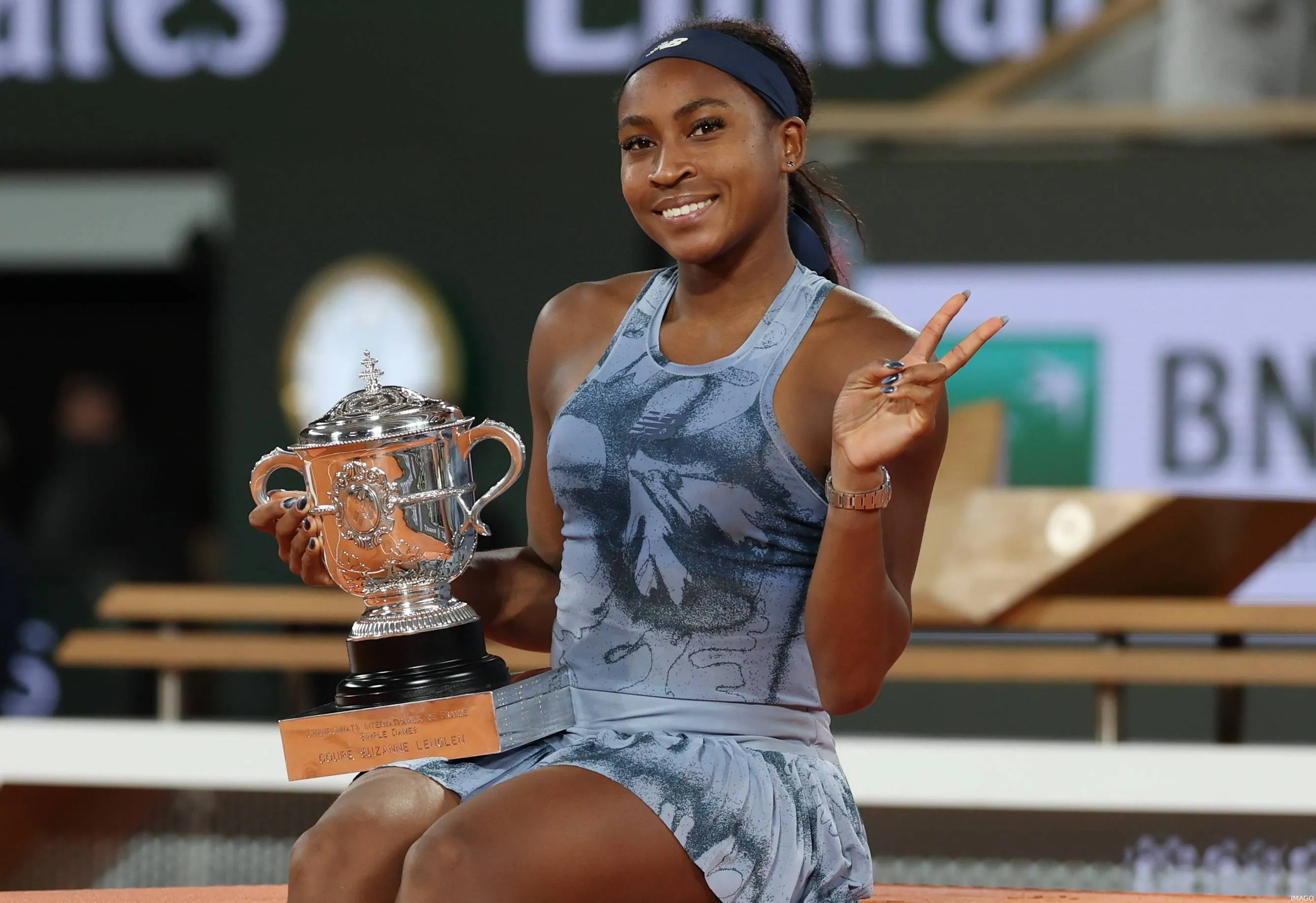
Coco Gauff arrives at Roland Garros with the intention of defending the crown she won in 2025 – after defeating Aryna Sabalenka in the final – in what was her second Grand Slam title.
It was a moment of redemption for Gauff, who had lost her first major final three years earlier in the same scenario – although against Iga Swiatek – winning just four games (1-6, 3-6). “I never want to lose a match like this again,” she recalled during her press conference on Friday afternoon.
The world No. 4, who is a strong candidate to defend her title in Paris, also referred to the personal and tennis development she has undergone since that tough defeat to Swiatek in 2022, when she only won four games.
While expectations continue to build ahead of the second Grand Slam of the year, Gauff also addressed one of the key topics in the tennis world last week: the discussion around prize money distribution at Grand Slams and recent pressure-related measures from top-10 players.
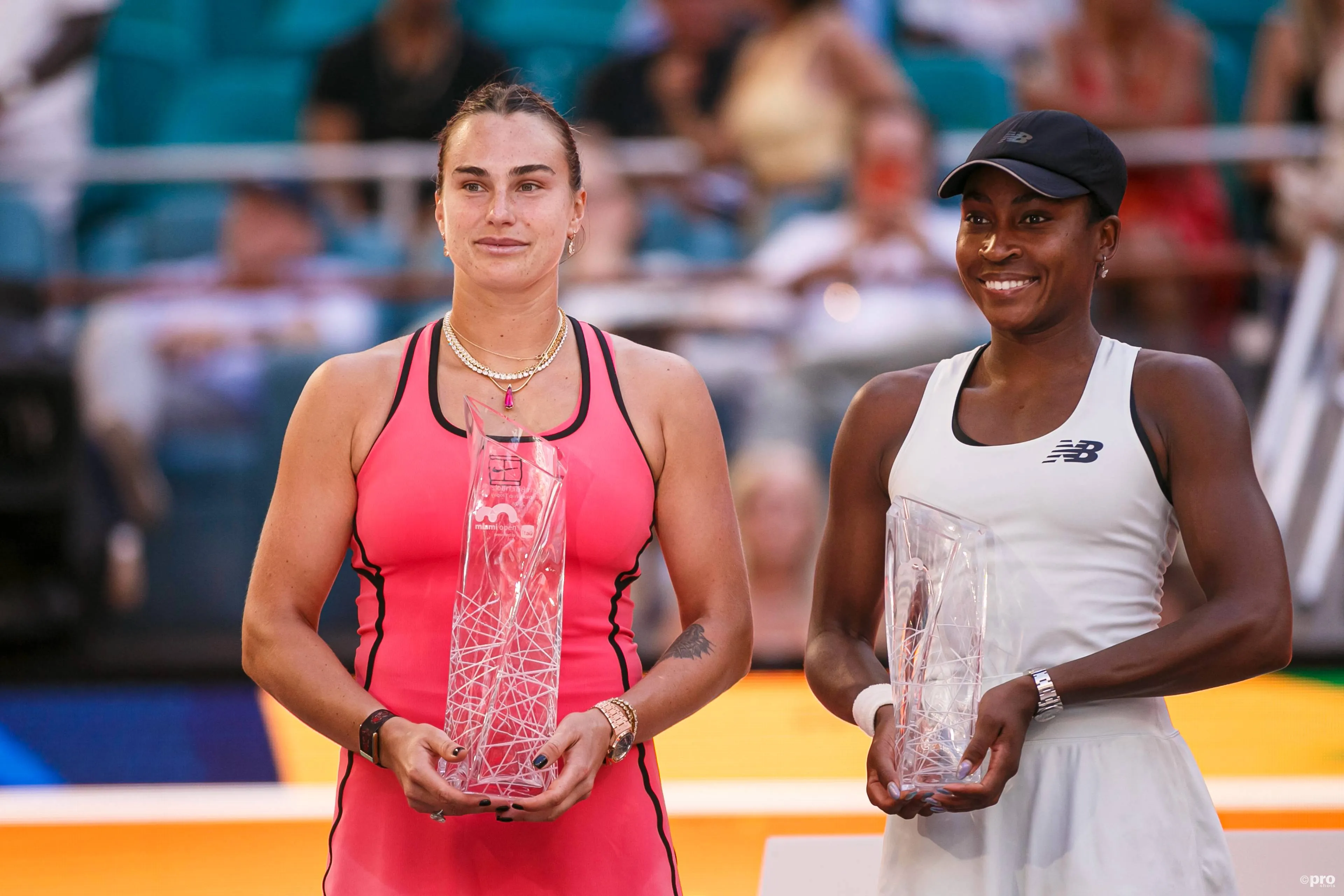
Gauff joined what the top players collectively decided ahead of the French Open: limiting their participation on Media Day as a way of exerting pressure on the tournament organisers and expressing their dissatisfaction. “It shows that a lot of us are on the same page and can take collective action beyond just talking,” the 22-year-old explained during her press conference.
Public scrutiny, early finals and Grand Slam pressure
Gauff reflected on the dual reality of growing up in professional sport, where success and mistakes are both highly visible. She acknowledged that being in the public eye brings advantages, but also exposes developmental errors to global scrutiny early in a career.
“The best thing is that sometimes you get perks and people recognise you and things like that. But the worst thing is that when you grow up you make mistakes, and all your mistakes are kind of shown publicly. But I also don’t think it’s a bad thing, because maybe other people can see themselves in me and realise that we’re not all perfect and we all have to learn.”

She also compared the emotional environments of major finals, particularly contrasting the intensity of Arthur Ashe Stadium with Roland Garros. Gauff highlighted the role of crowd behaviour and match rhythm as decisive contextual factors influencing how players experience pressure moments.
“At Ashe, the crowd reaction was crazy, and the roof was closed that match. It was just so loud. I remember when I was serving out that last game, everybody was quiet in between points, like people actually focused, and it felt like a real shift.”
Nerves, development and emotional control
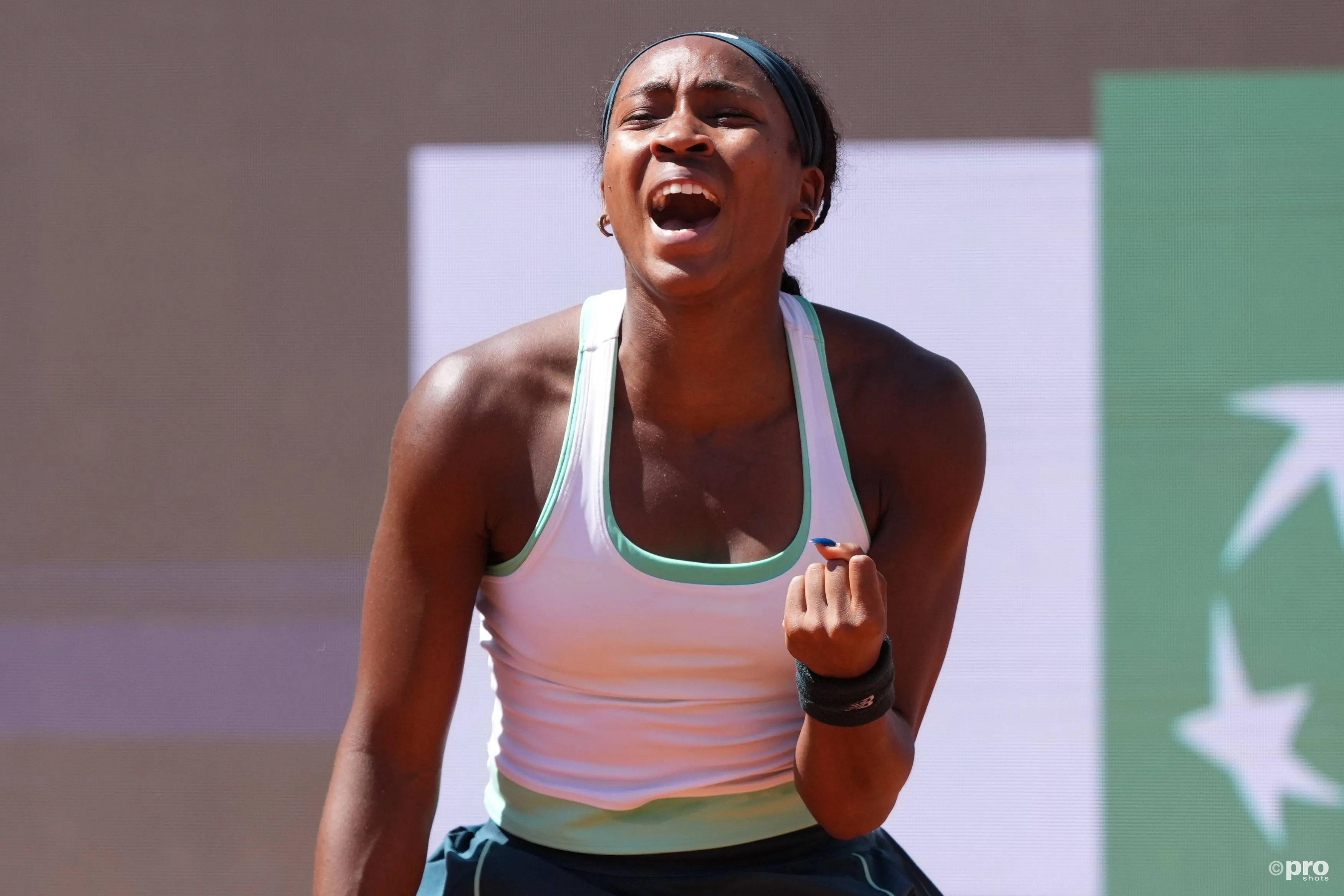
A portion of Gauff’s reflection focused on her 2022 Roland Garros final against Swiatek, which she described as a match in which nerves overwhelmed her ability to execute. The American, then 18, lost in straight sets to the world No. 1 and used the experience as a reference point in her later development.
“Against Iga, honestly I don’t remember much of that experience because I was so nervous," the American said. "I literally couldn’t play that final. I just remember in the trophy ceremony thinking I never want to lose a match like this again.”
She contrasted that with her next final in Paris - three years later - against Sabalenka, where external factors, including unexpected crowd support and off-court attention, shaped a different emotional environment. “Against Aryna, I was surprised the crowd was heavily for me. I didn’t know what the crowd would be like in that final last year. I was mostly just surprised by that. And Spike Lee was right next to my towel box, so that was pretty cool.”

Gauff also expanded on her internal approach to performance management, highlighting structured mental-health work as part of her routine. “I’ve been going to a therapist for a long time, and I also journal. For me, the biggest thing is trying not to be negative. Sometimes I can be too much of a perfectionist, so when I play matches I want to win every point in the most perfect way.”
While her ambitions remain unchanged, she is increasingly focused on process over outcome. “Obviously that doesn’t always happen. I can see where I want to be and I want to get there badly, but now I’m trying to focus more on the process and the ups and downs of the journey in tennis. It’s something I can do well at times and other times not so well.”
Media obligations, collective leverage and tournament pressure
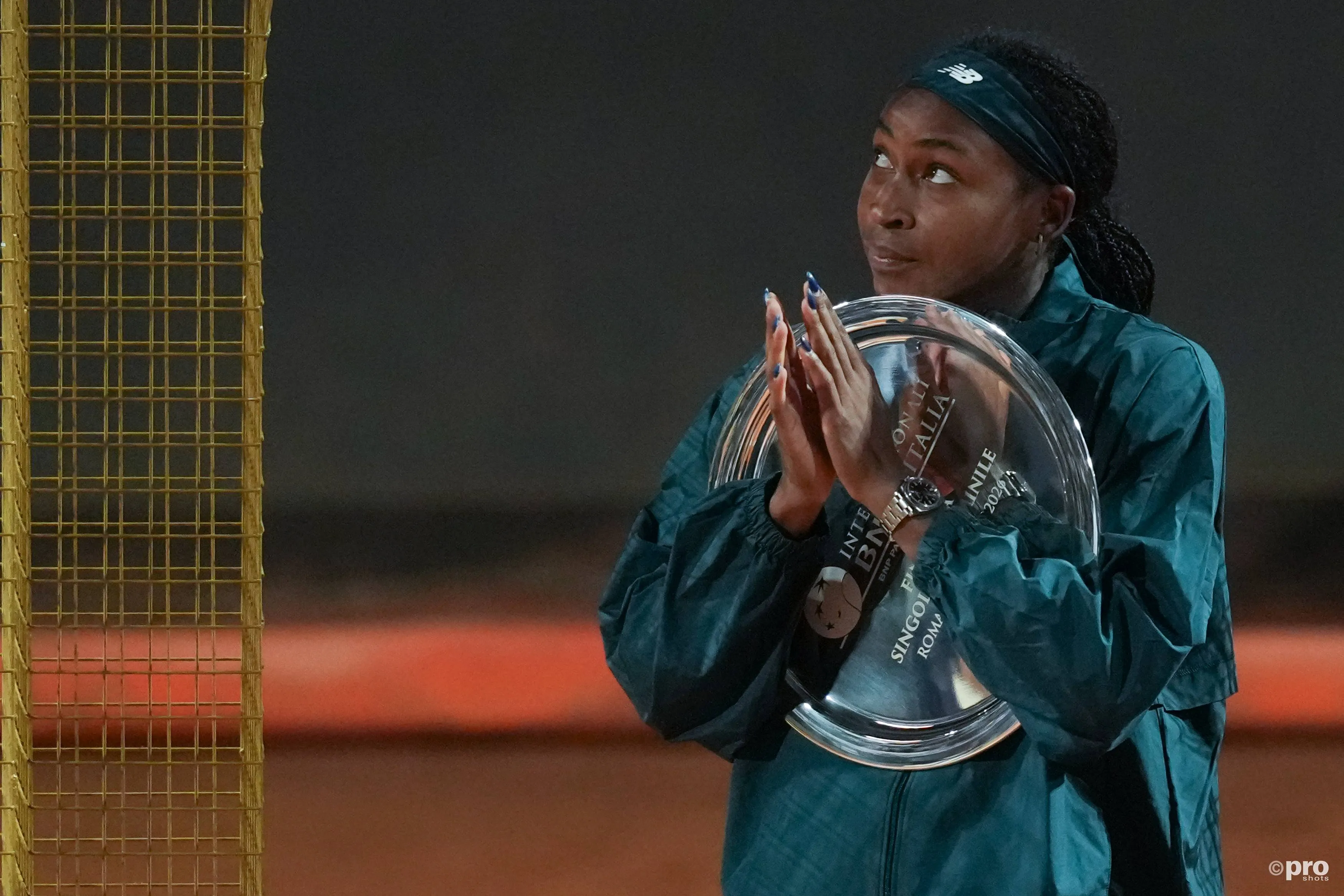
Gauff also addressed her involvement in a coordinated player initiative linked to broader structural discussions on the tour, particularly around prize money distribution and tournament governance. The measure follows conversations held during the clay-court swing and is framed by players as a way of applying institutional pressure through adjusted media commitments.
The initiative includes limiting post-match media availability to around 15 minutes, a structured reduction intended to signal collective dissatisfaction while remaining within contractual obligations. “I’m one of the players participating, so I won’t be here too long. It was something brought to me after Rome. I know discussions happened during Rome, but I was playing the tournament.”
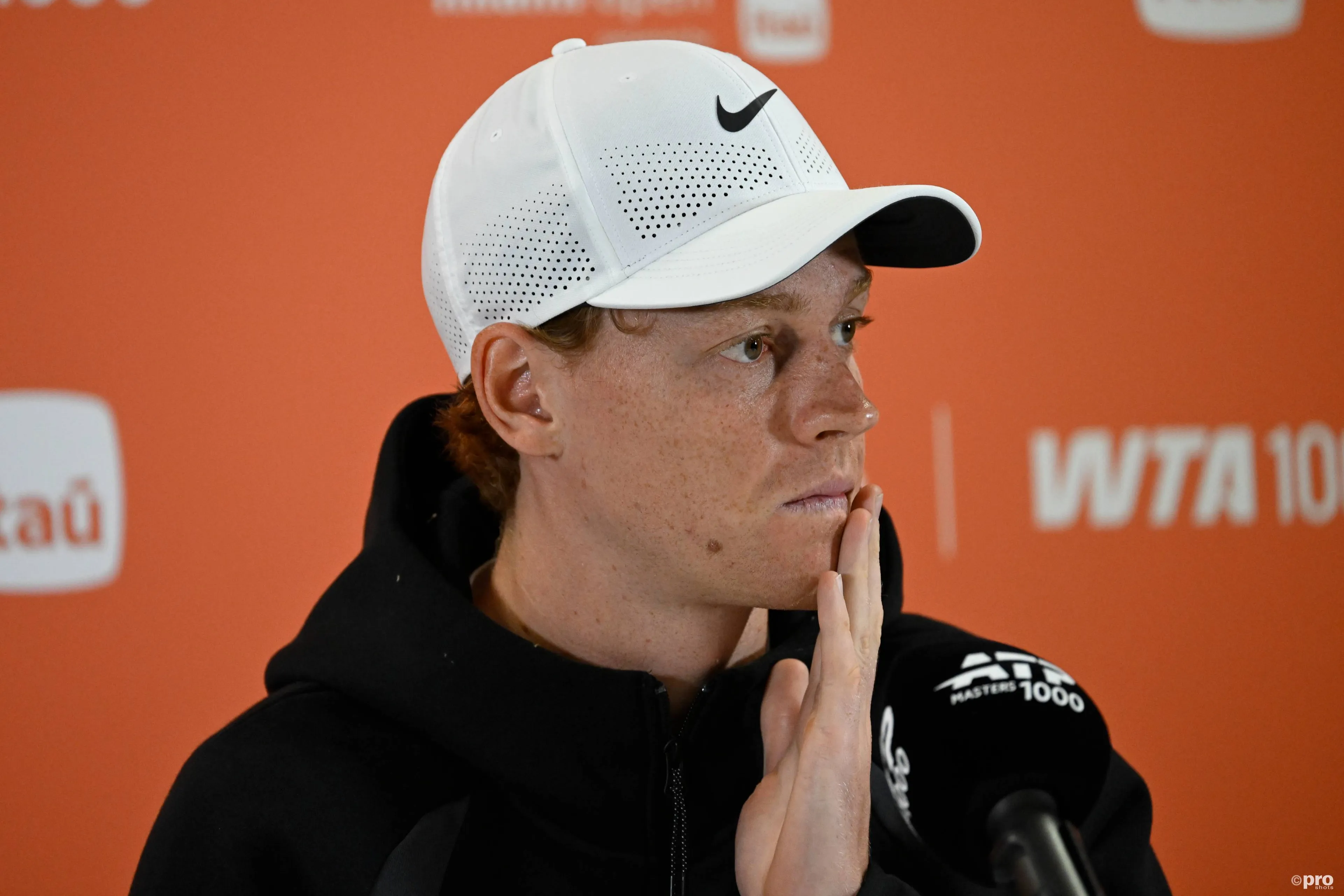
She described the move as an initial coordinated step rather than an immediate attempt to force structural change, highlighting the importance of alignment among players on governance-related issues. According to Gauff, the significance lies in collective positioning rather than short-term outcomes.
“For me, it’s not necessarily about making a huge difference immediately at the Slams, but it shows that a lot of us are on the same page and can take collective action beyond just talking. This is the first real action point we’ve done, and I’m proud we were able to agree on that.”
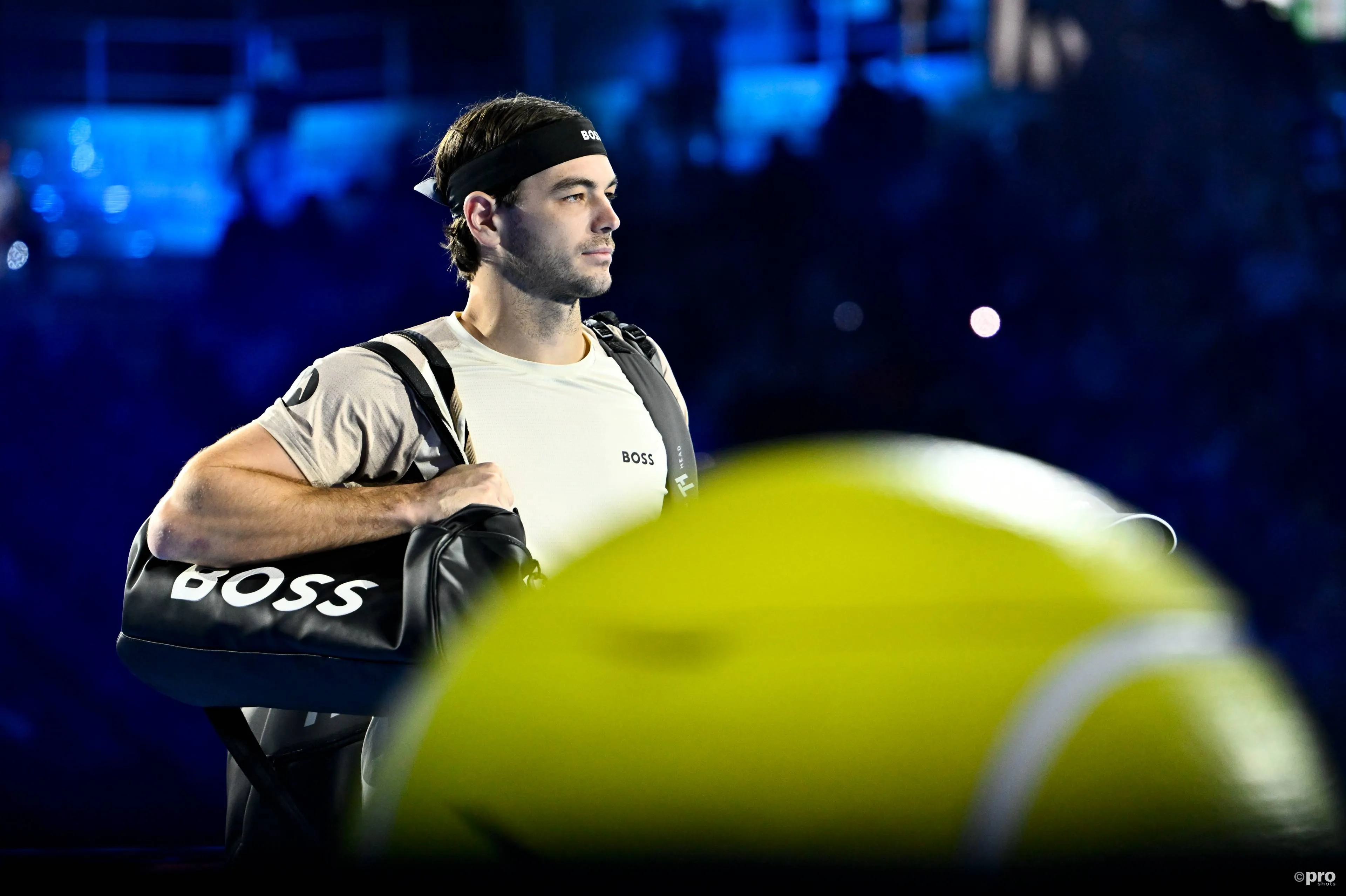
Gauff added that balancing reduced media exposure with respect for press and broadcast partners remains complex, particularly given the interconnected nature of the sport’s commercial ecosystem.
“I think it depends on the players. Those involved today are comfortable with this part of it. It was a fine line between what we could do without punishing the media, who have nothing to do with it.”
“That’s why many of us still did media today, while limiting things with TV and tournament partners. It’s difficult to balance. It’s not hard to ask us to do less media, and I appreciate the media too. It’s like… I don’t know, the angel and devil on each shoul
claps 0visitors 0
Just In
Popular News
Latest Comments
- Mauresmo was never a very nice person. They can shove their money. Players ought to not show up.
 mandoist21-05-2026
 - What a cruel draw for Iga Swiatek!
 MrAndreeva21-05-2026
 - Silly child. May she learn the art of forgivenessRapunzel19-05-2026
- Some bold French Open predictions in this one 😁. My money is on Gauff and Swiatek.MrAndreeva18-05-2026
- I didn't see them -- where were The God's sitting??mandoist17-05-2026
- What a crock-o-shit this media attack is! There are plenty of such incidents to choose from in tennis. Players often walk past as they are concentrating on what's coming. Some realize it and turn back to connect with the kid; some just simply are focused elsewhere and should not be anti-Social Media Slammed for it. Wasting space online when there are more important subjects to cover.mandoist17-05-2026
- May God continue to bless and anointing this beautiful young woman!Rapunzel17-05-2026
- Poor sap. She dumped him with a Capital "D" !! Oh well... as long he "doesn't tell me what to do" he may survive most of this season.mandoist15-05-2026
- Anytime your opponent blows their opportunities can be called "luck". Have to admit though, Gauff can run like hell. Ditto for Svitolina. Of course there's always that old addage: "Have to be Good to be Lucky".mandoist15-05-2026
- They should change the name 'Wildcard' to "Sponsorship Card".mandoist15-05-2026

Loading